Europe Tours
Quick Search
Popular Tours
Popular European Regions
Explore all our European tours bringing together multi-country journeys, regional explorations, themed itineraries and seasonal read more highlights. Expect a mix of world-famous capitals, small towns, coastal settings, and scenic connections between countries. If you've yet to decide on where in Europe to start your journey or you're a returning visitor looking to explore new regions within Europe, then your search starts here.
Central Europe features elegant capitals, river valleys, alpine lakes, and a strong blend of cultural heritage. Itineraries read more often connect Vienna, Prague, Budapest, and Munich, with time in scenic regions such as the Bavarian countryside, Austrian lake districts, or the Swiss Alps. This region offers an appealing mix of architectural beauty, music, history, and landscapes.
Eastern Europe reveals Gothic squares, medieval fortresses, and cities where long traditions meet modern life. Tours commonly read more include Poland, Hungary, Slovakia, the Czech Republic, and neighbouring countries, offering excellent value for money and a deep sense of authenticity. Expect cultural festivals, hearty regional cuisine and historic quarters that are easy to explore on foot.
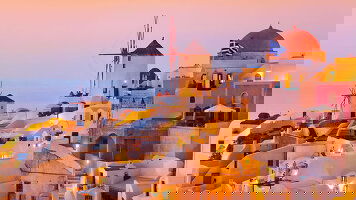
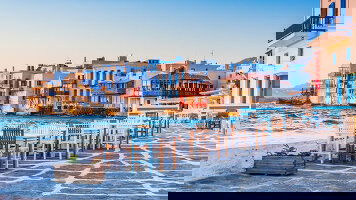
Eastern Mediterranean Tours explore regions shaped by ancient civilizations, coastal landscapes and a rich blend of eastern read more and western influences. Greece is a major highlight, with island-hopping sailing adventures, whitewashed villages, archaeological wonders, and vibrant seaside towns. Turkey pairs well with Greece or stands alone on its own with Cappadocia’s surreal rock formations, Ephesus and Troy’s archaeological sites as well as Istanbul’s bazaars, mosques, and historic neighbourhoods. Cyprus, Israel, and parts of the Balkans (such as coastal Albania) also feature in many extended itineraries. These tours are ideal for travellers who enjoy sunshine, mythology, food traditions, and a strong sense of history in warm coastal settings.
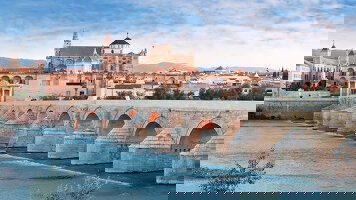
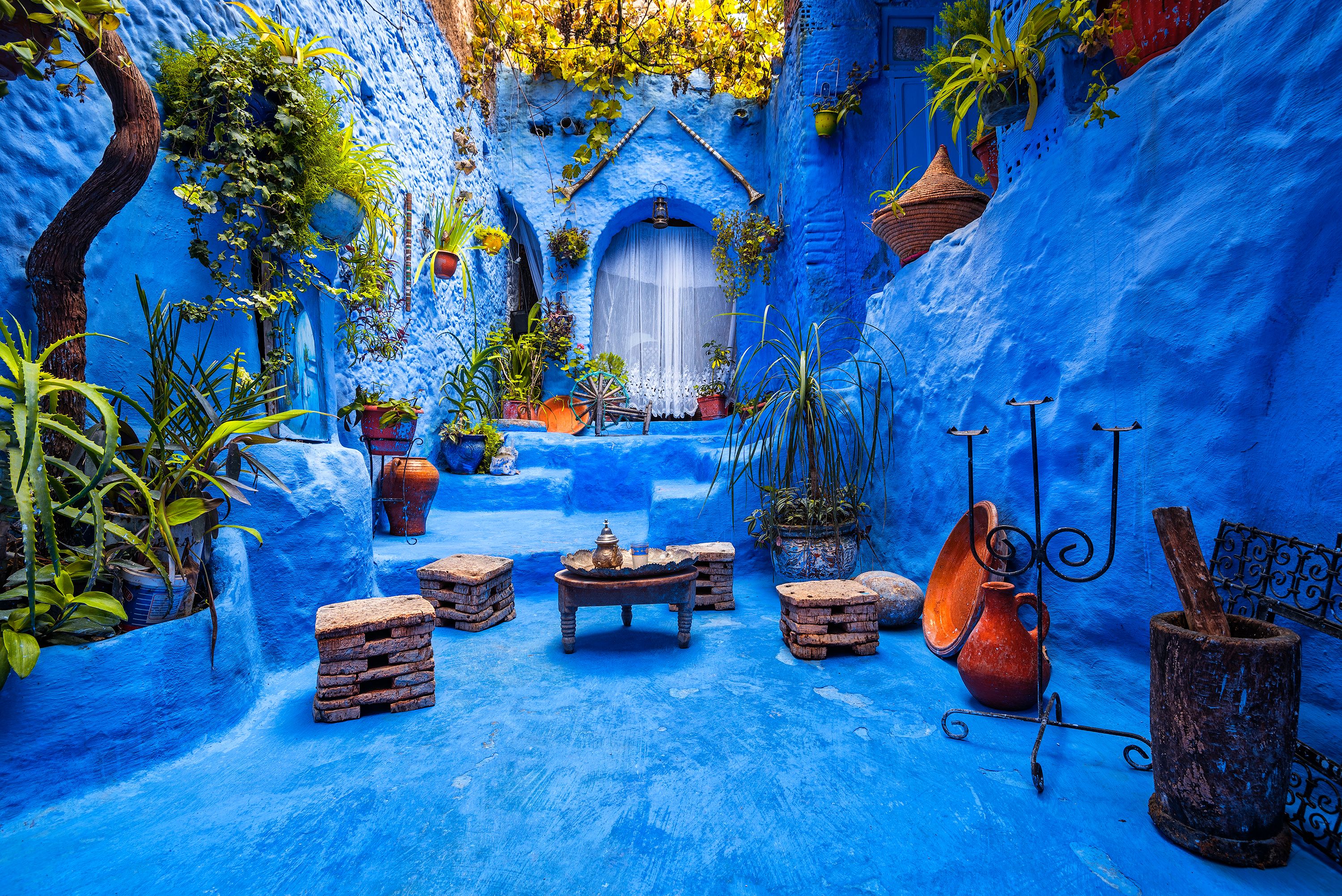
Western Europe tours bring together the cultural depth and regional contrasts of France, Spain, Portugal, and Morocco, offering read more a blend of historic cities, coastal landscapes, wine regions, and enduring traditions. Travellers can explore Paris and the châteaux of the Loire, the vineyards and markets of Provence, the artistic quarters of Barcelona, the Moorish palaces of Andalusia, and the colourful neighbourhoods of Lisbon and Porto. Many itineraries also extend south across the Strait of Gibraltar into Morocco, where cities like Marrakech, Casablanca, and Fez introduce medinas, souks, and desert scenery. These routes suit travellers who want varied cultures, warm climates, rich food traditions, and a balance of iconic highlights and regional charm.

Tour through England, Scotland, Wales and Ireland combining rural landscapes with literary cities and a strong storytelling read more tradition. Think stone villages, castle ruins, cosy pubs, and coastal drives. It’s a great match for travellers who enjoy history, local legends, and scenic countryside more than high-paced city-hopping.
Popular Ways To Explore Europe
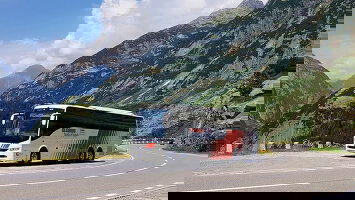
Coach touring is the classic way to see Europe. Designed to cover multiple countries or focusing on indiviual region in greater read more depth,. You'll travel with a Tour Director who, along with local guides, will handle all the logistics, guiding and sightseeing. Ideal for first-time visitors or for those who prefer a structured experience with minimal planning.

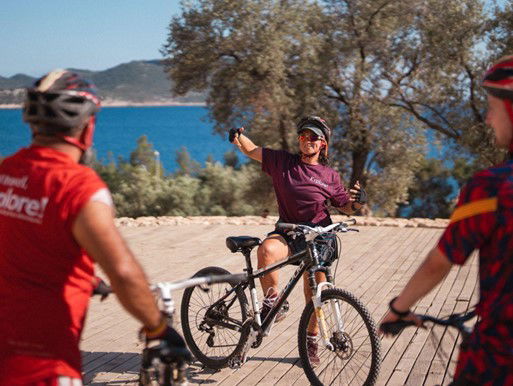
Europe's active small group adventures are designed to provide you with a grassroots travel experience. Immerse yourself read more into local culture, stunning landscapes, and unique wildlife and enjoy authentic experiences in the company of like-minded travellers and expert local guides.
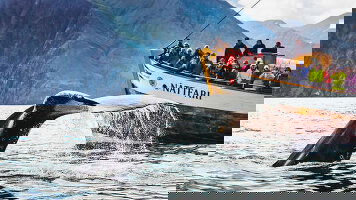
Our European small group tours host fewer travellers, offering a more intimate feel. With no more than 24 travellers, they read more often include boutique stays, regional food experiences, local artisan visits and a more relaxed pace of travel.

European small group, coach and active adventured designed for younger travellers (18 to 30' somethings). Explore the Greek read more Islands, sail Croatia in summer or enjoy the Christmas markets as Europe becomes a winter wonderland.

Our European rail journeys take advantage of Europe’s extensive train network, from high-speed routes between major capitals read more to alpine scenic railways.

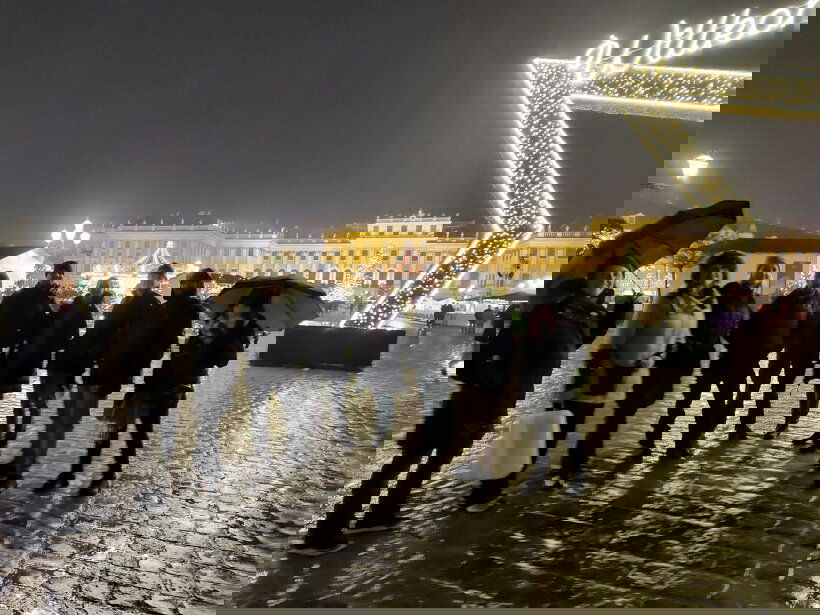
Experience the magic of the festive season in Europe this year and join one of our Christmas and New Year holidays to experience read more Europe's festive Christmas Markets,

Considering a luxury European tour? Expect premium 4.5-5 star boutique accommodation, fully guided curated experiences, small-group read more pacing and an all-inclusive multi-day experience.

Family-friendly itineraries feature shorter travel days, flexible pacing and activities designed for a range of ages. Perfect read more for multi-generational travellers, they're a great way to explore Europe and experience activities and memories that you'd find hard to do if you planned your trip independently.
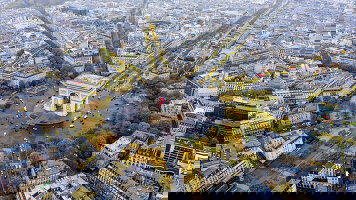
Ranging from 3 to 5 days in length, our European short breaks are perfect for a long weekend away and can easily be added read more on to a longer multi-day tour, cruise or river cruise itinerary.
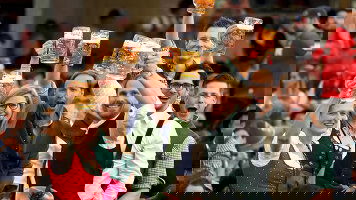
These seasonal itineraries showcase Europe’s cultural calendar. Travellers can visit Christmas markets, enjoy summer festivals, read more explore winter landscapes, or take part in regional celebrations and traditional events. Prost!
Featured European Operators Featured Operators
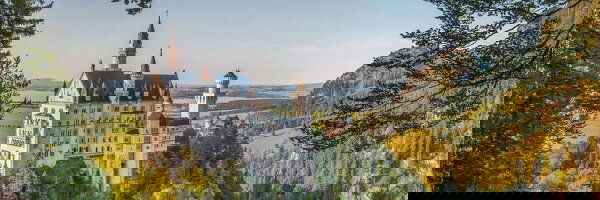

The one aspect that everyone loves about us, is that we pace our itineraries so well. Our longer stays of 2, 3, 4 and even 5-night stopovers in each destination means you will get quality “My Time” to explore and experience hidden delights at your own pace. It’s all about balance…
Something else we know you will love is that our tours are genuinely inclusive, from feature dinners to scheduled attractions, everything really is included in the upfront price – so you can forget about ‘optional’ expenses. Even tips for your tour manager and driver are covered.
Lastly, our European Summer holidays have group sizes of just 10 to 28 fellow travelers, all on a full-sized luxury coach which means you will travel in style and comfort for your entire journey. Come share our love of Europe!"


Choosing Collette comes with benefits that take your guided travel experience to another level. Our inclusive tours provide you more value for your money and more of what makes travel special. Let us show you the world!
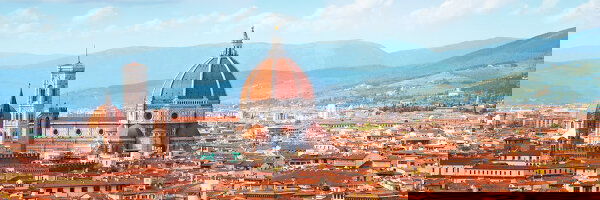

In creating our small group tours, we are driven by two guiding principles. First, everything we do is about your experience, which is why we only run tours with a maximum of 20 people – that’s less time waiting, more time exploring. Second, when done properly, tourism can be an incredible force for good that generates economic and social benefits in the places we visit.
Discovering Europe
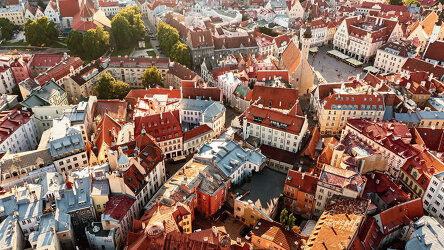 Lose yourself in Europe's medieval streets and old towns
  Taste local food and wine in the regions that made them famous
 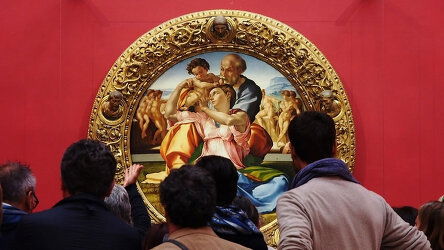 See art and antiquities that define European culture
 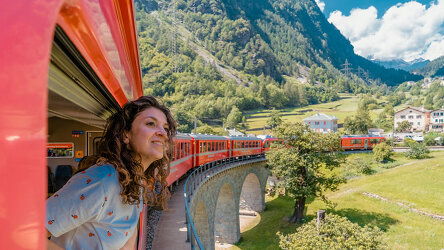 Travel across the Alps and lake districts on scenic journeys
 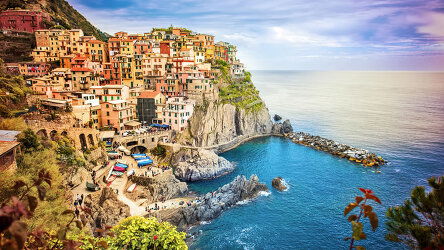 Explore coastal towns, islands, and fishing villages
 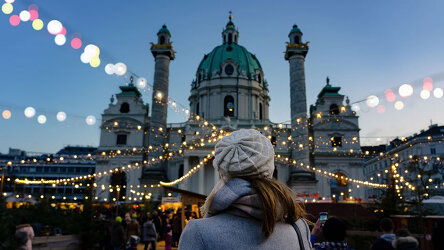 Experience living traditions and seasonal events
 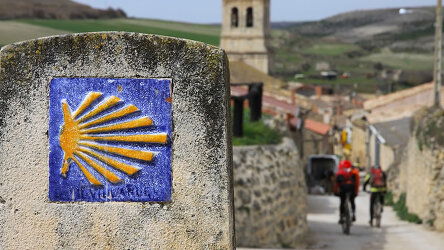 Walk sections of historic routes and countryside trails
 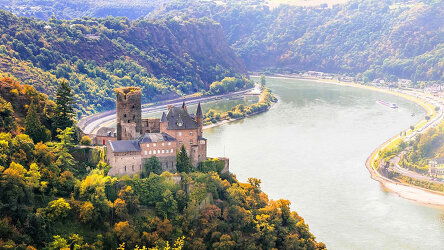 Visit ancient ruins, castles, and sacred sites
 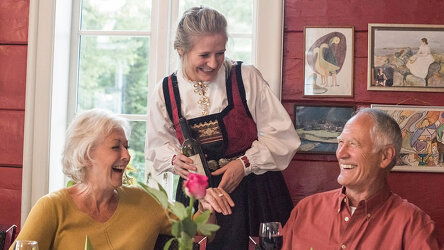 Discover regional villages and communities
 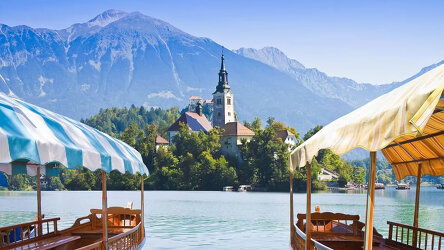 Take to the water
 Popular European Destinations
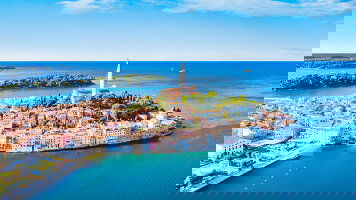
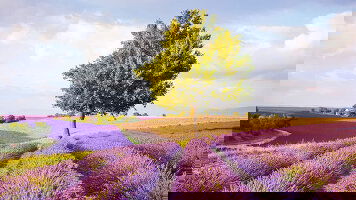
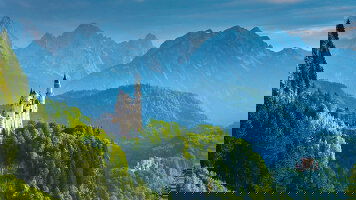

Latest Reviews
Our CEO, Jelena, was great. However, at times we felt that she could have used some read more office support that she could have contacted. We turned a corner to be at a Christmas market that wasn’t there in Berlin. She did a great job of pivoting, knowing some history to tell us, and found a cathedral for us to go in and tour for a moment. She also explained some other monuments that were in the plaza, which was an old site used for Christmas markets but not in 2025.
The small offers that the tour company provided, such as the currywurst, the glüevine, and lebkuchen, seemed to be more difficult with the budget allowed by the tour company than it really needed to be. For instance, people were given too many options: what was in the budget, or add more money, or pay for the deposit on the mugs and get it back if you want, or keep it if you want. It just seemed very confusing for so many people at once. It would have been nice if it had been arranged that we went to a specific booth for each of those items. Maybe G Adventures is able to look into contracting that in the future. Or making a specific reservation for the cakes and coffee in Vienna. Or working it out ahead of time with the restaurant on the meet-up day for a set meal that’s within the budget, so everybody can get a little bit without having to go over budget, get confused, and feel off-put on our first dinner together.
We loved the Christmas markets. We loved the time that we spent. We loved the bit of history that we learned through our CEO. We know that it was one of the first Christmas market tours of the year, and we definitely felt some hiccups, but we had a good group of people that really tried to make the best of it.
I would recommend this tour for anyone in their 20s, 30s, 40s, 50s, and 60s. My mom was fine in her 70s, but others younger were not. I don’t want to sound bad, but if you walk with a cane, a walking tour is probably not the tour group that’s best for you. That’s the experience that 17 people had to endure on our tour. They would have to be able to walk multiple miles and deal with their luggage themselves, because one slow person affects 17 other people, and that really isn’t fair for the 17.
We knew we were going to be staying at smaller places, and they were great and had different personalities. Although the one in Salzburg should probably be looked at for the smell in the restroom, on the flip side that smell made us get out of the room nice and early to find the Thursday market in Salzburg, which was an amazing find and one of the highlights of our trip.
The accommodations were okay. I would give them about two stars at best. Berlin was a little bit better. But for single women traveling, places with a whole lot of graffiti or a strip club across the street were not exactly the safest feeling, and I don’t know if that was actually planned. But it’s how it was, and we did try to travel in groups because of that. There were some very high points and some very “this could be done a little bit better with just a little bit of effort” points as well.
Best Time to Visit Europe

Summer is the busiest touring season across Europe, and for good reason: long daylight hours, warm weather and a lively atmosphere make it ideal for comfortably paced coach days, open-air sightseeing, and evening city walks. Most itineraries run at full capacity in summer, giving you the widest choice of departures and read more operators to choose from.
Weather varies widely across the season. Scandinavia sees its peak season now with it's extended daylight hours perfect scenic touring, fjord cruising and outdoor excursions. Southern Europe is hot, especially inland Spain and Italy, while Central Europe (Germany, Austria, Switzerland) it still warm, its more moderate and ideal for alpine panoramas and lakeside stops. The UK and Ireland see their driest and most pleasant stretch, superb for countryside touring.
Crowds in Europe’s headline cities such as Rome, Paris, Florence, London and Barcelona are at their highest, which affects both the touring rhythm and time spent at major attractions. Escorted tours often reduce the strain by offerring priority or special access to the main sites, but you should still expect fuller venues and heavier local traffic. Prices are highest in summer, partly due to demand and partly due to Europe-wide school holidays.
Summer brings a vibrant calendar of events, from music festivals in Austria and the UK to village celebrations throughout France and Italy. Tours often coincide with these naturally, adding atmosphere but also contributing to busier towns.

Spring is one of the most rewarding seasons for touring Europe. The continent transitions quickly from cool March days to mild weather by April and May, creating ideal conditions for outdoor sightseeing, walking tours and countryside drives. It’s a true shoulder season sweet spot: smaller crowds than summer, more read more availability across itineraries and pricing that is often more favourable.
In Western and Central Europe, blossom and fresh greenery make rural touring particularly scenic, from the Rhine Valley to Tuscany. Temperatures are comfortable for city touring and many operators return to their full program by mid-April. Rivers in Europe typically see stable water levels in spring, resulting in smooth operation of touring packages linked with river cruises.
Weather does vary: early spring can feel cool in the UK, Ireland, and Scandinavia, while Southern Europe warms quickly and is already pleasant for coastal touring by April. Easter week can be busier, especially in Italy and Spain, where religious festivals draw visitors and influence opening hours.

Autumn is an excellent touring season across Europe, widely regarded as the sweet spot for due to it's comfortable temperatures and reduced visitor numbers after Europe's summer peak. September is still warm across the Mediterranean, making it ideal for coastal touring and island-hopping extensions in Greece or Croatia, read more while Central Europe enjoys mild days perfect for castle visits, vineyard walks and river valley sightseeing.
In October, temperatures cool but remain comfortable across much of Western and Central Europe. Vineyards in France, Italy, Germany and Austria shift into harvest season and many tours include visits timed to coincide with regional wine events & festivals. Autumn colours develop strongly in Central Europe and the Alps, making rail journeys and mountain panoramas especially scenic.
By November, touring continues at a calmer pace. Some attractions reduce their hours and the days shorten, but the trade-off is quieter sightseeing and better trip pricing. This period is also ideal for travellers who prefer cooler walking temperatures and less-crowded old towns. Early festive markets begin appearing in parts of Germany and Austria late in the month, offering a unique seasonal add-on to the standard scenic & cultural itineraries.

Winter touring in Europe offers a very different rhythm — quieter cities, festive markets, crisp mornings and a focus on culture, history and the seasonal atmosphere. Many multi-day tours shift to slower-paced itineraries that include museum visits, walking tours of decorated old towns and cosy culinary experiences. Northern read more and Central Europe can be cold, but that’s part of the appeal for many travellers. Festive markets in December are a major draw and many escorted Christmas and New Year itineraries are built around seasonal events, local traditions and special dining. Snow in the Alps adds dramatic scenery, especially on rail-themed tours.
Southern Europe remains milder, making places like Portugal, southern Spain, and parts of Italy attractive for travellers who want gentler winter conditions. Days are shorter everywhere, which gently reshapes itineraries by encouraging earlier starts and more structured pacing - something escorted tours handle seamlessly.
Popular European Touring Routes
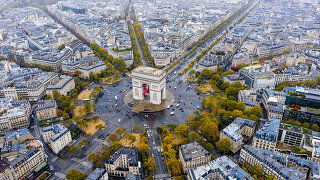
Start your journey in the French capital with tours traversing France's key regions - including Normandy, the Loire Valley, Champagne, Burgundy, Provence and the Riviera. Many itineraries also continue into neighbouring countries such as the UK, Belgium, Switzerland, Italy and Spain.
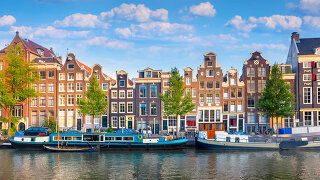
Begin in Amsterdam with tours that cover the Netherlands' major highlights, from its canal cities and windmill regions to it's coastal towns and traditional villages. Many itineraries then continue into Belgium, Germany, France or Switzerland, offering a mix of historic cities, scenic countryside and multi-country European routes.
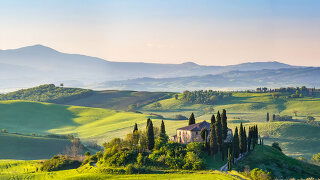
Begin in Rome and travel north through well-known Italian regions, with common stops in Tuscany, Emilia-Romagna and the Veneto. Itineraries often include the cities of Florence, Bologna or Verona and finish conveniently in Venice for travellers continuing on with Adriatic or Mediterranean cruises.
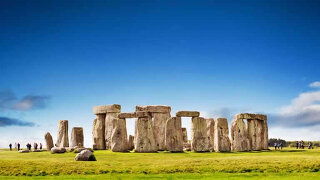
Travel from London to Paris on itineraries that typically explore southern England before crossing into France. These tours often include stops such as Windsor, Stonehenge, Normandy or the Loire Valley, offering a varied route between the two capitals.
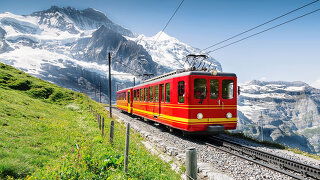
Begin in Zurich with tours that highlight Switzerland’s key regions, including Lucerne, Interlaken, Zermatt and the lakes and mountain passes. Some itineraries also extend into Liechtenstein, Austria or northern Italy, combining alpine scenery with neighbouring European destinations.
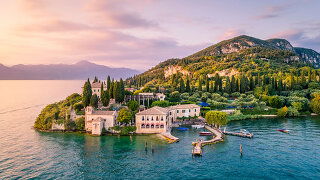
Begin in Venice with tours that explore northern Italy’s Veneto, Lombardy and lakes districts. As a popular port for cruises you could also consider combining a tour before or after your cruise into Croatia, Greece or the Mediterranean.
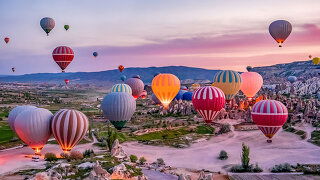
Begin your journey in Istanbul, the main gateway city for touring in Turkey and a popular embarkation port for Mediterranean and Aegean cruises. Tours typically travel onwards to regions such as Cappadocia, Pamukkale, Ephesus and the Turquoise Coast, with some itineraries also extending into neighbouring Balkan countries.
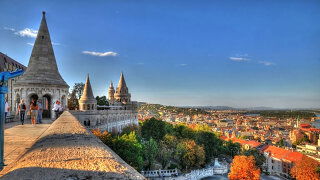
Begin in Prague and travel through Central Europe with visits to Vienna, Bratislava and other major cities before reaching Budapest. Budapest also serves as a major departure point for Danube river cruises for those continuing their journey.
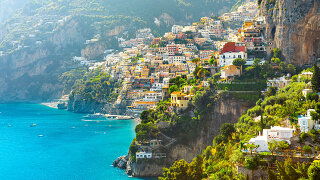
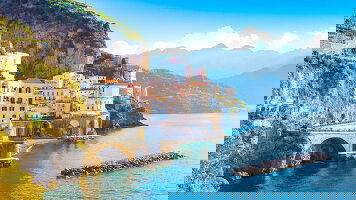
Start and finish in Rome with tours covering Italy's key regions, such as Tuscany, Umbria and Campania. Itineraries may include Florence, Siena, Naples or the Amalfi Coast, offering a comprehensive look at central and southern Italy without changing gateway cities.
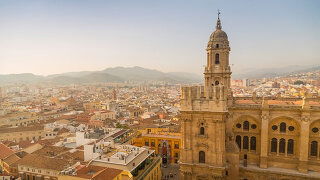
Begin in Barcelona, a major Mediterranean cruise port and gateway to touring across Spain. Itineraries typically explore Catalonia, Valencia, Andalusia and the Basque Country, with some extending into Portugal or southern France.
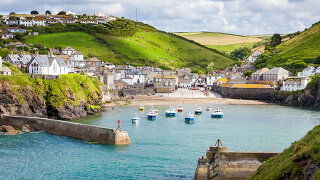
Begin in London with tours that take in key English highlights such as Windsor, Bath or the Cotswolds before crossing to continental Europe. From there, itineraries often continue through France, Belgium or the Netherlands, linking London with major European cities and regions.
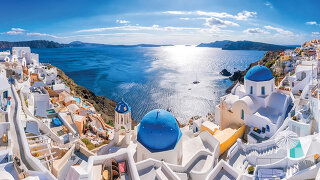
Begin in Athens with tours exploring Greece's classical history, including Delphi, Kalambaka, Olympia and the Peloponnese. Many itineraries also include island-hopping cruises through the Greek Islands.
Explore More
FAQ's Common questions on guided touring through Europe
Why choose a guided multi-day tour of Europe instead of travelling independently?
Europe’s transport networks are excellent, but travelling independently requires constant planning, ticketing, moving luggage and navigating multiple languages. A guided tour removes this work: your accommodation, connections, daily routing and key sightseeing are organised for you. You see more in less time, avoid logistical frustrations and still get structured free time in major cities. Tours are especially valuable for first-time visitors or travellers tackling multiple countries in one trip.
How many countries can I realistically see when joining a guided tour through Europe?
Most travellers visit three to five countries in 10–14 days, depending on the itinerary’s pace. Classic “highlights” tours might link France, Switzerland, Germany, and the Netherlands, or follow a route from London to Rome. If you prefer a slower pace or want more time in each place, look for tours that focus on one or two countries, or allow extra nights in key regions.
What style of touring is best for Europe?
That depends on how you like to travel. Coach tours work well for multi-country itineraries and structured days. European small group tours suit travellers who want more local interaction and flexible pacing, and rail journeys appeal to those who enjoy scenic overland travel and less time on motorways. Active and cycling tours are ideal for travellers who prefer more time outdoors and are comfortable with physical activity. Think about your comfort with group sizes, walking, and travel days when choosing.
What can I expect the pace to be like?
Pace varies by tour style and operator. Multi-country coach trips can include early starts and several hours of travel on some days. Small group and regional tours are often more relaxed, with more free time and fewer long transfers. Our trip notes and itinerary pages usually outline typical daily distances, start times, and included activities, so be sure to compare itineraries if you prefer a slower or faster pace.
How much will a European tour cost?
Costs depend on the style, season, inclusions, and regions visited. As a general guide, affordable or standard European coach tours average around two to three hundred dollars per day including accommodation, transport, some meals and guiding. The cost per day rises on small group, premium and luxury tours, particularly in higher-priced regions such as Scandinavia or Switzerland. Shoulder-season travel often provides better value than peak summer.
When is the best time to actually book a tour to Europe?
For popular June–September departures and major holiday periods, it’s wise to book six to twelve months in advance, especially if you’re particular about your departure dates. Shoulder-season trips in Spring or Autumn can sometimes be booked closer to departure, but availability on the most popular routes may still be limited. Special departures, such as Christmas Markets or festival tours, also tend to sell out early.
Are meals included on guided European tours?
Most tours include daily breakfast and a selection of dinners, especially on escorted coach itineraries. Some small group and active tours include more meals, particularly in remote areas or on themed departures. Lunch is often left open so you can explore local cafés or markets. Always check the “Inclusions” and "Day by Day" sections of each itinerary to see how many meals are provided.
How much walking can I expect on my tour to Europe?
You should expect daily walking, especially during city tours and visits to historic centres. Many European streets are cobblestoned, and some sites involve stairs or inclines. Active adventures and walking & hiking tours through Europe will involve longer distances and varied terrain. If you prefer minimal walking, look for itineraries described as “Leisurely” or “Comfortable,” and review the activity level or ask your Global Journey's Travel Advisor for advice before booking.
Will there be any luggage restrictions when touring through Europe?
A medium-sized suitcase or bag that you can lift independently, plus a daypack, is recommended. Larger, very heavy luggage can be difficult on hotel stairs or when moving between transport and no European tour operators allow you to bring multiple suitcases. Some coach tours offer luggage handling or porterage, but it’s still wise to pack light and choose a suitcase that’s easy to manoeuvre over uneven surfaces.
More detailed information on what to bring and specific luggage sizes are provided in your travel documentation or you can ask your Global Journey's Travel Advisor for advice before or after your booking.
Are guided Europe tours suitable for older travellers?
Yes. Many itineraries are designed with mature travellers in mind, with comfortable pacing, centrally located hotels, and support from a Tour Director. If mobility is a concern, focus on tours with shorter walking distances and review activity ratings carefully. Your Global Journey's Travel Advisor can also help suggest itineraries that match your comfort level.
Of course there are many tours of Europe that are designed specifically for younger travellers as well as active adventures for those that are young at heart, but long in years!
Is Europe a safe destination to travel right now?
Europe is generally considered safe and well set up for visitors. The most common issues tend to be petty theft or pickpocketing in busy areas. Touring with a group and being mindful of your belongings can greatly reduce these risks. Your Tour Directors will provide practical advice on safety, local customs, and areas to be extra cautious in.
Should I choose a multi-country tour or focus on just one country in Europe?
Multi-country tours are great if you want to sample several cultures and landmarks in a single trip, or if it’s your first time in Europe. One-country or regional tours are better if you prefer to explore a destination in more depth, with shorter travel days and more time in each location. Think about whether you value variety or immersion more, and choose accordingly.
Is travelling by rail better than joining a coach tour through Europe?
Both have their advantages. Rail journeys offer scenic routes and quick city-to-city transfers, often with more freedom to move around during travel. Coach tours can access smaller towns and rural areas where trains don’t reach, and keep your group together from door to door. Your decision may depend on whether you prefer more structured days and direct access (coach) or a mix of speed and scenery (rail).
What’s the best month to tour Europe for good weather?
Late May, June and September are often regarded as ideal months for touring through Europe. These periods balance pleasant temperatures with generally smaller crowds than the peak months of July to August.
Spain, Portugal, Southern Italy and the Eastern Med can still be very warm in September, while tours to central european countries and eastern european countries usually enjoy comfortable weather for walking and outdoor sightseeing during the entire season.
Are Europe tours good for solo travellers?
Absolutely. Many solo travellers choose to tour through Europe for the social aspect and the reassurance of travelling with a group. Many coach operators offer reduced or no single supplements on selected departures, or a room-matching service for solo travellers willing to share.
With many small group active tour operators (like Explore, Intrepid & G Adventures), as well as youth based opersators (like Contiki & Topdeck)solo travellers actually make up a large percentage of each group and while you can upgrade to have your own accomodation in most cases, most solo travellers choose to share rooms with their fellow travellers and so there is no difference in price.
What’s usually included in the price of a tour to Europe?
Typically, your tour price covers accommodation, internal transport (coach, rail, local transport or a mix), the services of a Tour Director or Tour Guide, some meals (usually daily breakfast and selected dinners), and a range of included sightseeing or entry fees. Optional excursions, some meals, personal spending, and flights to and from Europe are usually extra. Each itinerary lists the specific inclusions on each trip and you can reach out to our expert travel advisors if you'd like clarification before booking.
Will I need visas to tour through Europe?
Visa requirements depend on your nationality and the countries you’re visiting. Many travellers from Australia, New Zealand, Canada, and the United States can enter the Schengen Area for short stays without a visa, but there are rules around how long you can remain within a set period. The UK and some non-EU countries have separate entry rules. You should always check current regulations before booking and again before departure. We've provided more specific details in our Visa guide.
How long are travel days between destinations in Europe?
Travel times vary. Some days may involve only a couple of hours between nearby cities; others might be longer, especially when crossing borders or travelling between regions. Coach travel days will include rest stops and scenic breaks. Rail segments are typically faster between the major hubs. Your itinerary usually gives an indication of longer transfer days versus shorter “local exploration” days.
Do guided Europe tours offer free time, or is everything scheduled?
Most tours build in a mix of guided activities and free time. You might have structured sightseeing in the morning and free time in the afternoon, or a full free day in a major city such as Paris or Rome. Optional excursions are often offered so you can add experiences without having to organise them yourself. Look for itineraries that match your preference for structure versus flexibility.
What’s the biggest mistake travellers make when choosing their European tour?
Many travellers pick the fastest or cheapest itinerary — not the one that best matches their sightseeing pace, walking comfort, or interests. Another common mistake is underestimating travel days between countries. The best approach is to match your tour style (pace, group size, and inclusions) with how you like to travel, not just the number of countries visited.
Is luggage portered on Europe tours?
Most escorted tours include porterage at hotels, meaning your suitcase is delivered to your room. Some coach tours, small groups, adventure-style, or rail-based tours do require you to move your own luggage. Avoid oversized suitcases, especially when moving through train stations or smaller European hotels.
Is tipping required in Europe?
Modest tipping is common but varies by operator and country. Many tours outline suggested tipping amounts for the Tour Director, driver and local guides. In restaurants, rounding up or adding 5–10% is typical but not mandatory. Check your Global Journeys' booking advice for specific details.