Iceland Tours
Popular Tours
12 Days Reykjavik to Reykjavik
Operator: Albatross Tours

6 Days Reykjavik to Reykjavik
Operator: Intrepid Travel
Iceland's Top Destinations & Regional Routes
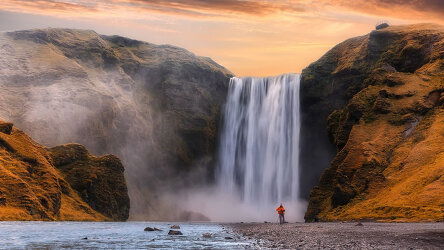
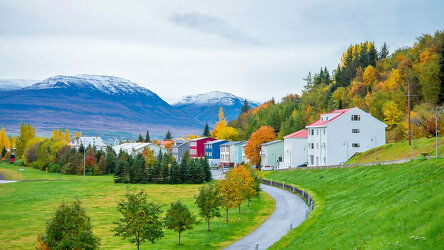 North Iceland & Akureyri
 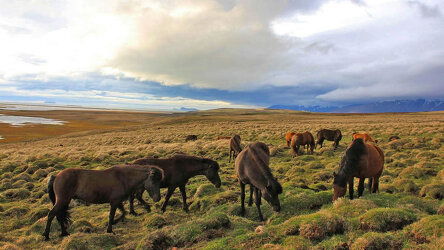 Eastfjords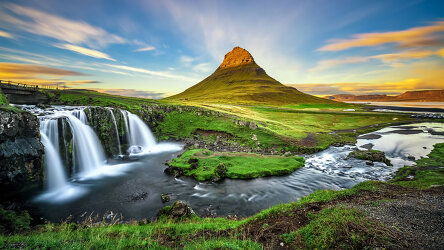
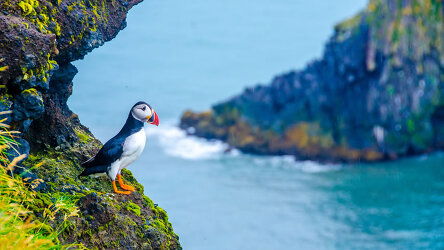 Westfjords
 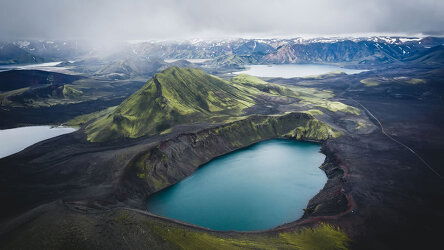 Highlands
 Popular Ways to Explore Iceland
Iceland's best small group active adventures and scenic small group tours all in one place.
Take a short break tour of Iceland if time is not on your side, or you're looking to combine a 2-5 day exploration with another tour or cruise.
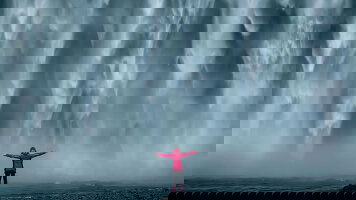
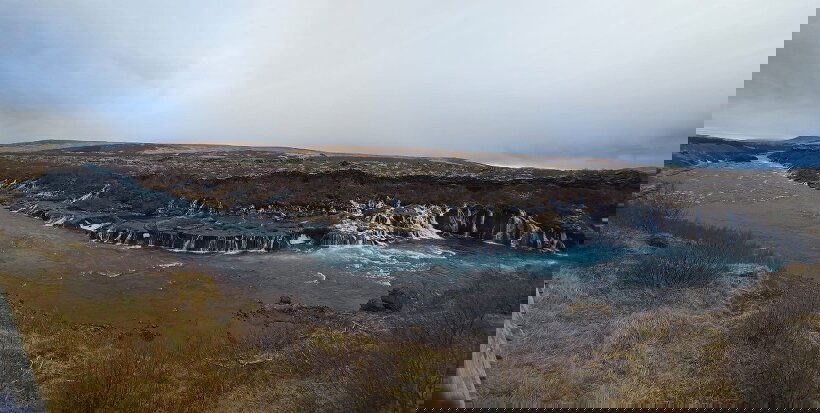
Hike across lava fields, venture into ice tunnels and journey behind waterfalls as you let Iceland take your imagination to new heights.
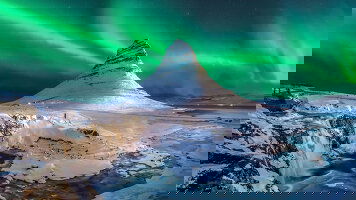
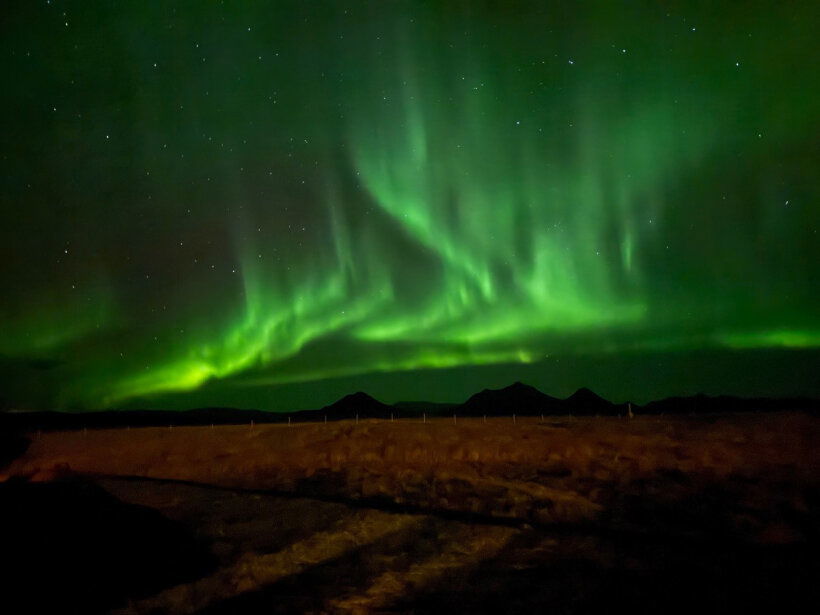
Wrap up warm and discover the raw natural beauty of this Nordic wonderland and spend your nights searching for the Northern Lights.
Experience the best of Iceland on a premium or affordable scenic coach tour.
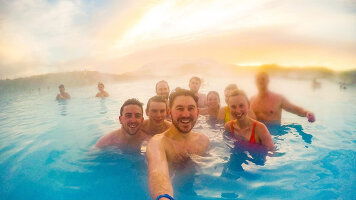
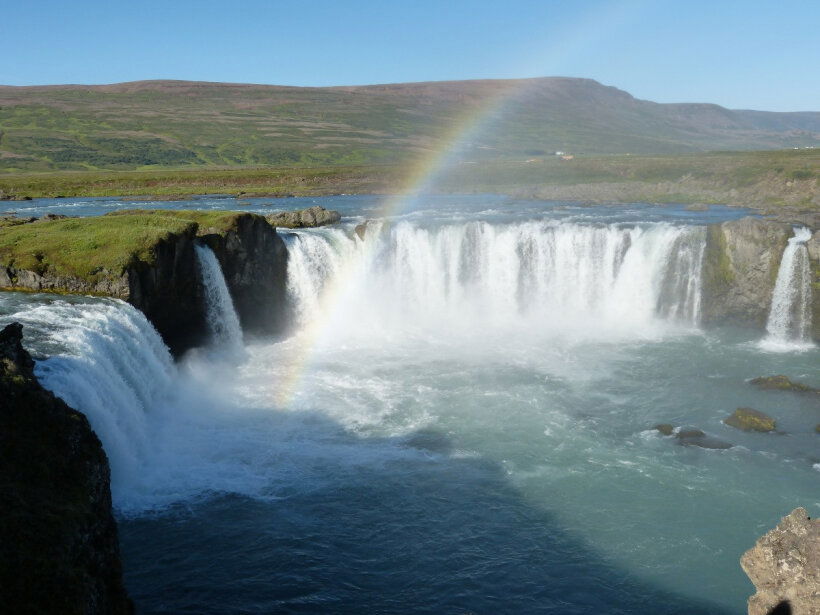
Discover Iceland’s star attractions - glowing geothermal pools, gobsmacking glaciers and wow-worthy waterfalls.
Recent Reviews
The only comment I'd make is that I thought a farewell dinner should have been included, first time I've been on a tour where it hasn't been, however Stefan organised one at our expense (Iceland is VERY expensive). Our Consultant Hannah Campbell was great, always got back to me promptly whenever I asked a question. Our experience with Hannah & Global Journeys was such a good one that we currently have another 2 active bookings in the system. Would 100% recommend Intrepid, Hannah & Global Journeys to anyone.
Best Time to Visit Iceland

Summer is the most popular season for touring Iceland and the time when itineraries run at their fullest. Days are extraordinarily long, with up to 22 hours of daylight, allowing touring groups to comfortably cover Iceland’s big-ticket landscapes such as the South Coast, Golden Circle, Lake Mývatn and the East read more Fjords without rushing. Roads are fully open, including highland routes on itineraries that venture into Landmannalaugar or the interior. Wildlife experiences peak in summer: puffins are present on coastal cliffs, whale-watching conditions are reliable and waterfalls surge with meltwater.
Crowds and pricing are at their highest, particularly around Reykjavík, the South Coast, and the Westfjords. Guided group tours benefit from timed entries and pre-arranged access, but expect busier viewpoints and busier trailheads. Temperatures stay mild rather than warm, and while rain is common, it usually falls as short showers that don’t disrupt touring. Summer is the best choice for travellers wanting comprehensive circuits of the island or longer small-group adventures that include walking or optional outdoor activities like glacier hiking.

Spring is a rewarding shoulder season for those planning their Icelandic guided tour. Offering a calmer pace at major sights and competitive pricing compared to summer departures. Roads around the Ring Road are mostly clear by late April, allowing touring groups to reach the South Coast waterfalls, black-sand beaches, read more and volcanic landscapes without peak-season congestion. Reykjavík feels lively but not yet busy, and migratory birdlife returns to the coastal regions, adding interest to scenic stops around the Snæfellsnes Peninsula or the Westfjords.
Temperatures remain cool, and snowfall is still possible in early April, especially in the north and higher elevations. Some highland routes remain closed, so interior-focused itineraries do not usually operate until mid-summer, but classic circuits run reliably. Daylight hours increase rapidly, so Spring is ideal for travellers looking for quieter, well-paced guided and less crowded days.

Autumn offers some of Iceland’s richest colours and September is mild and the days long enough for comprehensive sightseeing, making it an excellent alternative to July and August. Landscapes in the Þingvellir region, Þórsmörk valley, and the fjords shift to golden and rust tones, giving your scenic stops a distinctly autumnal read more feel.
Crowds drop significantly after mid-September, easing pressure on popular spots such as Skógafoss or Reynisfjara, and September is one of the best months for travellers who want both accessible touring and an early chance of seeing the Northern Lights. Many operators include evening aurora outings when the conditions allow. By October, cooler temperatures return, and daylight shortens, but guided excursions still remain manageable and are often more peaceful.

Winter transforms Iceland into a completely different touring destination. This is the prime season for Northern Lights itineraries, glacier experiences and icy waterfall viewing. Days are short in mid-winter, but guided itineraries are designed around available daylight, maximising scenic stops during bright hours read more and offering cultural visits or optional activities when darkness falls. Reykjavík hosts lively winter events, and the South Coast remains accessible year-round, allowing travellers to experience Seljalandsfoss, Skógafoss, Reynisfjara and Skaftafell.
Some regions such as the highlands and parts of the Westfjords become inaccessible. Temperatures are cold but not extreme by Arctic standards, and weather can shift quickly. Winter pricing is competitive outside Christmas and New Year, making this an excellent value season who love winter landscapes and aurora hunting!
FAQ's
Why choose a guided multi-day tour in Iceland instead of self-driving?
Iceland has long distances, changeable weather, and roads that can be challenging, especially in winter or in the Highlands. On a guided multi-day tour, your driver and guide handle navigation, road conditions, and daily logistics, so you can focus on scenery and experiences. Accommodation and key activities are pre-arranged, and you still get structured free time in places like Reykjavík and key regional towns. Many travellers find that guided tours reduce stress and make it easier to reach remote areas safely, particularly outside the main summer months.
What fitness level do I realistically need for an Iceland tour?
Most Iceland tours expect you to be comfortable walking on uneven ground for short periods throughout the day. That might mean 15–30 minute walks to waterfall viewpoints, along coastal paths, or through geothermal fields, sometimes over gravel, rock, or slippery surfaces.
Adventure, Walking & Hiking, and Winter tours can involve longer walks, steeper terrain, or snow and ice underfoot. If you’re unsure, a good rule is that you should be able to walk a few kilometres over the course of a day with rest stops. Your Global Journeys advisor can help you choose between coach, small group or active adventures based on your mobility and confidence.
What does a typical day on an Iceland tour look like
A touring day in Iceland usually starts with breakfast at your accommodation, followed by a morning drive with one or more sightseeing stops, such as waterfalls, crater viewpoints, or coastal towns. After a lunch break (often at a café, service stop, or small town), your group continues to two or three more sites before arriving at the next overnight location in the late afternoon or early evening. Some days include optional activities like whale watching, glacier walks, or geothermal bathing, while winter itineraries may head out again after dark for Northern Lights viewing when conditions are suitable.
Will I definitely see the Northern Lights on an Iceland tour?
No tour can guarantee Northern Lights, even in peak season. The aurora depends on solar activity, clear skies, and darkness. Many winter itineraries (usually September to April) include Northern Lights outings when forecasts look promising, and operators try more than once if conditions allow. However, cloud cover or low activity can mean you don’t see them on a particular trip. When choosing a tour, it’s wise to see the lights as a potential highlight rather than the only reason for travelling
Is Iceland better to tour in summer or winter?
Both seasons offer very different experiences. Summer (roughly June to August) brings milder weather, open Highland and Westfjords roads, long daylight hours and easier access to hiking routes, coastal drives, and the full Ring Road. Winter focuses on frozen waterfalls, snow-covered landscapes, geothermal bathing and Northern Lights opportunities, with shorter days and a stronger emphasis on cosy towns and cultural experiences.
Shoulder months (spring and autumn) balance quieter sites, changing light, and a mix of snow and greenery. Global Journeys' Iceland departures span all these seasons, so your "best" time to go depends on what you want to prioritise.
How much time will we spend on the coach each day?
Driving time varies by itinerary, but for most multi-day tours you can expect several shorter segments broken up with frequent stops rather than one long uninterrupted drive. On days that cross big stretches of the Ring Road or to reach more remote regions, you might spend 3–5 hours in total on the coach, spread across the day with scenic and sightseeing stops.
Smaller-group adventure tours often keep days more compact but still involve travel between key highlights. It’s worth reading the day-by-day description for each itinerary to understand its balance of travel time and time off the vehicle.
What kind of accommodation can I expect?
Most multi-day Iceland tours use a mix of comfortable hotels, guesthouses, or lodges. In Reykjavík you’re likely to stay in a city hotel; in regional areas you might stay in family-run or locally managed properties with private rooms and ensuite or sometimes shared bathrooms, depending on the tour style and operator.
Accommodation in remote areas tends to be simple but warm and clean, with breakfast usually included. Luxury tours upgrade to higher-rated, design-focused or boutique stays where available.
Are meals included, and what is Icelandic food like?
Breakfast is almost always included on multi-day itineraries. Some tours also include set dinners, particularly in remote regions with limited dining choices. Lunches are often at your own expense, giving you the freedom to try local cafés and bakeries.
Icelandic cuisine leans heavily on seafood, lamb, dairy and seasonal produce, with both traditional dishes and modern Nordic-style menus widely available. Most operators can cater to common dietary requirements if advised in advance, and your Global Journeys travel advisor can help you choose a tour suited to your needs.
What should I pack and wear on my Icelandic tour?
Think in layers rather than single heavy items. A waterproof and windproof outer shell, warm mid-layer (such as fleece or wool), base layers, and sturdy waterproof footwear are essential in all seasons. Add gloves, a hat, and a scarf, plus warm socks and casual clothing for evenings. In summer you’ll still want a jacket and wet-weather gear; in winter add extra thermal layers, insulated boots, and traction where recommended. A swimsuit for geothermal pools and a quick-dry towel are useful year-round.
Do I need special equipment, and can I rent it in Iceland?
For standard sightseeing tours, your own good walking shoes and weather-appropriate clothing are usually enough. For glacier walks, ice caves and certain winter activities, specialist equipment such as crampons, helmets, or ice axes are typically provided by the opoerator or the activity provider. Many Icelandic adventure operators also rent items like waterproof clothing or hiking boots if you don’t have your own, though availability varies by tour and season.
How much luggage can I bring on an Iceland tour?
Luggage allowances depend on the tour operator and vehicle size. Many multi-day tours suggest one medium-sized suitcase per traveller plus a small daypack that you keep with you on the coach. Some Icelandic operators set approximate guidelines around 20 kg per main bag to ensure there is enough space for all passengers’ luggage. Check your chosen itinerary or operator page for specific limits, or ask your Global Journeys travel advisor to confirm before you travel.
Are Iceland tours suitable for children and families?
Yes, many itineraries welcome families, particularly in summer when conditions are milder and there is more daylight. Family-friendly tours usually keep walking distances reasonable, include fun stops such as geothermal pools and waterfalls, and may offer family rooms or interconnected rooms where available. Some more demanding adventures or hiking tours are better suited to older teens or adults; your advisor can help you match an itinerary to your children’s ages and interests.
Are Iceland tours suitable for older travellers?
Iceland is very popular with mature travellers, especially on coach tours and well-paced small group itineraries. These trips focus on comfort, safety, and structured sightseeing with regular stops. Older travellers with good mobility typically manage standard touring days well.
Are Iceland tours a good option for solo travellers?
Yes. Small group, 18-30's and active adventure tours in particular attract many solo travellers who appreciate the social setting and the ease of having logistics arranged for them. Some operators offer reduced or no single supplements on selected departures, or will match solo travellers of the same gender in twin rooms to help keep costs down. We can help you identify departures and tour styles that work well for solo travellers in Iceland.
Do I need travel insurance for an Iceland tour?
Comprehensive travel insurance is strongly recommended and with some operators it's mandatory. Policies should cover medical care, evacuation, trip interruption or cancellation and any winter or adventure activities you plan to do, such as glacier walks or snowmobiling. Conditions in Iceland can cause unexpected delays or changes, and insurance provides additional protection and peace of mind. Global Journeys recommends all guests secure appropriate cover before departure.
How far in advance should I book my Iceland tour?
Iceland is a high-demand destination with a limited accommodation, especially in popular regions and seasons. Summer departures and key winter Northern Lights tours can sell out many months in advance. Booking 6–12 months ahead is sensible if you’re fixed on dates or a specific itinerary. Shoulder-season and some winter trips may be available closer to departure, but availability is more limited the longer you wait.
What is the difference between Adventure Tours, Small Group Tours, and Coach Tours in Iceland?
Adventure tours put more emphasis on outdoor activities such as hiking, glacier walks and other active activities and are always in smaller groups (12-18 on average). Our small group tours (which overlap with our active adventures) keep group sizes at no more than 24, smaller than traditional coach tours and focus on more immersive experiences and flexible pacing.
Coach tours use comfortable larger vehicles and are often the easiest way to see Iceland’s highlights with structured days, regular stops and a Tour Director managing logistics. Looking at the trip's style label and day-by-day itinerary will give you a clear picture of which style best fits you.
Can I add extra nights in Reykjavík before or after my tour?
Yes. Many travellers extend their stay in Reykjavík to explore museums, restaurants, street art or enjoy local day tours such as whale watching or additional Golden Circle excursions. Extra nights are often available as pre- or post-tour options, or can be arranged separately. Extending your stay is a good idea if your flights arrive late, depart early, or if you simply want more time in the capital before or after your multi-day itinerary. Just let us know and we can orgnaise these for you with the operator or we're happy for you to do these independently if you'd prefer.