Portugal's Atlantic Coast & the Douro River
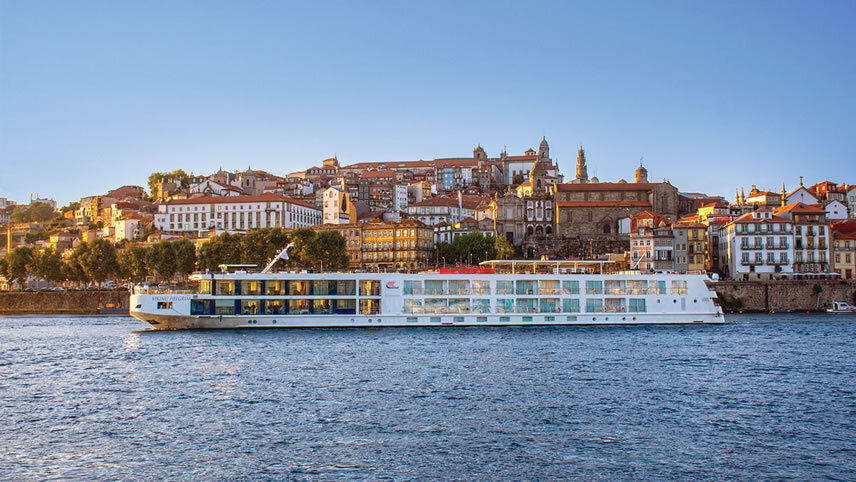
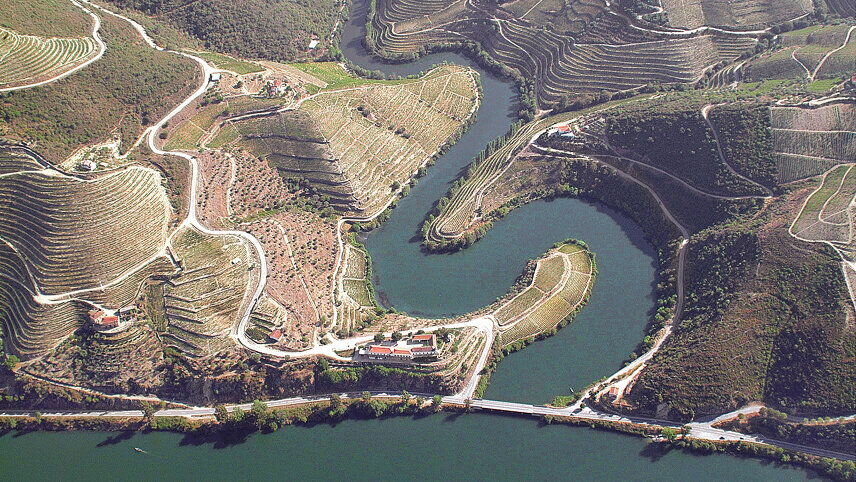


Journey through the breathtaking Douro River Valley, the world’s oldest demarcated wine region, where terraced vineyards read more and traditional wine estates dot the hillsides. Venture into Spain to discover the historic university city of Salamanca before returning to Porto. Savour Portugal’s renowned fortified wines, sample authentic regional cuisine and experience the soulful sounds of fado music.


Itinerary
Begin your adventure in Porto, the UNESCO-listed city where the River Douro meets the Atlantic and port wine was born. Around 6pm, say olá to your tour leader and fellow travellers, when we gather as a group for the first time to get to know each other and learn more about the adventures ahead. Your tour leader then ensures a big Portuguese welcome by arranging a group dinner. Want to explore Porto further? Secure pre-tour hotel nights through your sales representative. Upgrade to a river-view room today – speak to your sales representative for more details. .
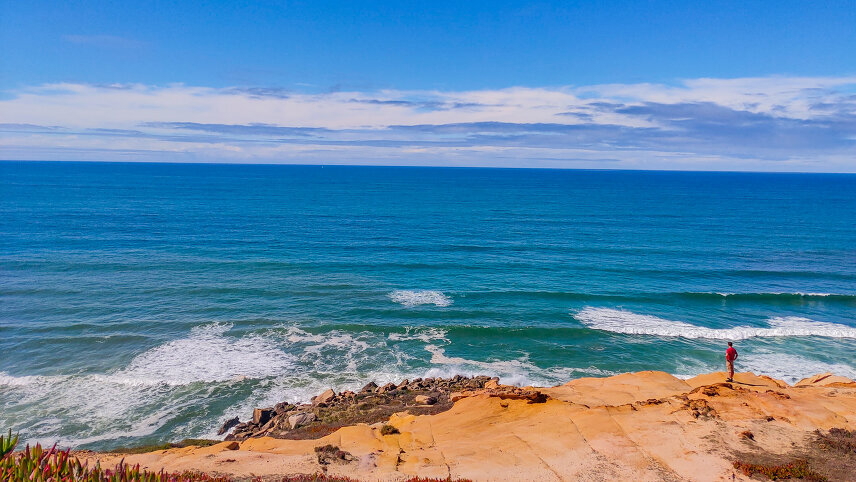
This morning, leave the city bustle behind and immerse ourselves in the more peaceful atmosphere of the Atlantic shore. Starting from Porto, we ride along the Douro River until its estuary. We then follow the coast, mostly on cycling paths, enjoying inspiring views of beautiful sandy beaches along the way. During this ride there will be opportunities to stop for drinks or snacks in traditional Portuguese cafes, right by the Atlantic Ocean.
After following a cycling path that crosses a pine tree forest, we reach lively Furadouro, a seaside town renowned for excellent fish. Enjoy free time for a swim (seasonal), before riding to historic Ovar. The pretty town is best-known for the glazed tiles known as azulejos, which adorn many of the local houses in the old part of the town. Route: After leaving Porto, mostly flat riding along cycle paths until Furadouro region, then short ride to Ovar with slight climb. Terrain: 80% paved cycle paths, 20% paved roads. .
Today's ride follows the Aveiro lagoon and the nature reserve of São Jacinto, one of Europe's last remaining untouched coastal marshland and habitat of numerous bird species. We pedal through a scenery of sandy beaches, marshland and rolling dunes peppered with grasses and creepers. This is home to a plethora of birds, insects, small animals and unusual flowers and plants.
After a short transfer by ferry, we leave the lagoon and continue cycling to the small town of Costa Nova, a picturesque village characterised by multi-coloured striped houses. Our ride ends in the seaside town of Mira, known for its long beach rated as one of the best in Portugal. Route: Flat day starting with cycling to São Jacinto, ferry crossing from São Jacinto to Aveiro. Slight climb for bridge crossing, continue flat to Mira. Terrain: 65% paved cycle paths, including 0. 6mi (1km) of dirt road, 35% paved roads.
Today's ride takes us through one of the biggest dune systems in the area covered in pine tree forest. The route is mainly flat or rolling and the roads are peaceful making the cycling very pleasant. There is a final short but relatively steep climb up the beautiful Serra da Boa Viagem before reaching the lively town of Figueira da Foz.
The rest of the day is free to explore the town of Figueira da Foz and its extensive beach nicknamed Rainha das Praias (Queen of Beaches). There are lots of lovely cafes and bars in which you can enjoy a pre-dinner drink, and some excellent restaurants. Route: Mostly flat ride along cycle paths and secondary roads to Quiaios, short, steep climb to Serra da Boa Viagem. Descent and flat ride to Figueira da Foz. Terrain: 55% paved cycle paths, including 2mi (3km) of dirt road, 45% paved roads. .
Today we enter the Portuguese Silver Coast and ride a cycleway that follows the Estrada Atlântica (Atlantic Road). We'll be riding mainly through pastoral land and the remains of vast pine forest, the Pinhal de Leiria (Leiria Pine Forest), which was originally planted in the 15th century to provide timber for the construction of the Portuguese shipbuilding industry during the Portuguese Discoveries. Unfortunately, vast areas of the forest were destroyed in 2017 by one of the fiercest forest fires in a century. Little more than 3,700 acres (1,500ha) remain from a total of 27,200 acres (11,000ha).
Although maritime pine is considered a fast-growing tree, it will take many more years for the forest to regenerate. We support the regeneration of the forests, working with local schools and communities to replant trees. On our exit from the forest, we take a coastal route in the afternoon to reach the picturesque town of São Pedro de Moel and enjoy time to relax at the beach or at the hotel with a sea view.
Route: Undulating ride on backroads to the Atlantic Road Cyclepath. Continue along the undulating route to São Pedro de Moel on the cycle path. Terrain: 70% paved cycle paths, 30% paved roads. Upgrade to a sea-view room today – speak to your sales representative for more details. .
Cycle to Nazaré this morning, one of the most famous fishing towns in Portugal. Here, fisherwomen still wear seven colourful layers of skirts, as well as wooden clogs and a traditional black headscarf. There is the opportunity to enjoy some spectacular ocean views from the popular panoramic terrace. It was in Nazaré's Praia Norte that the world record for the largest wave ever surfed was set, an estimated 86ft (26. 2m) high. From Nazaré we ride to Óbidos, a small fortified town resembling a medieval film set.
Here, we visit a tavern belonging to one of Óbidos's oldest producers of ginjinha (a sour cherry liqueur). Led by the owner, enjoy a guided tour of the courtyard and old wine cellars, ending with a ginjinha tasting. Route: Today is one of the more challenging rides with a total ascent of 2,126ft (648m). The pace will be slow and we have plenty of coffee and cake stops. It's an undulating ride to Sítio da Nazaré followed by a descent to Nazaré beach; after lunch, we have a series of short, steep climbs followed by similar descents before arriving at Óbidos. Terrain: 60% paved cycle paths, 30% paved roads. .
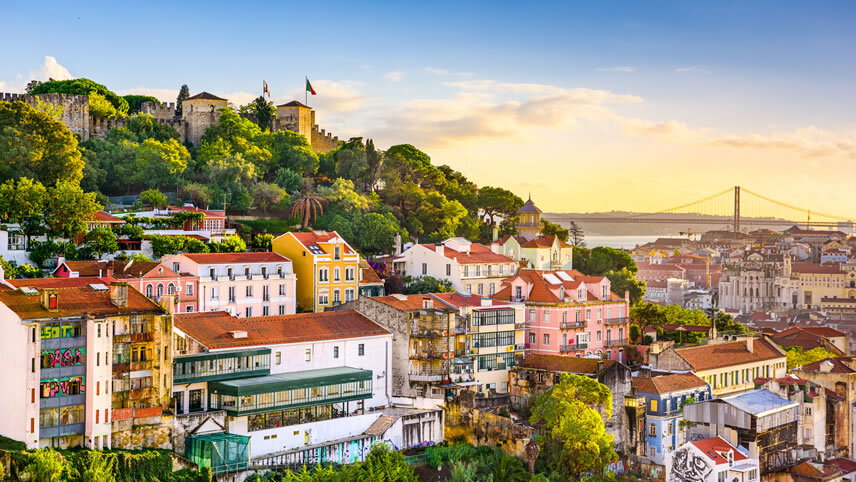
After a relaxing start to the day, we depart Óbidos mid-morning and transfer (approximately one hour) to the great capital city of Lisbon. Enjoy free time in the afternoon and later we have an orientation walk through the historic core, observing beautiful architecture. Why not find a location after dinner to sample the traditional Fado music made famous from Lisbon? .
Enjoy a final breakfast with your fellow cyclists this morning, reflecting on the wonderful experiences you've shared during your cycling adventure through Portugal.
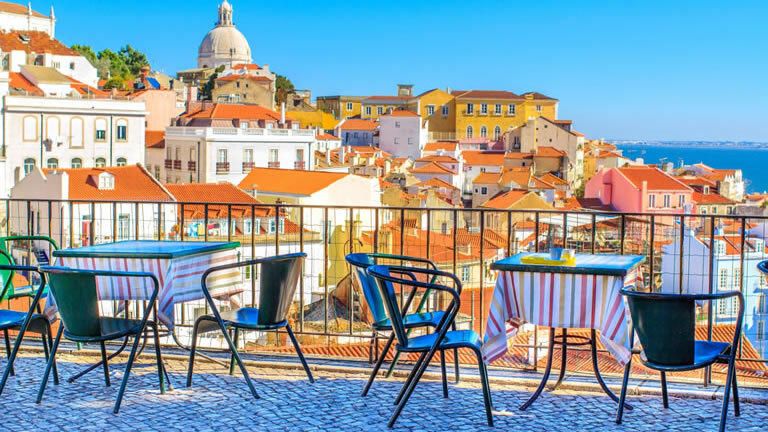
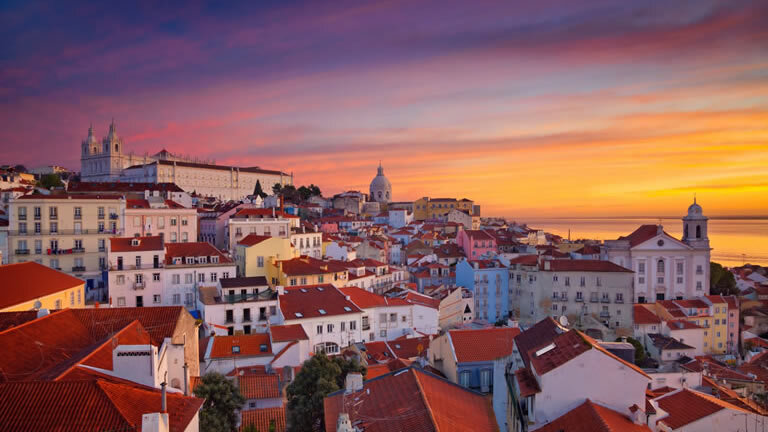
Set at the mouth of the Tagus River, Lisbon has inspired explorers for centuries. Perhaps spend some time wandering the cobbled streets of the historic Alfama district, savouring the local cuisine or admiring the city's magnificent Manueline architecture, including the iconic Jerónimos Monastery and Belém Tower.
This afternoon, make your own way to the port, where you'll embark on the next chapter of your holiday. Settle into your stateroom and enjoy another evening in the Portuguese capital
Throughout Lisbon, fascinating monuments tell this proud city's story. Along the riverfront, in Praça do Comércio, an equestrian statue at its center represents Portugal's King José I, who capably rebuilt the city following the devastating 1755 earthquake. Among the most recognized of Lisbon's monuments is the grand Monument to the Discoveries on the banks of the Tagus River, displaying statues of more than 30 contributors to exploration, whose bravery and spirit still shape the culture of this vibrant European capital.
Porto holds a place of great traditional importance. The town lends its name to the port wine produced in the region and throughout the nation. Located along a rocky embankment, the city boasts picturesque neighborhoods, fashionable restaurants and lively markets. Like Lisbon, Porto has a rich past; its historic center is a UNESCO World Heritage Site of narrow cobblestone streets brimming with romantic buildings spanning the centuries and a Romanesque cathedral. At the riverside, small barcos rabelos, boats once used to transport casks of wine, paint a charming scene.
The peaceful town of Peso da Régua, commonly known as Régua, overlooks the Douro River with the Serra do Marão mountains as a stunning backdrop. In 1756, the Marquês de Pombal proclaimed this city as the center of his newly demarcated wine region, and it has remained so since. As such, the town is steeped in the wine-making culture. This is particularly true at Casa do Douro, the headquarters of the Port Wine Institute. Its beautiful stained glass windows are a tribute in light and glass to the rich history of port wine and its cultural significance to the region.
The sleepy town of Pinhão is situated between the Douro and Pinhão Rivers, in the epicenter of the valley's port wine-making region. The climate and growing conditions here are perfect for port grapes and the surrounding landscape, festooned with vineyards, creates a serene experience. The biggest names in port have quintas, or wine estates, nearby. During the annual grape harvest in autumn, the village comes to life, attracting workers and wine enthusiasts from across the whole of Europe.
Journey through the Douro River valley into the history of fine Portuguese wine. Surrounded by terraced hills, spot some of the area's quintas, or wine estates, clinging to the slopes, nestled snugly among their vines. In this beautiful and largely unspoiled region, olive and almond groves share the river's banks with vineyards. And it is hard to ignore the fact that this journey follows in the wake of traditional barcos rabelos that once transported wine downriver to the waiting casks in Vila Nova de Gaia.
Barca d'Alva is the last Portuguese town on the Douro River; this quaint river port is just a few hundred yards from the Spanish border. Cherry, almond and olive groves line the nearby banks, pointing the way to this unassuming frontier village. Its quayside sparkles in the Iberian sun, and it is the ideal port from which to truly appreciate the beauty of the Douro Valley. In either direction, terraced vineyards climb riverbanks and steep hills spill into river gorges. Simple cafés provide an authentic ambience and a bridge across the river leads to a picturesque photo opportunity of the village.
Founded by a Celtic tribe before the rise of the Roman Empire, Salamanca was named a UNESCO World Heritage Site in 1988 due to its beautifully preserved buildings. It is home to one of Europe's oldest universities, founded in 1134, and its main square, bustling with students, is often called the most beautiful in Spain. The beauty of this richly historic city, besides the enormous Romanesque cathedral whose profile dominates the town, is the grace with which Salamanca retains a traditional Spanish village feel. It is a living museum that takes visitors back to the Middle Ages.
Pinhão is surrounded by picture-postcard terraced hillsides that are synonymous with the Douro River Valley. Its slow pace and quiet atmosphere belie the fact that it produces world-renowned port wines; some of the most recognizable names in port production operate wine estates near here. One of the “station towns” along the Douro River, Pinhão boasts a relaxing and scenic promenade along the river, perfect for strolling and drinking in the beauty of vineyard-clad hills. The village's railway station is decorated with 24 spectacular scenes depicted in azulejos, Portugal's distinctive blue-and-white tiles.
With its historic place as the western boundary of the demarcated wine region of Portugal, Régua boasts a rich wine-making heritage. Riverside manor houses are occupied by winegrowers; some have draped their terraces with giant lettering so they can be easily identified from the water by passing ships. The country's famous port was created when 16th-century British merchants added brandy to the local wine to prevent it from souring. Over the centuries, the process of maturing and blending has been perfected, resulting in appealing tawnies, rubies and other varieties.
In Portuguese cuisine, pork plays a central role, appearing in paio, a pork loin sausage, and chouriço, a spicy sausage often flavored with paprika or wine. These cured meats are nicely complemented by the smooth and creamy cheeses of the region. Among main dishes, the addictive pastéis de bacalhau (small cod cakes) are enjoyed hot or cold. And Portugal's famed soup, caldo verde, gets its deep green color from a variant of kale. At meal's end or just as a treat, the city's pastelarias are well worth a visit for anyone with a sweet tooth.
The magnificent 19th-century Luís I Bridge, designed by a disciple of Gustave Eiffel and opened in 1886, spans the Douro River to link Porto to Vila Nova de Gaia. Known locally as “Gaia,” the city is central to Porto's role as a major producer of port. Here, amid ceramic, glass and soap factories, cellars of 58 companies fortify the prized wine. Visiting Gaia offers insight into how Douro River valley wines are transformed into some of the most sought-after ports in the world, and provides panoramic views of Porto, as many of the cellars are located on the banks of the river.
Porto's prosperous future was sealed when the distinctive, single-masted barcos rabelos delivered the first wine shipments here from vineyards up the Douro River. Before the advent of the railroad, these wooden cargo boats provided the fastest and most efficient transport of wines between the Douro River valley's wineries and the city, from which bottles were exported all over the world. Today, the vessels are owned by port wine companies along the Douro. Though no longer in use, they still grace the river's edge nonetheless, enriching the city's character and cultural identity.
Bid farewell to your fellow guests and journey home. Or spend more time exploring, perhaps joining one of our extensions.
What is a connected trip?
Our Connected Trips seamlessly combine carefully selected land tours, river cruises and ocean cruises to create more complete and rewarding travel experiences. Whether it's exploring a destination by land and sea, combining a small group adventure with a relaxing cruise, or discovering more of a region through different styles of travel, the possibilities are endless.
Tour Inclusions (Days 1-8)
- Cycle past sandy beaches and fishing villages along Portugal's Atlantic coast
- Begin in historic Porto, where the Douro River meets the Atlantic Coast
- Ride a scenic trail through the untouched dunes of São Jacinto Natural Reserve
- Stay in white-washed Óbidos, one of Europe's best preserved medieval towns
- 1 Premium night (hotels), 5 Superior Comfort nights (hotels), 1 Comfort night (hotels)
- All breakfasts, one dinner, one ginjinha tasting
- Immersive itinerary with all transport and listed activities, including five days cycling with partial vehicle support (limited seats)
- Expert tour leader to enhance your adventure
- Local bike hire of a fully serviced Trek Dual Sports 3 (touring/hybrid) bike
- Five days cycling with partial vehicle support (limited seats)
- Itinerary and inclusions are subject to change
- Price is for land, cruise and internal flights as specified. Flights not specified are not included
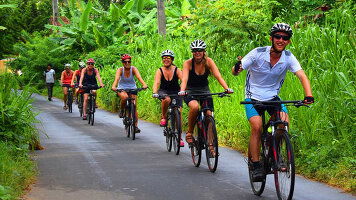
From gentle rides through the French countryside to challenging expeditions across Asia & more. Read more
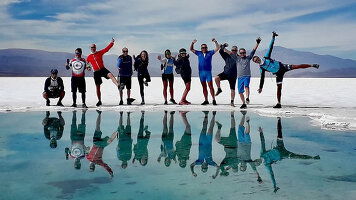
Exodus chooses their Leaders carefully. Professional, dedicated and are passionate about sharing their home countries. Read more
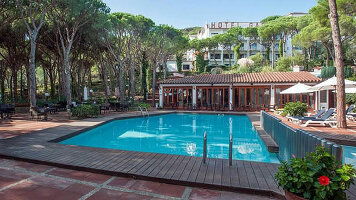
Wherever possible, Exodus chooses properties that are locally owned and that reflect the area you are visiting. Read more
Viking
Our state-of-the-art ships take you right into the heart of each destination, and you won’t find any kids or ‘nickel and diming’ on board. In fact, our fares include everything you need - from meals, beverages and Wi-Fi to a culturally enriching shore excursion at every port of call. This unique combination of features has become affectionately known as ‘the Viking difference’.
Viking has 70 award-winning river ships sailing all over the world, and we can’t wait to welcome you on board to discover the Viking difference for yourself.
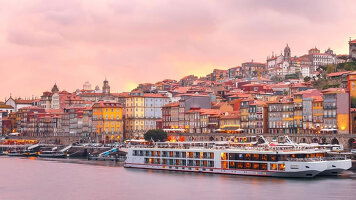
Viking's intimate ships were custom built to sail Portugal's Douro River. Read more
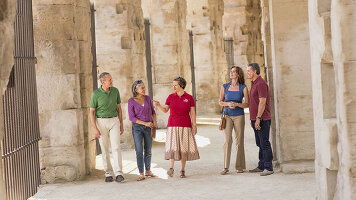
Every aspect of your Viking cruise is designed for the curious traveler seeking rich cultural immersion. Read more
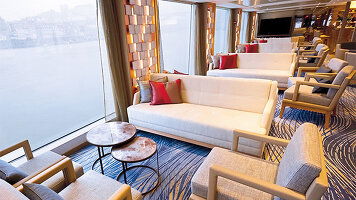
Elegant, light-filled ships thoughtfully designed to connect you to your destination. Read more
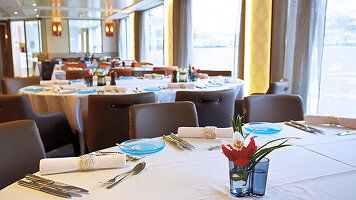
From relaxed, multi-course fine-dining to casual meals on the Aquavit Terrace. Read more
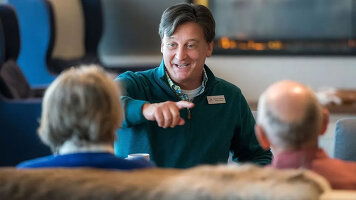
Viking proudly includes all that you need and nothing you do not and your river cruise fare. Read more
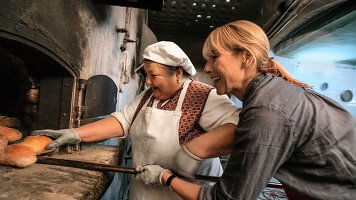
Viking offer behind-the-scenes insights and opportunities that set them apart from other travel companies. Read more

Dates & Pricing
Tour & cruises prices are per person. Prices shown have savings applied, are subject to availability and may be withdrawn at any time without notice. Pricing and trip details are correct at this point in time, however are subject to confirmation at the time of booking and are subject to change by Global Journeys. For cruise itineraries, cabin images are sourced from the cruise-line and should be treated as indicative only. Cabin inclusions, upholsteries and room layout may differ to the image(s) shown depending on the ship selected and your sailing dates.
More Connected Trips
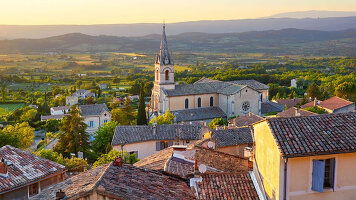

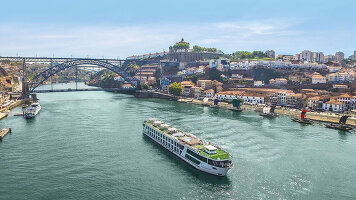
16 Days Porto Santiago de Compostela
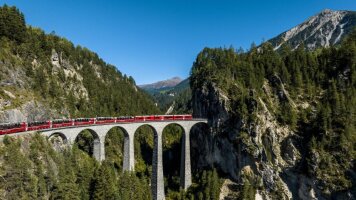
18 Days Geneva Amsterdam