Coastal Cruise of Japan & South Korea – Cherry Blossoms and Celebrated Gardens



Itinerary
Depart from the Osaka pre-tour hotel at 2.30 pm this afternoon and transfer directly to Kobe to embark our ship, the MS Island Sky, our home for the next 10 nights.
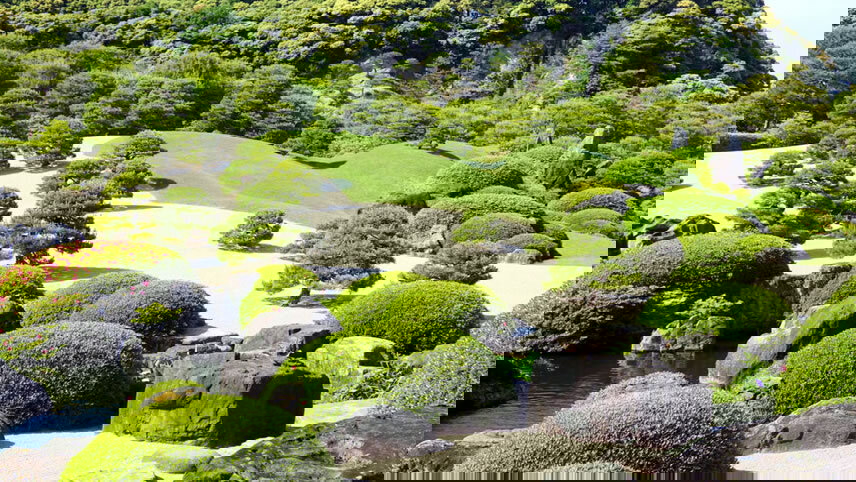
Having cruised westward along the shores of Japan's main island, we arrive in the city of Okayama. After breakfast, we visit Koraku-en Garden, one of Japan's most significant gardens, whose name means 'Garden of Pleasure After'. After lunch, continue to Kurashiki, where we explore the old merchant quarter and its fine 17th-century wooden warehouses. These elegant edifices, with facades painted white and traditional black tiled roofs, line a canal framed by weeping willows.
Our ship traverses the Seto Inland Sea, bringing us to the island of Shikoku, the smallest of the four main Japanese islands. Here we tour the stunning city of Takamatsu. Continue to Kinashi Bonsai Village before exploring Ritsurin Park, a 350-year-old garden famous for its spring colours, magnificent cherry blossoms, and Chrysanthemum Moon pavilion. Return to the ship for dinner this evening.
Arrive in Hiroshima and visit the compelling Peace Memorial Park. The park is dotted with memorials, including the cenotaph containing the names of all the known victims of the atomic bomb that was dropped on the city in 1945.
After lunch, continue to Miyajima. Considered one of Japan's top scenic wonders, Miyajima provides postcard-perfect vistas of its scarlet torii gate, which stands before the Itsukushima Shrine. We go ashore by Zodiac to explore the shrine, founded in the sixth century AD and dedicated to three goddesses. The shrine is a designated World Heritage site.
Situated along the saw-toothed coast of Uwajima Bay is the city of Uwajima. Today you will have the option of choosing between two activities. You may like to visit Tensha-en Garden, which was built during the Samurai era, and enjoy a special tea experience.
Perhaps visit Uwajima Castle instead. The castle's strategic position atop a hill in the middle of the town provided for its defence against the threat of an approaching enemy. From the castle, you are able to enjoy panoramic views of the city below.
Arrive on the shores of Shikoku's neighbouring island, Kyushu. Here we explore Nagasaki, the second Japanese city destroyed by an atomic bomb during World War II. Tour the Nagasaki Peace Park, Atomic Bomb Museum and Glover Garden, also known as Madame Butterfly House.
Continue to Dejima Island, built during the Edo Period to accommodate Portuguese Christian missionaries and prevent the propagation of their religion. It was also once the residential quarters of the Dutch, the only foreigners allowed to trade in Japan for 200 years during the period of isolation known as Sakoku. Japan's fear of outside influence kept the country secluded from the rest of the world during this time. It remained that way until, at the behest of US Navy Commodore Matthew Perry, Japan signed the 1854 Treaty of Kanagawa, which permitted American ships to dock in two of its ports.
This morning, arrive on South Korea's Jeju Island, an area full of natural wonders. While here, you can choose to take a full-day tour taking in Camellia Hill Botanical Gardens, renowned for its stunning collection of more than 500 camellia varieties and scenic walking paths. Visit the Spirited Garden, which is replete with hundreds of bonsai plants. The garden was created by a single farmer, upon what was previously a wasteland of rocks.
Alternatively, set off on a full-day visit to the Haenyeo Museum. Here you will learn about the legendary female free divers of Jeju. Then head to Sunrise Peak, a volcanic crater and one of Jeju's most iconic landmarks. Finally, follow winding boardwalks across the Saryeoni Forest Path, a tranquil and enchanting woodland that offers a refreshing escape into nature. The forest is known for its dense canopy of Japanese cedars and cypress trees.
Reaching the South Korean mainland, our ship docks in the city of Ulsan. While here, you have the option of heading out on a full-day tour, which takes in the Gyeongju National Museum, Bulguksa Temple and the sprawling Taehwagang National Garden, which features the Hoes-Oudolf Ulsan Garden, the first Piet Oudolf garden in Asia.
You may prefer to visit the Jagalchi Fish Market and the impressive Gwangan Grand Bridge .
Returning across the Korea Strait, we arrive back in Japan today. Visit the city of Matsue, known as the ‘City of Water'. Matsue is surrounded by the lakes Nakaumi and Shinji, as well as the Sea of Japan.
Choose to delve into Japan's modern art and culture at the highly regarded Adachi Museum of Art. The museum's adjoining garden is a masterpiece of modern design which has won many awards and accolades. This work of ‘natural art' has been designed not to be entered, however, but to be admired only from select vantage points.
Or perhaps visit Yuushien Garden, celebrated for its profusion of peonies. Carefully timed planting means that visitors can see the peonies here year-round, in dedicated indoor and outdoor displays.
This morning, we visit one of Japan's premier highlights, the famed Kenroku-en Garden, which is ranked as one of the country's top three gardens. Afterwards, walk across to Kanazawa Castle, originally built in the late 16th century as the stronghold of the Maeda clan. It served as a vital centre of political and military power, reflecting the architectural resilience and strategic importance of Japan's feudal era.
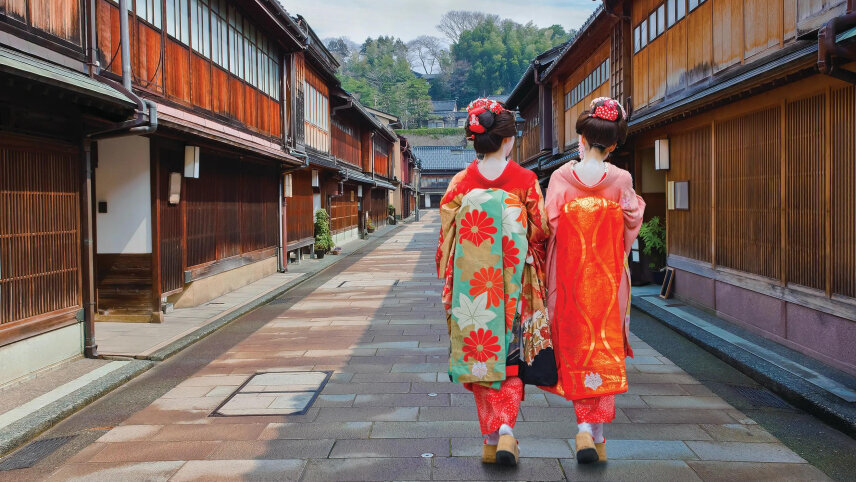
This afternoon, immerse yourself in Kanazawa's culture with a visit to the Higashi Chaya-gai Geisha District. The town retains its traditional housing and layout, which reaches back to the Samurai era. While in Kanazawa, keep a lookout for some of the handcrafted items the region is famous for, including the kimono and gold leaf. This evening, we enjoy a Farewell Dinner aboard our ship.
Disembark the ship this morning and travel by bullet train from Kanazawa to Tokyo. Visit Roppongi Hills Mori Tower for panoramic views of Tokyo before your tour concludes upon arrival at the Tokyo post-tour hotel at approximately 5.30 pm.
Trip Inclusions
- Cruise Aboard MS Island Sky: Enjoy a 10-night privately chartered small ship cruise from Osaka to Kanazawa. Reach the island of Miyajima aboard our ship's Zodiacs.
- Simon Rickard, Expert Botanical Guide: 'Join me on Botanica's cruise of Japan, during which we will glimpse some of horticulture's most beautiful scenes. In Japan, the cherry blossom is the harbinger of spring. Whether in the quiet fishing village of Uwajima; on the island of Miyajima; or within the country's revered Kenroku-en and Koraku-en gardens, it's heartwarming to see people soaking up the sight of cherry trees in full bloom'
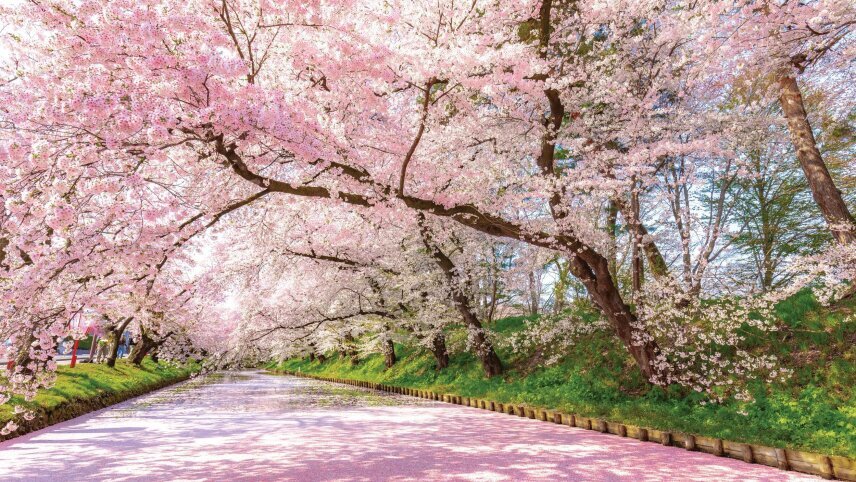
- Travel During Cherry Blossom Season: Our journey has been perfectly scheduled to coincide with the delightful blooms and cultural phenomenon of the cherry blossom season.
- Admire Japan's Strolling Gardens: See two of Japan's top gardens, Kenroku-en and Koraku-en, as well as the beautiful ponds and pavilions of Ritsurin Park.
- South Korea's Nature and Culture: Visit Jeju Island and embrace its natural beauty while learning about South Korean traditions, art and industry.
- Adachi Museum of Art: Admire the meticulous and award-winning garden design of Adachi Museum of Art.
- Kanazawa's Geisha District: Wander the traditional streets of this renowned region with roots in the Samurai era.
- Small Ship Cruising: If you've been thinking of embarking on a small ship coastal cruise and would like to learn more, we hope you find the following Frequently Asked Questions helpful.
- Expert Botanical Guides: Be escorted by three expert who will bring the gardens to life - Simon Rickard, Sophie Holloway and Steve Falcioni.
- From little things: Read about our Japan & South Korea Cruise in Traveller.
- Itinerary and inclusions are subject to change
- Fitness rating: Medium
- Private charter for up to 100 guests aboard the small ship MS Island Sky.
- Our experience of gardens, their flora, and other aspects of nature, is subject to weather conditions and seasonality, which may vary
With 25 years’ experience Botanica World Discoveries are the experts in garden travel, offering a wide range of small group tours and cruises hosted by expert Botanical Guides. Read more
Our team of expert garden advisors work together to find the best private and iconic gardens to visit around the world enhanced by our professional and knowledgeable Botanical Guides and Guest Lecturers. Read more

On a Botanica tour, you will stay in carefully selected hotels, dine on quality meals and enjoy hand-picked sightseeing inclusions. Read more
Dates & Pricing
APT Club Benefits
GJ Loyalty Discount
Cabin Layout Options:
Select Cabin Preference:
Tour & cruises prices are per person. Prices shown have savings applied, are subject to availability and may be withdrawn at any time without notice. Pricing and trip details are correct at this point in time, however are subject to confirmation at the time of booking and are subject to change by APT. For cruise itineraries, cabin images are sourced from the cruise-line and should be treated as indicative only. Cabin inclusions, upholsteries and room layout may differ to the image(s) shown depending on the ship selected and your sailing dates.
Similar Cruises