Overview

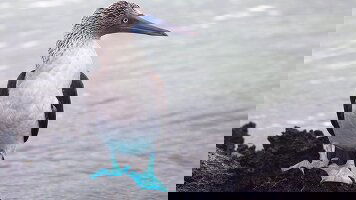
Set sail on an eight-day adventure through one of the most diverse, untouched and fascinating places on earth. The central eastern islands of the Galapagos play host to an unbelievable array of wildlife, both above and below the surface, which you’ll discover during incredible guided walks and snorkelling excursions. As you cruise, walk and snorkel, look out for giant Galapagos tortoises, blue-footed boobies, iguanas, sea lions, fur seals and sea turtles (to name just a few!). From the sandy beaches of Espumilla to the volcanic craters of Isla Santiago, the landscapes are as mesmerising as the read more wildlife. Hop aboard for an adventure that surprises at every turn.
Sold Out
There are currently no departures available on this trip. Either the season has ended and new dates will be released soon, or the itinerary has been updated and isn’t operating this season.


Trip Style
Comfort

Accommodation
Comfortable

Budget
Affordable

Age Range
18-99 Years

Max. Group Size
16

Pace
Moderate

Guide Style
Fully Guided

Tour Code
GMQP
Itinerary
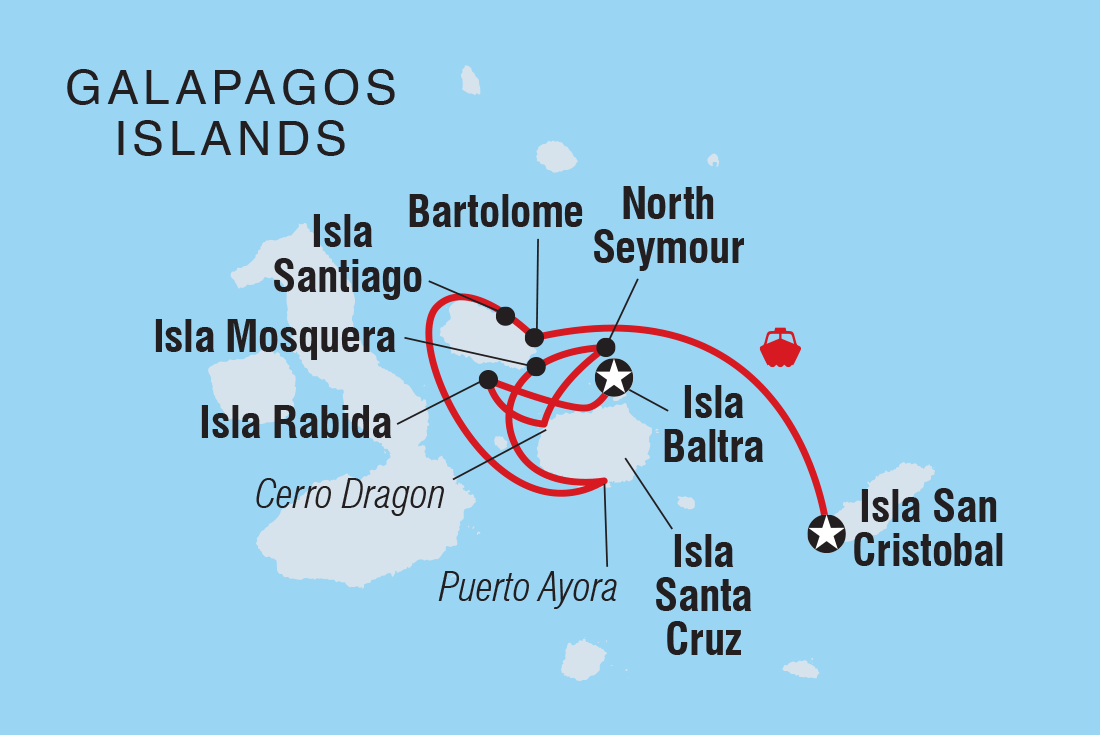
Welcome to San Cristobal in the Galapagos Islands! You will be met at 11 am in the arrival hall of the San Cristobal airport by the National Park Guide and transferred to your boat, the M/Y Grand Queen Beatriz – a first-class boat with all of the creature comforts you’ll need. Once on board, you'll meet your trip leader who will be collecting your insurance details and next of kin information, so please ensure you have all these details to provide to your leader.
This afternoon you will travel into the interior of Isla San Cristobal to visit the highlands site of ‘Galapaguera of Cerro Colorado’ (Red Hill) where the national park has established a breeding program and information centre for native tortoises. Here, you'll be able to see giant tortoises in their natural habitat and learn all about their origin, evolution and their threatened future.
This afternoon you will travel into the interior of Isla San Cristobal to visit the highlands site of ‘Galapaguera of Cerro Colorado’ (Red Hill) where the national park has established a breeding program and information centre for native tortoises. Here, you'll be able to see giant tortoises in their natural habitat and learn all about their origin, evolution and their threatened future.
Included Meals:
Lunch, Dinner
Having cruised overnight, arrive at Bartolome – one of the most spectacular volcanic landscapes in the Galapagos, full of parasitic cones, lava flows, and home to Galapagos penguins and lava lizards.
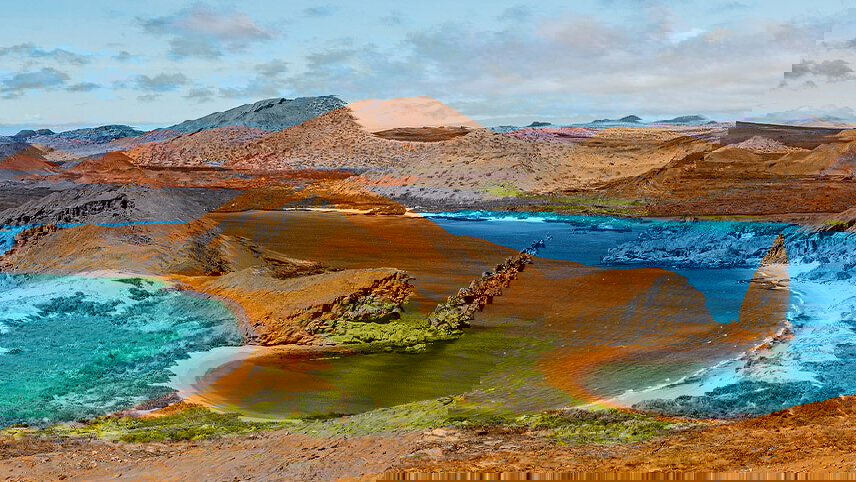
Bartolome is a relatively new island in the archipelago and traces of its volcanic past can be seen everywhere, as seen by the amazing lunar-like landscape. The Pinnacle Rock is one of the most photographed sites in the Galapagos – a rock structure protruding from the earth like a tooth, providing a focal point for two nearby bays.
Head to nearby Isla Santiago, where you can hike to the top of a once-active volcano (360 wooden steps) and enjoy superb views across to Sullivan Bay. If you’re in luck, you might catch a glance of the Galapagos Hawk. You also have the opportunity to go snorkelling with plenty of tropical fish, starfish, white-tipped reef sharks, rays and (hopefully) penguins.
On Santiago's eastern coast sits James Island. Here, take a walk on Pahoe-Hoe lava, from an eruption that occurred in 1897, and witness the regrowth of unique plant species since the last eruption. Look out for marine iguanas, Sally Lightfoot crabs, sea lions, finches, turtles, sharks and penguins. On a walk, your guide will explain the interesting geological history of the islands.
Bartolome is a relatively new island in the archipelago and traces of its volcanic past can be seen everywhere, as seen by the amazing lunar-like landscape. The Pinnacle Rock is one of the most photographed sites in the Galapagos – a rock structure protruding from the earth like a tooth, providing a focal point for two nearby bays.
Head to nearby Isla Santiago, where you can hike to the top of a once-active volcano (360 wooden steps) and enjoy superb views across to Sullivan Bay. If you’re in luck, you might catch a glance of the Galapagos Hawk. You also have the opportunity to go snorkelling with plenty of tropical fish, starfish, white-tipped reef sharks, rays and (hopefully) penguins.
On Santiago's eastern coast sits James Island. Here, take a walk on Pahoe-Hoe lava, from an eruption that occurred in 1897, and witness the regrowth of unique plant species since the last eruption. Look out for marine iguanas, Sally Lightfoot crabs, sea lions, finches, turtles, sharks and penguins. On a walk, your guide will explain the interesting geological history of the islands.
Included Meals:
Breakfast, Lunch, Dinner
Start the morning at Espumilla Beach, on the northern coast of Santiago in James Bay – one of the most idyllic locations in the Galapagos. With large waves, it is often a favourite among travellers who are beach lovers, and is also an important nesting site for marine turtles.
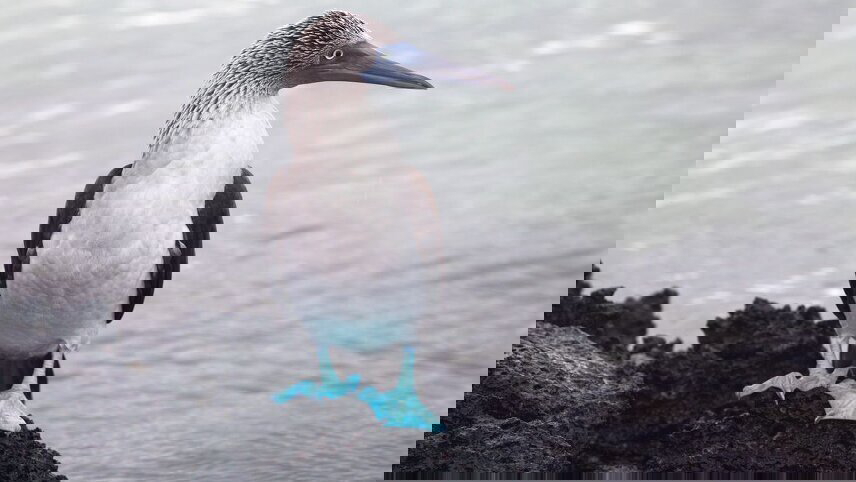
Look around and see Galapagos hawks, ghost crabs, blue-footed boobies (often plunging for fish) and brown pelicans up close. Espumilla is also well known for its forest of palo santo trees and some extraordinary lava formations.
You will also visit Caleta Bucanero (Buccaneer Cove), a natural monument of rocks caused by sea erosion. This cove was used by pirates to careen their ships. It is a place of local legends and stories, including where Charles Darwin camped for nine days while making his study of the islands and their wildlife. If conditions are favourable, you can enjoy some further snorkelling.
The next stop is Puerto Egas, a black sand beach located on the west side of James Bay and northwest of Santiago. South of the beach is Sugarloaf Volcano, which has deposits of volcanic tuff. This site is named Puerto Egas, after Hector Egas who last attempted to mine salt here. On the walk along the beach, you’ll encounter hundreds of marine iguanas and Galapagos sea lions. You will also see amazing tidal pools formed from ancient lava flow and home to sponges, snails, hermit crabs, barnacles and fish. Snorkelling with the seals always offers the possibility of thrilling encounters.
Look around and see Galapagos hawks, ghost crabs, blue-footed boobies (often plunging for fish) and brown pelicans up close. Espumilla is also well known for its forest of palo santo trees and some extraordinary lava formations.
You will also visit Caleta Bucanero (Buccaneer Cove), a natural monument of rocks caused by sea erosion. This cove was used by pirates to careen their ships. It is a place of local legends and stories, including where Charles Darwin camped for nine days while making his study of the islands and their wildlife. If conditions are favourable, you can enjoy some further snorkelling.
The next stop is Puerto Egas, a black sand beach located on the west side of James Bay and northwest of Santiago. South of the beach is Sugarloaf Volcano, which has deposits of volcanic tuff. This site is named Puerto Egas, after Hector Egas who last attempted to mine salt here. On the walk along the beach, you’ll encounter hundreds of marine iguanas and Galapagos sea lions. You will also see amazing tidal pools formed from ancient lava flow and home to sponges, snails, hermit crabs, barnacles and fish. Snorkelling with the seals always offers the possibility of thrilling encounters.
Included Meals:
Breakfast, Lunch, Dinner
Today you will visit Isla Santa Cruz, the second largest island in the Galapagos. The small town of Puerto Ayora is the economic centre of the archipelago, and home to the Charles Darwin Research Station. As well as undertaking vital conservation work, the station also makes for interesting exploration and offers the best opportunities for close encounters with giant tortoises. You will also see baby tortoises and land iguanas.
After, head up into the highlands for a total change of scenery. Beginning at the coast you'll travel across Santa Cruz through the agricultural region and into the misty forests. This is a lush humid zone containing miconia bushes, scalesia and inactive volcanic cones. Santa Cruz has more endemic plants than any of the other islands. Plus, you are likely to see Galapagos giant tortoises in their natural habitat, and perhaps even the bright red feathers of a vermillion flycatcher!
After, head up into the highlands for a total change of scenery. Beginning at the coast you'll travel across Santa Cruz through the agricultural region and into the misty forests. This is a lush humid zone containing miconia bushes, scalesia and inactive volcanic cones. Santa Cruz has more endemic plants than any of the other islands. Plus, you are likely to see Galapagos giant tortoises in their natural habitat, and perhaps even the bright red feathers of a vermillion flycatcher!
Included Meals:
Breakfast, Lunch, Dinner
Take a morning excursion to North Seymour, which is one of the most visited islands in the Galapagos. The trail on North Seymour crosses inland through the island and then explores the rocky coast. Along the way, the trail passes colonies of blue footed boobies and frigate birds.
The magnificent frigate bird, a large black bird with a long wingspan and a hooked beak, is extremely fast and has excellent vision. Frigate birds are known for the large red pouch on their necks. During mating season, the males throw back their heads, inflate the pouch (sometimes to the size of a soccer ball), and shake – trying to capture the attention of female frigates. Boobies and frigates have an interesting relationship. Sharing the same nesting area on North Seymour, blue-footed boobies nest on the ground making their nests from the twigs of the palo santos trees, while the frigate birds nest just above them in the saltbushes.
Your walk is followed by snorkelling where you will discover a colourful variety of fish and, possibly, some white-tipped reef sharks, rays and sea lions. After lunch, visit the small sandy island of Mosquera, a relaxing stop situated between Baltra and North Seymour. Along the rocks and in the tide pool, Sally Lightfoot crabs (red lava crabs) scamper back and forth, skipping across small pools of water in search of food. These crabs with their bright red shell tops and blue under shells are stunning against the black lava. The island also has a very large colony of sea lions as well as a sizeable resident brown pelican population. Depending on the tides and visibility, you may have a chance to go snorkelling here.
The magnificent frigate bird, a large black bird with a long wingspan and a hooked beak, is extremely fast and has excellent vision. Frigate birds are known for the large red pouch on their necks. During mating season, the males throw back their heads, inflate the pouch (sometimes to the size of a soccer ball), and shake – trying to capture the attention of female frigates. Boobies and frigates have an interesting relationship. Sharing the same nesting area on North Seymour, blue-footed boobies nest on the ground making their nests from the twigs of the palo santos trees, while the frigate birds nest just above them in the saltbushes.
Your walk is followed by snorkelling where you will discover a colourful variety of fish and, possibly, some white-tipped reef sharks, rays and sea lions. After lunch, visit the small sandy island of Mosquera, a relaxing stop situated between Baltra and North Seymour. Along the rocks and in the tide pool, Sally Lightfoot crabs (red lava crabs) scamper back and forth, skipping across small pools of water in search of food. These crabs with their bright red shell tops and blue under shells are stunning against the black lava. The island also has a very large colony of sea lions as well as a sizeable resident brown pelican population. Depending on the tides and visibility, you may have a chance to go snorkelling here.
Included Meals:
Breakfast, Lunch, Dinner
Today you will take a panga (Zodiac boat) to Caleta Tortuga Negra (Black Turtle Cove) – a red mangrove wetland on the north shore of Isla Santa Cruz. Paddle among the cove’s peaceful waters, for your first taste of the underwater riches of this region – it’s a wonderful place to see green turtle and is a nursery for golden cow-nose rays, eagle rays and Galapagos sharks. There is also abundant birdlife, such as the yellow warblers and lava herons. This is also a breeding area for turtles, so it is not uncommon to see them mating.
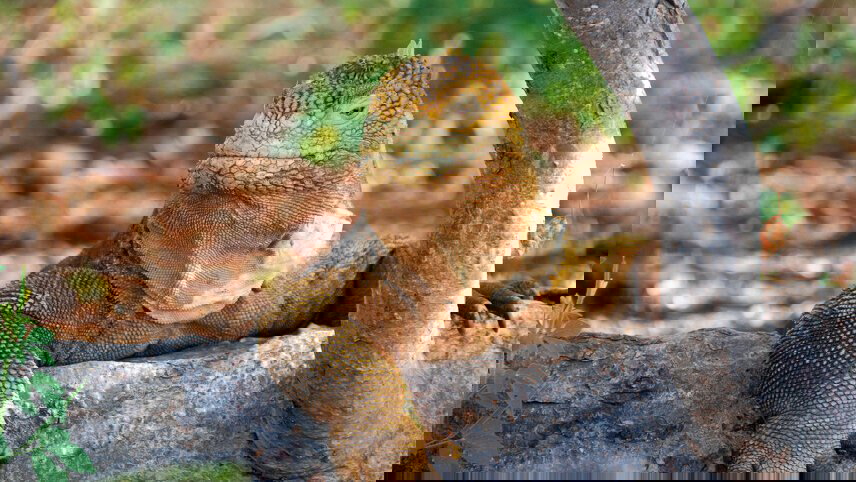
In the afternoon, cruise over for a walk on Cerro Dragón (Dragon Hill) this afternoon – one of the best places to see land iguanas in the islands. From our dry landing we walk to a brackish lagoon frequented by lagoon birds including stilts, pintail ducks, sandpipers, sanderlings and occasionally flamingos. Further inland, the trail offers a beautiful view of the bay and the western area of the archipelago. This area is a nesting site for land iguanas, which is constantly monitored and assisted by the Charles Darwin Research Station. The arid-zone vegetation makes for an ideal location for birdwatching with Darwin's finches, Galapagos mockingbirds, the endemic Galapagos flycatcher and yellow warblers all regulars here. The path can be challenging but it will be worth it with a spectacular view of the bay!
In the afternoon, cruise over for a walk on Cerro Dragón (Dragon Hill) this afternoon – one of the best places to see land iguanas in the islands. From our dry landing we walk to a brackish lagoon frequented by lagoon birds including stilts, pintail ducks, sandpipers, sanderlings and occasionally flamingos. Further inland, the trail offers a beautiful view of the bay and the western area of the archipelago. This area is a nesting site for land iguanas, which is constantly monitored and assisted by the Charles Darwin Research Station. The arid-zone vegetation makes for an ideal location for birdwatching with Darwin's finches, Galapagos mockingbirds, the endemic Galapagos flycatcher and yellow warblers all regulars here. The path can be challenging but it will be worth it with a spectacular view of the bay!
Included Meals:
Breakfast, Lunch, Dinner
Sombrero Chino is a small islet located near the south-east coast of Santiago. It's shaped like a Chinese hat (Sombrero Chino) when seen from afar, and is geologically fascinating, with many lava tubes leading from the cone to the coast. Approach Sombrero Chino via a beautiful crescent-shaped, sandy beach that is home to sea lions and Sally Lightfoot crabs. Keep a look out for Galapagos penguins on the rocky shoreline of nearby Santiago, opposite Sombrero Chino. Follow a trail that circles the cove and passes through colonies of sea lions marine iguanas. The cove also offers some great snorkelling opportunities, hopefully with sightings of some penguins and sharks.
On to Isla Rabida, also known as Jervis Island, which is a tiny island sitting roughly five kilometres south of Santiago, having one of the most striking of the archipelago. Introduced species were eradicated in 1971, meaning that the native wildlife has now been returned to a state of isolation. Additionally, volcanic activity here has produced a vivid spectrum of colours, not least the red sand beaches and scarlet cliffs.
From the shore, the trail leads through to what is one of the finest lagoons in the Galapagos for viewing flamingos. Rabida is also a wonderful place to spot nesting pelicans. Elsewhere, spot pintail ducks, marine iguanas and sea lions. There is an opportunity for snorkelling in a cove full of sea stars, damsels, gobies and surgeon fish.
On to Isla Rabida, also known as Jervis Island, which is a tiny island sitting roughly five kilometres south of Santiago, having one of the most striking of the archipelago. Introduced species were eradicated in 1971, meaning that the native wildlife has now been returned to a state of isolation. Additionally, volcanic activity here has produced a vivid spectrum of colours, not least the red sand beaches and scarlet cliffs.
From the shore, the trail leads through to what is one of the finest lagoons in the Galapagos for viewing flamingos. Rabida is also a wonderful place to spot nesting pelicans. Elsewhere, spot pintail ducks, marine iguanas and sea lions. There is an opportunity for snorkelling in a cove full of sea stars, damsels, gobies and surgeon fish.
Included Meals:
Breakfast, Lunch, Dinner
Today you'll take an early morning excursion to Las Bachas, which was so named after the barges abandoned by the American Navy here in the 1940s. The sand beaches of Las Bachas on the north shore of Santa Cruz Island are a nesting site for the Pacific green turtle, and marine iguanas are also commonly seen. The sand here is particularly white and soft, as it is made of decomposed coral. The rocks provide great snorkelling and are the perfect habitat for the Sally Lightfoot crabs, which are plentiful on the island. A saltwater lagoon near the beach is home to flamingo, whimbrel and great blue herons. This is your final excursion before you return to the airport in Baltra, where your Galapagos adventure will come to an end.
Included Meals:
Breakfast
Operator
Intrepid Travel has been taking travellers off the beaten track to discover the world's most amazing places for 30 years. Every trip is designed to truly experience local culture - to meet local people, try local food, take local transport and stay in local accommodation. Led by a local leader, our small group tours offer more a sustainable way to travel off the beaten track, while giving back to the places and people that travellers visit.

Prices & Dates
There are currently no departures available on this trip. Either it's the end of the season and new departures will be released shortly, or this itinerary has been changed and is not operating this season. Feel free to contact us for information about when next seasons dates will be released or click here to view general release dates for all destinations.
Note
Tour & cruises prices are per person. Prices shown have savings applied, are subject to availability and may be withdrawn at any time without notice. Pricing and trip details are correct at this point in time, however are subject to confirmation at the time of booking and are subject to change by Intrepid. For cruise itineraries, cabin images are sourced from the cruise-line and should be treated as indicative only. Cabin inclusions, upholsteries and room layout may differ to the image(s) shown depending on the ship selected and your sailing dates.
Tour & cruises prices are per person. Prices shown have savings applied, are subject to availability and may be withdrawn at any time without notice. Pricing and trip details are correct at this point in time, however are subject to confirmation at the time of booking and are subject to change by Intrepid. For cruise itineraries, cabin images are sourced from the cruise-line and should be treated as indicative only. Cabin inclusions, upholsteries and room layout may differ to the image(s) shown depending on the ship selected and your sailing dates.
Similar Tours