Journeys: Explore India & Nepal



Itinerary
Arrive at any time; your arrival transfer is included through Women With Wheels, a G Adventures–supported project. There are no planned activities until an evening welcome meeting, so check into to the hotel and enjoy the city. We highly recommend booking a pre-night in Delhi to get over your jetlag and be ready for this very busy trip.
- Women With Wheels: Transfer by a G Adventures-supported project, Women With Wheels. This program provides safe and reliable transport for travellers, while providing a dignified livelihood for local women who once lacked financial opportunities.
- Welcome Moment - Meet Your Expedition Leader and Group: Your opportunity to meet your National Geographic Expedition Leader and fellow travellers, and learn more about your tour. Opt to join the group for a local meal afterwards. Don't forget to see the notice in the lobby (or ask reception) for the official time and place to meet up with the group.
Set out to discover Delhi, the capital of India, which consists of two cities: historic Delhi and New Delhi, built by the British in the early 20th century. Explore New Delhi’s lively Paharganj district with a youth guide from the G Adventures–supported City Walk project, and hear about how the program provides opportunities to disadvantaged street youth. Then delve into the narrow, winding lanes of Old Delhi, visiting the 17th-century Jama Masjid—the largest mosque in India—and the Sikh temple Gurdwara Sis Ganj Sahib, located close to a busy shopping area. Drive to Agra this afternoon.
- Delhi City Walk: Explore the streets of Delhi with a youth-led tour guide from the G Adventures-supported City Walk project. As a former at-risk youth, your local guide will have a unique perspective on the city and can provide more information on the life of a child in India. The guided tour helps support the guide's college or university tuition.
- Old Delhi Guided Walk: Visit historic Old Delhi. Explore Jama Masjid, the "Great Mosque," and enjoy its massive courtyard, which can hold up to 25,000 worshippers. Also, visit the ancient Sikh temple of Gurdwara SisGanj, which was established in 1783.


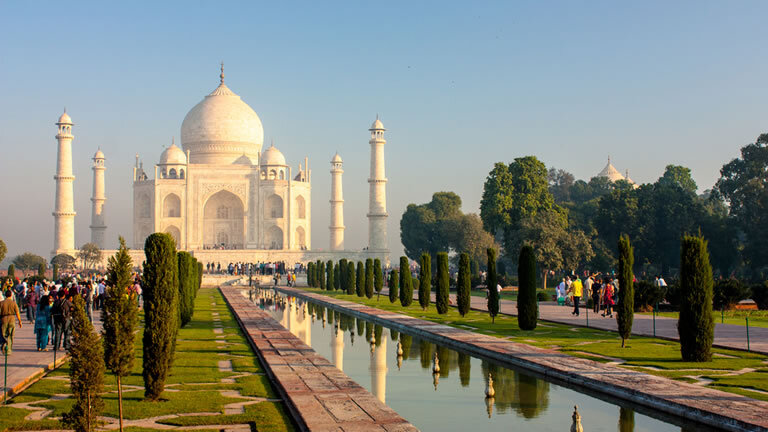
Spend the day in historic Agra, which served as the capital of the Delhi sultanate and later of the Mughal Empire. Discover the Taj Mahal, one of the New Seven Wonders of the World; widely considered the finest example of Mughal architecture, this breathtaking mausoleum was built by the emperor Shah Jahan for his favourite wife, Mumtaz Mahal. Afterward, visit the exquisite tomb of Mumtaz Mahal’s grandfather, often referred to as the “baby Taj,” and explore Agra Fort, an impressive red sandstone citadel which conceals palaces of white marble within.
- Taj Mahal Visit: Cross one off your bucket list as you visit one of the Seven Wonders of the World. Explore the gorgeous white marble mausoleum, built by the Mughal Emperor Shah Jahan as a testament of his love for his favorite wife, Mumtaz Mahal.
- Baby Taj Visit: Visit this mausoleum that looks like a jewel box, built before the Taj Mahal by Queen Nur Jahan for her father. Enjoy the intricate details of the structure; it was the first Mughal building faced with white marble and where "pietra dura" (precious stones inlaid into marble) was first used.
- Agra Fort Visit: Enjoy a visit to this impressive Mughal fort made of red sandstone and white marble.


Travel to Jaipur, the capital of the state of Rajasthan. On the way, stop at the magnificent Mughal city of Fatehpur Sikri, a masterpiece of red sandstone, and hear about its fascinating history. The emperor Akbar built a short-lived capital here in the 16th century to honour a Muslim saint from the village of Sikri who had predicted the birth of his son, Jehangir. Then visit the Rajasthani village of Abhaneri for a walk around the Chand Baori—an ornately decorated stepwell or water tank constructed over a thousand years ago—learning about ancient Indian methods of water conservation. Before arriving to your hotel, visit the Anoothi Project, a collective of women from a marginalised community outside Jaipur who have mastered the traditionally-male technique of block printing. Travelers will engage in a hands-on block printing experience and spend time with the women leading this experience to speak with them about the purpose of the collective and its impact on the community.
- Fatehpur Sikri Visit: Explore the magnificent red sandstone fort city that was once the capital of India's Mughal Empire and is a UNESCO World Heritage site. Keep an eye out for elements of different religions, as King Akbar built three palaces for each of his favourite wives—a Hindu, a Muslim, and a Christian—in the city.
- Abhaneri Stepwell Visit: Walk around the amazing Chand Baori, a tenth century water tank that's an impressive 30m (100 ft) deep. Learn about ancient Indian environmentalism—a "baori" is a unique Indian invention for harvesting rainwater.

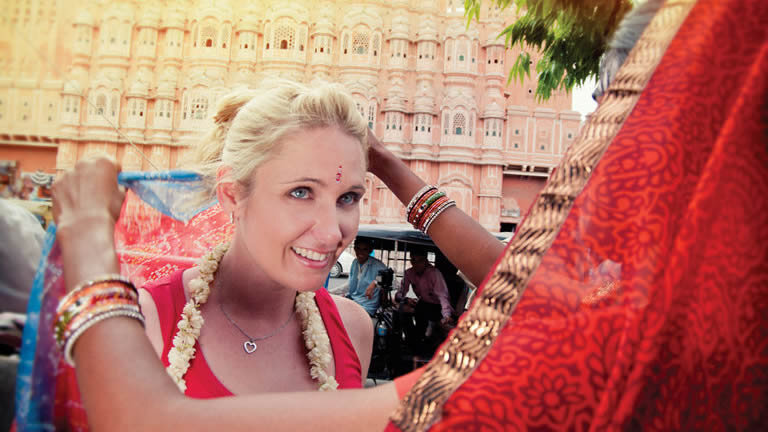
Explore Jaipur, known as the “Pink City” for its rose-coloured buildings. Take a tour of the sprawling Amber Fort, the former residence of Jaipur’s Rajput rulers; and visit Hawa Mahal, or the Palace of Winds, a stunning five-story sandstone building with distinctive honeycombed windows. The next stop in Jaipur today is at Anoothi. Here, you’ll discover the artistry of traditional block printing while supporting a meaningful local women’s initiative. Tonight, consider going to the cinema to watch a Bollywood movie—a truly unique experience. Going to see a Bollywood film in India is much more than what we are accustomed to in the west. The atmosphere, energy, and pure fun (not to mention volume!) has to be experienced to be believed.
- Amber Fort Visit: Take in the Hindu and Muslim architecture of the beautiful Amber Fort. Wander through the halls and courtyards and admire the intricate details.
- City Palace Visit: Explore the courtyards, gardens, and buildings that make up the City Palace. Located in the heart of the Old City, it is a striking blend of Mughal and Rajasthani architecture. Visit the palace's museum to look at ancient carriages and the former maharaja's gold-embroidered wedding outfit.
- Anoothi Block Printing Experience: Women from marginalised communities outside Jaipur came together to create the Anoothi Project. In Hindi, Anoothi means 'unique and extraordinary' and by teaching these women to master the traditionally male handicraft of block printing, the collective shines a light on the unique and extraordinary within each individual. At this G for Good visit, engage in a hands-on block printing activity with the local women as you indulge in some local snacks prepared by your hosts.
- Jaipur Cooking Class with A Local Family: Join a local family in Jaipur as they welcome you into their home and share their recipes and best-loved dishes with you. Get hands-on with the ingredients and learn how to prepare Pakoda (Pakora), vegetable dishes and Indian breads such as chapatis and puris. Once the hard work is done, get to know your hosts over lunch. Savor the flavours of your creations with the additions of other vegtable dishes, daal and raita, and finish the meal with a sweet treat.
- Movie at Raj Mandir: Visit this spectacular cinema and watch a song-and-dance Bollywood film. (200-400 INR per person)


Start your day with a local historian and sociology scholar, diving into India’s intricate social fabric—from its ancient belief systems to its iconic architecture. Afterward, travel into rural Rajasthan and join your Expedition Leader to explore Alsisar, a village famed for its stunning heritage havelis (mansions). The evening concludes with dinner at our own haveli accommodations.
- Beyond the Pink City: In Jaipur, known as the “Pink City,” meet with a local historian and sociology scholar to learn about India’s complex social fabric and traditions, and discuss a range of topics from the country’s belief systems to its architecture.
- Local Village Immersion: Step back in time and explore the traditional village of Alsisar to get a glimpse of life in rural India. Topics of discussion along the way can include how urbanization affect village life, information technology, and modernization in its benefits and disadvantages, as well as simple village customs and traditions.
Drive back to bustling Delhi. After checking into the hotel, enjoy the rest of the day free to explore the city. This evening, opt to join the group for a farewell dinner.
Transfer to the airport and catch a flight to Kathmandu, the capital of Nepal. After our welcome meeting, experience a sound bath wellness demonstration and enjoy a six-course dinner featuring organic Nepali cuisine.
- Plane: Look! Up in the sky! It's a bird! It's a plane! It's... yup, it is a plane, actually.
- Nepalese Welcome Experience at Avata Wellness: Enjoy an immersive and meditative full body and mind wellness experience during a sound bath demonstration at Avata Wellness in Kathmandu. Since ancient times, people have been using sound to heal and wash away mental distress. It may even help with the jet lag from a long flight to Nepal so you can begin your adventure feeling refreshed. Brass singing bowls will be used during the session to create a comforting and meditative atmosphere. Afterwards, a six-course vegetarian meal will be served at Nourish by Avata. All dishes are prepared using traditional Nepali herbs and spices, a perfect blend of delicacies that will introduce you to the many different flavours of Nepal.
- Welcome Meeting for Travellers on Combos: You may be a seasoned pro at group travel by now, but there will likely be some new travellers joining the group. Sit in on the welcome meeting to meet the newest members of your group and learn about the next leg of your tour.
Spend the day exploring Kathmandu, the colourful capital of this Himalayan nation. Pay a visit to Bodhnath Stupa, the holiest Tibetan Buddhist shrine outside of Tibet, and explore the wood-carved temples, pagodas, and palaces of Bhaktapur, Nepal’s medieval capital.
- Bodhnath Stupa Visit: Enjoy a visit to the Bodhnath Stupa, one of the largest Buddhist stupas in the world. Built in the 5th century, this UNESCO World Heritage site still attracts many pilgrims, particularly Tibetan Buddhists and local Nepalis. Take in the peaceful atmosphere and observe Buddhist monks in prayer in the monasteries surrounding the stupa.
- Bhaktapur Excursion: Visit this unique old town known as the City of Devotees. Explore Hindu temples, pagodas, palaces, and monuments, including the beautiful wood-carved palace in Durbar Square. You can pick up clay pots and other souvenirs in the colourful open markets and taste home made yogurt, known as khopa dhau, which Bhaktapur is famous for.
- Everest Flight: Get a close look at awesome Mt Everest, the highest mountain in the world, without having to do any climbing; this one-hour plane tour will give you an unforgettable experience. At times, the weather may cover Everest, but the surrounding view is still worth the ride!


Venture to the ancient hilltop temple of Swayambhunath, decorated with vibrant prayer flags and home to troops of rhesus monkeys. Later, we’ll hear about National Geographic Grantee Chhing Lhomi’s efforts to preserve the weaving traditions of the Upper Mustang region through her work with the Himalayan Indigenous Society, a Kathmandu-based nonprofit. Then depart for nearby Pharping, known for its Buddhist pilgrimage sites, and settle into a tranquil monastery guesthouse for the night. Get an insider’s view of monastery life, and enjoy a chanting and prayer service; or opt to take a walk in the monastery’s peaceful grounds. Enjoy a cooking demonstration at local community restaurant and learn how to make Nepalese momos (dumplings). Afterwards, taste your delicious creations. Experience the serenity of a Tibetan Buddhist monastery. The monastery guest house offers comfortable accommodations in a peaceful setting with balconies and private western-style bathrooms. There are approximately 200 monks in residence following the Nyingmapa tradition. This is a new monastery (2006), and income from the guest house directly supports it.
Please note that on select departures, the itinerary may be re-ordered to have the Monastery visit at the end of the itinerary.
- Swayambhunath Temple Visit: Visit Swayambhunath Buddhist temple and Unesco World Heritage Site, the most ancient and enigmatic of all the holy shrines in Kathmandu. Explore the structure and be sure to check out the Buddha's eyes painted on each side of the Stupa. The site is also known as the monkey temple, for the vast amount of creatures who call the complex home.
- Stories from the Himalayas: In Kathmandu, National Geographic grantee Chhing Lhomi works to preserve the ancient traditions of the Lowa community of the Upper Mustang region. We'll take the unique opportunity to visit a local home of a family from this region and enjoy a lecture from Chhing or one of her colleagues on traditional weaving methods, and hear about ongoing efforts with the Himalyan Indigenous Society.
- Overnight at a Buddhist Monastery: Experience the serenity of a Buddhist monastery. The monastery guest house offers comfortable accommodations in a peaceful setting with balconies and private western-style bathrooms. Opt to participate in the life of the monks: take tea alongside them and enjoy the early morning chanting before experiencing the sunrise from the roof of this stunning monastery. There are approximately 200 young monks in residence, training in the Nyingmapa tradition. This is a new monastery (2006), and income from the guesthouse directly supports it.
- Nepalese Dumplings Cooking Demonstration: Enjoy a cooking demonstration at a local establishment and learn how to make momos (traditional dumplings). Afterwards, taste the delicious dishes made during a Nepali lunch.
Rise at dawn to listen to the monks’ morning chanting, and witness a stunning sunrise. Then drive to the small riverside village of Kurintar and hike to our lodge, nestled on a forested hill overlooking the Trishuli River. Opt to relax by the pool or take a guided walk through the surrounding countryside, stopping at local villages. Arrive at our remote lodge, which sits on a ridge amidst the hills overlooking sandy beaches and a river. Forests cascade down the hillsides, enclosing tiny settlements of tribal people.
The lodge is only accessed by foot, so please expect a walk of approx. 30 to 45 minutes. Porters will be hired to carry our bags but please pack what you need for the night, as we will leave our larger bags in the vehicle.
- Neydo Monastery Sunrise Chant: Rise before sunrise and enter the main hall of the Monastery to listen to the monks practicing their chanting. After, we enjoy the sunrise over the Valley from the Monastery roof.
- Walking: Lace up your shoes and get to the next stop under your own power.
- Kurintar Nature walk and Village visit: Take a guided walk through the forests that cascade down the hillsides of Kurintar. Visit local villages inhabited by tribal people: Chepang, Dorai, Magar, some Brahman, and Chettri, making a living from foraging in the forests.
Today, we travel towards Chitwan National Park, Nepal’s oldest wildlife reserve and a UNESCO World Heritage site. The park is home to 68 recorded mammal species, including the one-horned rhino and the Bengal tiger, as well as hundreds of species of birds. Check in to our lodge, located on the banks of the East Rapti River. After lunch, board a traditional flat-bottomed boat for a river safari, keeping your eyes out for aquatic birds, crocodiles, and other riverine fauna. Spend two nights enjoying cultural and wildlife excursions in and around Royal Chitwan National Park (RCNP), the oldest national park in Nepal. Established in 1973, it became a UNESCO World Heritage site in 1984. Within its area of 932km² (579 mi²), RCNP is home to at least 43 species of mammals, 450 species of birds, and 45 species of amphibians and reptiles, including sambars, chitals, rhesus monkeys, tigers, and langurs.
The specifics and order of activities may change, depending on the season and local conditions. Your National Geographic Expedition Leader will confirm the exact activities and timing with the naturalists upon arrival at the lodge.
- Walking: Lace up your shoes and get to the next stop under your own power.
- Chitwan Area Boat Excursion: Embark in traditional patela boats on a silent trip down the Rapti River, which boarders the National Park to view aquatic birds, crocodiles, gharials, and the animals along the river banks.

Spend the day exploring Chitwan National Park on a variety of excursions; activities differ depending on the season. Set out on a jeep safari through the grasslands and forests, seeking out rhinos, leopards, elephants, monkeys, and the elusive Bengal tiger. Meet with a “tiger technician” from the Nepal Tiger Trust, a nonprofit dedicated to the protection and conservation of these majestic cats. Visit a farming village bordering the park for a glimpse of rural life, and return to our lodge this evening in time for a dance performance by the local Tharu people.
The jeep safari is often prohibited during monsoon season by the park authorities; monsoon season is from June-September, and sometimes it can last till October. When the park is inaccessible, we will search out wildlife in the surrounding forest which is unfenced and just as likely to view animals. Boating is also subject to the water levels and local conditions on the Rapti River.
- Jeep Safari: Enjoy a jeep safari that begins in open grassland and moves into the dense Sal Forest, crossing the Reu River to see different wildlife. Continue down to the banks of Narayani River and spot gharials (freshwater alligators) basking in the sun. Also, view wildlife from Bhimle Machan (a wooden platform).
- Chitwan Village Visit: Enjoy a visit to the farming Village bordering the National Park. Learn about the social and cultural aspects of the village people, what they farm, and see how they live day-to-day.
- Chitwan Tiger Experience: Nepal Tiger Trust is a nonprofit organization dedicated to the protection of tigers in Nepal and is run by researchers and local community volunteers. Their Tiger Corridors Project has been monitoring these amazing cats in Chitwan National Park and adjacent areas for over five years. On this experience, meet with a local tiger “technician” who will give a presentation about the work here and its importance to conservation, tourism, and the community at large. He or she will then join us on a jeep safari to teach us how tigers are tracked and monitored. If we’re lucky, we’ll catch a glimpse of an elusive tiger.
Drive to Pokhara, an enchanting town set on the shores of turquoise-hued Phewa Lake against a backdrop of snowcapped Himalayan peaks. Enjoy a guided walk around the city, and opt to have dinner at a popular local restaurant. Nestled in a tranquil valley at an altitude of 827m (2,713 ft), beautiful Pokhara lies on a once vibrant trade route between India and Tibet. To this day, mule trains can be seen bringing goods to trade from remote regions of the Himalayas. This enchanting city has several beautiful lakes and offers stunning panoramic views of Himalayan peaks. It's a popular place to relax and enjoy the beauty of nature.
- Pokhara Orientation Walk: Breathe in the fresh air and take in the views of the Himalayas and Phewa Lake while getting your bearings around this scenic city.
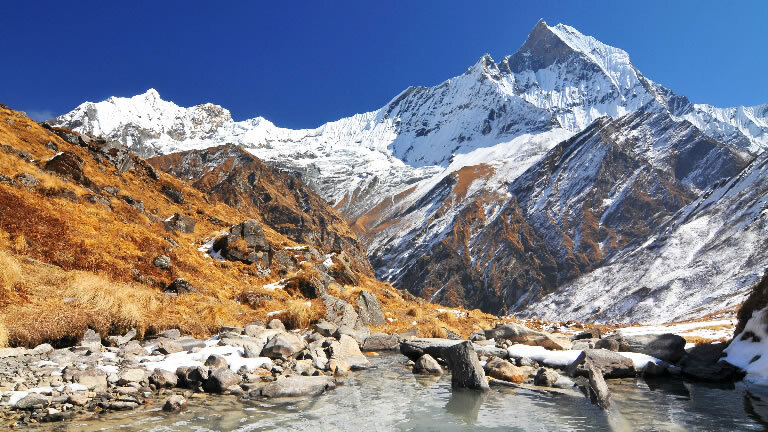
Venture to Sarangkot village early this morning and hike to the famed Sarangkot lookout to witness a breathtaking sunrise over the Annapurna Himalaya. Back in Pokhara, climb up a lush forest path to the gleaming white Peace Pagoda, built by Japanese monks after World War II. Later, visit a Tibetan refugee settlement, established by the United Nations in 1964. Learn about the history of the community on a walk through their photo gallery, and enjoy a traditional Tibetan lunch. In your free time, opt to take a boat tour of Phewa Lake.
The hike up to the World Peace Pagoda can be quite strenuous and is all steps up and back down. If you are not feeling so energetic, please let the National Geographic Expedition Leader know and you can opt out of this activity.
- Sunrise at Sarangkot: Rise early and experience a spectacular sunrise with a panoramic view of the surrounding Himalayas. The highest altitude on this trek is at 1600 meters.
- World Peace Pagoda Excursion: Walk up to the World Peace Pagoda, which was constructed by Buddhist monks. Enjoy the structure and the beautiful view around it.
- Tibetan Refugee Settlement: Visit the Tashiling Tibetan Refugee Camp, established by the United Nations in 1964 as a temporary settlement for the large number of refugees fleeing Tibet. Walk through this friendly quarter, now home to over 500 people. Visit the celebrated photo gallery here and then enjoy a traditional momo lunch at the local restaurant to support this incredible community.
- Phewa Lake Boat Tour: Enjoy a boat ride on Phewa Lake and take in the serene environment and natural beauty, including the magnificent fish-tailed summit of Machhapuchhre (6,977m, 22,890 ft) rising behind it.
Catch a flight back to the capital, Kathmandu. Enjoy time to shop in the bustling Thamel district, or choose to visit Pashupatinath Temple, the most sacred Hindu temple complex in Nepal. Enjoy free time in the afternoon for exploring. Visit the burning ghats at Pashupatinath and Swayambhunath, or the monkey temple. Kathmandu is fascinating at every turn, and some travelers prefer to just wander, seeing where the city may lead them.
- Plane: Look! Up in the sky! It's a bird! It's a plane! It's... yup, it is a plane, actually.
- Free Time: Take some time to explore on your own or do some last minute shopping.
- Pashupatinath Ghats and Temple Visit: Visit Pashupatinath, one of the most sacred Hindu temple complexes in Nepal. Located on the banks of the Bagmati River, this is the final stop for many Hindus, who's families bring them here to set funeral pyres on the ghats to cremate their loved ones. Respectful viewing from across the river is culturally acceptable, you also will see sadhus (Hindu holy men) and pilgrims perform bathing rituals. Please note the inclusion of a taxi costs extra.
Depart at any time. Feel free to depart at any time today, but remember that check out time from the hotel is 12:00pm.
Trip Inclusions
- Walk the backstreets of Delhi with a local guide.
- Experience the essence of serenity with an overnight stay at a Buddhist Monastery.
- Learn how to make Nepalese momos (dumplings).
- Enjoy local living with an overnight homestay in a rural village. Enjoy an immersive sound bath wellness demonstration and a six-course vegetarian meal featuring Nepalese falvours.
- Your Journeys Highlight Moment: Beyond the Pink City, Jaipur
- Your Journeys Highlight Moment: Local Village Immersion, Alsīsar
- Your Journeys Highlight Moment: Nepalese Welcome Experience at Avata Wellness, Kathmandu
- Your Journeys Highlight Moment: Stories from the Himalayas, Kathmandu
- Your Journeys Highlight Moment: Overnight at a Buddhist Monastery, Pharping
- Your Journeys Highlight Moment: Neydo Monastery Sunrise Chant, Pharping
- Your Journeys Highlight Moment: Chitwan Tiger Experience, Royal Chitwan National Park
- Your G for Good Moment: Women With Wheels, Indira Gandhi International Airport
- Your G for Good Moment: Delhi City Walk, Delhi
- Your G for Good Moment: Anoothi Block Printing Experience, Jaipur
- Your G for Good Moment: Nepalese Dumplings Cooking Demonstration, Kathmandu
- Your Welcome Moment: Meet Your Expedition Leader and Group
- Visit the Taj Mahal, Baby Taj, and Agra Fort
- Excursion to Fatehpur Sikri and the Abhaneri step wells
- Explore Jaipur
- Sound bath wellness experience and six-course vegetarian Nepalese dinner
- Tour of Kathmandu
- Bhaktapur guided tour
- Visit Swayambhunath
- Chitwan National Park village walking tour and jeep safari
- Hike to the World Peace Pagoda
- Internal flights
- All transport between destinations and to/from included activities
- Van, bus, auto-rickshaw, cycle-rickshaw, walking, plane, boat, 4x4
- National Geographic Expedition Leader
- Hotels (14 Nights), Heritage Hotel (1 Night), Monastery Guesthouse (1 Night)
- 16 breakfasts, 5 lunches, 5 dinners
- Accommodation, itinerary and inclusions subject to change.
- Price is for land, cruise and internal flights as specified. Flights not specified are not included.
Small group tours combining meaningful cultural experiences with upgraded comfort and expert insight. Read more
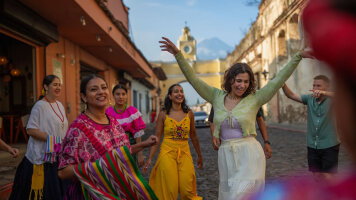
From Lifetime Deposits to no single supplements and 100% Guaranteed Departures, G make booking feel as good as going. Read more

The biggest reason travellers book our trips again and again? Our legendary Chief Experience Officers, aka CEOs. Read more
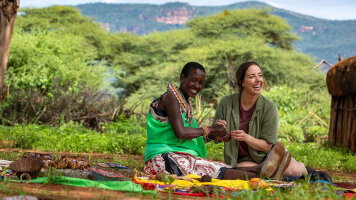
G's commitment to making travel a force for good is so strong, they gave it a name and made it official - meet G for Good. Read more

Dates & Pricing
The Great Adventurers Club
GJ Loyalty Discount
A definite departure means minimum numbers have been reached for this departure to operate. Your Global Journeys Travel Advisor will check the availability of your departure date when you Enquire. Additional savings may apply. T&C’s apply.
Tour & cruises prices are per person. Prices shown have savings applied, are subject to availability and may be withdrawn at any time without notice. Pricing and trip details are correct at this point in time, however are subject to confirmation at the time of booking and are subject to change by G Adventures. For cruise itineraries, cabin images are sourced from the cruise-line and should be treated as indicative only. Cabin inclusions, upholsteries and room layout may differ to the image(s) shown depending on the ship selected and your sailing dates.
Similar Tours
18 Days Negombo Male
Operated By: G Adventures

18 Days Kochi Hikkaduwa
Operated By: G Adventures
18 Days Bangkok Siem Reap
Operated By: G Adventures
