Mexico: Mayans, Aztecs & Conquistadors Day of the Dead Festival (Oaxaca)


Overview



Culture

Affordable

16-99 Years

15

Easy

Fully Guided

AHMO
Itinerary
The adventure begins in Mexico City, one of the most exciting capital cities in the world. Take time to settle into the hotel before our welcome briefing this evening. .
Today we explore the bohemian side of Mexico City. We start by heading to the south of the city and a particular house hidden behind cobalt blue walls known as Casa Azul. This is where artist Frida Kahlo was born, grew up and, eventually, lived with her muralist husband, Diego Rivera, until she died in 1954. Now a museum, the colonial house, set around a luxuriant garden, showcases the collections and personal effects of the two great artists and provides a window into the life of affluent Mexican bohemians in the first half of the 20th century.
Next, we visit the quaint neighbourhood of Coyoacán, which has pebbled streets, colonial churches, bustling little markets and quiet squares. This area was inhabited before the arrival of the Spanish and it is said conquistador Hernan Cortes made this the first capital of New Spain. Finally, we enjoy a relaxing ride on a pre-Hispanic boat along the Xochimilco canals. These scenic waterways would have been used by the Aztecs and today see us enjoying a relaxing journey past floating gardens and little floating kitchens selling local food. We return to our hotel in the late afternoon. .
Starting the day in Mexico City, we visit the historic centre on a walking tour based around the Zócalo (main square) and the Catedral Metropolitana. Our exploration starts in the Zócalo, which was an important gathering place for the Aztecs, and remains so in modern Mexico, often hosting book fairs and concerts. On the north side of the Zócalo is the Catedral Metropolitana, the largest cathedral in the Americas. It was constructed over El Templo Mayor, an Aztec temple, as a sign the Spanish were now in power.
We continue to the Museum Mural of Diego Rivera. Our tour finishes outside the Palacio de Bellas Artes. Construction of this massive neoclassical building began in 1904, on the remains of the Santa Isabel convent. It has an art nouveau style and its impressive facade is made of Carrara marble. We then visit the Museum of Anthropology and History with its fascinating collection of artefacts from the many civilisations of Mexico. .
The ancient city of Teotihuacan reached its zenith around 1,000 CE when it was the sixth biggest city in the world with a population of about 125,000. Among the avenues and structures here are the pyramids of the Sun and the Moon, the third and fourth largest pyramids in the world. We explore this impressive archaeological zone with an expert local guide to unearth some of the site's secrets. Then, starting our journey east, we head towards the city of Puebla (about 3hr 30min).
In the late afternoon, we arrive in Puebla de los Angeles, the City of Angels, so called because of a legend that claims angels came down from heaven to place the cathedral bells in the towers when builders were unable to do so. The colonial city is known for its traditions, especially its handicrafts, including blue-and-white pottery, and its cuisine is considered among the best in Mexico. .
We spend this morning exploring Puebla, which has been named a Unesco World Heritage site for its colonial architecture. We visit the Patio de los Azulejos and the ex-Convent of Santa Rosa, both of which provide classic examples of how talavera tiles were incorporated into buildings, inside and out. Early settlers who came from Talavera de la Reina in Spain introduced these tiles and associated ceramics. Today, the glazed pottery is synonymous with Puebla.
After our city tour, we drive (about five hours) to Oaxaca, another Unesco-badged city. With a colonial centre of shaded pedestrian streets, indigenous traditions and a creative atmosphere, Oaxaca has attracted and inspired many artists and artisans alike. The city has such sights as the beautiful Zócalo (main square), the cathedral and the vast Convento de Santo Domingo, along with museums, fascinating markets and charming inns. .
We spend today uncovering the beliefs and history of the Day of Dead. It starts with a typical breakfast in the Ocotlán de Morelos market, where we learn about traditional Oaxacan dishes and experience the market on this special occasion, when alters are set up for the festivities. From here, we head to San Martín Tilcajete, where we learn about alebrijes, fantastical wood-carved creatures, in the workshop of artisan Jacobo Angeles. Next, we visit the black-clay workshop of Miguel Fabian in San Bartolo Coyotepec before moving onto the archaeological site of Zaachila, where we learn about pre-Hispanic tombs.
This afternoon, we join a family in their home for lunch, where we eat traditional mole and other regional dishes. The family will also invite us to see their Day of the Dead shrine and introduce us to the Zapotec language. We take part in a Day of the Dead parade in the local town before visiting a graveyard at night, listening to brass bands and watching the entire town fill the cemetery to decorate the graves of their loved ones, which they then sit by all night. .
Our next exploration of Mexican history takes us to the Zapotecan site of Monte Alban. While the name dates to a 16th-century Spanish landowner, previous names come from the Mixtec word Sahandevul, meaning at the foot of the sky, or from the Zapotecan Danibaan, meaning sacred mountain. In 500 BCE, the Zapotecans moved into the Oaxaca region and began the monumental task of levelling the top of a 5,250ft (1,600m) high mountain that intersects and divides three valleys.
Here they built the city of Monte Alban with a maze of subterranean passageways, rooms, drainage and water-storage systems. We later return to Oaxaca and explore the cobbled streets, vibrant squares and churches of the historic town. We also visit the Museum of Cultures Santo Domingo. .
Oaxaca is often considered the culinary hub of Mexico and we get more acquainted with it as we head for a cooking class, learning dishes that can easily be recreated at home. The exact menu can change but we generally learn how to make two types of tortilla, three salsas, guacamole, mole, a starter, soup, dessert and drink. We also visit a local market where different ingredients are showcased and explained before returning to the restaurant for our class and a delicious lunch. The afternoon is free to wander around Oaxaca on your own. .
A short distance from Oaxaca is our first stop today, Teotitlan del Valle, a village known for producing colourful, handwoven rugs. From here, we continue to the Don Agave distillery to taste the agave-based spirit mezcal. After the tasting, we drive to Tehuantepec where we spend the night (the total drive time is about seven hours plus stops) .
Today we drive to San Cristobal (about six hours plus stops), one of the most popular cities in Mexico for visitors. It is filled with cobbled alleyways of whitewashed buildings with red-tiled roofs that lead to plazas and picturesque arcades. Arriving in San Cristobal in the afternoon, we have a short orientation tour of the historic city before checking into our hotel. .
Today is a free day to explore San Cristobal at your own pace. Wander the colonial streets, take in the lively cafes, or buy handicrafts produced by the local Tzotzil indigenous groups. It's also possible to do an optional boat trip through the Sumidero Canyon and/or visit one of the traditional Maya communities who live in the villages surrounding the city (see money section for prices). .
The road we take towards Palenque is very windy but picturesque. En route, we visit Agua Azul (after about 5hr 30min of driving plus stops), a group of beautiful waterfalls that create wonderful natural pools. Due to the strong and unpredictable currents, we do not recommend swimming here. After our stop, it's a further 2hr 30min to Palenque, a town named after the impressive ruins nearby. .
Emerging from the jungles of Chiapas is one of the most impressive ruins in Mexico: the Mayan site of Palenque. The temples, sanctuaries and pyramids, with sculptured walls and ceilings, are some of the best-preserved and finest examples of Mayan buildings despite the city-state having peaked in the seventh century. We explore this magnificent site before continuing on the road towards the Yucatan Peninsula and the Caribbean town of Campeche (about six hours plus stops). Yet another Unesco World Heritage site, the colonial town has impressive city walls built to protect it from constant attacks by English and Dutch buccaneers and pirates during the 16th and 17th centuries. .
From Campeche, we visit our second Mayan site: Uxmal. Quite open, it contrasts to the jungle ruins of Palenque we visited yesterday. This site, which dates to the Late Classic era (500 CE to 800 CE), features the Pyramid of the Magician; the Nunnery Quadrangle, which has long, elaborately carved facades; and a ball court, where a traditional ball game was played, sometimes ending in human sacrifice. Having worked up an appetite, we have lunch at a Mayan family restaurant.
Here we can eat pollo pibil and cochinita pibil (slowly cooked pork and chicken). The meat is roasted for about five hours with achiote paste and wrapped in banana leaves. After lunch, it's about a 1hr 30min drive to Merida, where several colonial buildings, including the cathedral, were built using stones from nearby Mayan ruins. Arriving mid-afternoon, we have a walking tour of Merida, returning later to enjoy the main square, which is particularly delightful at night. .
Our first stop is the traditional Mayan village of Tixkokob, where local families carry out the age-old craft of hammock weaving and we learn how hammocks are made. We then continue to Izamal, a one-time Maya settlement now marked as a Pueblo Magico (magic town) by the Mexican government.
The town is covered in yellow-and-white buildings and is known for the 16th-century Franciscan monastery built on top of a huge Maya pyramid. From here, we transfer to Chichen Itza, possibly the best known and most impressive of all Maya sites (total drive time of about four hours plus stops). .
Our final day starts with a visit to the most famous Maya temple city: Chichen Itza. Having spent the night near the site, we can get in nice and early before the day-trippers arriving from the beach resorts. Chichen Itza served as the political and economic centre of the Maya civilisation and thrived from around 600 CE to 1200 CE.
The pyramid of Kukulkan, the Temple of Chac Mool, the Hall of the Thousand Pillars and the Playing Field of the Prisoners can still be seen today and demonstrate an extraordinary commitment to architecture, space and composition. The pyramid itself was the last, and possibly greatest, of all Maya pyramids.
This afternoon, we drive about 3hr 30min to Cancun airport, where the trip ends and we begin our return journeys home.
Operator
From classic small group tours & family adventures, to walking holidays, cycling trips and active adventures. Read more
Exodus chooses their Leaders carefully. Professional, dedicated and are passionate about sharing their home countries. Read more
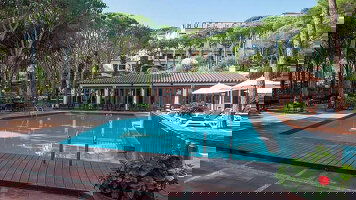
Wherever possible, Exodus chooses properties that are locally owned and that reflect the area you are visiting. Read more
Prices & Dates
There are currently no departures available on this trip. Either it's the end of the season and new departures will be released shortly, or this itinerary has been changed and is not operating this season. Feel free to contact us for information about when next seasons dates will be released or click here to view general release dates for all destinations.
Tour & cruises prices are per person. Prices shown have savings applied, are subject to availability and may be withdrawn at any time without notice. Pricing and trip details are correct at this point in time, however are subject to confirmation at the time of booking and are subject to change by Exodus. For cruise itineraries, cabin images are sourced from the cruise-line and should be treated as indicative only. Cabin inclusions, upholsteries and room layout may differ to the image(s) shown depending on the ship selected and your sailing dates.