Discover Mexico
Overview



Itinerary
Welcome to Mexico City, one of the most exciting capitals in the world and known for its layers of Aztec, colonial, and modern history. Today is all about settling into the hotel and city, as we have our welcome briefing tomorrow morning. Want more time in Mexico City? Secure pre-tour hotel nights through your sales representative.
Come together this morning for our welcome briefing, where your tour leader outlines the journey ahead and answers any questions. We then visit two of Mexico City's most important museums: the Museo Nacional de Historia, housed in Chapultepec Castle, and the National Museum of Anthropology, whose collections provide essential context for the civilisations we'll encounter throughout the trip.
Turning to the city's creative heart, we head south to Coyoacán, a district with deep pre-Hispanic roots and a long association with artists and intellectuals. Cobbled streets, shaded squares and colonial churches give it a distinctly different rhythm to the city centre. Subject to availability, we visit Casa Azul, the former home of Frida Kahlo.
Preserved much as it was during her lifetime, the house offers insight into Kahlo's work, her political ideas and her relationship with artist Diego Rivera. We round off the day with a welcome dinner at Azulísimo, where Chef Zurita has curated a menu based on traditional cuisine from the capital.
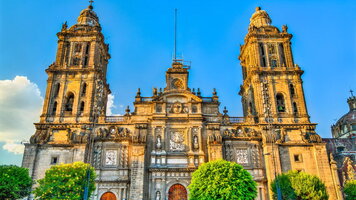
Explore the historic centre of Mexico City on foot, beginning at the Zócalo, once the ceremonial heart of the Aztec city of Tenochtitlán and still the country's main civic square. Nearby, we see the Metropolitan Cathedral, built directly over the ruins of the Templo Mayor, before finishing near the Palacio de Bellas Artes, a landmark of early-20th-century architecture. Food and craft traditions come into focus as we visit Mercado de San Juan, enjoying a small food tasting, and Mercado de la Ciudadela for handicrafts.
Later, we travel south to Xochimilco, where we take a trajinera boat onto the canals – with a snack included. Cruising the waterways, we learn all about chinampas, ingenious floating gardens built by the Aztecs, some of which are still in use today.
Transfer (1hr 15min) to Teotihuacán, one of the most significant cities of ancient Mesoamerica. At its height, around 450 CE, it was among the largest urban centres in the world. With a local guide, we walk the Avenue of the Dead and explore the monumental Pyramids of the Sun and Moon, gaining insight into the city's urban planning and enduring mysteries. Lunch is at La Catrina Restaurant before we continue (2hr 30min) to Puebla. Founded in the 16th century, Puebla became a key colonial centre linking Mexico City with the port of Veracruz.
In the afternoon, we enjoy a guided city tour, including the Palafoxiana Library, founded in 1646 and widely regarded as the oldest public library in the Americas.
Begin at the Zapotitlán Botanical Garden, set within a semi-arid biosphere reserve known for its extraordinary diversity of cacti and desert plants. Lunch is at Itandehui Restaurant, known for its pre-Hispanic menu. We then drive (four hours) to Oaxaca, a UNESCO-listed city with a strong indigenous presence and a long tradition of craftsmanship. The historic centre is compact and walkable, with shaded streets, markets and important religious buildings clustered around the main square.
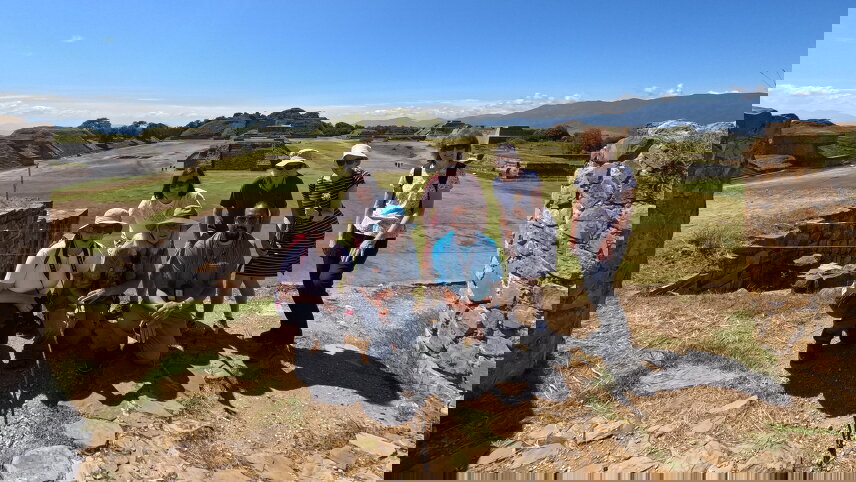
Travel to Monte Albán, the former Zapotec capital, dramatically positioned on a flattened mountain ridge above the Oaxaca Valley. Founded around 500 BCE, the site reveals sophisticated urban planning, ceremonial plazas and carved stone monuments that record early writing and calendrical systems. Returning to Oaxaca, we explore the historic centre and visit the Museum of Cultures of Santo Domingo, housed in a former Dominican convent.
Oaxaca's reputation for regional cuisine takes centre stage today as we join a hands-on cooking class led by a Zapotec cook. After selecting ingredients from our host's own produce store, we prepare a full meal together, learning techniques passed down through generations. We then sit down to enjoy the results.
The afternoon is free to spend at leisure, with the option to visit San Antonio Arrazola for an introduction to alebrijes – the brightly painted, hand-carved figures that blend real and imagined animals and have become a defining expression of Oaxacan folk art.
We begin at Santa María del Tule, home to an enormous ahuehuete (Mexican bald cypress) tree believed to be more than 2,000 years old. Its vast trunk is marked by natural shapes that invite closer inspection. We continue to Mitla, a Zapotec ceremonial centre distinguished by its intricate geometric stone mosaics, unlike anything else in pre-Columbian Mexico. From here, we travel to Santiago Matatlán (30min) to visit a mezcal distillery and learn how this agave spirit is produced, followed by a tasting.
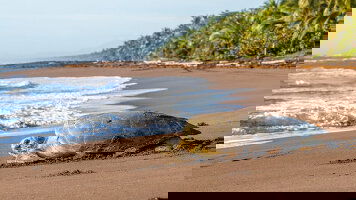
Later, we stop at a beach on the Pacific coast, where you can swim (weather permitting) or take a walk on the sands, before driving to Salina Cruz.
We take a boat trip through the Sumidero Canyon, where steep limestone walls rise dramatically above the Grijalva River and wildlife is often spotted along the banks. After, we drive to San Cristóbal de las Casas (about six hours plus stops), a highland city known for its colonial layout and strong indigenous identity.
We explore San Cristóbal de las Casas, browsing markets and cafes that showcase local produce and crafts made by Tzotzil communities.
In the afternoon, there is an optional excursion to Chamula and Zinacantán. In Chamula, we visit the church where Catholic and Maya rituals coexist, creating a distinctive ceremonial atmosphere. In Zinacantán, we meet a family of weavers and learn about textile traditions that remain central to daily life.
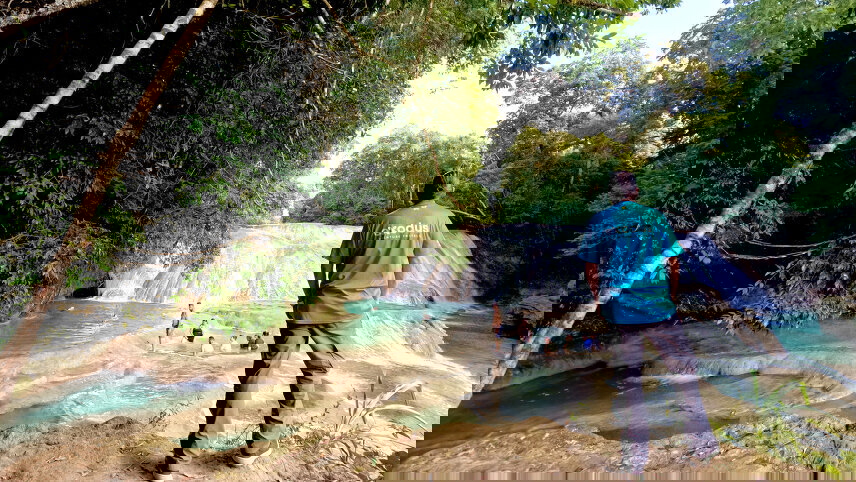
Leaving around 5.30am with a breakfast box, we drive just over four hours, with a stop in Villahermosa. We continue our journey for around 2hrs 30min, arriving at our hotel in the early afternoon. Those who wish can visit the Roberto Barrios Waterfalls (around a 1hr 10min drive from our hotel), where we will have lunch at a local restaurant. The Roberto Barrios Waterfalls is a series of cascades that sits within the subtropical jungle of Chiapas and is known for its tiered falls and forest setting − an atmospheric counterpoint to the archaeological wonders waiting nearby.
We explore the Maya city of Palenque, set within dense jungle and renowned for the quality of its stone carvings and inscriptions. At its peak in the seventh century, Palenque was a powerful city-state, and its architecture remains among the finest in the Maya world. We then transfer to Campeche (6hr 20min), a fortified colonial city on the Gulf of Mexico. An orientation walk introduces the historic centre and its defensive walls, built to protect against pirate attacks.
After a 2hr 35min drive from Campeche is our second Maya site: Uxmal. Quite open, it contrasts the jungle ruins of Palenque we visited yesterday. This site, which dates to the Late Classic era (500 CE to 800 CE), features the Pyramid of the Magician; the Nunnery Quadrangle, which has long, elaborately carved facades; and a ball court, where a traditional ball game was played, sometimes ending in human sacrifice. Having worked up an appetite, we drive (20 minutes) to a Maya family restaurant in Muna.
Here we eat pollo pibil and cochinita pibil (slowly cooked pork and chicken). The meat is roasted for about five hours with achiote paste and wrapped in banana leaves. After lunch, it's about a 1hr 20min drive to Mérida, where several colonial buildings, including the cathedral, were built using stones from nearby Maya ruins. Arriving mid-afternoon, we have a walking tour of Mérida, returning later to enjoy the main square, which is particularly delightful at night.
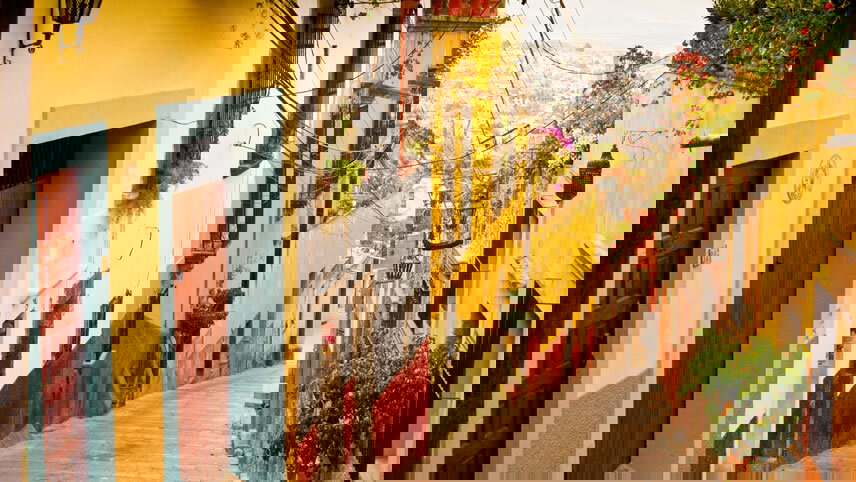
Our first stop, after a 1hr 40min drive, is Izamal, a one-time Maya settlement now marked as a Pueblo Mágico (magic town) by the Mexican government. The town has yellow-and-white buildings and is known for the 16th-century Franciscan monastery built on top of a huge Maya pyramid.
We then continue (1hr 10min) to Yokdzonot cenote, a natural swimming hole with vertical walls decorated with thick mangrove roots. From here, we transfer (25 minutes) to our hotel near Chichén Itzá, ready for our exploration tomorrow (total drive time: about 3hr 30min plus stops).
Our final day starts with a visit to Chichén Itzá. Having spent the night near the site, we can get in early before the day-trippers arrive from the beach resorts. Chichén Itzá served as the political and economic centre of the Maya civilisation and thrived from around 600 CE to 1200 CE. The pyramid of Kukulkan, the Temple of Chac Mool, the Hall of the Thousand Pillars and the Great Ball Court can still be seen today and demonstrate an extraordinary commitment to architecture, space and composition. The pyramid itself was the last, and possibly greatest, of all Maya pyramids.
This afternoon, we drive about three hours to Cancún airport, where the tour ends. Want more time in Cancun? Secure post-tour hotel nights through your sales representative. Please note: The group transfer back to Cancún is scheduled to align with a chosen flight to London, UK; therefore, you should not book flights leaving before then. Please contact your sales representative for the timings of this flight.
Trip Inclusions
- Go deep into the cultures, landscapes and wonders of Mexico with an expert tour leader
- Begin with an in-depth exploration of Mexico City's many wonders
- Discover the culturally rich cities of Oaxaca, San Cristóbal and Mérida
- Time travel at the ruins of Teotihuacán, Palenque and Uxmal
- Taste authentic cuisine on a local cooking course and mezcal tasting
- Explore Chichén Itzá, a New World Wonder, before the day-trippers arrive
- 14 Comfort nights (hotels)
- All breakfasts, five lunches, one dinner
- Immersive itinerary with all transport (private minibus and boat) and listed activities
- Expert tour leader to enhance your adventure
- Itinerary and inclusions are subject to change
- Price is for land, cruise and internal flights as specified. Flights not specified are not included
From classic small group tours & family adventures, to walking holidays, cycling trips and active adventures. Read more
Exodus chooses their Leaders carefully. Professional, dedicated and are passionate about sharing their home countries. Read more
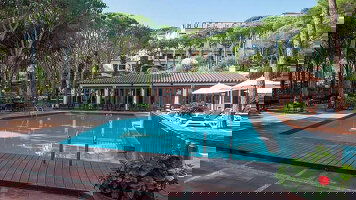
Wherever possible, Exodus chooses properties that are locally owned and that reflect the area you are visiting. Read more
Dates & Pricing
A definite departure means minimum numbers have been reached for this departure to operate. Your Global Journeys Travel Advisor will check the availability of your departure date when you Enquire. Additional savings may apply. T&C’s apply.
Tour & cruises prices are per person. Prices shown have savings applied, are subject to availability and may be withdrawn at any time without notice. Pricing and trip details are correct at this point in time, however are subject to confirmation at the time of booking and are subject to change by Exodus. For cruise itineraries, cabin images are sourced from the cruise-line and should be treated as indicative only. Cabin inclusions, upholsteries and room layout may differ to the image(s) shown depending on the ship selected and your sailing dates.