Explore South Korea on Foot

Overview

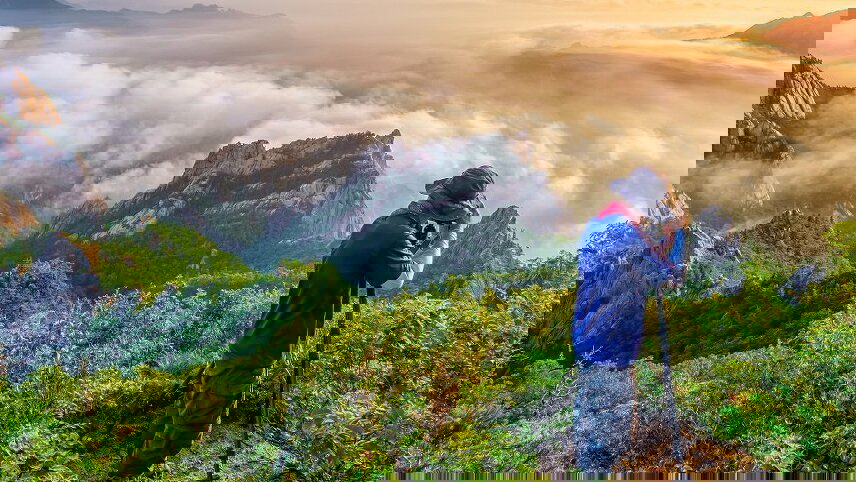
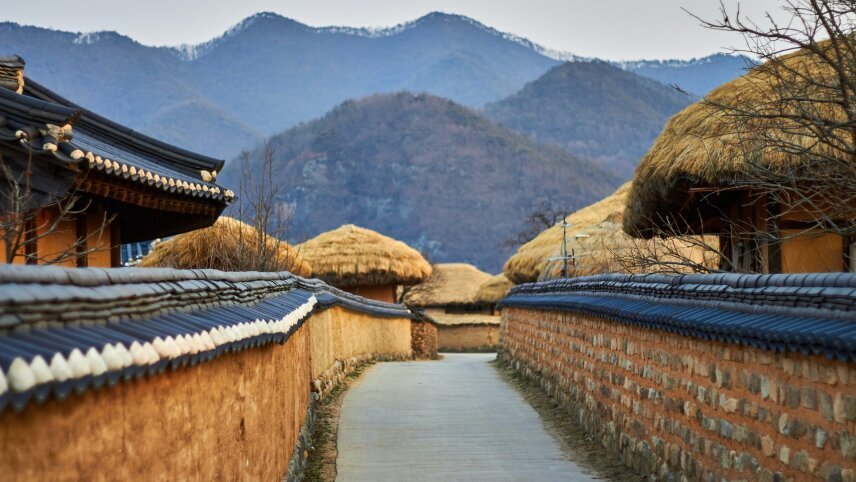
Stay in a Buddhist temple and quaint hanok villages as you connect with nature and the customs of the South Korean people. Hiking in South Korea is a favourite past time of many locals, however it is only just starting to be recognised by the rest of the world as one of the most impressive hiking destinations. Come and explore on foot with us, as you delve into a side of South Korea you did not existed.


Itinerary
Welcome to South Korea! You will be met upon arrival at Incheon International Airport and transferred to your hotel.
Prepare to be impressed by Seoul, South Korea's shiny yet often underrated capital city. Enveloped by mountains, this giant metropolis is an exciting jumble of futuristic skyscrapers, castles and temples, with the ever-present backdrop of the many surrounding peaks. From young and funky districts where progressive art and cutting-edge fashion are to be found on every street, through to historic areas where cobbled streets lead to ancient temples, Seoul has one foot planted in the past, and the other stretched eagerly into the future. This is a city that comes alive at night, with its incredible food scene, dazzling neon lights, and a social “bang” (room) to suit every taste, from quirky karaoke bars to a thriving café scene. Enjoy the remainder of the day at leisure to explore your surroundings.
Enjoy breakfast at your hotel before departing with your local guide to explore Gyeongbokgung Palace. Built in 1395, this imposing structure was the principal royal palace of the Joseon Dynasty. Witness the changing of the guard ceremony at the main gate—a precise re-enactment complete with traditional instruments and costumes. Continue to the National Folk Museum, located within the palace grounds, which houses over 4,000 artefacts detailing the domestic and cultural life of Korean people throughout history.
Drive past the Blue House, the executive office and official residence of the President of South Korea, before arriving in Bukchon Hanok Village. With a history spanning more than 600 years, this district is home to hundreds of traditional Korean hanok houses. Stroll through its alleyways lined with tea houses, craft shops and restored guesthouses.
This afternoon, transfer to Geumseonsa Temple, nestled at the base of Bukhansan Mountain. Upon arrival, register for your overnight temple stay and receive an orientation outlining temple etiquette and the schedule ahead. Geumseonsa Temple offers a glimpse into the disciplined lifestyle of Korean Buddhism.
You'll be provided with a simple temple uniform (vest and trousers) to wear during your stay. Rooms are shared, traditional ondol-style with heated floors, futon bedding, and private bathrooms. Men and women are accommodated separately.
After settling in, enjoy a traditional Buddhist vegetarian dinner known as Balwoo Gongyang—a mindful and silent meal that reflects Buddhist values of moderation and gratitude. Dishes vary daily but typically include seasonal vegetables, tofu, seaweed and soup.
Following dinner, participate in the evening chanting ceremony, Yebul. Held in the main hall, this ritual involves the rhythmic recitation of sacred texts and prostrations. It is a meditative practice offering homage to Buddha and fostering mindfulness. End your evening with a guided meditation or quiet reflection.
Wake early to join the morning Yebul ceremony at 5am, followed by meditation practice. Depending on the day, you may participate in jwaseon (seated meditation) or haengseon (walking meditation), both central to Buddhist mindfulness training. A simple monastic breakfast follows, maintaining the quiet discipline of temple life.
Later in the morning, visit a nearby hermitage for tea with a Buddhist monk, a practice known as Dado. Rooted in ancient Korean tradition, this is an opportunity to learn about monastic life through conversation and shared silence over tea. Return to the main temple to clean your room and return your uniform.
From the temple, begin your hike along Baegak Mountain, also known as Bugaksan. This is the highest peak bordering central Seoul and part of the Seoul Fortress Wall Trail. Once a restricted military zone, its natural environment has remained well preserved. Along the way, you'll encounter historical remnants including a tree marked by bullet holes—evidence of a 1968 incursion by North Korean commandos. The two-hour trail offers expansive city views and insights into Korea's recent past.
In the afternoon, travel to Sokcho on Korea's eastern coast. The drive takes approximately 3.5 hours. On arrival, check into your hotel in Seorak, located just 200 metres from Seoraksan National Park. From the open-air terrace of your hotel, take in views of the rugged peaks of the Taebaek Mountain Range that frame the landscape.
After enjoying breakfast at your hotel, you will explore Seoraksan National Park, beginning with the Gwongeumseong Cable Car. Ascend above the forested slopes for spectacular panoramic views across the park, before exploring the historic Gwongeumseong Fortress area. The elevated vantage point offers an impressive perspective over Seoraksan's rugged peaks and valleys, particularly striking when the landscape is transformed by the colours of spring and autumn.
From here, you will travel to Andong, an interesting city famous for a variety of ancient sites, as well as its wooden masks, mackeral, and strong local vodka (soju). Upon arrival, visit Hahoe Folk Village, a UNESCO World Heritage-listed site known for its well-preserved Joseon Dynasty-era architecture. Located by the Nakdong River, the village remains a living community and features tile-roofed aristocratic residences and thatched commoners' homes, offering a glimpse into Korea's Confucian past. You will then check into your hotel and have the evening at leisure.
After breakfast, journey south to Jirisan National Park, Korea's first and largest national park. Today is dedicated to exploring the park and enjoying the scenic Guryong Valley hiking experience without additional sightseeing.
Your hike follows the Guryong Valley trail, renowned for its cascading waterfalls and dramatic granite peaks. The valley name translates to ‘Nine Dragons', referencing the nine waterfalls nestled among the forested slopes, allowing you to fully immerse yourself in the park's natural beauty.
After your hike, continue to Namwon, a small city known for its literary heritage and connection to Korea's most famous love story, “Chunhyangjeon.” On arrival, check into your hotel and relax for the evening.
Today, travel to Mt. Naejang, one of Korea's finest places to experience the spectacular autumn colours, particularly the vivid red maple leaves. Begin with the Naejangsan Cable Car before hiking towards Yeonjabong Peak, enjoying sweeping views across the surrounding mountains and brilliant seasonal foliage. Should conditions permit and the group wish to undertake a longer and more challenging route, the hike can be extended towards Sinseonbong Peak, the highest point in Naejangsan National Park.
You will then travel to Gwangju, where you will check into your hotel and enjoy the evening at leisure.
After breakfast this morning, you will travel to Jeonju (approx. 2 hours), a charming city that in parts feels a little like you have stepped back in time. Jeonju was one of the key cities of the Joseon Dynasty, whose rule stretched from the 14th to the 19th Century and the traditional architecture still found in the city, as well as the continuation of culture and customs from that time mean that this city acts as an open-air museum.
You will visit Jeonju hanok village. This charming village has over 800 hanoks, with their wooden beams and curved tiled roofs. While other parts of the city are completely modern, this traditional Korean village helps to give a glimpse into the way life was lived centuries ago. Strolling through the peaceful village, you will feel a bit like you are in a bubble as on its outskirts, the city backdrop of skyscrapers remind you of the modern world, but in the quaint village lanes, you feel quite removed. Make sure to sample some of the amazing food on offer in this village as well, including Jeonju bibimbap, a Korean rice dish that is beloved around the world, and has a special style in this region. You will also visit Jaman Mural Village. Local artists have painted murals all throughout this cliffside village, creating an open-air art gallery.
Tonight, you will enjoy a traditional hanok stay. A hanok is a traditional Korean home, with a simple design created using natural materials. A typical hanok will have very little furniture, futon beds and an underfloor heating system called ondol. This traditional home heating system was used in ancient Korea, where heated stones from the kitchen were used to keep the floor of a room warm. Technology means the heat is now generated by hot water pipes running under the wooden floors surface, creating a perfect temperature especially at the coldest times of year. Having a warm floor has shaped the daily life of the Korean people, who will often sit, eat and socialise on the floor as opposed to chairs, and floor mattresses like futons are often used for beds, to take advantage of this additional warmth.
Enjoy breakfast at your guest house, before returning to Seoul by car (approx. 3.5 hours). Enjoy some free time in the afternoon before heading out to enjoy a farewell dinner with your group.
Today your South Korea adventure comes to an end. Enjoy breakfast and free time until your transfer to the airport to meet your onwards flight.
Trip Inclusions
- Overnight in a traditional Korean Hanok village
- Spend the night in an active Buddhist Temple stay
- Participate in the Buddhist ceremony – yebul
- Enjoy a traditional tea ceremony with monks
- Hike through national parks over multiple days through forests, mountains and remote villages
- Return airport transfers
- 8 nights accommodation
- Meals as per the itinerary
- Private transportation
- Services of an English-speaking guide
- Entrance fees and National Park fees
- 6 nights at hotels
- 1 night temple stay
- 1 night hanok stay
- Men and Women are not permitted to share the same room, so the group will be divided into genders for rooming. Accommodation is in shared Korean-style ondol rooms (no beds; thin floor mattress and blanket). Private toilets are provided in guest rooms. A temple uniform (vest and trousers) is supplied for all participants. Guests may voluntarily join Buddhist ceremonies.
- A typical hanok will have very little furniture, futon beds and an underfloor heating system called ondol.
- International air tickets
- Domestic air tickets
- Meals and beverages not mentioned above
- Early check-in and late check out charges from accommodation
- Visas
- Personal travel insurance
- Expenditure of a personal nature such as drinks, souvenirs, laundry, tipping etc
- Accommodation, itinerary and inclusions subject to change.
- Disruptions to itinerary may occur.
Dates & Pricing
Your Global Journeys Travel Advisor will check the availability of your departure date when you Enquire. Additional savings may apply. T&C’s apply.
Tour & cruises prices are per person. Prices shown have savings applied, are subject to availability and may be withdrawn at any time without notice. Pricing and trip details are correct at this point in time, however are subject to confirmation at the time of booking and are subject to change by Crooked Compass. For cruise itineraries, cabin images are sourced from the cruise-line and should be treated as indicative only. Cabin inclusions, upholsteries and room layout may differ to the image(s) shown depending on the ship selected and your sailing dates.
Similar Tours

9 Days Taipei Taichung
Operated By: Crooked Compass
8 Days Ashgabat Ashgabat
Operated By: Crooked Compass