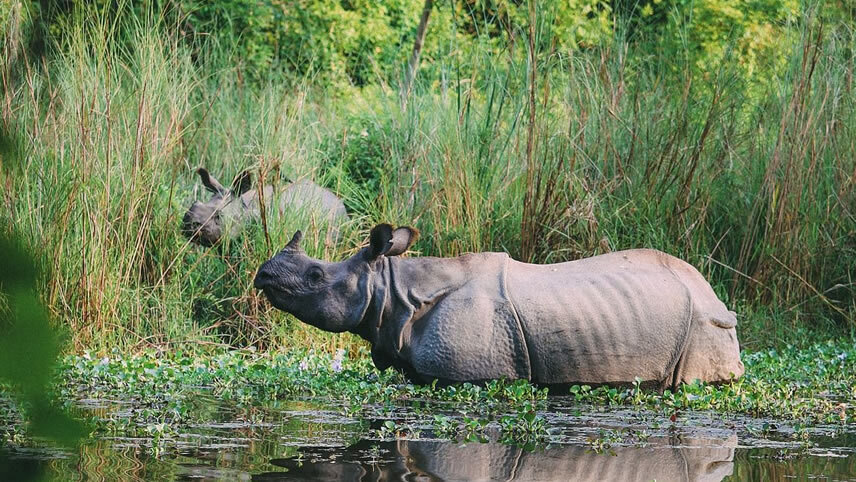

Track the elusive one-horned rhinoceros in Chitwan National Park and take time to understand and appreciate the rich culture of the Tharu people. Cook alongside locals and learn the rhythms of daily life firsthand. read more This journey also offers a rare glimpse into monastic life, where you'll gain insight into the Kagyu and Nyingma traditions of Tibetan Buddhism. This is the perfect experience for travellers seeking to explore the off-beat and authentic side of a destination as beautiful and enigmatic as Nepal.


Itinerary
Welcome to the buzzing city of Kathmandu! Stepping off the plane is an adrenaline rush in itself for many people. Your eyes darting from left to right, not wanting to miss any of the action, your ears ringing with the whirring sounds of Himalayan Mountain life and the aromas assaulting your senses. You will be met upon arrival at the airport and transferred to your hotel.
The remainder of the day is yours at leisure to trundle through narrow winding streets or hop in a rickshaw and explore. This evening, a pre tour meeting will take place where you will meet your fellow travellers and receive a briefing on your tour. Documents will be collected this evening, so please ensure you have a copy of your passports, travel insurance and at least four passport photos.
This morning, step straight into the daily rhythm of Kathmandu aboard a traditional cycle rickshaw. From your hotel, weave through the lively streets of Thamel, Ason and Indra Chowk, marketplaces that pulse with trade and movement. This immersive ride delivers you into the heart of the old city, where your walking exploration of Kathmandu Durbar Square begins.
Kathmandu Durbar Square is a complex of palaces, courtyards and temples dating primarily from the Malla period. The square's standout structure is the Kumari Bahal, the ornate residence of the Royal Kumari, Nepal's Living Goddess, revered as an earthly manifestation of Durga.
Opposite stands the old Royal Palace, a Malla-era structure where the Nassal Chowk courtyard hosted traditional court performances and, later, the coronation ceremonies of Shah kings. The square also houses the 14th century Jagannath Mandir, known for its multilingual stone inscriptions, and Taleju Mandir, a three-tiered temple dedicated to the royal family's patron deity, Taleju Bhawani, a fierce incarnation of Durga.
Continue by vehicle to Boudhanath, home to Nepal's largest stupa and a focal point of Tibetan Buddhism. Built in the 5th century by King Mana Dev, the 36-metre-high dome dominates the skyline. Surrounded by monasteries and encircled by spinning prayer wheels, this sacred site offers a deeply atmospheric experience. Here, visit a working monastery to receive a traditional blessing from a Buddhist Lama, a spiritual gesture intended to foster wellbeing and harmony.
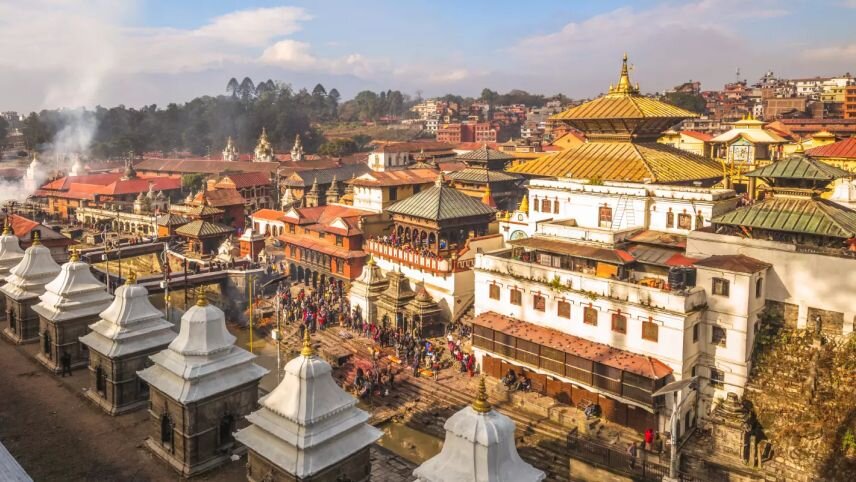
After your blessing, you continue onto Pashupatinath. This is Nepal's most sacred Hindu shrine and one of the subcontinent's great Shiva sites. The supreme holiness of the site stems from the Shiva linga enshrined in the main temple and its location. It expresses the very essence of Hinduism as pilgrims, priests, devotees, temples, ashrams, images, inscriptions and cremation ghats intermingle with the rituals of daily life, all sprawled along the banks of the sacred Bagmati River. The temple's origins are obscure, an inscription dates from 477, but a shrine may have stood here for 1000 years before that.
The evening Aarti ceremony on the banks of Bagmati River, is truly fascinating with mantras, kirtan, bells, incense and lights, all surrounded by the many devotees. It is a magical experience to witness.
After breakfast, travel south to Chitwan National Park, one of Asia's most established wildlife reserves. Spanning over 930 square kilometres of grasslands, sal forests, and riverine habitats, the park is home to rare species such as the one-horned rhinoceros, Bengal tiger, sloth bear, and over 500 species of birds.
On arrival, refreshments are served before an orientation outlining the activities available during your stay. This afternoon, immerse yourself in the culture of the Tharu people, the region's Indigenous community. Engage in a village walk that offers insight into their traditional architecture, subsistence farming techniques, and customs. This initiative not only deepens cultural understanding but also supports local livelihoods through sustainable tourism.
As the day winds down, enjoy a sunset view from the riverbank followed by an educational presentation on the park's ecology, conservation efforts, and wildlife population.
Today is a day of park-based activities. Keep your eyes peeled for tigers, leopards and other elusive wildlife. Other activities on offer include canoeing, nature walks and bird watching. Enjoy walking through the forests with naturalists and witness the native folk dances of the Terais.
After breakfast, depart Chitwan and travel by road toward the Kathmandu Valley. The journey passes through the mid-hill region and along winding river valleys, offering a glimpse into rural Nepalese life and varied terrain before reaching the southern outskirts of Kathmandu.
Arrive in Pharping and check in to the Neydo Hotel, a peaceful guesthouse located within the grounds of Neydo Tashi Choeling Monastery. Surrounded by forested hills and farmland, this unique accommodation offers a rare opportunity to stay within an active Buddhist monastery.
In the afternoon, observe a traditional monastic debate in the courtyard. These structured, animated exchanges help monks internalise Buddhist philosophy through logic and ritualised questioning.
Later, experience the monastery's daily protection puja. Accompanied by drums, conch shells, and long ceremonial horns, the ritual calls upon Mahakala and other Dharmapalas to protect the Buddhist teachings and those who practise them. Dinner is served in the monastery's dining hall at 7.00pm.
Begin the day by joining the monks for morning prayers at the Neydo Monastery. Absorb the rhythmic chanting and ceremonial atmosphere before returning to the guesthouse for breakfast.
Depart Pharping and travel towards the southern outskirts of the Kathmandu Valley to explore Bungamati, a traditional Newari village dating back to the 16th century. Positioned on a ridge overlooking the Bagmati River, the village is shaded by bamboo groves and large trees. Its narrow, pedestrian-only lanes preserve its quiet character. Bungamati is known for its fine woodcarving workshops and small-scale carpet production. In the central square stands the Rato Machhendranath Temple, a shikhara-style structure dedicated to one of the valley's most important deities.
Continue on foot across the paddy fields to the neighbouring village of Khokana. This compact Newari settlement retains a distinctly medieval atmosphere. Here, daily life unfolds outdoors—women spin thread while men operate traditional oil presses using heavy timber beams to extract mustard oil, still used locally for cooking and massage. Khokana is also known as the first settlement in Nepal to receive electricity. At its heart is the three-storey Shree Rudrayani Temple, set on an unusually broad main street. The village has been nominated for UNESCO World Heritage status for its unique cultural and industrial heritage.
Later, visit Patan, also known as Lalitpur, the ‘City of Beauty'. Once a separate kingdom, Patan is now divided from Kathmandu only by the Bagmati River. Its Durbar Square features an extraordinary concentration of temples and palaces, making it one of the architectural highlights of the valley. Explore its courtyards, shrines and museums, then visit the Tibetan refugee centre, home to much of the valley's Tibetan population. This community is known for producing high-quality handwoven carpets, with workshops offering an opportunity to observe the craft and purchase directly from the makers.
After breakfast, depart Patan and drive to the historic town of Panauti, where you will spend the next two nights in a local community homestay. Tucked at the confluence of the Rosi and Punyamati rivers, Panauti holds deep spiritual and cultural significance. Once gifted as a dowry in the 18th century by the king of Bhaktapur, the town has retained its traditional architecture, festivals and artisanal heritage.
Your stay in Panauti is part of a women-led community homestay program, operating under the philosophy, ‘Run by the Women for the Women'. This initiative not only empowers local women but also offers an authentic insight into rural Nepali life. You'll experience warm hospitality, home-cooked meals, and everyday village routines. Meals are prepared by your host family, and guests are welcome to join in the kitchen to learn about traditional Nepali cooking techniques and ingredients.
Today is free to explore the heritage town of Panauti at your own pace. Wander through its narrow lanes, lined with traditional Newari houses, ancient temples and community shrines. The town has remained largely unchanged for centuries, preserving a timeless atmosphere rarely found elsewhere in the valley. For those keen to venture further, bicycles are available for hire to explore nearby villages and countryside.
Alternatively, take a 2–3-hour trek into the hills surrounding Panauti, offering views of terraced farmland and forested ridgelines. The walk provides a quiet escape and a closer look at rural life in the valley.
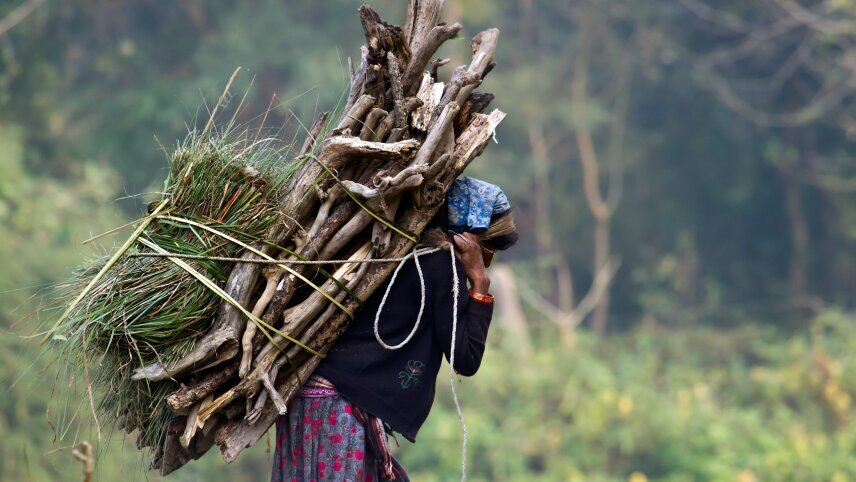
For a hands-on cultural experience, join local farmers in their fields—activities vary by season. During the monsoon (June to August), visitors can help plant rice seedlings, while in October and November, it is possible to participate in the rice harvest. These experiences offer insight into Nepal's agrarian lifestyle, which continues to follow traditional rhythms and techniques.
After breakfast, depart Panauti and drive to Namo Buddha Monastery, one of the most sacred Buddhist sites in Nepal. Perched on a quiet hilltop, the monastery marks the legendary site where a young prince is said to have offered his life to a starving tigress and her cubs. The site remains an active place of worship and meditation, with expensive views over the surrounding countryside.
Continue to Dhulikhel View Tower, a popular vantage point offering panoramic views of the Himalayan range on clear days. From here, the landscape transitions from terraced farmland to the densely built heritage towns of the valley.
Arrive in Bhaktapur, the smallest of the three main cities in the Kathmandu Valley and arguably the best preserved. Known as Bhadgaon, or ‘City of Devotees', Bhaktapur is a living museum of medieval art and architecture. Explore the main square, Layaku, home to the 15th-century Palace of 55 Carved Windows and the intricately adorned Golden Gate. In front of the palace, discover architectural highlights such as the Lion Gate, the statue of King Bhupatindra Malla on a stone pillar, and the stone temple of Vatsala Devi, built in the shikhara style.
Nearby, see the bronze bell known as the “Bell of Barking Dogs,” erected by King Ranjit Malla in 1737. Historically, the bell marked the start and end of the town's daily curfew.
Following breakfast, the day is at leisure until it is time for your transfer to Kathmandu airport for your onward flight.
Trip Inclusions
- Experience a traditional blessing from a Tibetan Lama
- Witness an Aarti ceremony on the banks of Bagmati River
- Enjoy wildlife and Tharu cultural experiences in Chitwan National Park
- Slip into local life in a quaint Kathmandu Valley village for a traditional homestay experience
- Visit a Tibetan Refugee Centre
- Explore the ancient villages of Bungamati and Khokna
- Spend the night in an active monastery
- Meet and greet service on arrival in Kathmandu
- 9 nights accommodation
- 9 Breakfasts, 7 Lunches, 7 Dinners
- English-speaking local guides
- All activities as per itinerary
- Private transportation
- Entrance fees, park fees and permits for Kathmandu and Chitwan
- International and domestic flights
- Visas
- Travel and medical insurance
- All services, meals other than those indicated above
- Any changes to the proposed and confirmed program.
- All items of a personal nature e.g. drinks, laundry, telephone calls, tips etc
- Early check-in/Late check-out
- Accommodation, itinerary and inclusions subject to change.
- Disruptions to itinerary may occur.
Trip Reviews (3)
Dates & Pricing
Your Global Journeys Travel Advisor will check the availability of your departure date when you Enquire. Additional savings may apply. T&C’s apply.
Tour & cruises prices are per person. Prices shown have savings applied, are subject to availability and may be withdrawn at any time without notice. Pricing and trip details are correct at this point in time, however are subject to confirmation at the time of booking and are subject to change by Crooked Compass. For cruise itineraries, cabin images are sourced from the cruise-line and should be treated as indicative only. Cabin inclusions, upholsteries and room layout may differ to the image(s) shown depending on the ship selected and your sailing dates.