Viking World Discoveries
Overview


Itinerary
Embark your ship and settle into your stateroom. Los Angeles is renowned as the world's leading center of film and television, and is home to an endless array of museums, concert venues and other cultural institutions. The city also offers some of the best dining in the world. Along the palm-lined streets of Beverly Hills, grand celebrity mansions hide behind iron gates. The chic shops of Rodeo Drive invite endless browsing. The Roosevelt Hotel, an icon built in the 1920s that once served as the residence of Clark Gable and Carole Lombard, oversees the Hollywood Walk of Fame and the historic Grauman's Chinese Theater.
Oahu hosts a rich variety of Eastern and Western traditions and cuisine. The rising crater of Diamond Head overlooking Waikiki Beach in Honolulu embodies the profusion of natural beauty on the island, Hawaii's third largest. Its 125 stunning beaches are a mere prelude to the crystalline lagoons, cascading waterfalls and dense rainforests that grace this stunning natural paradise known as “The Gathering Place.” Kamehameha I founded the Kingdom of Hawaii on these shores. Famously, the Japanese attack on Pearl Harbor in 1941 pulled the United States into World War II.
Kona is a charming gateway to Hawaii's striking natural attractions. Nestled at the foot of the Hualālai volcano along the island's idyllic western shores, the region is renowned for its rugged coastline and white-sand beaches, with the clear-blue waters of the Pacific Ocean drawing snorkelers, divers and sportsmen. Inland, the mist-covered Kona Cloud Forest is an enchanting sanctuary for many varieties of plant and birdlife. The lush slopes of Hualālai are perfect for the cultivation of coffee and macadamia nuts; Kona coffee is one of the world's most expensive coffees.
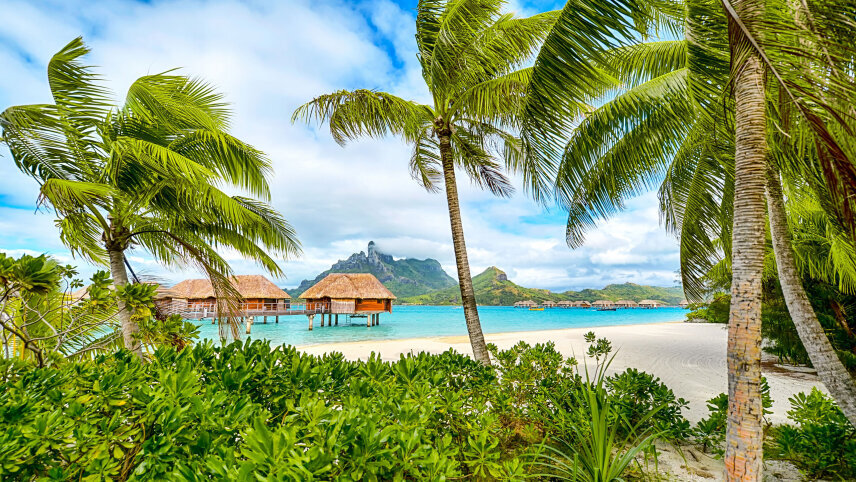
Considered the world's most beautiful island, the Society Island of Bora Bora is only 15 square miles. This stunning land is made up of a barrier reef of islets, each one connected to the next depending on the tides. Surrounded by a deep lagoon that glows countless shades of turquoise and emerald, its palm-lined shores and forested slopes rise up dramatically to the pillar-like peak of Mt. Otemanu at 2,379 feet. American novelist James Michener put the island on many travelers' itineraries in the 1950s when he called it “the South Pacific at its unforgettable best.”
Tahiti is an island paradise that lays claim to the invention of surfing. Its mile upon mile of sandy beaches, soothing waters and warm sun are ideal for leisure-seeking visitors. The island's volcanic origins deposited black sands on much of its coast creating a dramatic coastal canvas, while white-sand beaches stretch along the southern shores. Point Venus on the east coast boasts dark sands and moderate waves. The waters of Maui Beach, lined with palms, offer shallow, quiet surf for wading and snorkeling among stunning coral reefs.
Tahiti is the largest of the Windward Islands, which with the Leeward group, form the Society Islands. In 1769, explorer Captain James Cook sailed these shores to observe the transit of Venus. It has been a vacation destination since the 1960s, renowned for its azure waters and unspoiled landscapes. The capital Papeete offers an interesting contrast to the idyllic remote isles that French Polynesia is famed for; it is a vibrant, multicultural city with a busy harbor and bustling market, offering all manner of produce from fresh seafood to vanilla beans and colorful pareos.
The soaring massifs of Mt. Roa and Mt. Rotui watch over the narrow Opunohu Bay like sentinels, providing a stunning preview of Moorea's scenic splendor. Part of the Windward Islands, it is one of the most magnificent and pristine of the Society Islands. Some 1,000 years ago, Polynesians settled here. During the 18th century, British explorers Samuel Wallis and James Cook sailed into Opunohu Bay; the adjacent Cook's Bay was named for the latter. Today, Moorea greets visitors with white-sand beaches, jagged peaks and lush, primeval landscapes by its turquoise lagoon.
Crossing the International Date Line is a time-honored travel milestone long marked by ceremony. A journey west across this imaginary line between the poles moves time forward by 24 hours, effectively skipping a day. While traversing this meridian, it is tradition to celebrate the occasion by raising a glass to the event.
Wellington, the capital of New Zealand, enjoys a splendid setting and is hailed by many as the “coolest little capital in the world.” Its history is embodied in a rich collection of architecture, from classic weatherboard wooden cottages and the clean lines of art deco to Edwardian and postmodern wonders. The city's neoclassical Parliament House stands out and is listed as a Heritage New Zealand building for its history and cultural significance. The city hosts an array of arts and cultural institutions, including museums, symphonies, ballet and film.
Napier is an impressive cityscape of art deco architecture often compared to Miami Beach for its splendor. Built after much of the city was destroyed during a 1931 earthquake, the stunning “main street” design and art deco flair combine to create a city unlike any other in the world. The National Aquarium, one of the finest in New Zealand, can be found in Napier. Nearby, Hawke's Bay boasts more than 70 vineyards. The first ones were introduced by French missionaries during the mid-19th century. The city also holds claim as the largest wool center in the Southern Hemisphere.
Tauranga, nestled on the Bay of Plenty, is watched over by the dramatic Mt. Maunganui, an extinct volcano that helped shape this spectacular region of white-sand beaches and azure waters. The Māori arrived here in the 13th century, followed by the British 600 years later. Today, the city is home to a thriving cultural scene and stunning vistas of mountains rising from the surrounding waters. Tauranga is best known as the gateway to the bubbling mud pools and thermal fields of Rotorua. The local Māori believe this cauldron-like region to be a gift of fire from the gods.
Cultural capital of New Zealand's North Island, Auckland is known as the “City of Sails” for its residents' love of boating. This seafaring city has hosted three America's Cup challenges, and its marinas are brimming with world-class yachts. In tree-lined Albert Park, flower beds and towering palms point the way to a cast-iron central fountain. The neoclassical Auckland War Memorial Museum chronicles the nation's history within its edifice-like walls. The observation deck of the Sky Tower offers breathtaking bird's-eye views of Auckland's cityscape.
Sydney was founded as a penal colony in 1788 and is celebrated for its magnificent natural harbor. It has grown into the major cultural center of Australia, beloved for its all-embracing, free-spirited nature. The cultural jewel in its crown is the iconic Sydney Opera House, a UNESCO World Heritage Site nestled harborside like a gleaming white bird taking wing. Adjacent, the Royal Botanic Garden displays one of the world's most important horticultural collections across its 70 acres of flora-lined pathways.
In the heart of Sydney, The Rocks is the city's district of restaurants, galleries and shops. But its streets were not always so welcoming; during the 19th century, they were the haunt of ex-convicts and sailors who wandered among buildings made of clay and wood, thatched roofs or locally quarried sandstone—the district was named for the latter—looking for trouble. Many original structures have been razed and replaced, however one of the few to have survived in this is the Lord Nelson, Sydney's oldest pub brewery that has been serving pints and other libations since 1841.
Trace the scenic Australian coastline, indigenous people inhabited the continent for 60,000 years prior to European discovery.
The capital of Queensland, Brisbane is situated on its namesake river and spreads over picturesque hills rising from Moreton Bay. One of the oldest cities in Australia, its first European settlers were the secondary offenders from the Sydney penal colony. In addition to its riverside skyscrapers, the city is host to some decidedly less dramatic architecture: the quaint Queenslander homes characterized by their terraces and raised living spaces. Art galleries, museums and beloved musical venues also make the city one of Australia's most vibrant and active cultural centers.
Follow the route of English explorer James Cook, who famously laid eyes on Australia's “Sunshine Coast” from the deck of the HMS Endeavour.
The Whitsunday archipelago emerges from the Coral Sea amid the Great Barrier Reef. The seafaring Ngaro people called this paradise home until 1870 and hunted these waters in bark canoes. Nature's brushstrokes are astonishing here: pure-white sands meet cerulean waters, swirling together at sandbars to merge into a palette of turquoise, cream and emerald-green hills. Glassy, invigorating and impossibly blue, the waters provide the ideal oasis for relaxing and idling away a few hours on the beach.
Queensland's seaside resort town, Cairns is the gateway to a rich array of natural beauty onshore and off. Catamarans take marine lovers to the Great Barrier Reef; stretching for 1,400 miles, it is the largest continuous coral reef system on Earth. Inland, the wet tropics have given rise to Daintree and Kuranda National Parks, vast rainforest systems of extraordinary biodiversity and a profusion of birdlife. For all its appeal to outdoor enthusiasts, Cairns' thriving culture is a pleasure to absorb from the outdoor cafés or along the scenic waterfront promenade.
Cairns, a vibrant city on the shores of the Coral Sea, is more than a launchpad to nature's marvels. The city itself exudes a dynamic urban vibe. Its Esplanade is a lively promenade where locals and visitors converge, while in the Cairns Marina, catamarans and yachts set sail toward the Great Barrier Reef—a living, multi-hued expanse of coral and marine life. Cairns also has a deep connection to the Indigenous peoples of the Aboriginal and Torres Strait Islander cultures, who for tens of thousands of years have woven Dreamtime stories into the land and sea.
Traverse the mineral-rich waters of the Coral Sea, where the world-renowned Great Barrier Reef welcomes divers to explore its spectacular marine life.
Thursday Island was once home to a thriving pearl fishing industry. From the late 19th century, divers came from Japan, Malaysia and India to harvest these precious stones. The diving has declined, but traces of Asia's diverse influences remain. The island's Green Hill Fort was built during the 1890s with growing concerns of a potential Russian invasion. The fort was shut down just 30 years later and reactivated during World War II as a wireless station. Many islanders, still to this day, abide by a no-footwear policy out of respect for the spirits of their ancestors.
Darwin is the cultural hub of the continent's northernmost region. The laid-back city got its name after the HMS Beagle sailed into the harbor during a surveying expedition in 1839. The famed naturalist Charles Darwin was so esteemed that its captain named this newest discovery for him. Today, it is the largest city in the thinly populated Northern Territory state. It boasts a rich and lively arts and culture scene, much of it centered on the Museum and Art Gallery of the Northern Territory. Its collection of art and artifacts reflects the region and its indigenous people.
Follow in the footsteps of Indonesia's indigenous people and sail the Timor Sea. This stretch of water shares its name with the independent state of East Timor, which lies to its north.
Measuring approximately 300 miles wide and reaching a maximum depth of almost 11,000 feet in the Timor Trough, the Timor Sea is home to numerous reefs, uninhabited islands and important underwater deposits of oil and gas.
Komodo National Park spans 670 sq miles, encompassing 26 small isles and the three larger islands of Padar, Komodo and Rinca. Lesser known than neighboring Komodo Island, Rinca is an ideal location to see the world-famous Komodo dragon. The largest lizard in the world, these breathtaking creatures can grow up to ten feet long and typically weigh about 150 pounds. Wild pigs and water buffalos also inhabit Rinca, as well as saltwater crocodiles. A visit to the mangrove forests of Loh Buaya Park provides visitors with the opportunity to view these reptiles up close.
With a thriving arts scene, lush beauty and magnificent seaside vistas, Bali has long beckoned travelers in search of ultimate beauty. The island's rich Hindu culture has forever held that gods live in all things natural—from mountains to streams to pebbles on the beach—lending the island a peaceful air. Denpasar is the island's thriving capital. Founded as a market town, it still bustles with colorful stalls and vast emporiums selling bright sarongs and intricately patterned batik.
With its distinct flavors and traditions, Bali's food culture stands apart from that of the rest of Indonesia. Indigenous ingredients, recipes and techniques blend with influences from the island's Chinese and Indian heritages to create dishes found nowhere else. For many, a daily ritual may involve shopping for ginger, turmeric and kaffir lime in spice markets or for fruits, vegetables and meats in a pasar pagi. Traditional warungs, tiny family-owned food stands, often specialize in a particular dish, such as babi guling (suckling pig) or bebek betutu (crispy duck).
Sail one of the world's most successful commercial trade routes in history. The countless crates of spices carried over the Java Sea reportedly contributed to the famed Dutch Golden Age.
Java is Indonesia's repository of history and island culture. The bustling port of Semarang was founded by the Dutch and hints of the island's colonial past dot the cityscape. Outside the city, Borobudur, the largest Buddhist monument in the world, strikes a dramatic pose against a backdrop of four volcanoes. A popular place of pilgrimage and a UNESCO World Heritage Site, the massive pyramidal temple towers to a great height. The devout walk up a clockwise path to the pinnacle, passing 2,672 reliefs and 504 Buddha statues along the way.
Jakarta is a melting pot of cultures and a bustling capital. The city has been important to trade since the 4th century; it was founded as Sunda Kelapa, a significant trading port for the Sunda Kingdom, the Hindu realm that once occupied this area. The Dutch arrived in 1619 to establish the Dutch East Indies, renaming the city Batavia and proclaiming it their capital. Nutmeg, cloves, cinnamon and more were exported from here. During the Japanese occupation of World War II, the Dutch were expelled and the city took its current name, which it retained after independence.
Jakarta is an enormous mélange of cultures imported from Indonesia's 6,000 inhabited islands. Whether strolling the capital's outdoor markets or dining at a high-end restaurant, the city's menus reveal a cornucopia of cuisines that reflect the varied traditions of today's Jakartans. The local Betawi food is the culmination of centuries of Malay, Chinese, Javanese and other influences. Gado-gado, salad in peanut sauce, is one popular dish. Countless variations of skewered meats, fried rice and dumplings are also on offer.
Sail the Java Sea and navigate a vast archipelago of lush beauty. Today's nation of Indonesia encompasses more than 13,000 islands.
Singapore is the world's only island city-state. Established in 1819 for the East India Company by Sir Stamford Raffles, after whom the famed hotel is named, it grew from a secluded backwater into a shabby port city before transforming itself into a sophisticated metropolis. The technology and economy are highly advanced here, yet the islands host plentiful green parks with tree-lined footpaths and the stunning National Orchid Garden. For a panoramic view of it all, the observation deck of the Marina Bay Sands towers offers the perfect solution.
Singapore transformed from a sparse island to the economic giant of Southeast Asia. Malays, Indonesians, Indians, Sri Lankans and Chinese have all contributed to the city's rise as one of the world's most technologically advanced cities. Buddhist, Hindu and Taoist temples rub elbows with Muslim mosques and Christian churches, alongside street signs in English, Chinese, Tamil and Malay. Singaporean cuisine, too, has been shaped by the many cultures that have converged here; there is no better place to sample local fares than at one of the city's many open air food courts.
This narrow passage between Malaysia and the Indonesian island of Sumatra was a major route for early traders shipping glassware, precious stones, camphor, ivory and sandalwood. Today, it is one of the busiest shipping channels in the world, linking the Indian and Pacific Oceans. Along this historic waterway, the lush shores of Sumatra grace the horizon to the south, stretching out to lowlands, mangroves and swamps. The more urban skylines of Malaysia—George Town and Kuala Lumpur among them—shimmer in the distance to the north.
The capital of Malaysia, Kuala Lumpur was built by Chinese tin prospectors in the mid-1800s. Since then, the city of KL, as the locals call it, has grown into a stunning mix of colonial, Moorish, Tudor, neo-Gothic and Grecian-Spanish architecture. The two-story shophouses of Old Market Square, with storefronts below and residences above, reveal the lives of merchants. The magnificent Petronas Towers are the centerpiece of this fascinating city; the side-by-side twin spires resemble a pair of rockets, connected by a two-story sky bridge that spans the 41st and 42nd floors.
Langkawi is Malaysia's stunning archipelago of swaying coconut palms and island shores fringed by powder-sand beaches that lies some 30 miles from the country's northwestern coast. Langkawi's mangrove forest is renowned for its swamps, towering hills and varied wildlife, including otters and lizards, and macaques and tree crabs that can be seen hiding among the mangroves. Atop Mt. Machinchang, the Sky Bridge looms 2,300 feet above sea level, offering stunning vistas of Langkawi and its surrounding islands.
Capital of the Malaysian island of Penang, George Town has long been a crossroad. Today, it is a glorious celebration of culture, one of Asia's most colorful corners. Malays, Indians and Chinese all share a past here, as a ride around town via a pedaled trishaw will show. George Town's unique cityscape features shops from colonial days, Buddhist and Taoist temples, and kongsi, brightly painted clanhouses that traditionally open their doors to all who share a surname. The town's rich literary past includes residents such as Rudyard Kipling, Somerset Maugham and Noël Coward.
The Thai island of Phuket offers more than picturesque beaches and sweeping vistas of sparkling azure waters. The island was long a major stop on trade routes between India and China, often mentioned in ship logs of European sailors. Around 1545, one Portuguese explorer called the island Junk Ceylon, and the name stuck for decades. Later, the French, Dutch and English competed for the island's tin trade; the French East India Company won and played a role in local politics until 1688. Today, old Sino-Portuguese shop-houses and monuments to Buddha dot the island.
Traverse the Bay of Bengal, the world's largest bay and a vital trade route for global maritime commerce of goods such as textiles, petroleum and petrochemicals, minerals and agricultural and seafood products.
Brimming with old-world charm, Colombo is Sri Lanka's cultural epicenter. With its large harbor and strategic seaside location, Colombo quickly earned favor among ancient traders. The island was first colonized by the Portuguese, followed by the Dutch, then the English, who ruled until the country gained independence in 1948. Still today, evidence of all three nations is clear in the cuisine, language and architecture. Within the city's 19th-century fortress stands the neobaroque Old Parliament Building, and the city's streets carry the names of former British governors.
Sri Lanka's rich culture, colonial history and stunning setting merge along the mile-long Galle Face Green, nestled between the ocean and the business district. On this welcoming lawn kissed by sea breezes, young men play cricket, couples stroll and children fly kites. Food vendors may tempt passersby with isso wade—deep-fried shrimp cakes—or other treats. The prestigious Galle Face Hotel, built by the British in 1864, serves refreshing gin and tonics and offers a complete tea service. Its veranda is the perfect spot to watch the sun set over the Indian Ocean.
Sail the azure waters between the island nations of Sri Lanka and the Maldives at the tip of India's southern point. The Laccadive Sea has been a thriving region for pearl fishing for thousands of years.
Male, the capital of the Maldives, is the gateway to this enchanting, low-lying archipelago scattered across the equator. Remotely situated some 620 miles southwest of India and Sri Lanka and consisting of 26 atolls covering approximately 115 square miles, Asia's smallest country is a tropical paradise full of white-sand beaches, swaying palm trees and tranquil lagoons teeming with birdlife. Offshore, colorful reef fish, sea turtles and other marine life mingle among the vibrant coral gardens, making the Maldives a premier destination for curious divers and snorkelers.
Victoria, the capital and largest city of the Seychelles archipelago, sits on the island of Mahé in the western Indian Ocean. Originally settled by French colonists and called L'Établissement, it was renamed after Queen Victoria during the early 19th century when it became a British colony. Exuding tropical charm, its landmarks include the Clock Tower, an iconic structure erected in 1903 to commemorate Queen Victoria's diamond jubilee. The Sir Selwyn Selwyn-Clarke Market, bustling with vibrant colors and flavors, showcases the island's abundance of spices, fruits and fish.
Long before the Portuguese, the Greeks and Romans sailed the Indian Ocean to establish trade with southern India. The Tamils exported spices, silk and exotic animals, which can be seen in the mosaics of ancient Roman villas. As you sail, take advantage of the array of delicious cuisine offered on board. You may visit Mamsen’s, our casual gourmet deli, any time from early morning to late at night for a taste of traditional Norwegian fare. Or, dine at Manfredi’s and savor an authentic Italian meal, with options ranging from Milanese risotto to Tuscan inspired classics.
Kenya's chief port and a coastal gem, Mombasa is a melting pot of traditions. Located on a coralline island and linked by a causeway to the African mainland, it boasts a rich tapestry of Middle Eastern and African cultures, having been a key Indian Ocean port since the 14th century. The narrow streets of Mombasa's old town are lined with ornately styled architecture and home to mosques, cathedrals and Hindu temples, while lateen-rigged dhows and small vessels anchor in its ancient port between trips to trade with the Arabian Peninsula, Persian Gulf and India.
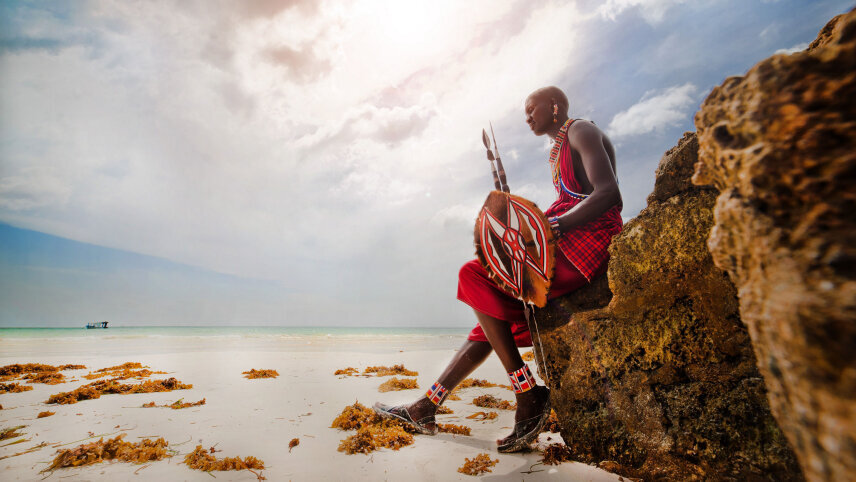
The lands outside of Mombasa are the home of the Maasai people, an Indigenous nomadic ethnic group in Kenya and Tanzania with a captivating culture rooted in their pastoral lifestyle. Their history is marked by resilience against colonial forces and a deep connection to the land. Their age-old traditions revolve around cattle herding, warriorhood and communal living. The Maasai are renowned for their distinctive red clothing, intricate beadwork and high-jumping dance. Today, Maasai communities balance tradition with modern challenges to preserve their rich heritage.
Mombasa's coastal setting places it within reach of some of Kenya's most remarkable wildlife experiences. National reserves offer encounters with elephants, sable antelopes and an array of birdlife amid lush coastal forests. Along the shoreline, marine parks, including Mombasa Marine National Park, reveal a vibrant underwater world where sea turtles, reef fish and colorful corals thrive. Whether exploring tropical forests or venturing into the Indian Ocean, visitors can immerse themselves in a landscape where nature and wildlife coexist with the city's rich cultural heritage.
Andoany, formerly known as Hell-Ville, is the small capital city of Nosy Be, an island off Madagascar's northwest coast. The island is known for its crater lakes, waterfalls and rainforests, which are home to an array of wildlife. The Lokobe Nature Preserve hosts endemic lemurs, bats, reptiles and birds. Nearby Nosy Komba allows glimpses of the rare black lemur. The waters offshore support extensive coral beds, attracting divers and snorkelers. Nosy Tanikely, a small uninhabited island, is famous for its unmarred beauty and frequent sea turtle sightings.
Though the Portuguese landed here in 1544, they did not fortify the nascent town until 1787. One hundred years later, as neighboring South Africa grew in economic prominence and gold was discovered nearby, the need to deepen the harbor for shipping increased. A rail link into the port from inland reaches further bolstered the city's prosperity, and by the mid-20th century, South Africans and Rhodesians (today's Zimbabweans) were vacationing in Maputo for its fine hotels, restaurants and beaches.
Located on the Mhlatuze River, Richards Bay is home to Africa's deepest natural harbor. Established during the Anglo-Zulu War of 1879 as a make-shift harbor, it was registered as an official town in 1969. Visitors can explore some of Africa's wildlife; Hluhluwe-imfolozi Park is Africa's oldest, and within the vicinity is the iSimangaliso Wetland Park, a UNESCO World Heritage Site and home to bathing hippos and crocodiles. The town's small-craft harbor offers captivating views of tugboats, yachts and other vessels amid a vibrant waterfront atmosphere.
The largest city in South Africa's KwaZulu-Natal province, Durban's Zulu name translates into “bay.” Durban is graced with stately Victorian touches, from the old Town Hall to the tree-lined Esplanade. The waterfront promenade invites leisurely strolls kissed by Indian Ocean breezes. The Durban Botanic Gardens are Africa's oldest, founded by British colonialists in 1849 as an extension of England's Kew Gardens. Durban is home to the largest Indian population outside India, infusing the city with a rich Hindu spirit and curry aromas.
The colonists built forts on the Eastern Cape to defend against the indigenous Xhosa people and approaching ships. German settlers arrived later and lent some surrounding towns, such as Berlin, their names. As East London grew, the harbor we see today was constructed to support trade. Today, East London is a cultural center rich in history, resting where the nation's Sunshine and Wild Coasts meet. Stately Victorian buildings recall its British past and the fascinating East London Museum holds unique ecological specimens, such as the world's only known dodo egg.
Previously called Port Elizabeth, the city's name was changed in 2021 to the Xhosa and Southern Khoe name for the Baakens River that flows through the city. Along with the surrounding towns and townships, Gqeberha forms part of Nelson Mandela Bay Municipality. Its urban coastline is dotted with picturesque, Blue Flag beaches which are popular hotspots for locals and visitors alike. In addition, the city serves as a gateway to the Eastern Cape's wildlife and great outdoors, including safari adventures to witness the “Big 5” game species.
Traverse the warm waters of the Indian Ocean and discover its biodiverse life that nurtures colorful coral reefs and ancient seamounts.
Cape Town enjoys one of the world's most picturesque settings at the foot of the iconic Table Mountain. The cosmopolitan city is the gateway to dramatic coastal splendor, a thriving wine country and a rich array of cultural venues that embody the spirit of the “Rainbow Nation.” The city's heritage took root in Company's Garden, where 17th-century European settlers grew food to stock ships rounding the cape. In and around the celebrated Victoria & Alfred Waterfront, historic architecture and delicious cuisine reflect an array of African, Dutch, English and Malay influences.
One of Cape Town's most colorful and fascinating districts, Bo-Kaap unfurls along the slopes of Signal Hill. This kaleidoscopic neighborhood of brightly hued houses lining cobblestone streets is home to the vibrant Cape Malay culture. The Asian flavor remains in sacred mosques, fragrant spice markets and delicious restaurants. The noontime cannon that booms from atop Signal Hill once helped sailors synchronize their watches, but today it ushers in the lunch hour, when the aromatic scent of Cape Malay cuisine fills the air as it drifts from local eateries.
Trace the Mid-Atlantic Ridge, an underwater mountain range longer than the Rockies, the Himalayas and the Andes combined. Its hidden towering peaks divide the Atlantic Ocean in half, North to South.
Situated between the sands of the Namib Desert and the surf of the South Atlantic, Lüderitz retains a Bavarian flavor from Namibia's days as German South-West Africa. Remarkably, the town has changed little since Germany departed in 1915. Stunning Art Nouveau buildings, seemingly relocated from Europe, lend a surreal feel to a simple stroll as the aromas of kreppel pastries waft from a bakery and the Gothic-style Felsenkirche, or Rock Church, looks on from atop Diamond Hill. The Lüderitz Museum helps to make sense of this remarkable dual canvas of Europe and Africa.
Named for the whales that lured fishing vessels to its plankton-rich waters, Walvis Bay, or “Whale Bay” in Afrikaans, enjoys a deep harbor and the protection of the Pelican Point sand spit. The port was long valued by explorers making their way around the Cape of Good Hope, but it was the British who occupied it by 1884 and eventually incorporated it into their Cape Colony. Today, Walvis Bay is the gateway to the rich culture of Swakopmund, where German architecture recalls the settlers who established this coastal city in 1892 with the support of the kaiser.
Walvis Bay, a coastal gem on Namibia's western coast, is home to striking natural beauty. Its saltwater lagoon hosts one of Africa's largest concentrations of flamingos. The Namib Desert, the world's oldest, surrounds the city with stunning red sand dunes reaching to the coast. Dune 7 is the region's tallest and most spectacular, its peak measured at more than 1,256 feet tall. Adventure seekers can sandboard, kitesurf and explore the desert's wildlife before partaking in Walvis Bay's vibrant culture and cuisine, highlighted by fresh seafood, including sought-after oysters.
Luanda is the most populous Portuguese-speaking capital city in the world and among the oldest colonial cities in Africa, having been founded in 1576 as São Paulo da Assunção de Loanda. Angola's primary port, as well as its major industrial, cultural and urban center, the city is a short drive from striking natural wonders, including the otherworldly landscape known as Miradouro da Lua (“Viewpoint of the Moon”). Here, millions of years of erosion have created a karst landscape with different colored strata that stretch toward the sea.
Sail the legendary waters of the South Atlantic Ocean, where intrepid explorer Sir Ernest Shackleton navigated the fateful voyage of the Endurance, which resulted in her sinking in Antarctic waters in 1915. Renew your body, mind and spirit in our Scandinavian-inspired Spa, a Nordic sanctuary of holistic wellness, today while at sea. Whether you unwind in the Sauna, refresh in the Snow Grotto or take a dip in the Thermal Pool, you will feel recharged and revitalized.
Lagos, meaning “lakes” in Portuguese, is Africa's most populous city and Nigeria's former capital. Facing the Atlantic Ocean, this area originated as a complex of waterways, islands and sandbars. As the population expanded, so did land reclamation projects, connecting these isles to make a metropolis. Now Nigeria's center for commerce and business, its humble fishing origins can be seen in the presence of small boats in the city's creeks and lagoons. Nature can still be found amongst this booming community, with the city boasting the longest jungle canopy trail in Africa.
While Lagos is known as the commercial center of Nigeria, it is also home to a blossoming arts scene. Vibrant collections like the Nike Art Gallery, which features an impressive collection of contemporary and traditional Nigerian works, are not to be missed. The city also hosts Nigeria's movie industry, which ranks second in the world for number of movies produced per year. With its roots in filmed plays, this field has transformed into one of the largest employers in Nigeria. From colorful exhibitions to a thriving film sector, there is no shortage of talent to appreciate.
As Ghana's current capital and most populous city, and the former capital of the British colonial Gold Coast, Accra's importance extends from the past to the present. This bustling city's history can be seen in its architecture, with 19th-century colonial-style homes and forts nestled amongst Accra's skyscrapers, colorful markets and independence monuments. Beyond its infrastructure, Accra hosts stunning natural scenes, including its beaches and the impressive Aburi Botanical Gardens.
Takoradi was a humble fishing village until 1920 when it was merged with its "twin," Sekondi, to make it the central transportation hub and port city it is today. This maritime history can still be felt in its impressive harbor, the oldest in Ghana and the location of much of the country's export business. The vibrant nature of this city is best represented by the Market Circle, where a range of goods, including clothes, produce and electronics, can be found. Historic forts and lighthouses dot the city's scenic coastline as reminders of the area's dark, colonial past.
Dakar exudes the rich authenticity and vibrancy of the real Africa. Spread across the triangular shape of the Cape Verde Peninsula, this ever-evolving city clings to long-held traditions. Today, accents from the city's days as the capital of French West Africa are everywhere, from the impressive Hôtel de Ville de Dakar to the facade of the railway station. A recent landmark, the ambitious Monument of the African Renaissance, stands atop a hill outside Dakar. The tallest statue on the continent, it commemorates the 50th anniversary of Senegal's independence from France.
The Atlantic Ocean derives its name from Greek and means “Sea of Atlas,” a reference to the mythological Atlas, a Titan who supported the heavens on his shoulders as a punishment for fighting the gods.
The Cape Verde archipelago is group of ten volcanic islands that enjoy a year-round warm climate, turquoise seas and beautiful landscapes. The isles were first inhabited after their discovery by Portuguese sailors during the 15th century. Mindelo is the capital of São Vicente and birthplace of Cesaria Evora—a singer who rose from poverty to worldwide fame on the international stage. She performed her distinctive mornaballads to audiences while barefoot, which soon became her trademark style; her music is widely celebrated and is a part of Cape Verde's heritage.
The nutrient-rich waters of the Atlantic Ocean are home to more than half of the world’s fisheries, annually providing millions of tons of fish and other marine species for human consumption and industrial purposes. As you sail today, savor a range of international cuisine on board. Choose from a variety of international flavors at the World Café, enjoy al fresco dining on the Aquavit Terrace, or regional specialties in The Restaurant.
Santa Cruz de Tenerife exudes both Spanish flair and island tranquility, featuring painted buildings, shops and a city park where fountains and birdsong provide a soothing ambiance. Volcanic Mt. Teide, Spain's highest point, looms over much of the island. Its hills harbor fruit plantations and vineyards that produce some of Spain's finest wines. The Orotava Valley slopes down from Teide to the sea and Puerto de la Cruz; the former fishing village transformed into a spa town in the 19th-century and today invites a stroll amid its boardwalks, leafy squares and seaside charms.
Rising from the rubble of a devastating earthquake in 1960, today Agadir is a thriving modern city. European-style cafés line the avenues and boulevards resembling the atmosphere of a Mediterranean resort. The beach is a welcome attraction for locals and visitors alike, and the marina provides a scenic backdrop while shoppers browse a blend of locals stores and well-known international brands. For a more authentic experience, the Souk el Had (a local market) showcases traditional products, from rugs and leatherware to flavorful spices.
Situated on the shores of the Atlantic Ocean, Agadir is the capital of Amazigh culture—the Indigenous peoples of North Africa. Historians believe the Amazigh migrated to Morocco from the Middle East and are descendants of the pre-Arab population. Today, there is a resurgence to promote greater recognition of the Amazigh ethnic identity, with images and music infused in modern culture. Visitors can enjoy a warm welcome in the foothills of the Atlas Mountains and remote villages, and gain insight into their customs and traditions.
Casablanca lures visitors with its heady mix of neo-Moorish splendor and French influence. Known as “Casa” to locals, its streets exude an atmosphere of bygone days. Made famous by the 1942 eponymous film, today it is one of Africa's most important ports. Parisian-style boulevards unfold past cafés and colonial buildings. The city's medina is a maze of warrens pulsing with old-world energy, the hollers of carpet merchants and the fragrance of incense. The most impressive structure is the Hassan II Mosque, the country's largest and most magnificent.
Casablanca is among the largest cities in the Arab world and is Morocco's economic powerhouse; its pulse reverberates through streets where traders, entrepreneurs and innovators converge. The city's bustling boulevards are a linguistic mosaic where Arabic, French and Berber dialects intermingle—a testament to Casablanca's cosmopolitan spirit. Its skyline, adorned with Art Deco gems, echoes its colonial legacy, while the Corniche, a scenic promenade along the Atlantic Ocean, frames this vibrant metropolis's shoreline.
Cádiz lies on Spain's breathtaking province of Andalusia and gained incredible wealth during the 18th century; riches from the Americas were unloaded here after the Guadalquivir River to Seville silted up. This scenic southern region is the home of the matador and world-class equestrian art. Seville, city of polyamorous suitor Don Juan, boasts plenty of its own glories. Its grand cathedral, Alcázar Palace and Tower of Gold were built from the coffers of Spanish kings, but its fiery flamenco defines its true spirit. It is best to ponder it all while sipping sherry at a bodega.
Lisbon has inspired explorers for centuries with its stunning setting at the Tagus River's mouth. Its labyrinthine streets carry echoes of 16th-century navigators who sailed on the winds of the Age of Discovery. The city prospered greatly from its trade. And today's streets are lined with the legacies of wealthy builders, including the Jerónimos Monastery and Belém Tower, stunning works that introduced Manueline architecture. Savoring local cuisine and port wine are favorite pastimes here. On any evening, the strains of fadospill from clubs in the historic Alfama District.
Throughout Lisbon, fascinating monuments tell this proud city's story. Along the riverfront, in Praça do Comércio, an equestrian statue at its center represents Portugal's King José I, who capably rebuilt the city following the devastating 1755 earthquake. Among the most recognized of Lisbon's monuments is the grand Monument to the Discoveries on the banks of the Tagus River, displaying statues of more than 30 contributors to exploration, whose bravery and spirit still shape the culture of this vibrant European capital.
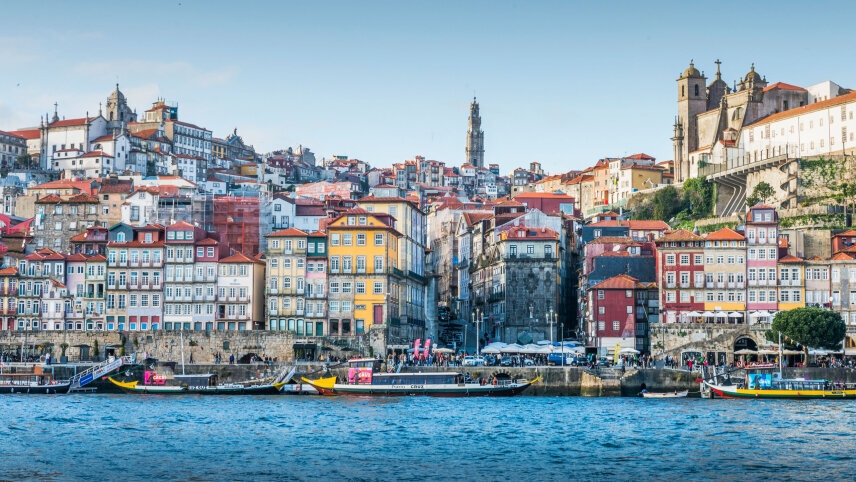
Porto holds a place of great traditional importance. The town lends its name to the port wine produced in the region and throughout the nation. Located along a rocky embankment, the city boasts picturesque neighborhoods, fashionable restaurants and lively markets. Like Lisbon, Porto has a rich past; its historic center is a UNESCO World Heritage Site of narrow cobblestone streets brimming with romantic buildings spanning the centuries and a Romanesque cathedral. At the riverside, small barcos rabelos, boats once used to transport casks of wine, paint a charming scene.
The stunning Atlantic setting of A Coruña lends this historic city a wide-open feel. The Roman-era Tower of Hercules is a lighthouse that has been in continuous operation since the 2nd century. The coastal San Antón Castle once defended northern Spain from seafaring intruders. The city is known for the historic row of houses along Avenida de la Marina; these 19th-century buildings are fronted by white-glazed glass balconies that, viewed side by side, form a wall of white. The city's bicycle-friendly promenade leads to the glass Millennium Obelisk monument and Orzán Beach.
The vast waters of the Atlantic Ocean have played a crucial role in exploration, trade and cultural exchange for centuries. Christopher Columbus departed Spain for Asia in 1492, landing on Caribbean shores as one of the first European settlers.
Le Havre is France's second-largest port. Its central city is a UNESCO World Heritage Site and its Museum of Modern Art holds one of France's largest impressionist collections. The waters of the Seine River have flowed from Paris, one of the world's most celebrated cities, whose cultural and historic significance is impossible to overstate. Priceless artwork adorns palatial museums here, from the Louvre to the Musée D'Orsay. The iconic Eiffel Tower watches over Parisians and visitors as they take romantic strolls along the Seine and linger in bistros over café au lait.
Most famously known for its dramatic white-chalk towering cliffs, Dover is the nearest city to France across the English Channel. Its strategic location as a doorway into England has earned it the moniker “Key to England.” As the port was under constant threat because of its location, the massive Dover Castle overlooking the channel grew over the centuries to become the nation's largest edifice and remains so today. Dover also served as a bastion and command center during World War II.
Greenwich, a borough of London, is home to the Royal Observatory. From here, the world's longitude is measured from the prime meridian, and Greenwich Mean Time sets the global time standard. At the port, the clipper ship Cutty Sark, one of Greenwich's renowned historic landmarks, is preserved as a fascinating museum. Upriver, London is home to Buckingham Palace, the Houses of Parliament and Westminster Abbey. In addition, this major economic and cultural hub boasts a long tradition of arts and architectural innovation—from Shakespeare's Globe Theater to West End musicals.
Bid farewell to your fellow guests and journey home. Or spend more time exploring, perhaps joining one of our extensions.
Life On Board
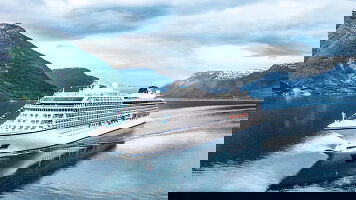
Launched in 2017, the Viking Sky is an all-veranda ship, part of a fleet of award winning, state of the art ships incorporating all the comforts & luxuries you would expect from Viking. Read more
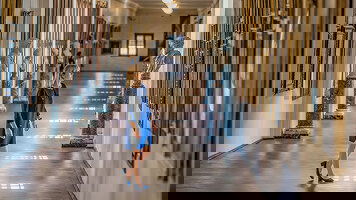
Viking are destination experts. With no casinos or children on board, you can be assured that the focus is firmly on enrichment and education. Read more
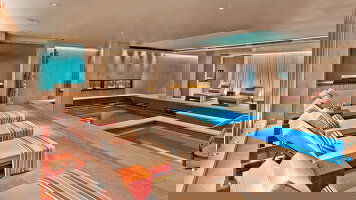
After a day of exploration or just to enhance the relaxation of a day at sea, the on-board Spa will leave you feeling recharged and revitalized. Read more
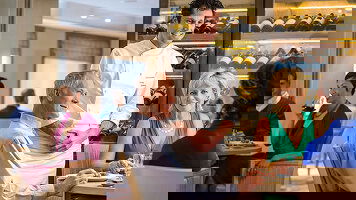
Viking offer eight on board dining options. Beer, wine and soft drinks are available with lunch and dinner at no additional charge of fee. Read more
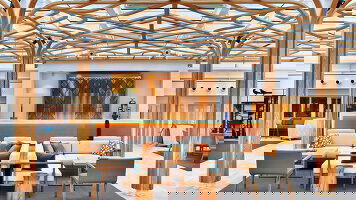
Viking proudly includes all that you need and nothing you do not. A variety of features and services valued at $200 per person per day are standard inclusions in your cruise. Read more
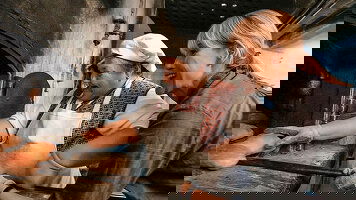
Viking include one complimentary shore excursion in every port of call. Enjoy exclusive entry to cultural treasures and seldom-seen collections around the world. Read more
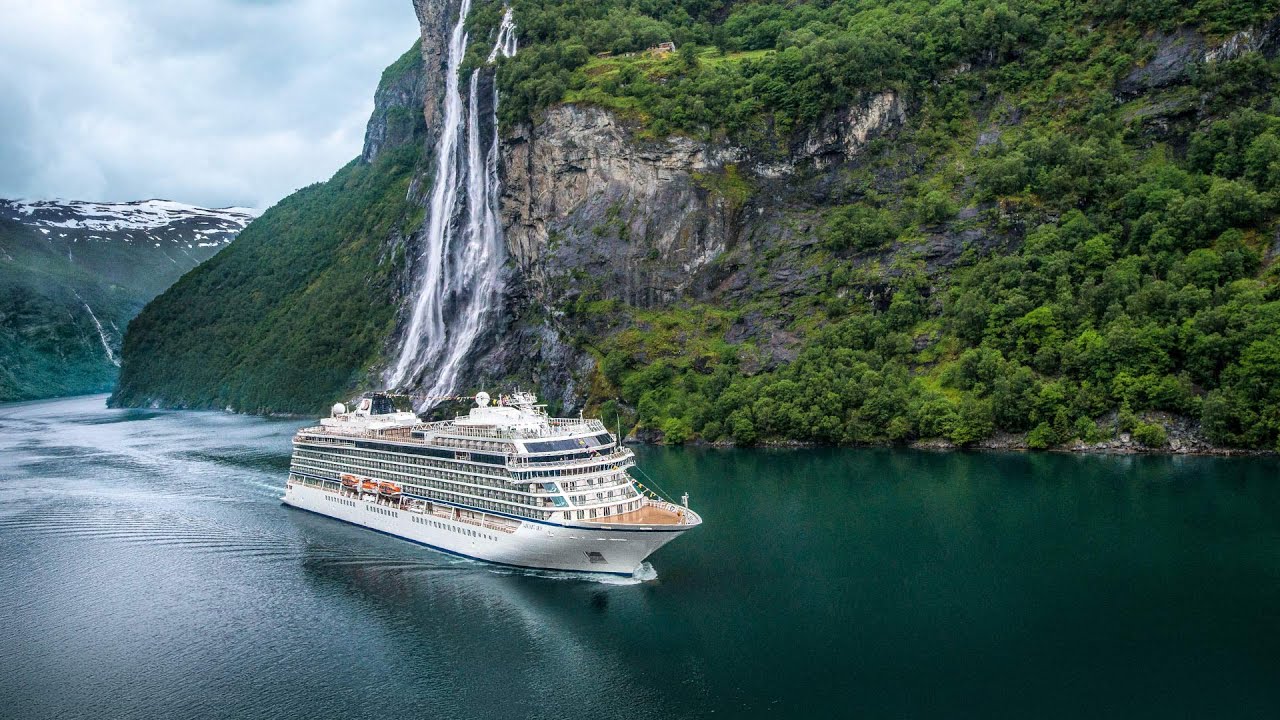
Download Brochure
Viking Expeditions (2025-27)
Dates & Pricing
Viking Explorer Society
GJ Loyalty Discount
Cabin Layout Options:
Select Cabin Preference:
Tour & cruises prices are per person. Prices shown have savings applied, are subject to availability and may be withdrawn at any time without notice. Pricing and trip details are correct at this point in time, however are subject to confirmation at the time of booking and are subject to change by Viking. For cruise itineraries, cabin images are sourced from the cruise-line and should be treated as indicative only. Cabin inclusions, upholsteries and room layout may differ to the image(s) shown depending on the ship selected and your sailing dates.
