Japan Discovery
Overview



Itinerary
Embark your ship and settle into your stateroom. Tokyo is a spellbinding blend of neon splendor and tranquil Shinto shrines, towering skyscrapers and meditative Zen gardens. Founded as the tiny fishing village of Edo, Tokyo's history was shaped by emperors and shoguns. As the Edo period progressed, it grew into one of the world's largest cities, as it remains today. Tokyoites embrace the traditional and the cosmopolitan here, both worshipping at the city's Asakusa Kannon Temple and frequenting the high-end retail stores of the Ginza district, all while the distant symmetrical cone of Mt. Fuji watches over the city.
Tokyo as a city was officially dissolved in 1943 and 23 independent municipalities were formed, known as ku. Each neighborhood is representative of a small city yet collectively, they are still recognized as Tokyo. Exploring this vast city is easy, thanks to Tokyo's excellent transport system. Look to the skies and admire its ever-changing skyline with towering buildings in every corner of the city. Observation platforms feature in many, including Mori Tower or the Metropolitan Government Building.
Sail Mar Pacífico, meaning “peaceful sea,” dubbed by Ferdinand Magellan when he crossed these waters almost 500 years ago.
Tomakomai is a gateway to Sapporo—one of Japan's youngest major cities, offering scenic beauty through every season. This lively port hub features inviting green spaces, including Odori Park, a central boulevard of gardens and promenades, alongside street vendors and a modern underground shopping facility. Sapporo is also famed for its namesake beer—first brewed in 1876, it has become a global brand—and as the birthplace of miso ramen. Nearby, visitors can also embrace Hokkaidō's geological wonders, such as the Noboribetsu “Hell Valley” and its mineral-rich hot springs.
Rich in nature, history and culture, Aomori is home to Hirosaki Castle, one of Japan's original twelve castles—today, it still stands, recalling its centuries-old samurai past. While Aomori is perhaps most known for its beauty during the spring cherry blossom season, it offers scenic landscapes year-round; it is home to the UNESCO-listed Shirakami Sanchi, one of East Asia's last virgin forests. Spirituality infuses the region, which is also home to the Seiryu-ji Temple with its towering Showa Daibutsu (Great Buddha of Showa).
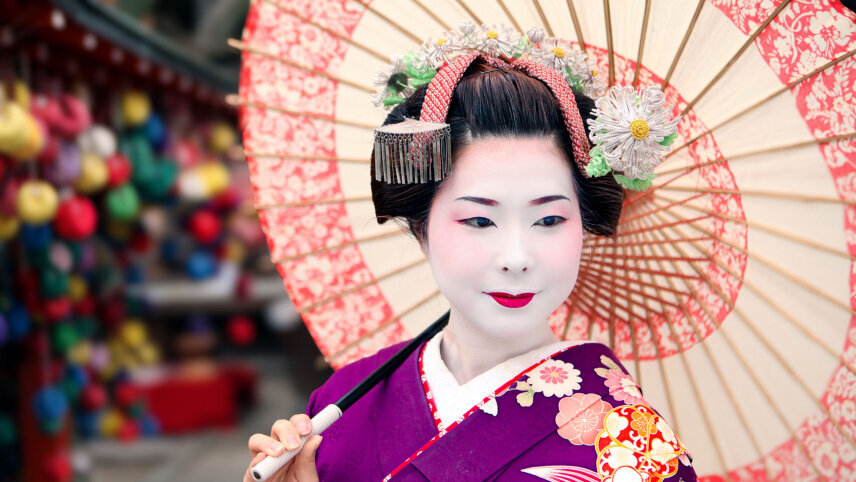
Niigata is renowned for its rich agricultural heritage, deep history and refined culture. Famed as Japan's leading rice‑producing region, Niigata is also known for its exceptional sake, including the award‑winning Koshino‑Umesato sake, crafted by the DHC Brewery for more than a century. Rooted in traditions dating back to the Edo period, Niigata preserves its cultural legacy through the continued practice of geisha arts, while Shibata Castle offers a compelling glimpse into Niigata's samurai past.
Historically serving as protection from Japan's foreign invaders, the Sea of Japan has been traveled for centuries; European exploration in the region began in the 18th century, where French explorer Jean-François de Galaup, Count de La Pérouse, traveled northward through the Sea of Japan and the strait that was named for him in search of new trade opportunities and scientific data.
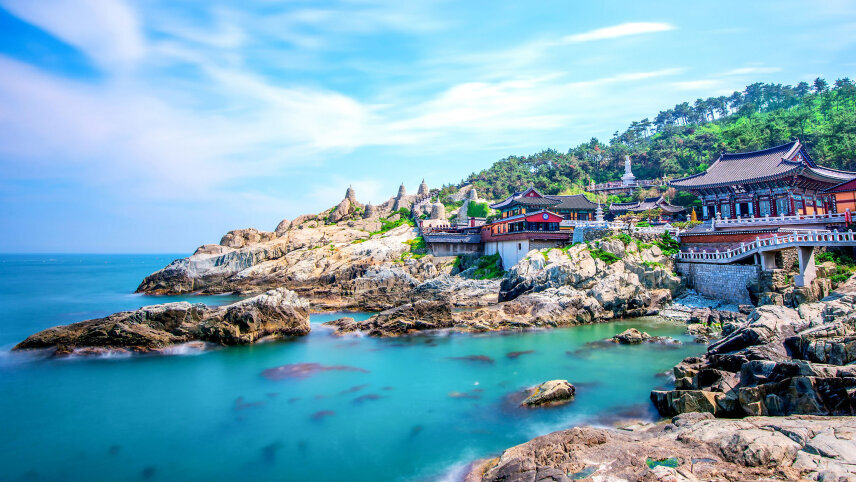
Located in the southeastern region of the Korean Peninsula, Busan is South Korea's “second city” after Seoul. It has been built on 17 centuries of history, and its port, the nation's first to have an international reach, is one of the world's largest. During the Korean War, Busan was one of only two cities unoccupied by North Korean forces. Today, its modernity is unmistakable and distinct. Culture, education and commerce comingle here, with a wide array of markets, universities and fascinating museums, and Korea's largest beach cuts a graceful arc along the city's shores.
Hakata, the historic heart of Fukuoka, is rich with cultural landmarks, ancient temples and iconic modern architecture, reflecting the city's blend of old and new. Sites of worship define the spirit of Hakata, including the Kushida Shrine and the Tochoji Temple, which blends spiritual significance with impressive craftsmanship. The city showcases its modern side with the soaring Fukuoka Tower; covered in more than 8,000 semi‑mirrored panels, the tower is not only a striking architectural landmark but also functions as a major broadcast antenna for TV and radio stations.
Containing two undersea rail tunnels, the Kanmon Straits are a vital waterway between the Sea of Japan and the Inland Sea, connecting Japan's leading manufacturing centers to Kitakyūshū, a city amalgamation of Yahata, Wakamatsu, Tobata, Kokura and Moji.
Hiroshima was founded in 1589 and grew to become one of Japan's most important educational and industrial centers. Military supplies were later exported from here, an industry that would seal the city's fate at the end of World War II, when an atomic bomb was dropped here on August 6, 1945. It is hard to imagine the destruction today, so modern and forward-looking are its streets and its people. In Peace Memorial Park, the hollowed dome of the former Industrial Promotion Hall symbolizes the city's hope that nuclear weapons will never be used again.
Traverse the world's largest ocean, which covers almost 64 million square miles. At twice the size of the Atlantic, the Pacific is an ocean of extremes.
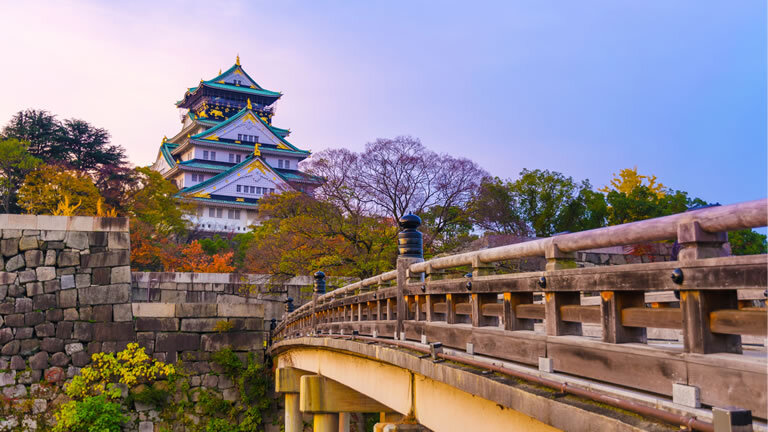
Osaka is located at the mouth of the Yodo River and is second only to Tokyo in size and cultural landmarks. For centuries, it prospered because of its mercantile economy. During the Edo period, it introduced agriculture, particularly rice, to its exports and was soon known as “the nation's kitchen.” The city is home to some of Japan's oldest Shinto shrines. Its Sumiyoshi Grand Shrine is the flagship of 2,000 others spread throughout Japan. Each honors the guardian deity of sailors and the deity of prosperity, but the one here is the most majestic.
Shimizu is a scenic city set on Suruga Bay, watched over by Mt. Fuji. It has long been a thriving harbor town and prospered during the Edo period. Today, its economy stands upon a vast fishing industry and on the export of green tea, whose leaves are cultivated in nearby hills. Beyond the city limits, wide plains reach coastal hills, and to the original burial place of the nation's first shogun. This Shinto shrine, Kunōzan Tōshō-gū, is Japan's oldest. With its flamboyant design, it is dedicated to Tokugawa Ieyasu, the leader who unified Japan after years of civil war.
Historic Shimizu and its port increased in importance after Tokugawa Ieyasu chose Sumpu Castle as his place of retirement in 1605. By the early 20th century, tea exports were the mainstay activity, while today, the port handles a wide variety of cargo. Along the waterfront, a modern shopping mall houses eateries, movie theaters and a Ferris wheel. While a little further afield, the Kashi-no-Ichi Market sells the day's catch.
Bid farewell to your fellow guests and journey home. Or spend more time exploring, perhaps joining one of our extensions.
Download Brochure

Viking Ocean Voyages (2027-29)
Dates & Pricing
Viking Explorer Society
GJ Loyalty Discount
Cabin Layout Options:
Select Cabin Preference:
Tour & cruises prices are per person. Prices shown have savings applied, are subject to availability and may be withdrawn at any time without notice. Pricing and trip details are correct at this point in time, however are subject to confirmation at the time of booking and are subject to change by Viking. For cruise itineraries, cabin images are sourced from the cruise-line and should be treated as indicative only. Cabin inclusions, upholsteries and room layout may differ to the image(s) shown depending on the ship selected and your sailing dates.