Mediterranean, Malta & North Africa
Overview



Itinerary
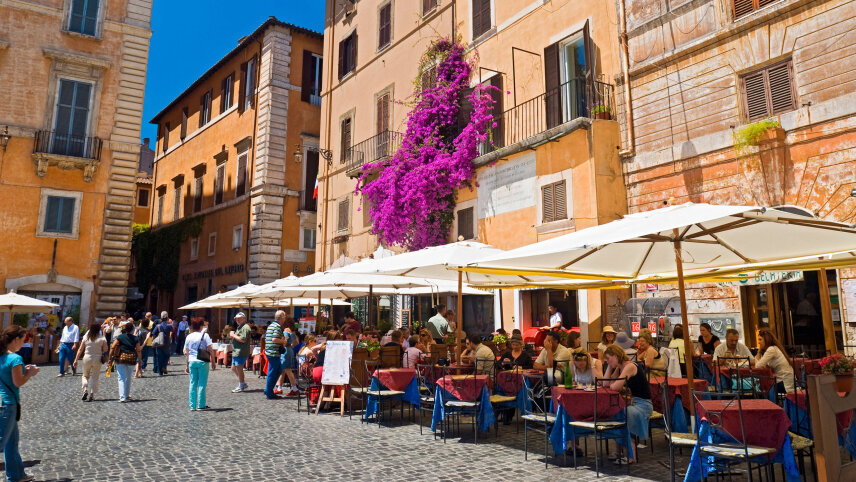
Embark your ship and settle into your stateroom. For centuries, Rome ruled much of Europe, building a vast empire from the power of emperors. More than 2,500 years of history live in the city's streets. Ancient structures recall those heady days when the cheers of 80,000 spectators roared from the Colosseum, citizens mingled in the Forum and senators asked the gods for guidance at the Pantheon. Along with the Vatican and St. Peter's Basilica, this rich pocket of Italy is one of the world's greatest repositories of history and civilization.
Of all the Aeolians, Stromboli strikes the most dramatic pose, emerging from the waters of the Tyrrhenian Sea. Its imposing volcano doesn't appear to leave room for much else on these black-sand shores, yet small communities of Italians live a simple existence here. Approximately 500 people live on the island, mostly on the northeast side, many of which believe Iddu's steady release of pressure prevents a major eruption and are happy to share their backyard with Sicily's most distinctive neighbor.
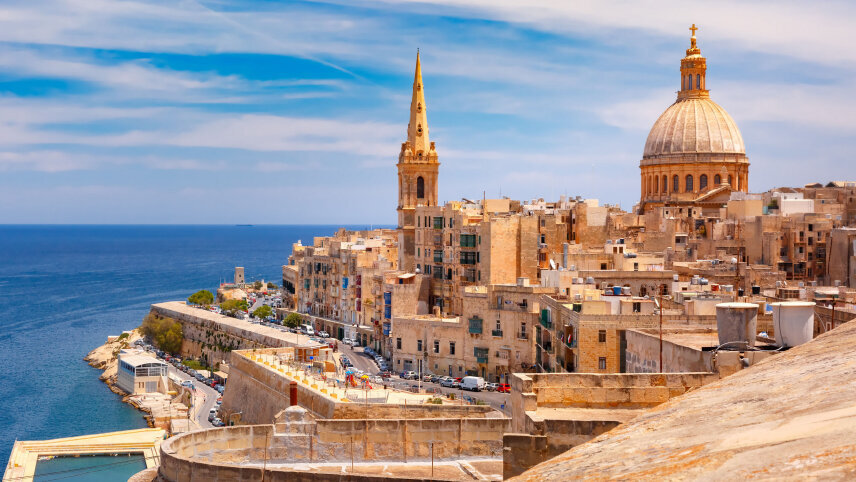
The Island of Malta has been shaped by countless civilizations. But it was the Knights of St. John who built Valletta, a UNESCO World Heritage Site. This baroque wonder is one of Europe's first cities planned and constructed from scratch, cut from local honey-colored limestone. The humble facades of its churches and palaces hide extravagant interiors of marble, tapestries and paintings. A stroll around the massive walls and bastions affords a striking bird's-eye view of the cityscape and the spectacular Grand Harbor.
Valletta's green space is at a premium in this tiny city. The Upper Barrakka Gardens, created in 1661 upon the St. Peter & Paul Bastion, are perched at the highest point of the city walls. The Knights of Malta once escaped the demands of court in this splendid and shady haven; its terraces offer sweeping views of the Grand Harbor and medieval warrens below. The centerpiece is a pair of arched walls surrounding a tranquil stone courtyard. Among the garden's palm-lined lanes is a memorial to Winston Churchill.
Tunis is a vibrant mix of North African tradition and French influences. The modern city revolves around Avenue Habib Bourguiba, affectionately called the “Champs-Élysées” for its colonial buildings, shops and cafés. A drive along this lively tree-lined boulevard and a walk through the passageways of the city's souks reveal contrasting views of ancient and modern Tunisia. The nearby ancient city of Carthage was the capital of the Carthaginian Republic, a powerhouse in the Mediterranean for centuries. A stroll around this UNESCO site opens a window to antiquity.
Sail the ocean stage on which civilizations have risen and fallen, where empires ventured forth in their great armadas to control these strategic waters.
Known as “Alger la Blanche” for its white buildings gleaming on the Mediterranean, Algiers is a heady mix of ancient and modern. Today's bustling city hugs the shore and boasts many gracious French accents from colonial days such as the Grand Poste and generous wide boulevards and gardens. Districts from the city's pre-colonial Ottoman past rise from the coast upon the slopes of the hillside beyond. The city's pinnacle of historic splendor, Algiers's casbah, crowns this hilltop. Its maze of stone warrens offers an ideal setting in which to pause for mint tea and kebabs.
Follow in the footsteps of great armadas that once sailed these waters. Historically, empires knew that to control this sea provided a strategic advantage in controlling the surrounding regions.
Casablanca lures visitors with its heady mix of neo-Moorish splendor and French influence. Known as “Casa” to locals, its streets exude an atmosphere of bygone days. Made famous by the 1942 eponymous film, today it is one of Africa's most important ports. Parisian-style boulevards unfold past cafés and colonial buildings. The city's medina is a maze of warrens pulsing with old-world energy, the hollers of carpet merchants and the fragrance of incense. The most impressive structure is the Hassan II Mosque, the country's largest and most magnificent.
Cádiz lies on Spain's breathtaking province of Andalusia and gained incredible wealth during the 18th century; riches from the Americas were unloaded here after the Guadalquivir River to Seville silted up. This scenic southern region is the home of the matador and world-class equestrian art. Seville, city of polyamorous suitor Don Juan, boasts plenty of its own glories. Its grand cathedral, Alcázar Palace and Tower of Gold were built from the coffers of Spanish kings, but its fiery flamenco defines its true spirit. It is best to ponder it all while sipping sherry at a bodega.
Granada is a splendid canvas of Moorish architecture, rich Andalusian tradition and remarkable history. It was the last stronghold of the Moorish Nasrid dynasty, whose 250-year reign ended during the 1492 reconquest of Spain by Catholic monarchs. The grand Granada Cathedral is a soaring celebration of that victory; its Royal Chapel holds the tombs of Queen Isabel and King Ferdinand, the celebrated pair who oversaw the triumph. Their magnificent fortress-palace, the Alhambra, was long the stronghold of Moors, and so offers a magnificent blend of Islamic and Christian detail.
Traverse the warm waters that envelop the Spanish isles of Mallorca, Minorca, Cabrera, Ibiza and Formentera.
The vibrant city of Barcelona, with its lively culture and inviting outdoor spaces, preserves a rich history. Picturesque medieval lanes wind through the oldest part of the city, the Gothic Quarter, where remnants of the city's Roman wall were uncovered. Its treasures include the neo-Gothic Barcelona Cathedral, the medieval Jewish district of El Call and the Romanesque Church of Santa Maria del Pi. In the evenings, diners relax in the Royal Plaza at restaurants along the elegant square's perimeter.
Marseille is rich in historic treasures, nestled between the Mediterranean and rocky hills of limestone. Two 17th-century fortresses dominate the charming Vieux Port, or Old Port, the natural harbor that hosts all manner of watercraft, from sleek elegant yachts to old style fishing vessels. Its picturesque quay is one of the world's most romantic walks, lined with dozens of cafés and shops. Also worth exploring is the city center, graced by La Canebière boulevard. Linger in a café and sample the city's signature bouillabaisse made from freshly caught fish.
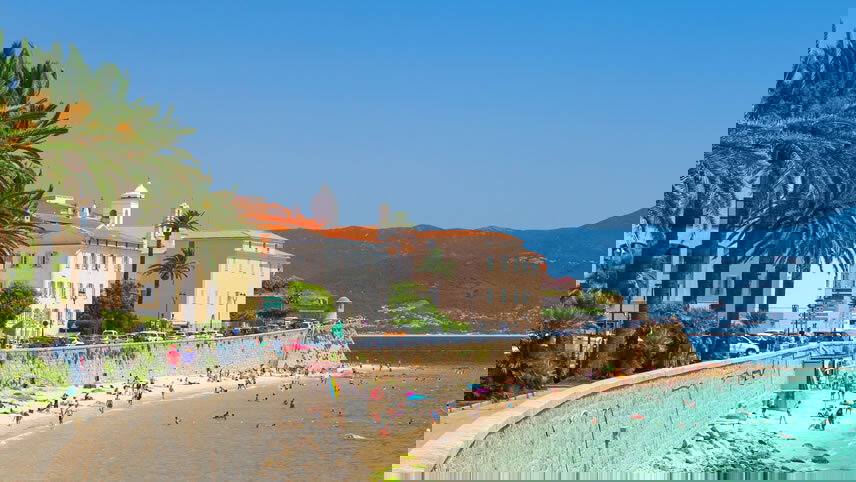
From medieval walled towns to idyllic seaside villages, Corsica is a traveler's paradise. The island's capital of Ajaccio is the birthplace of Napoleon Bonaparte. France's great emperor is immortalized in the city's several monuments to its hero, including his ancestral home and a striking bronze statue at Place de Gaulle. The city also boasts elegant Belle Époque houses and an atmospheric Old Town. Corsica's long ties to Italy have infused it with many Italian nuances—Tuscan-like beauty, rustic farm cuisine and viniculture among them—but the island remains truly French.
Bid farewell to your fellow guests and journey home. Or spend more time exploring, perhaps joining one of our extensions.
Life On Board
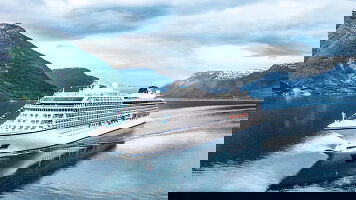
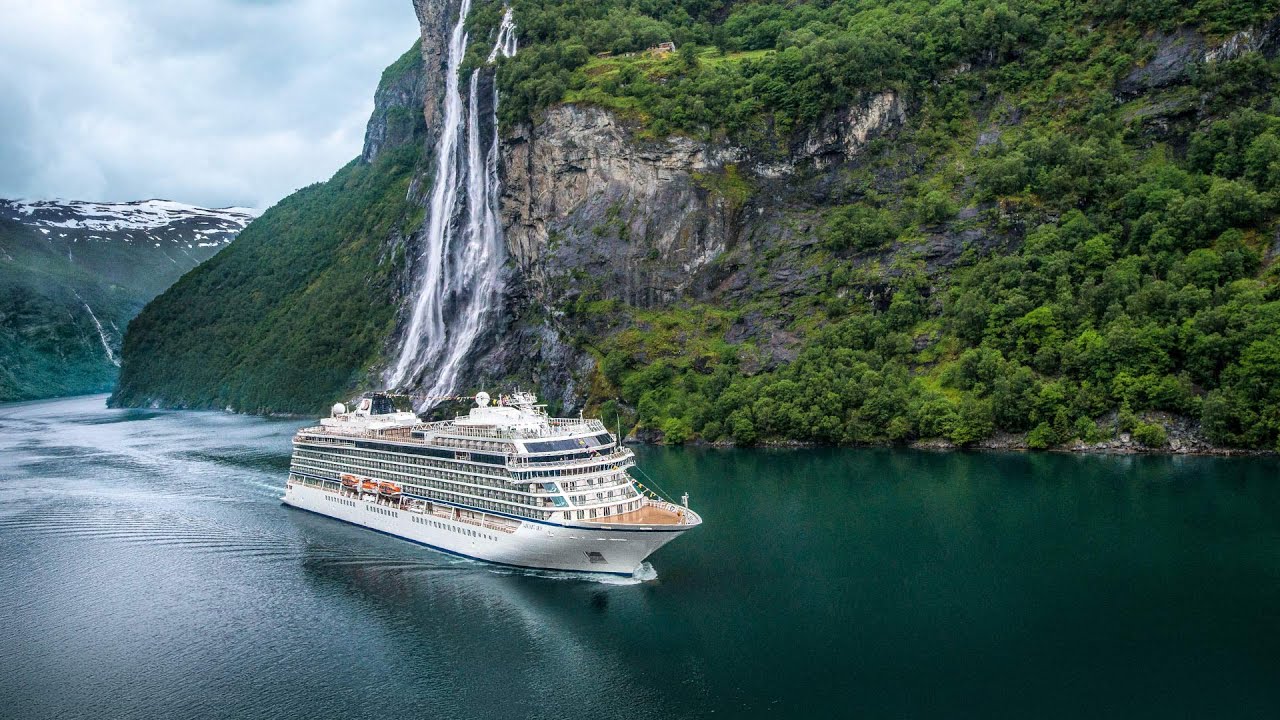
Launched in 2016, the Viking Sea is an all-veranda ship, part of a fleet of award winning, state of the art ships incorporating all the comforts & luxuries you would expect from Viking. Read more
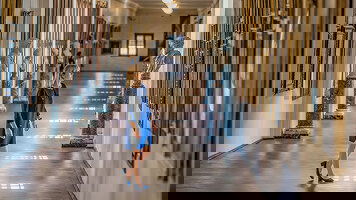
Viking are destination experts. With no casinos or children on board, you can be assured that the focus is firmly on enrichment and education. Read more
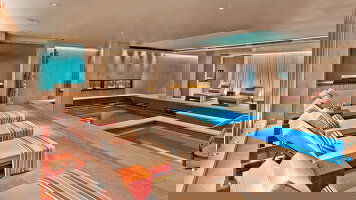
After a day of exploration or just to enhance the relaxation of a day at sea, the on-board Spa will leave you feeling recharged and revitalized. Read more
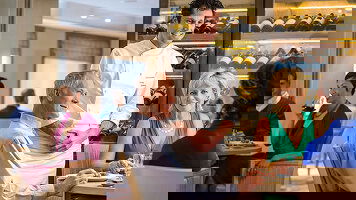
Viking offer eight on board dining options. Beer, wine and soft drinks are available with lunch and dinner at no additional charge of fee. Read more
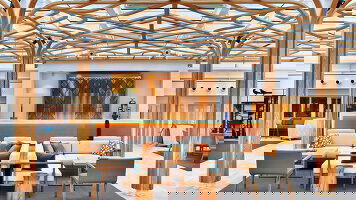
Viking proudly includes all that you need and nothing you do not. A variety of features and services valued at $200 per person per day are standard inclusions in your cruise. Read more
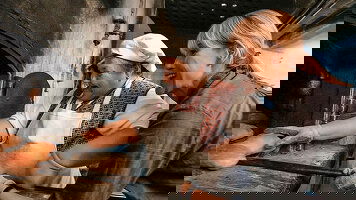
Viking include one complimentary shore excursion in every port of call. Enjoy exclusive entry to cultural treasures and seldom-seen collections around the world. Read more
Download Brochure

Viking Ocean Voyages (2027-29)
Dates & Pricing
Viking Explorer Society
GJ Loyalty Discount
Cabin Layout Options:
Select Cabin Preference:
Tour & cruises prices are per person. Prices shown have savings applied, are subject to availability and may be withdrawn at any time without notice. Pricing and trip details are correct at this point in time, however are subject to confirmation at the time of booking and are subject to change by Viking. For cruise itineraries, cabin images are sourced from the cruise-line and should be treated as indicative only. Cabin inclusions, upholsteries and room layout may differ to the image(s) shown depending on the ship selected and your sailing dates.