Overview



Itinerary
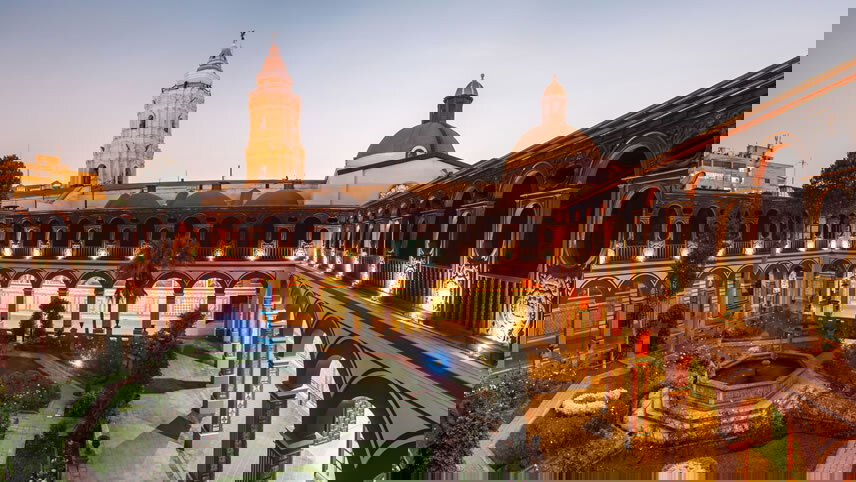
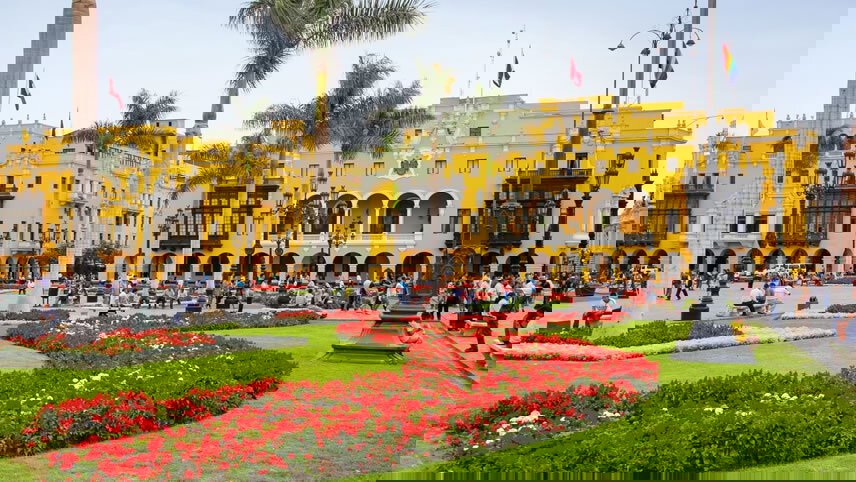
Peru's capital, Lima was once the heart of Spain's South American empire in the 19th century, now modern Lima is a huge metropolis crammed with culture, and a history that pre-dates the Incas and is also a gateway to the marvels of Machu Picchu, Lake Titicaca and the Amazon jungle. The historic heart of the city is a UNESCO World Heritage site and this is where many of Lima's museums, churches and colonial treasures are conveniently located, and is best explored on foot.
Callao is the chief seaport of Peru and has a rich maritime heritage and vibrant urban culture. Located adjacent to Lima, it serves as a vital link between the capital city and the world.
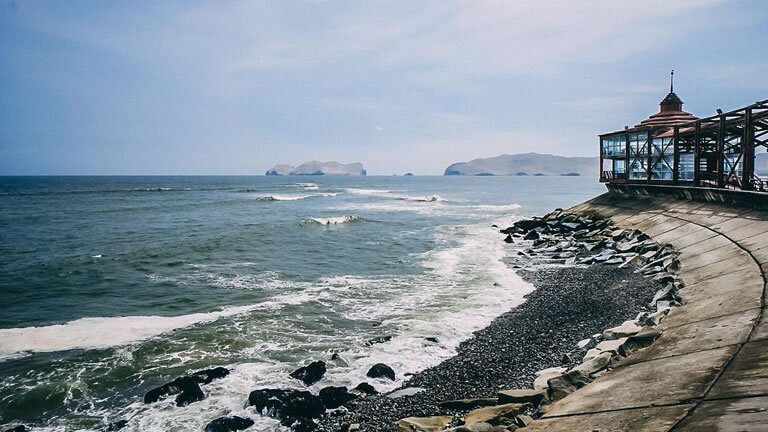
Callao boasts an intriguing mix of colonial architecture and street art, most notably in the regenerated neighbourhood of La Punta, where visitors can stroll along the seaside promenade enjoying the ocean breeze.
The Real Felipe Fortress, a historical bastion against pirate attacks, dominates the local landscape with its imposing presence. Now a museum, it offers a deep dive into the area's colonial past.
Callao is also the gateway to the Palomino Islands, where visitors can see large colonies of sea lions and seabirds.
Pisco, located on the southern coast of Peru, is a city known for its rich history and natural beauty. It is the gateway to the Ballestas Islands, often referred to as the "Galápagos of Peru", where visitors can see diverse wildlife, including sea lions, penguins, and numerous bird species. Boat tours to these islands provide an unforgettable experience of Peru’s marine biodiversity.
The city is also renowned for its production of Pisco, the national spirit of Peru. Visitors can explore local vineyards and distilleries to learn about the Pisco-making process and enjoy tastings. Nearby, the Paracas National Reserve offers stunning desert landscapes and coastal scenery, perfect for exploring and enjoying outdoor activities.
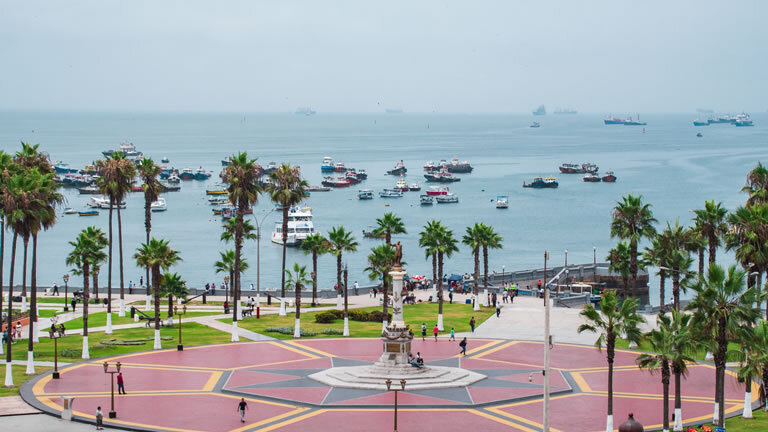
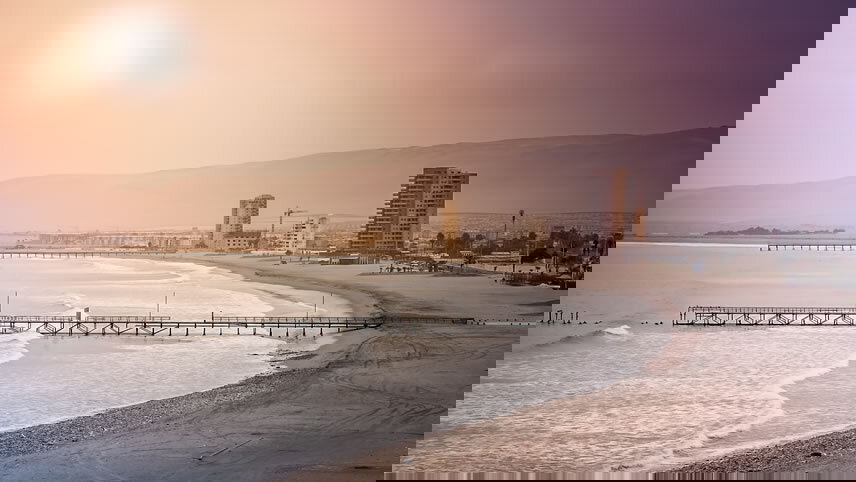
Arica, perched at the northern tip of Chile, offers an enticing blend of sun-drenched beaches and rich cultural heritage. Known as the "City of Eternal Spring" for its pleasant climate, Arica is a haven for those looking to bask in endless sunshine.
The city's coastline is adorned with surf-friendly beaches, while the Morro de Arica provides panoramic views and a glimpse into Chile's historical conflicts. Beyond the beach, the San Marcos Cathedral, designed by the famous Gustave Eiffel, showcases Arica's architectural allure. The city is also a stone's throw from the Azapa Valley, renowned for its ancient geoglyphs and the vibrant olives it produces.
Arica's blend of natural beauty, history, and culinary experiences makes it a compelling stop for any traveller looking to embrace the diverse offerings of Chile's far north.
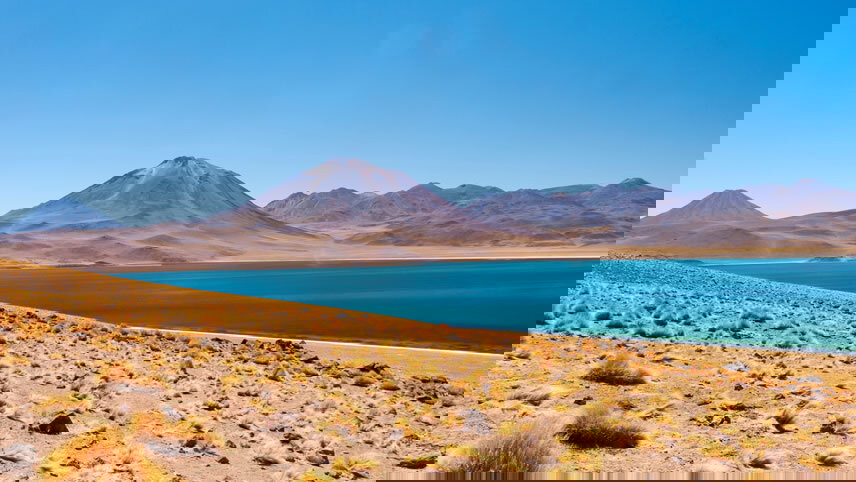
Antofagasta, a port city nestled between the Pacific Ocean and the arid Atacama Desert, presents a dramatic landscape for visitors. Its unique geography offers an intriguing blend of sea and desert experiences.
Notable for the La Portada, a natural arch on the coast, and the historic Huanchaca Ruins, the city tells a tale of natural wonders and rich cultural heritage. Visitors can explore the vibrant Parque Brasil, perfect for a leisurely morning stroll, or delve into the mysteries of the desert at the nearby Atacama Salt Flat.
The city's coastal cuisine, emphasising fresh seafood, provides a delicious exploration of local flavours. Antofagasta serves as a gateway to the stark beauty of Northern Chile, inviting travellers to discover its charm at their own pace.
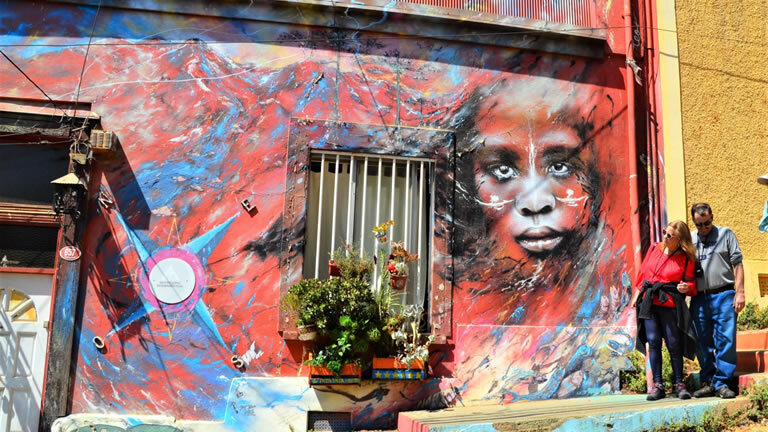
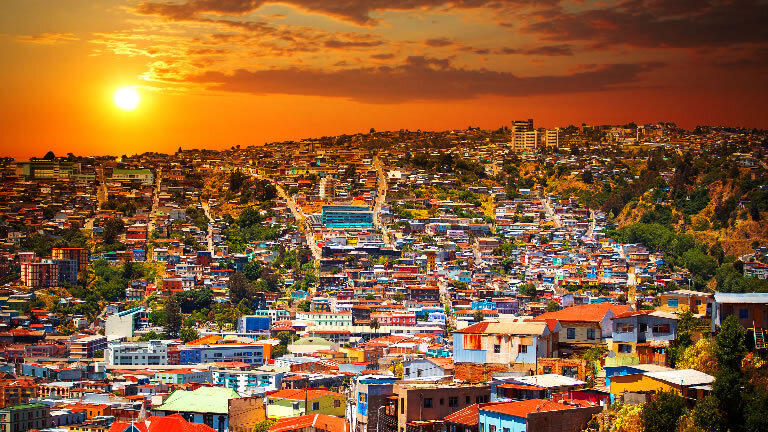
Once the most important merchant port on the Pacific trading routes of South America, Valparaiso is now a UNESCO World Heritage Site. With its bright, colourful buildings, incredible European-inspired architecture, and unique urban hillside design, Valparaiso offers a vibrant artistic culture in a laid-back environment. Ships will dock at the port.
Top Things to Do in Valparaiso:
- sandboard the Dunes of Concón
- explore Cerro Concepcion
- visit the Parque Cultural de Valparaíso
- admire the street art on a walking tour
Puerto Montt, located in the southern reaches of Chile, serves as the gateway to the Chilean fjords, Patagonia, and the Andes Mountains. This port city is vital for its role in connecting the more remote parts of southern Chile. The Angelmó market, famous for its array of fresh seafood, vibrant handicrafts, and woollen goods, encapsulates the local culture and is a hub for culinary and artisanal exploration.
The nearby Lake District offers dramatic volcanic landscapes and lush forests, making Puerto Montt a central point for accessing natural wonders such as the Vicente Pérez Rosales National Park, where the Petrohué Falls and Osorno Volcano are key attractions. The city’s blend of natural beauty and cultural richness reflects the diverse offerings of the region.
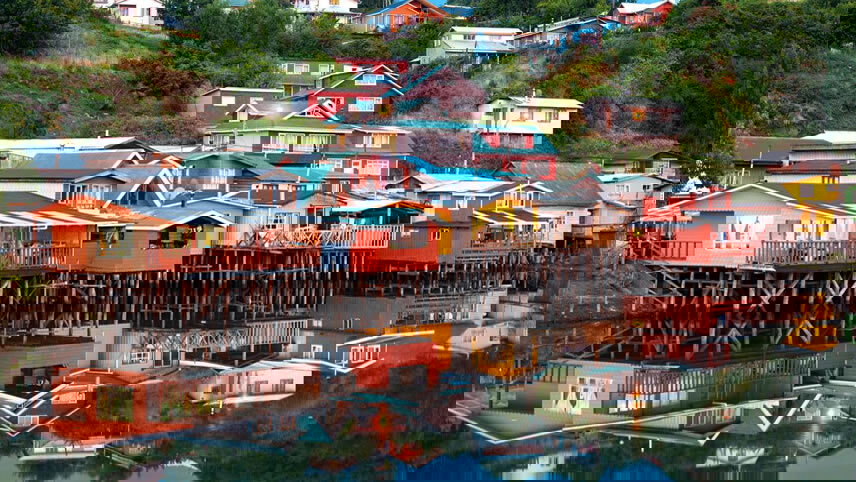
Castro, nestled on the east coast of Chiloé Island in Chile, is distinguished by its vividly painted wooden stilt houses, or 'palafitos', that line the waterfront. This charming city, the third oldest in continuous existence in Chile, melds the rich cultural heritage of the Chilote people with breathtaking natural surroundings. The San Francisco Church, a UNESCO World Heritage site, stands as a brilliant example of the unique wooden architectural style of the Chiloé Archipelago.
Exploring Castro offers a peek into the island's traditional crafts at the bustling local markets where wool, wooden items, and basketry are in abundance. Additionally, the surrounding landscape provides ample opportunities for bird watching and enjoying the serene beauty of southern Chile's lush countryside.
Puerto Chacabuco, located in southern Chile, is a primary gateway to the remote Aysén region, known for its dramatic landscapes and pristine wilderness. This small port town is crucial for connecting the isolated areas of Patagonia with the rest of the country, facilitating access to incredible natural sites.
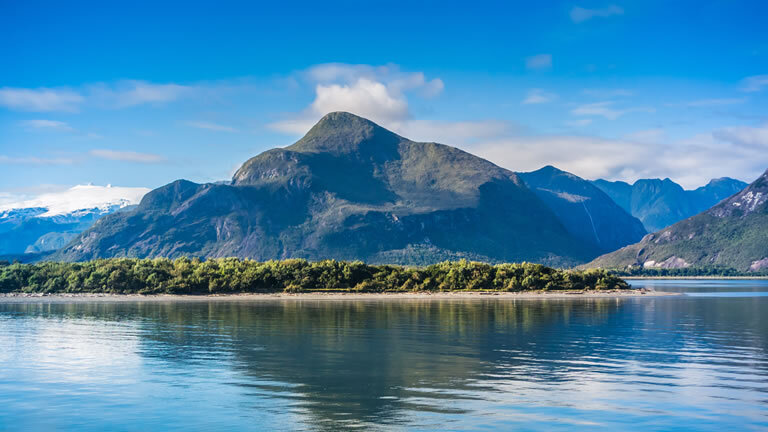
Visitors to Puerto Chacabuco often use it as a starting point for exploring the lush rainforests, towering mountains, and deep fjords that define the area. Nearby attractions include the San Rafael Lagoon with its advancing glaciers and the Simpson River National Reserve, offering opportunities for hiking and wildlife watching. The region's rich biodiversity and the tranquil environment make Puerto Chacabuco a pivotal location for those seeking to immerse themselves in Chile’s untouched natural beauty.
Punta Arenas, perched on the southern tip of Chile's mainland, serves as a crucial gateway to the Antarctic, drawing explorers from around the world. This city is steeped in maritime history and is the largest population centre in Patagonia, offering a fascinating mix of cultural influences evident in its architecture and local customs. The Nao Victoria Museum, featuring replicas of historic ships, and the poignant Monumento al Ovejero, celebrating the region’s sheep farming heritage, are key highlights.
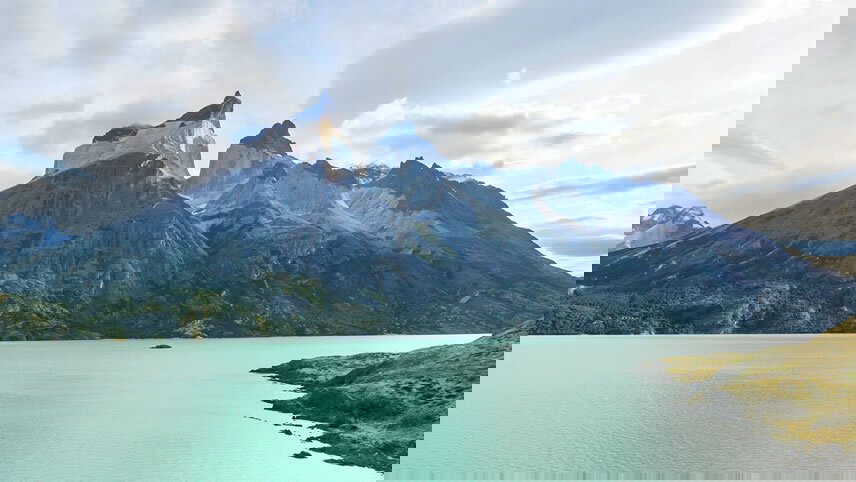
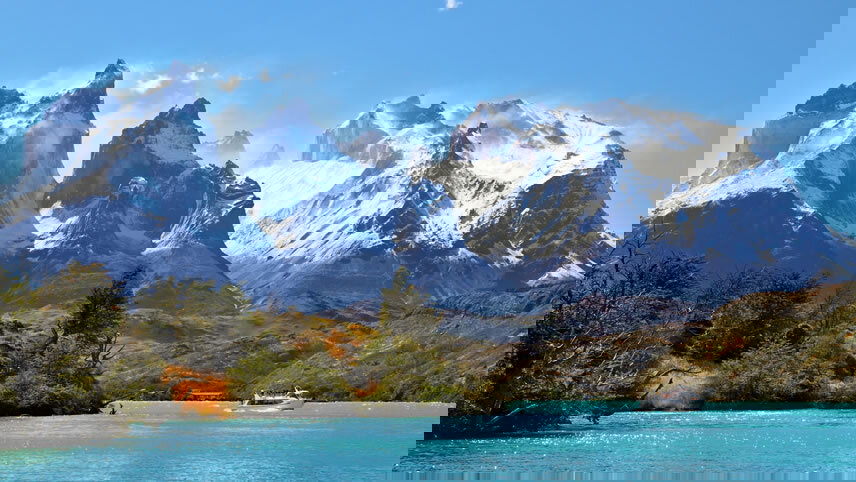
The rugged, windswept landscapes surrounding Punta Arenas invite outdoor enthusiasts to explore. Nearby Torres del Paine National Park offers spectacular trekking opportunities, while the Strait of Magellan provides panoramic sea vistas and a chance to spot diverse marine wildlife, making this region a hub for natural and historical exploration.
Life On Board
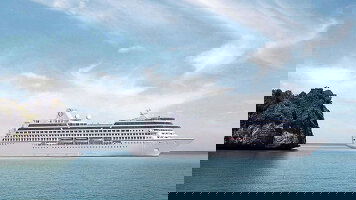
Step aboard to discover divine restaurants, sociable lounges and bars, and your choice of 342 of staterooms and suites. Read more

Refreshingly relaxed and tasteful without the tuxedo. Enjoy understated elegance and feel completely at home. Read more

Enjoy gourmet selections and extensive plant based options, all part of the hallmark dining experiences on board. Read more

From the classics to fresh renditions, pianists to lively shows of song and dance, you can choose your soundtrack at sea. Read more

Come home to a celebration of style and comfort with 342 luxuriously appointed staterooms and suites. Read more

Guest lectures, engaging activities and a well stocked library are at your fingertips to pique your interests on board. Read more
Ship Reviews (1)
The highlights of Greece were the tours through the island of Syros and its narrow streets only accessible by donkey and through the islands of Santorini & Mykonos with their windmills and numerous other tourists. In Athens we enjoyed the tour to the Acropolis as well as watching the changing of the guard outside the Parliament House. All this was done whilst temperatures reached the mid 40's C and preceded the evacuation of some islands due to bush fires after our cruise.
Oceania Cruises was well organised with a good itinerary, good food and reasonably priced excursions. The Nautica is a comfortable ship with a quality feel about it and we would definitely sail with them again. And finally Global Journeys and Georgie Walpole were very helpful and great to deal with throughout the booking process.
Download Brochure

Oceania Voyages (2027-28)
Dates & Pricing
Cabin Layout Options:
Select Cabin Preference:
Tour & cruises prices are per person. Prices shown have savings applied, are subject to availability and may be withdrawn at any time without notice. Pricing and trip details are correct at this point in time, however are subject to confirmation at the time of booking and are subject to change by Oceania. For cruise itineraries, cabin images are sourced from the cruise-line and should be treated as indicative only. Cabin inclusions, upholsteries and room layout may differ to the image(s) shown depending on the ship selected and your sailing dates.
Similar Cruises