Walks of the Baltics & Finland
Overview



Itinerary
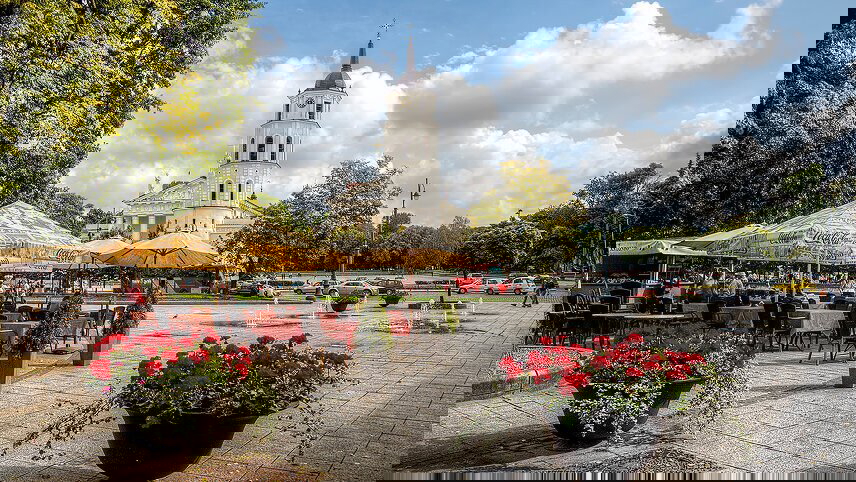
We begin in Vilnius, the capital of Lithuania, and our tour starts at the hotel. If you arrive in good time you may want to walk around the baroque old town – said to be the largest of its kind in eastern Europe.
This evening, say sveiki (hello) to your tour leader and fellow travellers, when we gather as a group for the first time to get to know each other and learn more about the adventures ahead. Your tour leader then ensures a big welcome by arranging a group dinner together. Want to explore Vilnius further? Secure pre-tour hotel nights through your sales representative.
We start with a tour of the Vilnius highlights, taking in the old town and its main churches; historic monuments, such as the Gates of Dawn; Vilnius University, the oldest in Lithuania; and Cathedral Square. There's free time for lunch in Vilnius, then we hop in a transfer (approximately 50 minutes) to Kernavė, a town alive with myths and legends. It's home to five hill forts and we enjoy an impressive view of the winding Neris River. We then have time for a walk in Neris Regional Park.
We take the White Hill Educational Trail, the beginning of which has an observation platform on White Hill itself with views over the picturesque twists of the Neris. Never straying far from the river, it leads us to a designated resting area and, beyond that, through a beautiful forest to the hill forts. We finish by driving to Trakai, where we see a fairytale island castle on Lake Galvė, before returning to Vilnius.
Take a 185mi (300km) transfer (approximately four hours) to Zemaitijos National Park for a walking adventure. Our hike takes us to Plokstine, a one-time Soviet missile base and now the Cold War Museum. Here, we can see inside underground bunkers and learn about the Cold War in the Baltics. After, we cross the border into Latvia as we transfer to the port city of Liepaja, where we stay overnight.
We travel to Karosta, the former military district of Liepāja, where the golden onion domes of St Nicholas Naval Cathedral rise above Soviet-era apartment blocks.
Following an easy circular trail, we walk through forest, along the Baltic coast and beside the Fortress Canal. Our route takes in the Redan fortification, remnants of the tsarist fortress system and Soviet military structures, revealing how successive armies shaped this stretch of coastline. We then continue to Kuldīga, where traditional wooden buildings and a preserved historic street layout have earned the old town UNESCO World Heritage status. We walk through the centre and admire Venta Rapid, the widest waterfall in Europe. A tour and tasting at a local winery rounds off our visit, before we continue to Riga for the next two nights. Total drive time: approximately 3hr 30min.
Get to know Riga on a walking tour, taking in Riga Castle, Dome Cathedral and St Peter's Church. The Great and Small Guild Halls introduce the merchants and craftspeople who helped shape the city, while the remaining fortifications and Swedish Gate recall Riga's defensive past. We also see Latvia's Parliament building and the Freedom Monument, a symbol of national independence topped by a figure holding three stars.
The rest of the day is free to revisit a favourite sight, browse the shops or pause at a cafe before another night in Riga.
Leaving Riga, travel to Saulkrasti for a coastal walk linking the White Dune with the town. Sandy paths and sections of wooden boardwalk lead through seaside forest, with views across the beach and Baltic Sea and old pine trees lining parts of the route. Our planned walk covers approximately 3. 7mi (6km) and takes two hours. Depending on the weather and our tour leader's assessment, we may extend it with a further 3. 7mi (6km) along the beach. We then cross into Estonia and stop in the seaside resort of Pärnu, with free time for lunch. Continuing towards Saaremaa, the largest island in Estonia, we take a ferry to neighbouring Muhu and drive across the causeway to Saaremaa. We spend the next two nights in Kuressaare, the main town on the island.
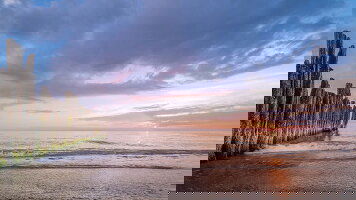
Transfer to Harilaid Peninsula in Vilsandi National Park for a circular coastal hike. Our route leads past wind-shaped trees, broad sandy beaches, dunes and pebbled shores. Along the western coast, we keep watch for seabirds and, with luck, seals. The walk brings us within sight of Kiipsaare Lighthouse, an 85ft (26m) tower with a rather changeable lean. Originally built approximately 330ft (100m) inland, it now stands in the sea as the coastline has shifted around it. Unstable ground beneath the tower causes its angle to change over time. We admire it from the shore before completing our circuit and returning to Kuressaare.
Leave Saaremaa and take the 1hr 15min ferry to Hiiumaa, the second-largest island in Estonia. A bus transfer brings us to Sääretirp, a narrow cape extending into the sea from the Kassari Peninsula. Our walk follows easy, mostly flat countryside and coastal paths, passing trees and shrubs before reaching the pebbled shoreline. Sea kale grows along the water's edge, adding white flowers during the flowering season.
Bring water shoes if you would like to swim. We then visit Kõpu Lighthouse, whose broad white tower rises above the surrounding forest. Among the oldest working lighthouses in the world, it began as a daytime navigation marker by 1531, helping ships avoid dangerous shallows off Hiiumaa. After our visit, we continue by bus and ferry to Tallinn, our base for the next two nights. Total drive time: approximately four hours, excluding ferry crossings and waiting times.
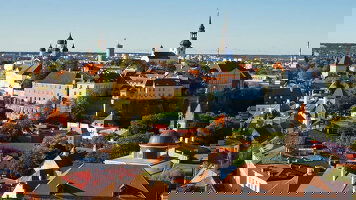
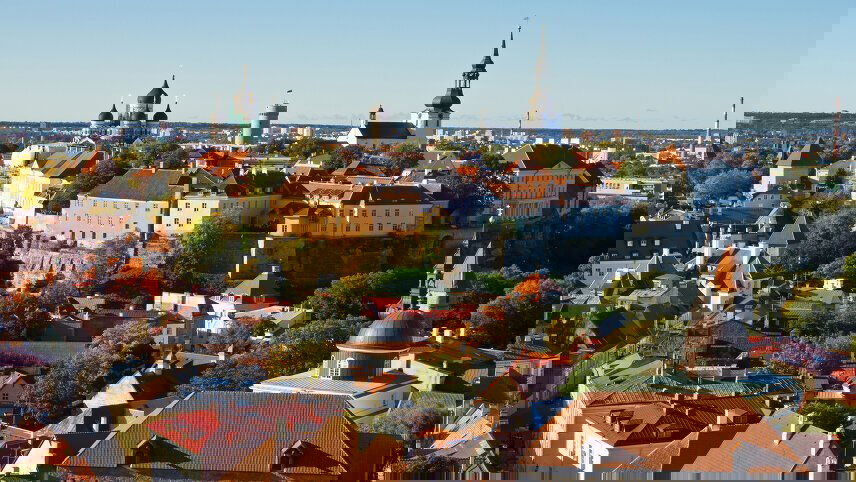
This morning, we have a walking tour of Tallinn to feel the aura of the 14th and 15th centuries that survived intact in a maze of medieval walls and towers, soaring church spires and winding streets. It includes the main historic and architectural monuments: Toompea Palace and Castle, the Town Hall Square, and the Russian Orthodox Alexander Nevsky Cathedral. We then walk around the Kalamaja district, often considered the hipster area with colourful wooden houses, bohemian charm, and a fishing port heritage. We then continue to Balti Jaama market, an excellent opportunity to see and buy local products. We recommend the following: Vana Tallinn: A traditional Estonian liqueur with a rich, spicy flavor.
It's often enjoyed as a digestif and can be found in various sizes and gift sets. Kalev chocolate: Kalev is the oldest and most renowned chocolate brand in Estonia. They offer a wide range of chocolates, including marzipan-filled chocolates and other unique flavors. Marzipan itself is also a popular Estonian treat. Estonian craft beer: Estonia has a growing craft beer scene, and you can find a variety of local beers with unique flavors. Look for breweries including Põhjala, Tanker and Lehe. Võru cheese: Võrumaa, a region in southern Estonia, is known for its cheese. Võru cheese, often smoked, is a popular choice. Look for local markets or specialty stores to find a selection of Estonian cheeses. Baltic amber: While not a food item, Baltic amber is a unique souvenir.
Tallinn has many jewellery stores offering handmade amber pieces, often combined with silver. Bogwood: Estonian bogs are home to ancient trees that have been preserved in the peat. Bogwood products, such as hand-carved items or jewellery, highlight the natural beauty of this material. Wild mushroom: Estonia has lots of forests and wild mushrooms are a common ingredient in Estonian cuisine. You can find products such as mushroom jams, preserves and even mushroom-infused oils.
Juniper: Juniper is a prevalent plant in Estonia, and local products often feature juniper berries. Look for juniper-infused spirits, jams or even juniper-smoked foods. There's free time for lunch, so you may also wish to visit: Fotografiska Tallinn: A renowned photography museum. Kadriorg Palace and Park: Explore the beautiful Kadriorg Palace and its surrounding park. The palace houses the Kadriorg Art Museum and is a great place to appreciate art and history.
Transfer (approximately 15 minutes) to the ferry, crossing the Baltic Sea to Helsinki, Finland (approximately 2hr 10min), arriving in the green and lively Finnish capital. We then journey (approximately one hour) to Sipoonkorpi National Park, an expanse of classic Finnish scenery: lovely lakes, green forests and rugged crags. We take the Fiskträsk trail, a circular route passing canyons and rock formations from the Ice Age, plus a segment through thick primeval forest. We also have the possibility of extending the trails. After, we transfer to Porvoo (18mi/30km, approximately 45 minutes). It's the second oldest city in Finland and you can feel that long history as you walk through the streets. We take a transfer (37mi/60km, approximately one hour) to the capital Helsinki.
In the morning, we embark on a sightseeing tour, which takes us past the harbours, into the centre of Mannerheim Street and past the Parliament Building, Finlandia Hall, Market Square, Sibelius Monument, Rock Church, and the striking glass, steel and wood structure of the Oodi Library. We use public transport on this tour (ticket is included). The afternoon is free to relax.
Alternatively, you can visit Suomenlinna Fortress, a UNESCO World Heritage site and museum (optional). The most common way to reach Suomenlinna is by taking a ferry from Market Square (Kauppatori) in Helsinki. Market Square is centrally located and easily accessible. Once you arrive at Suomenlinna, you can explore the fortress and its attractions at your own pace. There are museums, historic buildings, parks and scenic views to enjoy.
After breakfast, we check out of the hotel and begin our return journeys home. If you'd like a little more time to explore the Finnish capital, speak to your sales representative about extending your stay.
Trip Inclusions
- Discover three Baltic states and Finland in 12 days
- Visit Koguva, the best-preserved ancient village in Estonia
- Hike the Sääretirp trail, one of the most famous trails in Hiiumaa
- Walk the width of the Venta Rapids
- Walking around Līču-Laņģu sandstone cliffs
- Visit fascinating capital cities and charming towns
- Explore Saaremaa Island
- 11 Comfort nights (hotels)
- All breakfasts and one dinner
- Immersive itinerary with all transport (bus and ferry) and listed activities
- Expert tour leader to enhance your adventure
- Itinerary and inclusions are subject to change
- Price is for land, cruise and internal flights as specified. Flights not specified are not included
Hit the trails with Exodus - from challenging peaks to leisurely coastal and countryside walks. Read more
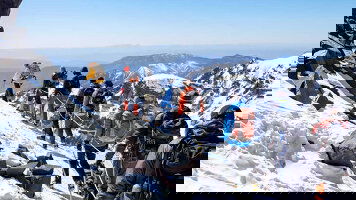
Exodus chooses their Leaders carefully. Professional, dedicated and are passionate about sharing their home countries. Read more
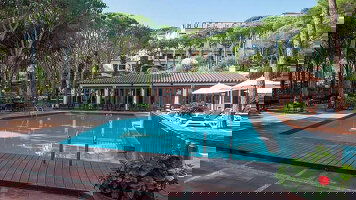
Wherever possible, Exodus chooses properties that are locally owned and that reflect the area you are visiting. Read more
Dates & Pricing
A definite departure means minimum numbers have been reached for this departure to operate. Your Global Journeys Travel Advisor will check the availability of your departure date when you Enquire. Additional savings may apply. T&C’s apply.
Tour & cruises prices are per person. Prices shown have savings applied, are subject to availability and may be withdrawn at any time without notice. Pricing and trip details are correct at this point in time, however are subject to confirmation at the time of booking and are subject to change by Exodus. For cruise itineraries, cabin images are sourced from the cruise-line and should be treated as indicative only. Cabin inclusions, upholsteries and room layout may differ to the image(s) shown depending on the ship selected and your sailing dates.
Similar Tours