Discover Mongolia - Eagle Festival
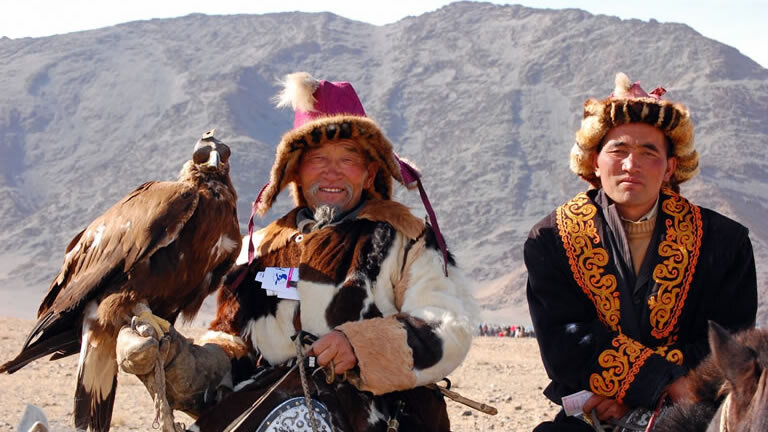
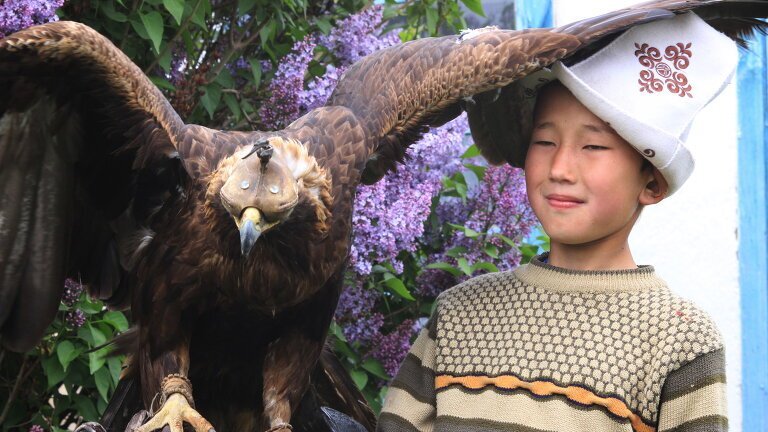
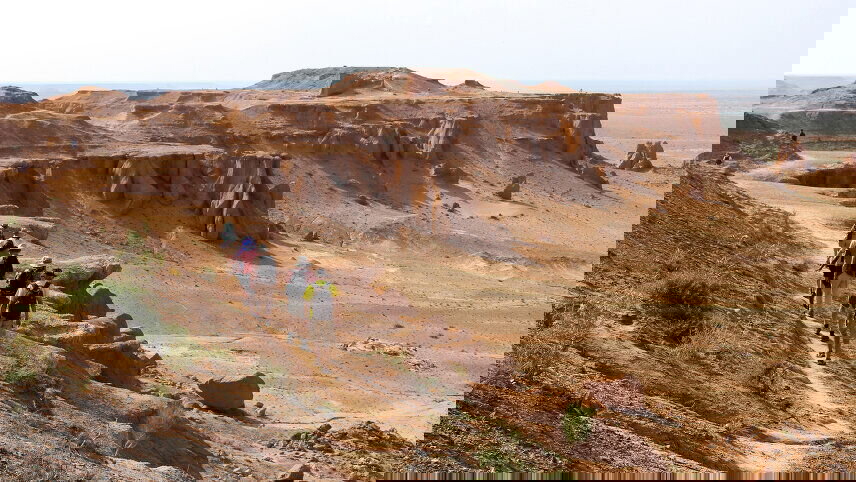

We travel through steppe, mountains and the Gobi desert exploring the nature and culture of Mongolia, yet little known country before making our way to the far western reaches to visit the read more eagle festival, celebrating the fascinating past time of hunting with eagles and the strong connection the Mongolian people have with their animals and land.


Itinerary
Our adventure starts in Ulaanbaatar, Mongolia's capital city. There are no activities planned for today to allow for different arrival times. If you have time to explore some of the sites we recommend visiting Sukhbaatar Square, the National Museum and the landmark State Department Store.
Around 6pm, say hello to your tour leader and fellow travellers, when we gather as a group for the first time to get to know each other and learn more about the adventures ahead. Your tour leader then ensures a big welcome by arranging a group dinner at a nearby restaurant. Want more time in Ulaanbaatar? Secure pre-tour hotel nights through your sales representative.
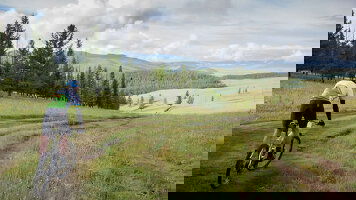
This morning, we leave Ulaanbaatar, stopping at Gandan Monastery, Mongolia's largest active Buddhist monastery. Here, we may see monks at prayer and visit the impressive gold-and-bronze statue of Migjid Janraisig. We then drive to Terelj National Park. The protected landscapes here are characterised by green mountain meadows, striking granite rock formations and, in season, colourful wildflowers.
In the afternoon, we walk up to the Tibetan-style Aryabala Meditation Temple, set on a mountainside with sweeping views across the national park. Buddhist teachings line the route as we climb many steps towards the temple.
Tonight, we have our first stay in a traditional ger, a felt-covered dwelling that has long been central to Mongolia's nomadic way of life.
Today, we journey towards Mongol Els, or ‘Little Gobi Desert' as it is known, where a striking belt of sand dunes meets the surrounding steppe. En route, we detour to Khustain Nuruu National Park, renowned for the successful reintroduction of the takhi, or Przewalski's horse. Once extinct in the wild, these remarkable horses were reintroduced to Mongolia and now roam freely across the protected steppe of Khustain Nuruu. We visit the park's information centre before heading out with a guide in search of the takhi. It is an incredible sight to witness the Bactrian camels wandering the desert dunes whilst horses graze on the green steppe nearby. Total drive time: Five hours.
This morning we visit Mt Khogno Khan and the small temple at its base. This region is renowned for its birdlife, including steppe eagles. Then we have a 56mi (90km) transfer to Karakorum - the 13th century capital of the Mongol Empire. Karakorum was established by Ogedei Khan and remained the Mongols power base until Khublai Khan established Beijing as the capital. After lunch we will visit the Erdene Zuu Monastery (meaning Hundred Treasures).
This is the largest monastery in Mongolia, built in 1586 under the direction of Abtai Khan on the ruins of the ancient capital. Much of the monastery was destroyed during Stalin's purges of the 1930's but an impressive wall with 108 stupas and a number of temples still remain. We also visit the modern Karakorum Museum and the surrounding area, returning to our ger camp in the late afternoon.
We drive on a paved road to Arvaikheer, the capital of Ovorkhangai Aimag and on the northern edge of the Gobi. On the way to Arvaikheer we visit Shankh Monastery, once the home of the great Mongolian theorist Zanabazar. We should arrive at Arvaikheer during the middle of the afternoon and check into our hotel.
In the afternoon there will be time to visit the local museum, which contains nature collections, stone figures and Turkic scripts. Total drive time: Three hours.
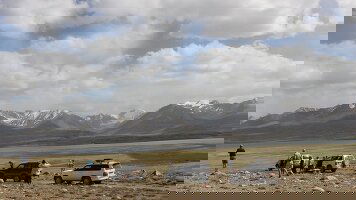
After an early breakfast we start towards Orog Lake via Bayanteegsoum, a coal-mining centre. Passing over Taats River, the majestic Ikh Bogd Mountain should be visible in the distance, the highest mountain in the Gobi Altai Mountain Range. We stop for a picnic lunch and then skirt the eastern edge of Mt Ikh Bogd, travelling a further 80km southwest to the Gobi Camels Ger Camp where we spend the night. Total drive time: Five hours.
We start our journey southwards with a short drive (2-3 hours) to the Bayan Mountain Range to view petroglyphs (Rock Art), called Bichigt Khad. The rock inscriptions and pictures here date back to 3000 BC; we will see paintings including depictions of ibex, argali and men riding horses. It is possible to see some of these from the vehicles (better so with binoculars) but for those who wish, it is also possible to hike up to the cliffs for closer inspection of these Bronze Age works of art (the main cliff is a steep climb for 50-60m and walking poles are required so we usually visit the smaller cliff, which is more accessible).
Our journey then continues through classic Gobi desert scenery of flat stony plains mixed with small rocky outcrops and patches of sand across the Khatan Suudal Steppe. We stop for a picnic lunch on the way, with views of the Bogd Mountain to the north. After lunch we head off to our ger camp in the Kongoriin Els sand dunes and should arrive there in the late afternoon.
Today we have a full day to explore the sand dunes and surrounding area. The Khongoriin Els stretch for 200km and reach heights of 300 meters in places. They are known as the 'Singing Dunes' because of the beautiful sound that resonates through the dunes on a windy day. The South Gobi has 100,000 camels, typically used by herders to transport their gers. We will take the opportunity today to visit a camel breeding family and get a glimpse of the way of life of the nomadic herders of these parts.
This morning we drive through the Gobi Gurvansaikhan National Park. Gobi Gurvansaikhan means 'Three Beauties of the Gobi' and this range marks the eastern end of the Gobi Altai mountain range. The park's landscape is extremely varied, with rocky and sandy desert plains, precipitous cliffs, ravines, salt pans and oases. We visit a spectacular natural sight of this region - Yolyn Am.
Yolyn Am means Vulture's Mouth and is a canyon so deep and narrow that even in the height of summer winter ice can remain on the valley floor. This region is also renowned for the diversity of its wildlife and many endangered species can be found here, including Khulan, Ibex, Argali and Snow Leopard. We explore the canyon before transferring to a nearby ger camp for dinner and overnight. Total drive time: Four hours.
Today we make a short drive to Bayanzag 44mi (70km) known as the Flaming cliffs and hike amongst colourful sands of red, yellow and orange. Bayanzag is a world-renowned dinosaur fossil exploration site, discovered in the 1920s by Mongolian and American Palaeontologists. We are free to explore the region and may even be lucky enough to spot dinosaur fossils.
After a picnic lunch we head to our camp for the afternoon.
This morning, we begin our journey back towards Ulaanbaatar, stopping overnight at Baga Gazryn Chuluu, where striking granite rock formations rise from the open steppe. Here, we explore the ruins of Lovonchombo Monastery and visit a natural spring traditionally believed to have healing properties for the eyes.
Tonight, we spend our final night in a traditional Mongolian ger. Total drive time: Four hours.
After breakfast we drive to the giant Genghis Khan Statue, standing at 40 meters tall and made of stainless steel it is quite a sight! Here we have some time to fully explore the statue and surrounding area before having lunch. After, we make our way back to Ulaanbaatar where we have the option to go and see a live performance of traditional Mongolian song and dance. Performed by the world famous Tumen Ekh dance troupe, we will see throat singers, contortionists and Tsam dancers. Total drive time: 3hr 30min.
In the morning we fly to Olgii in western Mongolia, from where we drive off-road for about an hour to Sagsai village. Here we visit the home of the Kazakh people; there will be plenty to see and do. We spend the day seeing how they go about daily life. We will also be able to sample their traditional food and taste home-made yak cheese and yogurt. This is a great opportunity to explore the real way of living like a nomadic family and to personally experience their friendliness and hospitality.
In the afternoon we return to Olgii and stay overnight at Ger Camp.
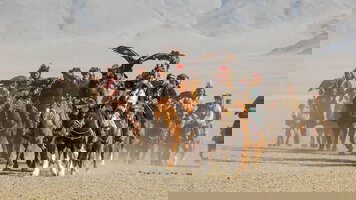
Today we attend the Eagle festival. For the first day of the festival, we will see the competition for the best Kazakh costume, horse racing and archery.
In the evening we will see a cultural performance in the local theatre.
Today we have another chance to witness the competitions and events of the Eagle festival. We will be able to see a demonstration from the eagles and their hunters, a camel race and the lively competition of Kukhbar. Kukhbar is essentially a fighting match on horseback where two riders have to fight over a goat skin each trying to claim possession of it. After enjoying the festivities we return to camp for dinner.
After breakfast we transfer to the airport for the mid-morning flight to Ulaanbaatar, arriving in the nation's capital at midday. We transfer to the hotel and freshen up before a light lunch.
This afternoon is free for last minute sightseeing or souvenir shopping around UB - cashmere, leather goods and traditional handicrafts are all good options and the guide will recommend the best places to go for these. Night owls may want to sample the nightlife of Ulaanbaatar!.
The tour ends after breakfast today. If you aren't ready for the adventure to end, speak to your sales representative about our range of extension options.
Trip Inclusions
- Attend the Eagle Festival in the remote Altai Mountains
- Explore Mongolia's vast wilderness stepp and Gobi Desert
- Experience traditional nomadic culture
- 4 Comfort nights (hotels), 12 Simple nights (traditional nomadic ger camps)
- All breakfasts, 14 lunches and 15 dinners
- Immersive itinerary with all transport (4WD Jeeps, bus and one internal flight) and listed activities
- Expert tour leader to enhance your adventure
- Itinerary and inclusions are subject to change
- Price is for land, cruise and internal flights as specified. Flights not specified are not included
From classic small group tours & family adventures, to walking holidays, cycling trips and active adventures. Read more
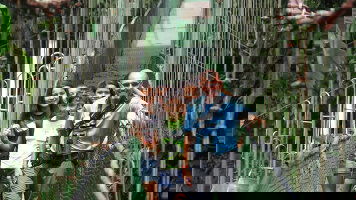
Exodus chooses their Leaders carefully. Professional, dedicated and are passionate about sharing their home countries. Read more
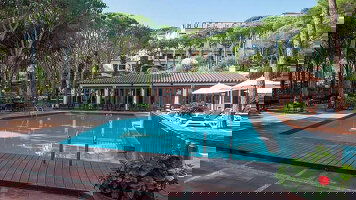
Wherever possible, Exodus chooses properties that are locally owned and that reflect the area you are visiting. Read more
Dates & Pricing
A definite departure means minimum numbers have been reached for this departure to operate. Your Global Journeys Travel Advisor will check the availability of your departure date when you Enquire. Additional savings may apply. T&C’s apply.
Tour & cruises prices are per person. Prices shown have savings applied, are subject to availability and may be withdrawn at any time without notice. Pricing and trip details are correct at this point in time, however are subject to confirmation at the time of booking and are subject to change by Exodus. For cruise itineraries, cabin images are sourced from the cruise-line and should be treated as indicative only. Cabin inclusions, upholsteries and room layout may differ to the image(s) shown depending on the ship selected and your sailing dates.