Whispers Through the Empty Quarter



Itinerary
Welcome to Oman. On arrival at Muscat International Airport, you will be met and transferred to your hotel. Muscat offers an intriguing contrast, with modern infrastructure framed by rugged mountains and the Gulf of Oman. Settle in and take the rest of the day at leisure to acclimatise, unwind, or explore your surroundings at your own pace.
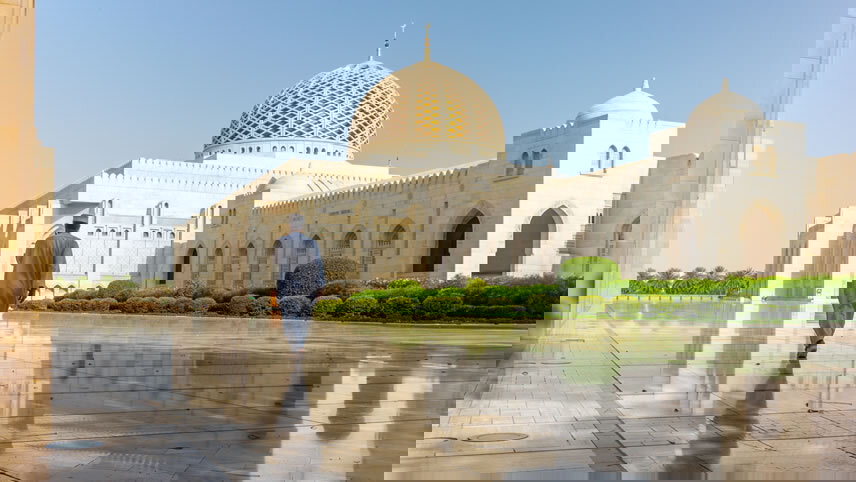
Begin your exploration of Muscat with a visit to the Sultan Qaboos Grand Mosque, an architectural masterpiece of sandstone and marble. The mosque houses the second-largest handwoven Persian carpet in the world and is illuminated by an immense Swarovski crystal chandelier. (Please note: Modest dress is required. Women must cover their hair, arms and legs; men must wear long trousers and a shirt. The mosque is closed to visitors on Fridays.)
Drive through the diplomatic and government district before stopping at the Royal Opera House, Oman's premier venue for musical arts and culture. Continue to the Al Alam Palace, ceremonial residence of Sultan Haitham, flanked by the historic 16th-century Portuguese forts of Mirani and Jalali.
Visit the Bait Al Zubair Museum, a private collection showcasing Omani heritage through displays of traditional attire, jewellery, weaponry and household items.
Continue to Sidab Village for a hands-on cooking session with local Omani women. Learn about traditional culinary practices and daily life as you prepare local dishes together, followed by a shared meal with your hosts.
Afterwards, visit the bustling Muttrah Souq. With origins over two centuries old, the souq is a maze of narrow lanes brimming with frankincense, silverware, textiles and antiques.
Depart Muscat this morning, heading north along the coast to the traditional fish market in Barka. Here, fishermen display their daily catch, including tuna, prawns and kingfish, in a lively, open-air setting that remains largely unchanged.
Continue inland to Nakhal, a date palm-filled oasis known for its thermal springs. Stop for a photo opportunity at Nakhal Fort, dramatically perched on a rock outcrop. Originally constructed in the 16th century by an Imam of the Bani Kharous dynasty, the fort has been carefully restored and offers a glimpse into Omani defensive architecture.
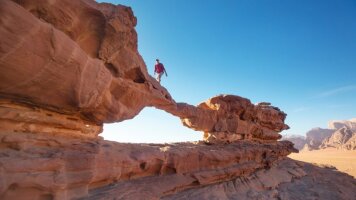
Begin your 4WD off-road crossing of Wadi Bani Awf, a rugged mountain route winding through dramatic scenery and isolated villages. Pause at Snake Canyon to take in its sheer rock walls and deep ravines.
Arrive in the mountain village of Bilad Sayt, a traditional settlement nestled below terraced fields. Surrounded by peaks, the village is regarded as one of the most picturesque in the country, offering a glimpse of old-world Arabia.
Continue to Al Hamra, one of the oldest preserved mudbrick towns in Oman. Wander through its narrow lanes and visit the Bait Al Safa living museum, where local men and women demonstrate traditional domestic and craft practices. Stop briefly at the village of Ghul to view its abandoned Persian ruins.
Climb onwards to Jebel Shams, the highest point in Oman at 3,009 metres. Take in sweeping views over the immense Wadi Ghul, often referred to as the Grand Canyon of Arabia, before settling in for the evening.
Wake to cool mountain air and panoramic views from Oman's highest point, Jebel Shams, standing at 3,009 metres. Often referred to as the Grand Canyon of Arabia, the immense scale and rugged beauty of the surrounding landscape is best appreciated on foot.
Set out on the Balcony Walk, a scenic hike following the edge of the canyon wall towards the abandoned village of Sap Bani Khamis. Beginning from Al Khitaym village, the trail offers uninterrupted views over the vast natural amphitheatre, with glimpses of the remote Nakhar village far below. Keep an eye out for soaring birds of prey, including the Egyptian vulture with its distinctive black and white wings.
The trail is approximately 4 kilometres each way, 8 kilometres return, and takes approximately 1 hour and 15 minutes each way, with around three hours allowed for the overall trekking experience.
Return to your lodge and enjoy the rest of the afternoon at leisure.
Depart Jebel Shams and begin your descent from the mountains with a stop at Wadi Nakhar, a dramatic and remote valley carved deep into the limestone cliffs. Known for its stark beauty and sheer scale, the wadi is a striking example of Oman's rugged terrain and is popular among hikers and climbers.
Continue to Nizwa, once the capital of Oman and still an important cultural centre. Explore Nizwa Fort, a 17th-century stronghold known for its massive circular tower, built to defend against raiding tribes. From the top, enjoy panoramic views of the surrounding palm oasis. Wander through the adjoining souq, one of the oldest in the country, where traditional Omani daggers, silver jewellery, spices, pottery and produce are traded much as they have been for generations.
Stop at the ruined village of Birkat Al Mouz, set against the backdrop of green banana plantations. This once-thriving settlement is also home to a UNESCO-listed falaj irrigation system, still running through the village's remains.
In the late afternoon, arrive at the edge of the Wahiba Sands. These sweeping dunes, stretching 200 kilometres in length and 100 kilometres in width, are home to Bedouin communities whose presence here spans over 7,000 years. Travel into the dunes, climbing high ridgelines for sunset views before continuing across the sands to your desert camp.
Depart your desert camp this morning and begin an off-road crossing through the Wahiba Sands to Mahout, a journey of around four hours. This route offers a deeper perspective of the desert's vast and shifting terrain, passing remote tracks and isolated dunes that few travellers reach.
Continue south to the coastal area of Al Khaluf, home to the Sugar Dunes. These striking white sand dunes spill directly onto secluded beaches along the Arabian Sea. The unique colour and texture of the sand, combined with the area's remoteness, give the Sugar Dunes an otherworldly feel. Few places in Oman feel as untouched or isolated. After time to explore this remarkable landscape, continue along the coast to the town of Duqm, a modern port and industrial hub.
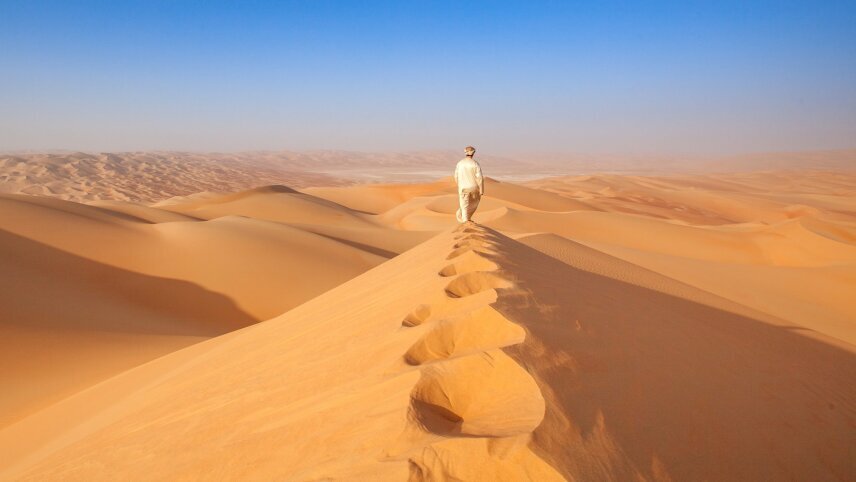
Depart Duqm and travel inland toward one of the most remote and awe-inspiring regions in the Arabian Peninsula, the Rub al Khali, also known as the Empty Quarter. This is the largest uninterrupted sand desert in the world, stretching across four countries and covering a vast portion of the Arabian Peninsula.
The landscape transforms into towering dunes of reddish-orange sand, some rising to around 250 metres high. Pause in Thumrait, once known as a traditional Bedouin settlement, before continuing west across the immense gravel plains of Al Nejd towards the Empty Quarter.
Arrive at your remote desert camp, where the silence and scale of the surrounding landscape create an unforgettable sense of isolation. A short distance from camp, settle into a specially positioned sunset lounge and watch as the setting sun transforms the dunes through changing shades of gold, pink and orange.
This evening, enjoy dinner beneath the desert sky accompanied by Bedouin storytelling, sharing cultural folklore and stories of traditional life in this remote region.
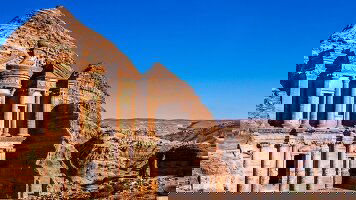
Depart the Empty Quarter and begin your journey south toward Salalah. En route, visit the UNESCO World Heritage site of Ubar, often referred to as the Lost City. Once a vital settlement associated with the ancient frankincense trade, its excavated ruins provide an insight into Oman's desert civilisations.
Continue to Wadi Dawka, also a UNESCO-listed site and home to one of the largest natural concentrations of frankincense trees in the region. Learn about the importance of frankincense and its historic and modern-day uses.
Enjoy lunch at a local restaurant before continuing to Salalah. On arrival, the remainder of the day is free to relax or explore at your own pace.
Begin the day with a visit to the coastal village of Taqah, known for its long-standing fishing traditions. Continue to the ancient ruins of Sumhuram at Khor Rori, a UNESCO World Heritage site and former frankincense trading port. Once a vital commercial hub, this fortified city is believed to have been an important harbour for exporting frankincense across the ancient world.
From here, travel to Mirbat, the former capital of Dhofar and the starting point of the famed Frankincense Trail. Walk through streets lined with traditional Omani homes and stop to photograph the twin-domed Tomb of Bin Ali, a striking example of medieval Islamic architecture.
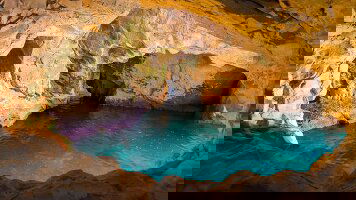
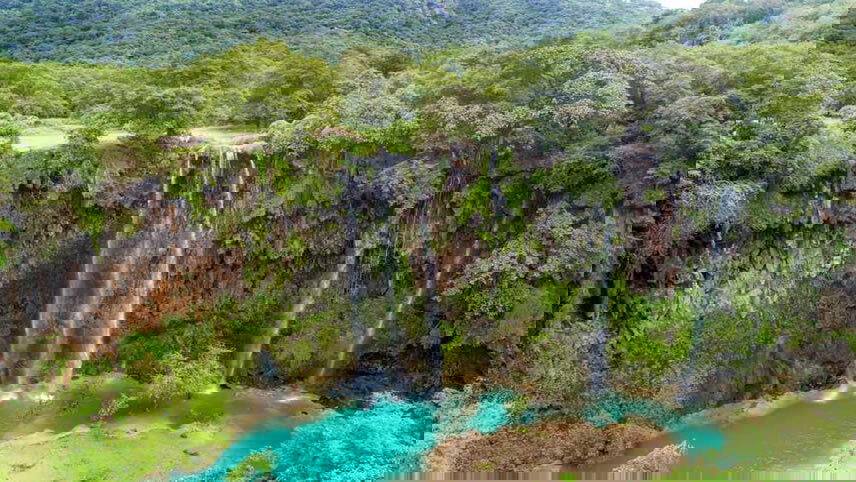
Continue to Ayn Razat, where freshwater springs are surrounded by gardens, pools and caves at the foot of the Dhofar Mountains.
Your journey then takes you west to Mughsail Beach, one of Dhofar's spectacular stretches of coastline. Continue along the dramatic hairpin road towards Oman's western border, with towering cliffs rising on either side.
Stop to see frankincense trees growing naturally in the surrounding valleys and take a short walk through the landscape to experience the source of the region's ancient and highly prized incense trade.
Begin the morning with a visit to the Museum of the Frankincense Land, a UNESCO World Heritage site and one of Oman's most significant cultural institutions. Located within the archaeological park of Al Balid, the museum features two main galleries. The History Hall traces the region's ancient civilisations, while the Marine Hall explores Oman's seafaring legacy and shipbuilding traditions.
Stop at a local fruit and vegetable stall to experience the fresh produce unique to Salalah's fertile coastal plain. Continue to the Sultan Qaboos Mosque, the largest in the city. Non-Muslim visitors are welcome from Saturday to Thursday between 8:00 a.m. and 11:00 a.m. (Please dress modestly. Long sleeves and trousers or skirts are required for both men and women.)
View Al Husn Palace, the official residence of His Majesty the Sultan in Salalah, then stroll through the nearby Haffah Souk. This traditional market is known for its high-quality frankincense, as well as local crafts and Dhofari souvenirs. Return to the hotel before your transfer to Salalah Airport for your onward departure.
Trip Inclusions
- Get hands-on in a cooking class with local women in Sidab Village
- Visit Nakhal Fort and its nearby hot springs surrounded by palm groves
- Wander through abandoned villages and traditional mudbrick homes in Al Hamra
- Discover the golden sands of the Wahiba Desert and the remote Empty Quarter
- Traverse the Sugar Dunes and explore the vast Bedouin lands of the Rub Al Khali
- Encounter camel caravans and meet the Bedouin who call the desert home
- Explore ancient ruins and UNESCO-listed frankincense trade sites
- Visit coastal souqs and heritage sites in Salalah
- Return airport transfers with English-speaking driver
- Meet & Assist at the airport after luggage collection
- Air conditioned 4WD transportation with English-speaking local driver-guide
- 9 nights' Accommodation as per the itinerary
- Meals as mentions in the itinerary
- Entrance fees to all attractions as per itinerary
- 1x small bottle of water per person, per day
- Local taxes
- International and domestic flights
- Meals & Drinks unless otherwise mentioned
- Visas
- Travel Insurance
- Tips
- Inoculations
- Items of a personal nature
- Anything not mentioned in the itinerary
- Late check in / Late check out
- Accommodation, itinerary and inclusions subject to change.
- Disruptions to itinerary may occur.
Dates & Pricing
Your Global Journeys Travel Advisor will check the availability of your departure date when you Enquire. Additional savings may apply. T&C’s apply.
Tour & cruises prices are per person. Prices shown have savings applied, are subject to availability and may be withdrawn at any time without notice. Pricing and trip details are correct at this point in time, however are subject to confirmation at the time of booking and are subject to change by Crooked Compass. For cruise itineraries, cabin images are sourced from the cruise-line and should be treated as indicative only. Cabin inclusions, upholsteries and room layout may differ to the image(s) shown depending on the ship selected and your sailing dates.