


Itinerary
A city of charming canals, elegant gabled houses, splendid museums and abundant bicycles, the Dutch capital of Amsterdam is a delight to explore. Its patchwork of waterways forms about 90 islands connected by 1,500 bridges. The legacy of the Dutch Golden Age lives on in gilded manses and in the lush paintings of Rembrandt and other Dutch masters that adorn the Rijksmuseum, The Netherlands' grand repository of art and cultural history. Discovering Amsterdam is a pleasure best pursued on foot; visitors line the tranquil canals and linger over Dutch pancakes, or take a stroopwafel to go.
Kinderdijk is a village community in the Alblasserwaard province. This corner of South Holland, part of the scenic Waal and Merwede regions, has long been shaped by Rhine Delta waters. Kinderdijk is most known for its 19 remarkably preserved 18th-century windmills. The charming hamlet is located amid low-lying polders, tracts of land reclaimed from the sea by the power of the windmills and enclosed by embankments, or dikes. This legendary place calls to mind the 1865 novel Hans Brinker, in which a heroic boy plugs his finger into a ruptured dike.
Sail the bucolic waters of the Rhine, deep into the Rhine–Meuse–Scheldt Delta, as classic Dutch landscapes unfurl all around. Flat farmland, charming windmills and svelte poplar trees line the shores, and vast tracts of land stretch in all directions, growing all manner of bounty, from tomatoes to tulips. Gaze upon Friesian cows and tidy villages with their neatly laid farmhouses and marvel at how much of this land was reclaimed from the sea, with the aid of traditional windmills and the construction of dikes.
Cologne reveals its Roman heritage in its city layout and the ancient ruins that lie scattered through the town. Cologne's modern plazas and Hohe Strasse host welcoming shops, enticing restaurants and cologne boutiques. Of note is the city's 13th-century cathedral, a stunning example of Gothic artistry and a UNESCO World Heritage Site. Having survived Allied bombs during World War II, the cathedral's imposing twin spires are visible for miles and its stained glass windows fill the interior with brilliant colored light. Its steps lead to a platform with astounding views.
Koblenz is a traditional German city, founded more than 2,000 years ago. This former trading settlement rests on a massif of the Middle Rhine Highlands. Its cobblestone streets, wood-beamed houses adorned with flowers, ancient market square and medieval churches recall the fairy-tale Germany of old. At the German Corner, a massive equestrian statue of Prince William I observes the lovely riverside scene. The famed Teutonic Knights set up their first base here in 1216. The Romanesque Basilica of St. Castor, Koblenz's oldest building, dates to 836.
The Rhine River flows through one of Germany's most scenic regions. As you sail its most picturesque stretch, the UNESCO World Heritage Site of the Middle Rhine, you will pass vineyard-blanketed hills whose steep slopes require vintners to pick grapes by hand, keeping a centuries-old tradition alive. Splendid castles line the banks, all of which have stories to share, and the Lorelei Rock presides at a dramatic curve in the river. This infamous river maiden mesmerized sailors with her song and lured them to their demise at her feet.
Located in the heart of Germany's Rheingau region, Rüdesheim is the area's center of winemaking. The famed Drosselgasse, a cobblestone street lined with taverns that pour local vintages and spill music into alleyways, attracts locals and visitors alike. Half-timbered houses, narrow warrens and old inns lend the town a medieval flavor. Castles once provided security for the region, including the 9th-century Brömserburg Castle, the oldest on the Rhine. The Siegfried's Mechanical Music Cabinet museum also houses an impressive collection of self-playing instruments.
The quiet German town of Speyer lies on the west bank of the Rhine. The city features a Romanesque imperial cathedral, burial place of eight emperors including some of the most famous Holy Roman Emperors. Speyer was once a major Celtic center that traded hands several times between the Romans and the Huns. The term Protestant originated here at the Diet of Speyer in 1529, when 14 free cities of Germany and six Lutheran princes protested the Edict of Worms that had banned the writings of Martin Luther and labeled him a heretic and enemy of the state.
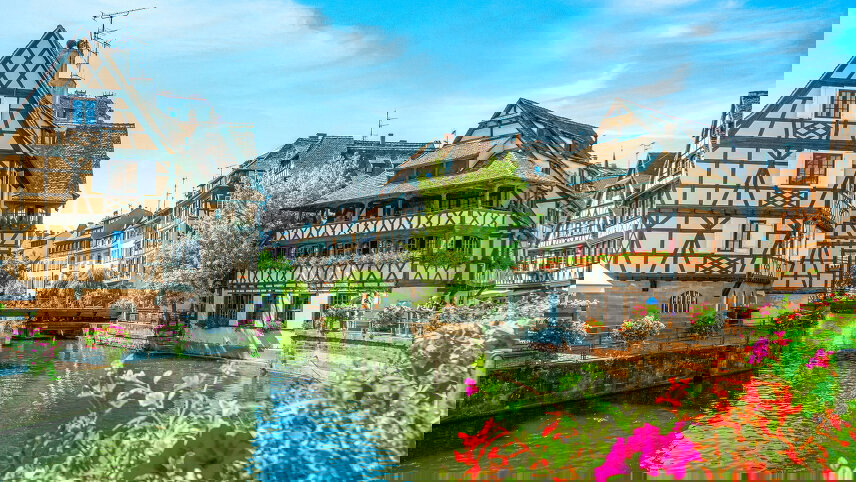
The largest port on the Upper Rhine, Strasbourg is the cultural center of France's Alsace region. Thanks to its location at the border of France and Germany, it boasts a convivial mix of cultural influences. The well-preserved old town is enclosed on all sides by the little Ill River, with sites so compact that it is easy to explore the “island” on foot. And there is plenty to explore: cobblestone streets lined with wooden houses and intersected by picturesque canals. Indulging in Alsatian café culture is central to any visit here; enjoy coffee and cake amid lovely half-timbered houses.
Breisach is a gateway to the fabled Black Forest region, built on a basalt rock outcropping in the Rhine plain. It is located in one of the warmest parts of Germany, across the river from French Alsace, famous for its wine growing. But Breisach, too, can boast about its wine: it is home to Europe's largest cellars, with a storage capacity of more than 160 million liters. The most prominent landmark of Breisach is the Romanesque-Gothic St. Stephen's Cathedral, built between the 12th and 13th centuries. Its two towers are visible from throughout the city and from the Rhine.
Located where Switzerland, Germany and France meet, Basel reflects a fascinating blend of traditions. The city straddles the Rhine at the river's farthest navigable point, and an alluring cluster of old-town buildings huddles along the riverbank. Around Market Square, guild houses recall Gothic, Renaissance and baroque splendor; the red-sandstone Rathaus, or Town Hall, is the centerpiece. More than 40 museums of art and culture lend modern polish to its history-rich streets. And there is no more refined way to sample it all than over cheese fondue or croissants.
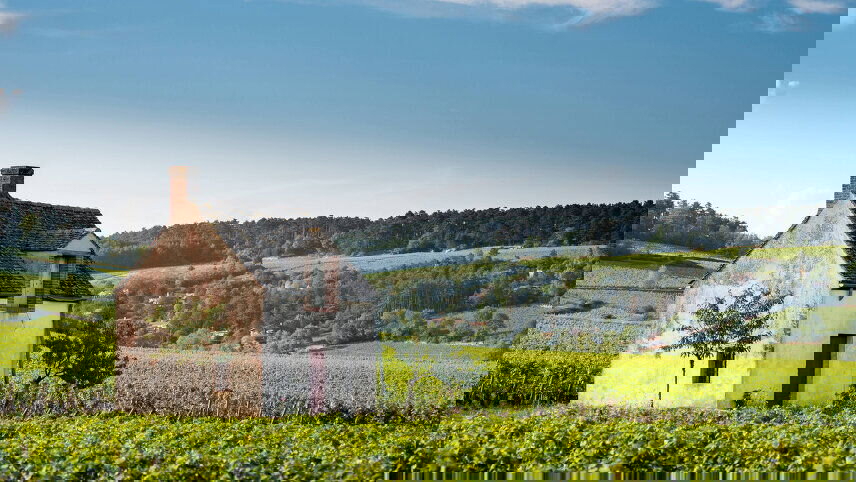
For oenophiles, all roads lead to Burgundy, and one road in particular—the Route des Grands Crus—is the address of eight of the ten most expensive wines in the world. Sublime as it is, its wine tells only part of Burgundy's story. This serene region is French culture personified, where farmers and vintners are as respected as the harvests they produce. While the region's rolling hills are known for their superior wines and amazing cuisine, Burgundy's villages are celebrated for their tranquil beauty and historical heritage.
Lyon straddles the Rhône and Saône Rivers. After Paris, it is considered the country's most significant cultural center. Amid a cityscape of red-roofed buildings, tree-lined boulevards and riverside promenades, the cobblestone streets of Old Lyon host a rich collection of Renaissance architecture and intimate traboules, unique passageways through buildings that connect adjacent streets, all of it overlooked by the grand basilica atop Fourvière Hill. The city also boasts a wealth of outstanding museums, cultural treasures and excellent Lyonnaise eateries.
Lyon is known as the food capital of France. It is not uncommon for well-heeled Parisians to travel to Lyon for dinner. The city is surrounded by towns and villages that produce excellent fresh produce, and gastronomic outlets are plentiful here. The great chefs of Lyon enjoy celebrity status, whether they prepare classic recipes the traditional way or elevate them with their own signature touches. Their delicious meals may be paired with a glass of light, fruity Beaujolais from the north or a bold Rhône red from the south.
One of Europe's densest concentrations of urban Renaissance buildings, Old Lyon is pure pleasure to explore. The dwellings of this UNESCO site date back to the city's silk weaving success during the 15th century, when Italian merchants and bankers put their profits into building town houses; today some of their elegant residences house museums. St. Jean Cathedral lies in the heart of Old Lyon and is a stunning example of Romanesque and Gothic architecture. It has weathered periods of political turmoil and religious wars and is now one of the city's most prominent symbols.
Situated in France's Côtes du Rhône region, Vienne is the gateway to Lyon's countryside. It is one of the oldest towns in France, with a history that can be traced through its architecture. Among its Roman remains and artifacts, the Roman Temple of Augustus & Livia dates back to the 1st century AD. Its Roman amphitheater, nestled in the hills of Mont Pipet, is one of the best preserved in the nation. Vienne also boasts remarkably preserved medieval buildings and market ruins. Other landmarks include the Abbey of Saint Pierre and the Church of Saint-André-le-Bas.
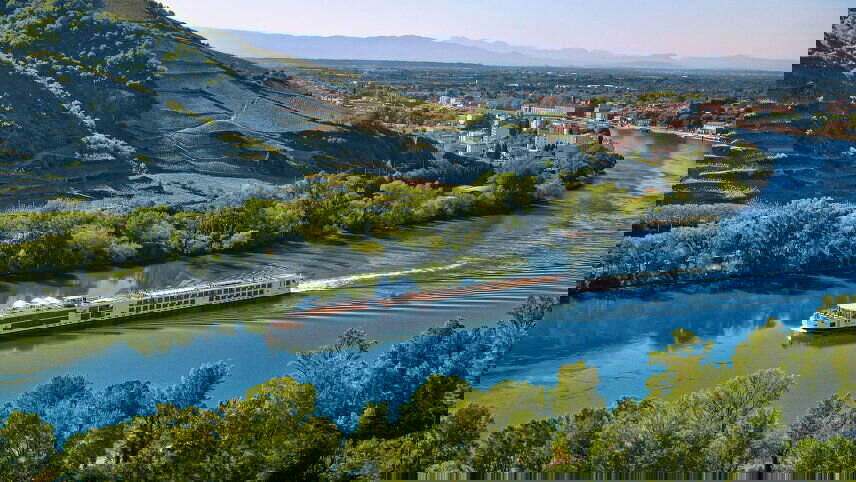
The lure of fine cuisine, charming villages and breathtaking vistas is never-ending along the Rhône River. Journey along this graceful waterway, meandering past vine-clad banks, and incredibly preserved echoes of medieval times and the days of the Roman Empire. The several locks through which the ship passes have helped to tame its waters, once unnavigable because of rapids, shallows and whirlpools. Today, a voyage along this stretch is a pleasant, gentle experience, surrounded by the hills and soaring mountains of the Rhône Valley.
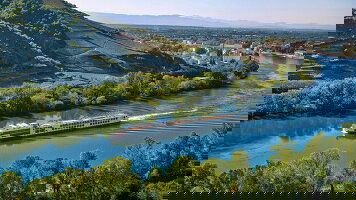
Tournon lies secluded between the river and the vineyard-blanketed granite slopes that nurture fine vintages. An ancient castle, built snugly into a rock, overlooks the riverside setting. A settlement has perched on this hill since Celtic times, but the stunning views from its overlook have never changed. The name of its neighboring wine-producing region, Tain-l'Hermitage, comes from the hermit who planted vines here after returning from the Crusades. Today, his vines are awash in sunshine and produce a port-like wine and some stellar whites.
The sleepy town of Viviers was founded during the 5th century. This former Roman settlement became a bishop's seat, and conflicts during ensuing centuries required the town to be fortified. With the Renaissance came a more stable period of wealth that allowed many new houses to be built, including a fine example of the era that still stands, the Maison des Chevaliers. Some buildings date back to the Middle Ages, and time seems to stand still along the cobblestone streets of its Old Town, dominated by the 12th-century St. Vincent Cathedral with its beautiful windows.
In the last days of the Roman Empire, Arles was the capital of Roman Gaul and boasts many Gallo-Roman ruins including Les Arènes; this ancient amphitheater seats 20,000 and is still used today for bullfights and plays. The town has an energetic feel, attracting farmers from the countryside to the frequent and famous Provençal market. It also enjoys a rich artistic heritage; the Mediterranean sunlight here inspired legendary Impressionist Vincent van Gogh to paint a number of works. Many of Arles's sights are immortalized in his paintings.
Avignon's narrow streets are lined with churches and remarkable medieval buildings. This “City of Popes” was the papal seat for 70 years during the 14th century after the sitting pope abandoned Rome and fled here. The massive church-fortress Palais des Papes, or Palace of the Popes, was the center of the Christian world during that controversial period. It remains a work of Gothic splendor. Another of Avignon's notable structures reaches into the Rhône, the ruins of the Pont d'Avignon. The 12th-century bridge, immortalized in folk song and dance, once spanned the river.
Bid farewell to your fellow guests and journey home. Or spend more time exploring, perhaps joining one of our extensions.
Life On Board
Viking's award-winning Longships® showcase innovative engineering, streamlined Scandinavian design and understated elegance. Read more
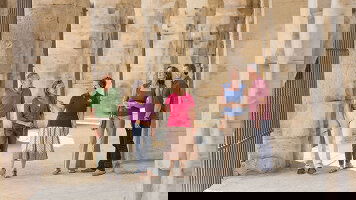
Every aspect of your Viking cruise is designed for the curious traveler seeking rich cultural immersion. Read more
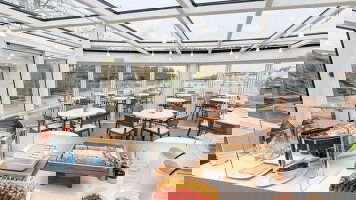
Elegant, light-filled ships thoughtfully designed to connect you to your destination. Read more
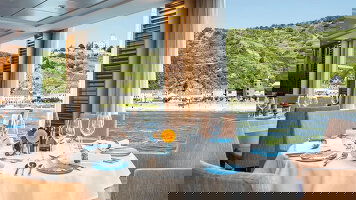
From relaxed, multi-course fine-dining to casual meals on the Aquavit Terrace. Read more
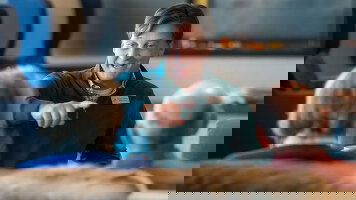
Viking proudly includes all that you need and nothing you do not and your river cruise fare. Read more
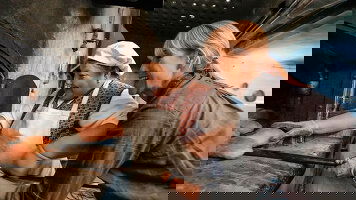
Viking offer behind-the-scenes insights and opportunities that set them apart from other travel companies. Read more
River Cruise Reviews (1)
Download Brochure

Viking River Voyages (2026-28)
Dates & Pricing
Viking Explorer Society
GJ Loyalty Discount
Cabin Layout Options:
Select Cabin Preference:
Tour & cruises prices are per person. Prices shown have savings applied, are subject to availability and may be withdrawn at any time without notice. Pricing and trip details are correct at this point in time, however are subject to confirmation at the time of booking and are subject to change by Viking. For cruise itineraries, cabin images are sourced from the cruise-line and should be treated as indicative only. Cabin inclusions, upholsteries and room layout may differ to the image(s) shown depending on the ship selected and your sailing dates.
Similar River Cruises