Overview


Viking Longship

190

50

2014

VKCVV
Itinerary
A city of charming canals, elegant gabled houses, splendid museums and abundant bicycles, the Dutch capital of Amsterdam is a delight to explore. Its patchwork of waterways forms about 90 islands connected by 1,500 bridges. The legacy of the Dutch Golden Age lives on in gilded manses and in the lush paintings of Rembrandt and other Dutch masters that adorn the Rijksmuseum, The Netherlands' grand repository of art and cultural history. Discovering Amsterdam is a pleasure best pursued on foot; visitors line the tranquil canals and linger over Dutch pancakes, or take a stroopwafel to go.
Kinderdijk is a village community in the Alblasserwaard province. This corner of South Holland, part of the scenic Waal and Merwede regions, has long been shaped by Rhine Delta waters. Kinderdijk is most known for its 19 remarkably preserved 18th-century windmills. The charming hamlet is located amid low-lying polders, tracts of land reclaimed from the sea by the power of the windmills and enclosed by embankments, or dikes. This legendary place calls to mind the 1865 novel Hans Brinker, in which a heroic boy plugs his finger into a ruptured dike.
Cologne reveals its Roman heritage in its city layout and the ancient ruins that lie scattered through the town. Cologne's modern plazas and Hohe Strasse host welcoming shops, enticing restaurants and cologne boutiques. Of note is the city's 13th-century cathedral, a stunning example of Gothic artistry and a UNESCO World Heritage Site. Having survived Allied bombs during World War II, the cathedral's imposing twin spires are visible for miles and its stained glass windows fill the interior with brilliant colored light. Its steps lead to a platform with astounding views.
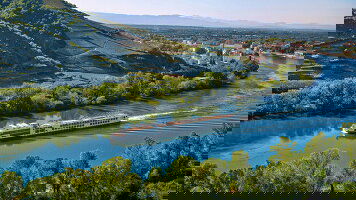
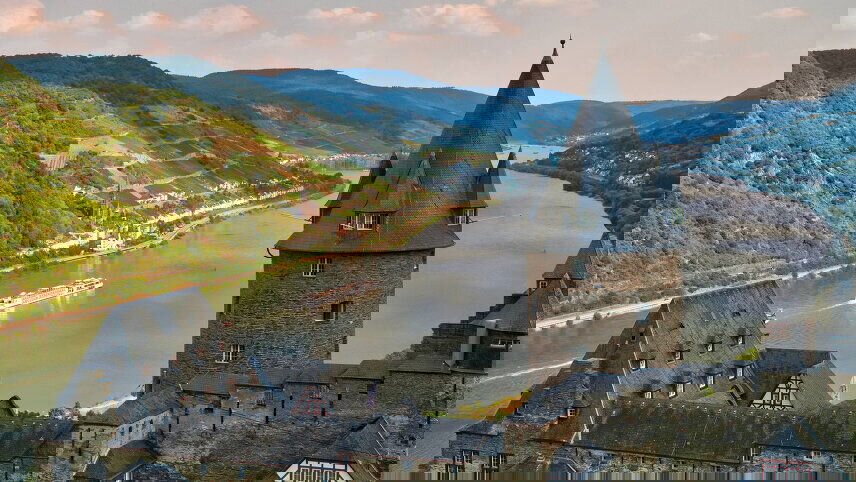
The Rhine River flows through one of Germany's most scenic regions. As you sail its most picturesque stretch, the UNESCO World Heritage Site of the Middle Rhine, you will pass vineyard-blanketed hills whose steep slopes require vintners to pick grapes by hand, keeping a centuries-old tradition alive. Splendid castles line the banks, all of which have stories to share, and the Lorelei Rock presides at a dramatic curve in the river. This infamous river maiden mesmerized sailors with her song and lured them to their demise at her feet.
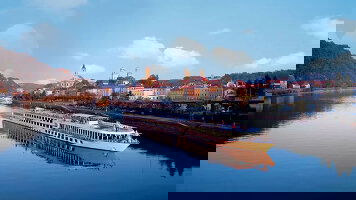
Situated at the confluence of the Main and Tauber Rivers, Wertheim is a charming town brimming with history. The dukes of Wertheim built a castle at this strategic spot in the 12th century. It was captured and destroyed during the Thirty Years' War, but it is still impressive today, peering down upon the medieval town center and half-timbered houses from its perch. Its Pointed Tower has guarded the junction of the Main and Tauber Rivers for 800 years. Known as a successful merchants' town during the Middle Ages, today Wertheim is famous for its Franconian wines.
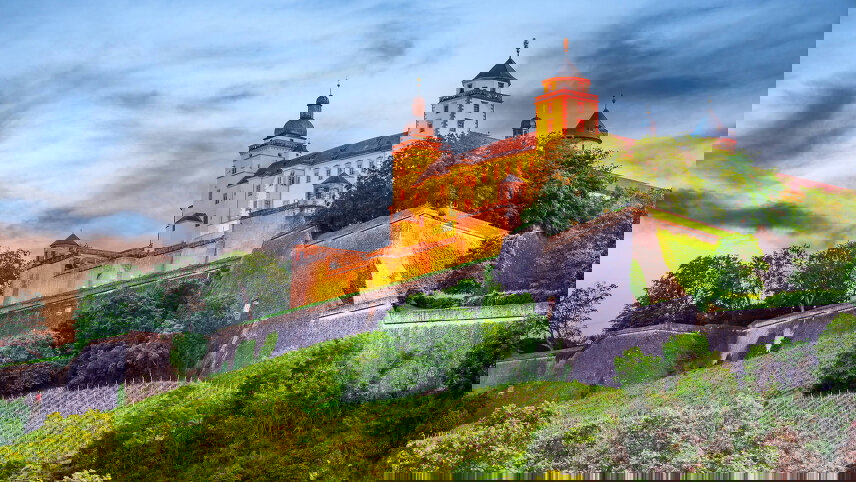
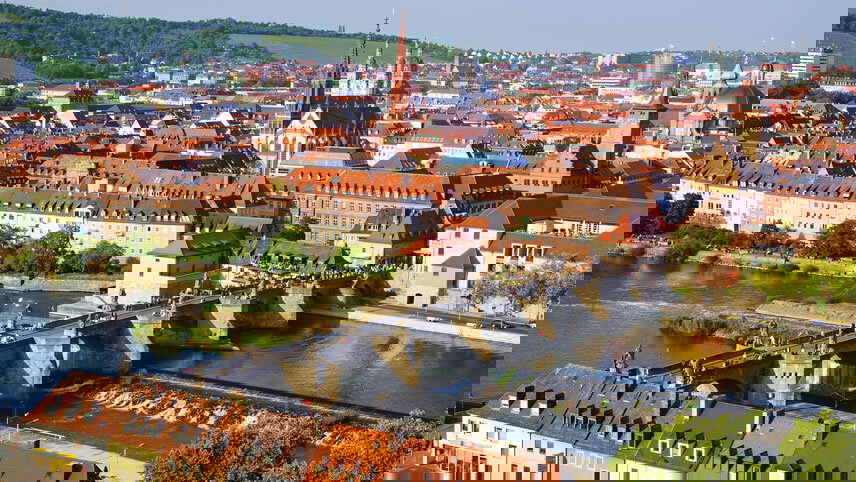
Surrounded by Franconian vineyards, Würzburg was heavily damaged during World War II, but has since been completely restored. This prestigious university city is a jewel of baroque architecture. Its most pristine example of pomp and glory is the great Bishops' Residenz palace, built in 1744 for the prince-bishop; his unwavering support of artists is evidenced by the sweeping staircase and magnificent ceiling frescoes by Tiepolo. Other landmarks include the medieval, statue-lined Old Main Bridge and Marienberg Fortress, originally a Celtic hill fort and later residence of the bishops. The city remains a major wine-making center, hosting Germany's oldest and largest vineyard.
Founded in 902, Bamberg remains a medieval-looking city known for its symphony orchestra and rauchbier, specialty smoked beer. The city's winding streets are filled with baroque patrician houses and are home to the stunning 11th-century Cathedral of Holy Roman Emperor Heinrich II, housing his tomb and that of Pope Clement II. Bamberg is especially noted for its Altes Rathaus, or Old Town Hall, situated on a twin-arched bridge over the Regnitz River, and for the old bishop's houses: the 16th-century Alte Hofhaltung (Old Court) and 17th-century Neue Residenz (New Residence).
Bid farewell to your fellow guests and journey home. Or spend more time exploring, perhaps joining one of our extensions.
Life On Board
Our state-of-the-art ships take you right into the heart of each destination, and you won’t find any kids or ‘nickel and diming’ on board. In fact, our fares include everything you need - from meals, beverages and Wi-Fi to a culturally enriching shore excursion at every port of call. This unique combination of features has become affectionately known as ‘the Viking difference’.
Viking has 70 award-winning river ships sailing all over the world, and we can’t wait to welcome you on board to discover the Viking difference for yourself.
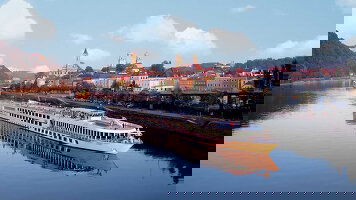
Viking's award-winning Longships® showcase innovative engineering, streamlined Scandinavian design and understated elegance. Read more
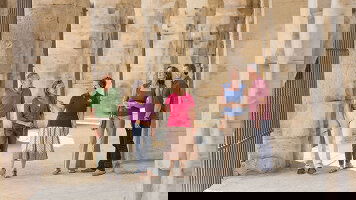
Every aspect of your Viking cruise is designed for the curious traveler seeking rich cultural immersion. Read more
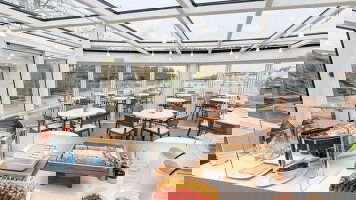
Elegant, light-filled ships thoughtfully designed to connect you to your destination. Read more
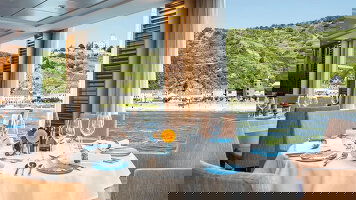
From relaxed, multi-course fine-dining to casual meals on the Aquavit Terrace. Read more
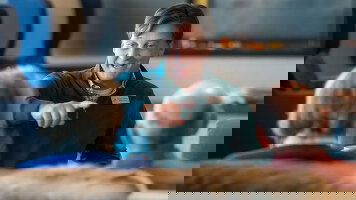
Viking proudly includes all that you need and nothing you do not and your river cruise fare. Read more

Viking offer behind-the-scenes insights and opportunities that set them apart from other travel companies. Read more

Download Brochure

Viking River Voyages (2026-28)
Dates & Pricing
 USD
USD
Viking Explorer Society
Viking River Cruise $25 Deposits!
Cabin Layout Options:
Select Cabin Preference:
Tour & cruises prices are per person. Prices shown have savings applied, are subject to availability and may be withdrawn at any time without notice. Pricing and trip details are correct at this point in time, however are subject to confirmation at the time of booking and are subject to change by Viking. For cruise itineraries, cabin images are sourced from the cruise-line and should be treated as indicative only. Cabin inclusions, upholsteries and room layout may differ to the image(s) shown depending on the ship selected and your sailing dates.
Similar River Cruises