Panama & Scenic South America


Itinerary
Embark your ship and settle into your stateroom. Chile's modern capital of Santiago is one of the largest cities in the Americas. Its impressive neoclassical, neo-Gothic, art deco and other architecture spans several centuries. Santiago's gateway, Valparaíso, is often compared to San Francisco for its many cerros, or hills. The city prospered as a major port until the opening of the Panama Canal rendered it unnecessary. Quaint Victorian-era architecture recalling its 19th-century affluence and steeply sloped barrios are linked by ascensores, or funiculars, and winding byways. From Los Cerros, the views are spectacular.
Sail Mar Pacífico, meaning “peaceful sea,” dubbed by Ferdinand Magellan when he crossed these waters almost 500 years ago.
Traverse the world's largest ocean, which covers almost 64 million square miles. At twice the size of the Atlantic, the Pacific is an ocean of extremes.
Iquique enjoys a scenic locale between the Pacific Ocean and the Pampa del Tamarugal, a vast plateau within the Atacama Desert. This bustling city was once part of Peru and grew prosperous from saltpeter mining. It was ceded to Chile in 1883 after the War of the Pacific. Today, Iquique boasts many architectural treasures around its central Arturo Prat Square, from the stately Municipal Theater and the elegant Casino Español to a Gothic and Moorish-style Clock Tower. The city's well-preserved Georgian-style homes are a picturesque legacy from the 19th-century mining boom.
Sail the Pacific Ocean, its vast expanse of waters covers more than 30 percent of the Earth's surface and touches the continents of Asia, Australia, North and South America.
Cross the Pacific Ocean and learn about its fascinating geology, with more than 75,000 volcanoes—many still active—reaching up from its depths.
Lima was founded in 1535 by Francisco Pizzaro as La Ciudad de los Reyes, or “City of Kings.” It soon grew into the capital of Spain's Viceroyalty of Peru and established the oldest university in the Americas, the National University of San Marcos. One of the most cosmopolitan cities in South America, Lima's extravagant collection of architecture spans the centuries: early colonial, Spanish baroque, neoclassical and Art Nouveau buildings all adorn the cityscape. The historic center, graced with hundreds of balconies built during the viceroyalty era, is a UNESCO Site.
The Pacific Ocean may have been officially discovered in 1521, yet early civilizations have been traversing these waters since 3000 BC.
Manta has long been closely linked to the rhythms of the sea. The city boasts the largest seaport in Ecuador and a bustling fish market brimming with sea bass, tuna and countless other delicacies. Local Manabita fare is a celebrated gastronomic tradition and considered by Ecuadorians to be one of their country's finest cuisines. Founded as a pre-Columbian trading post known as Jocay, the city is also recognized for its heritage with craft exhibits. But the craft scene really thrives in nearby Montecristi, renowned for its intricate wickerwork and original Panama hats.
Cross the Pacific Ocean and learn about its fascinating geology, with more than 75,000 volcanoes—many still active—reaching up from its depths. As you sail today, attend an informative lecture or watch a film on our 8K laser-projected panoramic screen in The Aula, one of the world’s most advanced venues for learning at sea. This indoor-outdoor experience allows nature to take center stage with its retractable floor-to-ceiling windows that unveil 270° views.
Panama City is a gleaming city of high rises on the Pacific and gracefully blends new and old. At once a rousing tribute to international finance and a rich reminder of a colonial past, it is Central America's unparalleled cosmopolitan center. The atmospheric Old Town, the Casco Viejo, straddles a peninsula and hosts some of the nation's most prized cultural and historic treasures, including churches, palaces and plazas. Nearby, one of the world's greatest engineering feats, the Panama Canal, conveys ships along its 48 miles to the Caribbean Sea.
The Panama Canal connects the Pacific and Atlantic Oceans, crossing the narrowest stretch of the Isthmus of Panama. A full transit through the 48-mile-long canal takes around eight to ten hours and passes through the Gatun Lake and the Culebra Cut, an artificial valley that runs through the Continental Divide. An engineering marvel of the 20th century, the crossing passes through a series of locks that lift and lower ships 85 feet from sea level, guided by electric locomotives known as mulas. The Panama Canal transit is a rite of passage and a truly memorable experience.
Sail through turquoise waters where legends of marauding pirates, swashbucklers and tales of hidden treasures were born.
Learn about the delicate ecosystems of the Caribbean Sea that lie beneath the surface of these crystal clear, warm waters. These remarkable coral reefs are known as the “rainforests of the sea.”
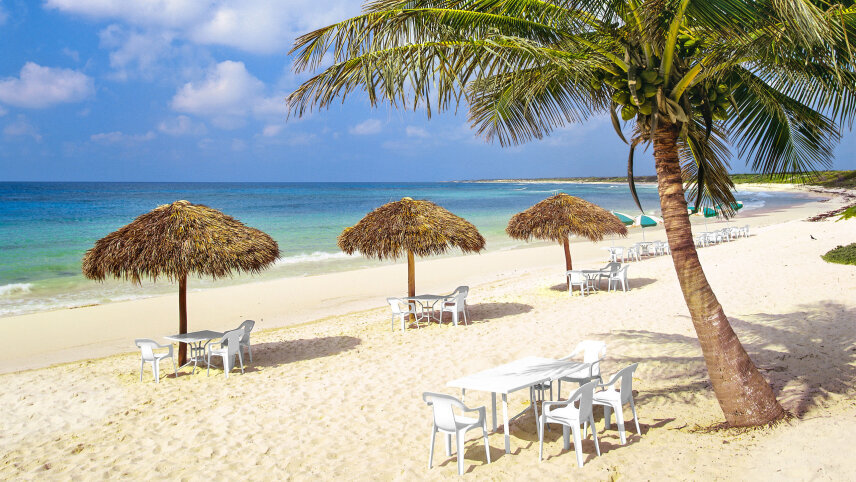
The island of Cozumel holds the keys to many of the most intriguing secrets of Mexico's ancient civilizations. At San Gervasio, pre-Columbian women made offerings to Ix Chel, goddess of the moon and fertility. More recently, the Spanish left marks of their early presence in the colorful colonial architecture and lively traditions of San Miguel and at the scenic lighthouse at Punta Sur. Today, this island off Mexico's Yucatán Peninsula attracts as many snorkelers as it does history buffs; the Cozumel Reefs National Marine Park is the world's second-largest coral reef system.
The Gulf of Mexico has been a witness to much of the history of North and Central America. In 1497, Amerigo Vespucci was purportedly the first European to sail into the gulf's basin, charting its coast and changing the world map.
Bid farewell to your fellow guests and journey home. Or spend more time exploring, perhaps joining one of our extensions.
Life On Board
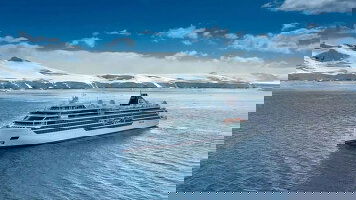
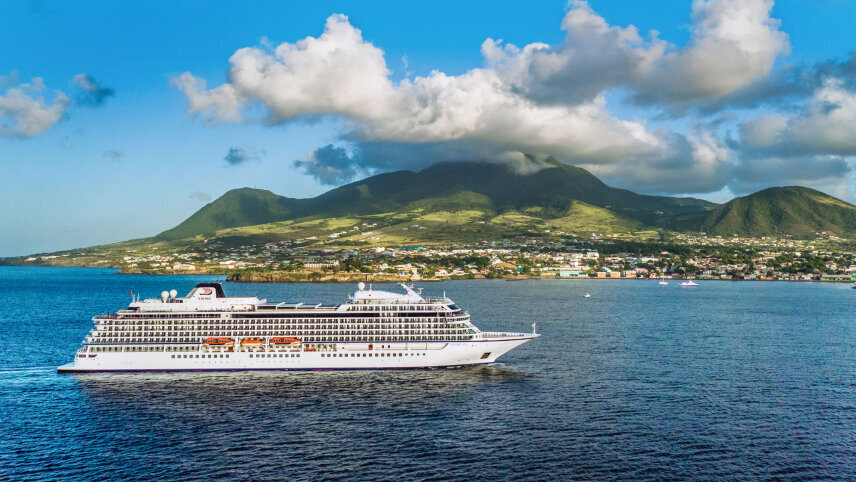
Launched in 2022, the Viking Polaris is Vikings' newest expedition ship, part of a fleet of award winning, state of the art ships built for exploration in sensitive environments. Read more
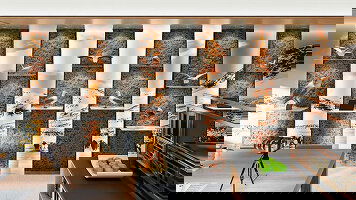
Viking are destination experts. With no casinos or children on board, you can be assured that the focus is firmly on enrichment and education. Read more
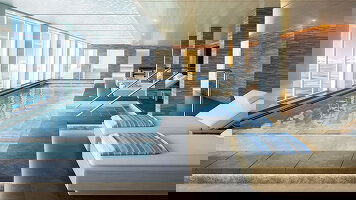
After a day of exploration or just to enhance the relaxation of a day at sea, the on-board Spa will leave you feeling recharged and revitalized. Read more
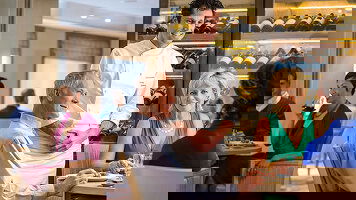
Viking offer six on board dining options. Beer, wine and soft drinks are available with lunch and dinner at no additional charge of fee. Read more
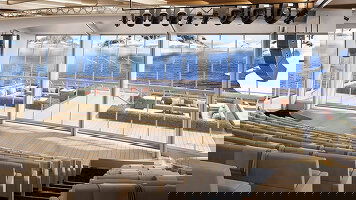
Viking proudly includes all that you need and nothing you do not. A variety of features and services are standard inclusions on your cruise. Read more
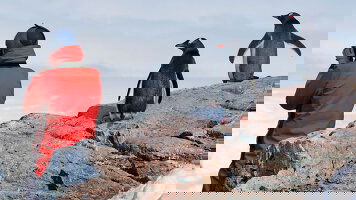
Viking include one complimentary shore excursion in every port of call. Enjoy included experiences around the world. Read more
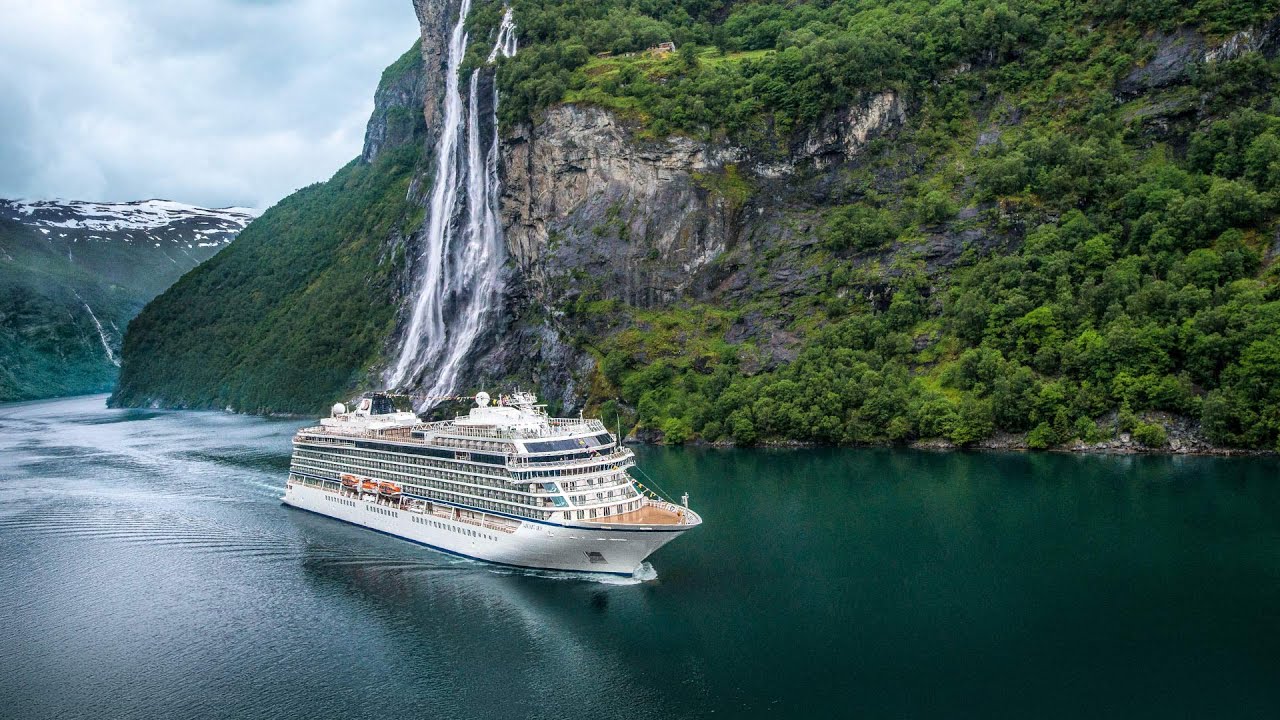
Download Brochure
Viking Expeditions (2025-27)
Dates & Pricing
Viking Explorer Society
GJ Loyalty Discount
Cabin Layout Options:
Select Cabin Preference:
Tour & cruises prices are per person. Prices shown have savings applied, are subject to availability and may be withdrawn at any time without notice. Pricing and trip details are correct at this point in time, however are subject to confirmation at the time of booking and are subject to change by Viking. For cruise itineraries, cabin images are sourced from the cruise-line and should be treated as indicative only. Cabin inclusions, upholsteries and room layout may differ to the image(s) shown depending on the ship selected and your sailing dates.