Antarctic Explorer & the Americas



Itinerary
Arrive and check in to your hotel. Buenos Aires, Argentina's cosmopolitan capital, is an eclectic combination of Latin and European influences. The tree-lined streets and postcolonial architecture draw on the city's Spanish, French and Italian heritage, while the many cafés and bodegas and vibrant nightlife are decidedly Argentine. Its barrios, or neighborhoods, exude an intimate atmosphere that belies the city's size. Full of bohemian flair, historic San Telmo's cobblestone streets and Belle Époque–style buildings reverberate with the mesmerizing melodies of the tango.
Ushuaia is the southernmost city in the world. Its splendid setting, tucked between the Beagle Channel and the southernmost slopes of the Andes, lends it an outpost atmosphere, as do the Antarctic explorers readying for the expeditions that depart from here. Ushuaia is the capital of and gateway to the celebrated Tierra del Fuego, the “Land of Fire,” named by Spaniards upon seeing the constant flames burned by the indigenous Yámana to keep warm. This largely unspoiled region comprises the large island of Tierra del Fuego and countless Chilean and Argentine islands.
Named for 16th-century English privateer Sir Francis Drake, the frigid waters of the Drake Passage stretch for some 600 miles between Cape Horn and Livingston Island in the South Shetland archipelago.
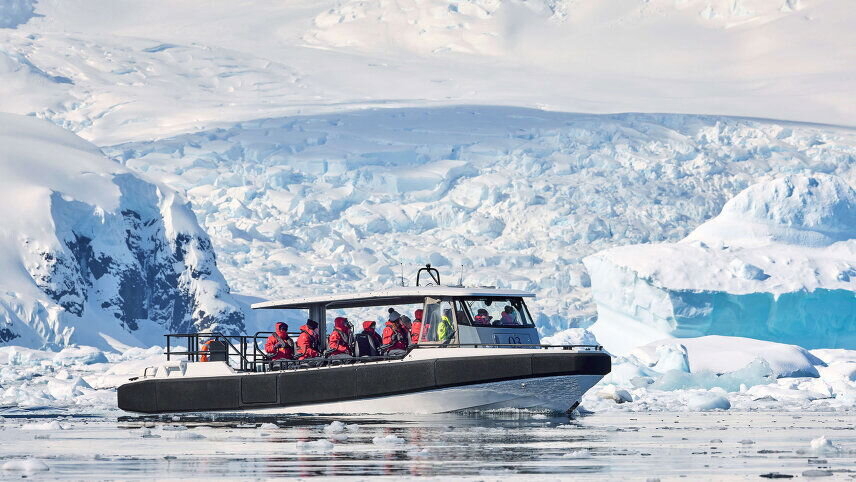
At once ethereal and majestic, Antarctica has inspired explorers and adventurers for centuries. In this icy wilderness, marvel at icebergs glimmering in serene bays and mountains cloaked in white rising from the mainland basalt cliffs. These stunning landscapes evoke both utter tranquility as Weddell seals lounge on ice floes, and breathtaking drama as glaciers thunderously calve into the sea. In these cold and nutrient-rich waters, humpback, fin and minke whales have been known to greet expedition ships that venture into their habitat.
The Drake Passage has a notorious reputation for being the roughest seas on Earth. Traversing it required braving massive waves, hurricane-force winds and icy conditions that tested the mettle of both sailor and ship.
Rising above the point where the Atlantic and Pacific Oceans converge, Cape Horn, named for the Dutch city of Hoorn in The Netherlands, is part of the Hermite Islands archipelago. This remote, stark and treeless place is often considered the continent's southernmost point. Soaring from Hornos Island is an enormous prehistoric-looking massif of Jurassic volcanic rock. Atop, stands its historic lighthouse near the water's edge. A beacon of assurance and safety for countless sailors since 1991, it is the world's southernmost traditional-style lighthouse.
The “city at the end of the world” is one of the planet's most breathtaking destinations; Andean peaks, pristine lakes and boreal forests create a dramatic backdrop, surrounding this captivating coastal town. Although Ushuaia lies more than 600 miles north of Antarctica, the city's port is still the closest to the “Last Continent” and the starting point for its exploration. The majesty of Antarctica's landscape attracts visitors seeking adventure, with its packed ice plains, rugged mountains and abundance of wildlife, such as whales, seals and various species of penguin.
Called Cabo de Hornos in Spanish, Cape Horn is a steep rocky headland located off the southern tip of mainland South America on Hornos Island in the Tierra del Fuego archipelago. It marks the northern boundary of the Drake Passage and where the Atlantic and the Pacific Oceans meet. The cape was first rounded in 1616 by Dutch navigator Willem Schouten and Belgian Jacob Le Maire. Navigating the waters around the cape are a challenge because of the area's treacherous winds, large waves and fierce currents, as well as many icebergs.
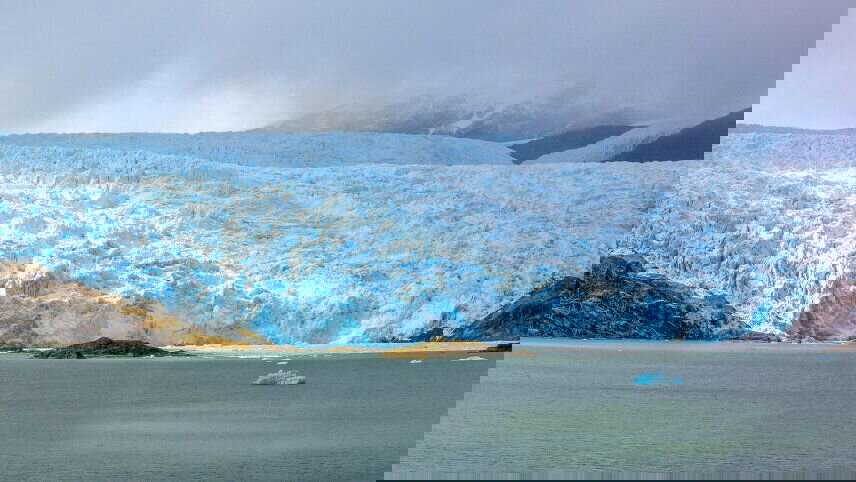
The pristine waters of the Garibaldi Fjord weave their way through the Alberto de Agostini National Park in Chile, where the Andes mountain range meets the ocean. The region is a UNESCO Biosphere Reserve and its majestic natural wonders are home to an array of wildlife. Its valley walls are covered with ice and floating icebergs drift along with the bobbing heads of seals and sea lions. The Garibaldi Glacier feeds the waters of the fjord, and this retreating 12 square mile spectacle dwarfs any vessel that passes by.
The gigantic Patagonian Ice Sheet covered southern Chile in a thick blanket of ice and snow during the last Ice Age. Around 12,000 years ago, rising temperatures caused it to begin melting, carving out the Patagonian landscape as it receded. Today, two vast sections, northern and southern, remain of this ancient ice sheet. Together, they cover more than 5,400 square miles and form the third largest frozen landmass on Earth. At their edges are towering glaciers of blue-tinged ice, whose ever-changing faces create the large icebergs that float in the fjords and channels.
Punta Arenas was founded as a penal colony by Chile in 1848. Nestled amid spectacular mountain vistas on the eastern shores of the Brunswick Peninsula, it played host to mariners crossing the continent by ship. Europeans followed, searching for newly discovered gold and establishing vast swaths of sheep farms locally and throughout the surrounding region. Over time, Punta Arenas became one of Chile's most important ports as, before the opening of the Panama Canal, it laid on the northernmost transcontinental shipping route.
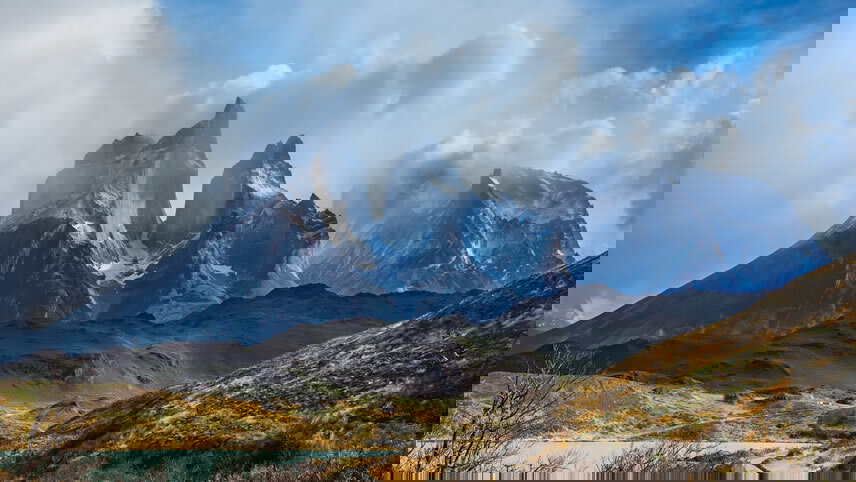
A pristine paradise of soaring peaks, countless lush islands teeming with wildlife and a tapestry of glaciers and rivers spilling into shimmering waters, the fjords of Chile are heralded as one of the most rugged and untamed places on earth. The crystal waters are a breathtaking sight as they journey through vast ice fields, towering mountainsides and serene fishing villages that hug tranquil shores against backdrops of dramatic forested hills.
The gigantic Patagonian Ice Sheet covered southern Chile in a thick blanket of ice and snow during the last Ice Age. Around 12,000 years ago, rising temperatures caused it to begin melting, carving out the Patagonian landscape as it receded. Today, two vast sections, northern and southern, remain of this ancient ice sheet. Together, they cover more than 5,400 square miles and form the third largest frozen landmass on Earth. At their edges are towering glaciers of blue-tinged ice, whose ever-changing faces create the large icebergs that float in the fjords and channels.
The fjords and channels of Chile were first inhabited by indigenous people who used the wood of the endemic Pilgerodendron uviferum, a conifer tree, to build their canoes and homes. Spanish conquistadors began exploring the region during the mid-16th century, navigating the fjord's internal passageways to avoid the heavy seas and bad weather of the Pacific Ocean. The harsh climate and declining local populations limited colonial expansion, leaving the fjords sparsely populated—a situation that continues to this day.
Puerto Chacabuco is a tiny Patagonian enclave and gateway into the spellbinding beauty of the rugged wilderness. The port was named for the 1817 Battle of Chacabuco, a pivotal moment during the Chilean War of Independence, in which national hero José de San Martín of the Army of the Andes defeated the royalist forces. Jagged rocky peaks with deep-cut gorges, icy-blue glaciers spilling into the sea and pine-green forests clinging to steep slopes dominate this untouched region, one of the most inspiring and breathtaking corners of the globe.
The picturesque Chilean Fjords stretch nearly 1,000 miles from Cape Horn at the South American continent's southern tip to the Reloncaví Estuary just below the city of Puerto Montt. Carved out by receding glaciers starting more than 2.5 million years ago, the fjords are composed of several hundred channels and passages that wind their way past walls of blue ice, dense forests and steep mountain ranges. Its rugged coastline is home to colonies of Magellanic penguins and lazing elephant seals, while its waters welcome dolphins, migrating humpback whales and orcas on the hunt.
Sail Mar Pacífico, meaning “peaceful sea,” dubbed by Ferdinand Magellan when he crossed these waters almost 500 years ago.
Chile's modern capital of Santiago is one of the largest cities in the Americas. Its impressive neoclassical, neo-Gothic, art deco and other architecture spans several centuries. Santiago's gateway, Valparaíso, is often compared to San Francisco for its many cerros, or hills. The city prospered as a major port until the opening of the Panama Canal rendered it unnecessary. Quaint Victorian-era architecture recalling its 19th-century affluence and steeply sloped barrios are linked by ascensores, or funiculars, and winding byways. From Los Cerros, the views are spectacular.
Traverse the world's largest ocean, which covers almost 64 million square miles. At twice the size of the Atlantic, the Pacific is an ocean of extremes.
Sail the Pacific Ocean, its vast expanse of waters covers more than 30 percent of the Earth's surface and touches the continents of Asia, Australia, North and South America.
Iquique enjoys a scenic locale between the Pacific Ocean and the Pampa del Tamarugal, a vast plateau within the Atacama Desert. This bustling city was once part of Peru and grew prosperous from saltpeter mining. It was ceded to Chile in 1883 after the War of the Pacific. Today, Iquique boasts many architectural treasures around its central Arturo Prat Square, from the stately Municipal Theater and the elegant Casino Español to a Gothic and Moorish-style Clock Tower. The city's well-preserved Georgian-style homes are a picturesque legacy from the 19th-century mining boom.
Cross the Pacific Ocean and learn about its fascinating geology, with more than 75,000 volcanoes—many still active—reaching up from its depths.
The Pacific Ocean may have been officially discovered in 1521, yet early civilizations have been traversing these waters since 3000 BC.
Lima was founded in 1535 by Francisco Pizzaro as La Ciudad de los Reyes, or “City of Kings.” It soon grew into the capital of Spain's Viceroyalty of Peru and established the oldest university in the Americas, the National University of San Marcos. One of the most cosmopolitan cities in South America, Lima's extravagant collection of architecture spans the centuries: early colonial, Spanish baroque, neoclassical and Art Nouveau buildings all adorn the cityscape. The historic center, graced with hundreds of balconies built during the viceroyalty era, is a UNESCO Site.
Cross the Pacific Ocean and learn about its fascinating geology, with more than 75,000 volcanoes—many still active—reaching up from its depths. Enjoy the amenities of your ship as you sail. Perhaps take a breath of fresh air on a brisk walk around the Promenade Deck or begin your day with a workout in the well-equipped Fitness Center.
Manta has long been closely linked to the rhythms of the sea. The city boasts the largest seaport in Ecuador and a bustling fish market brimming with sea bass, tuna and countless other delicacies. Local Manabita fare is a celebrated gastronomic tradition and considered by Ecuadorians to be one of their country's finest cuisines. Founded as a pre-Columbian trading post known as Jocay, the city is also recognized for its heritage with craft exhibits. But the craft scene really thrives in nearby Montecristi, renowned for its intricate wickerwork and original Panama hats.
The Pacific Ocean may have been officially discovered in 1521, yet early civilizations have been traversing these waters since 3000 BC. Meet fellow guests and listen to the soothing sounds of classical music in The Living Room, an ideal setting for relaxation. Enjoy a cup of coffee or sip on a refreshing cocktail.
Panama City is a gleaming city of high rises on the Pacific and gracefully blends new and old. At once a rousing tribute to international finance and a rich reminder of a colonial past, it is Central America's unparalleled cosmopolitan center. The atmospheric Old Town, the Casco Viejo, straddles a peninsula and hosts some of the nation's most prized cultural and historic treasures, including churches, palaces and plazas. Nearby, one of the world's greatest engineering feats, the Panama Canal, conveys ships along its 48 miles to the Caribbean Sea.
The Panama Canal connects the Pacific and Atlantic Oceans, crossing the narrowest stretch of the Isthmus of Panama. A full transit through the 48-mile-long canal takes around eight to ten hours and passes through the Gatun Lake and the Culebra Cut, an artificial valley that runs through the Continental Divide. An engineering marvel of the 20th century, the crossing passes through a series of locks that lift and lower ships 85 feet from sea level, guided by electric locomotives known as mulas. The Panama Canal transit is a rite of passage and a truly memorable experience.
Sail through turquoise waters where legends of marauding pirates, swashbucklers and tales of hidden treasures were born.
Learn about the delicate ecosystems of the Caribbean Sea that lie beneath the surface of these crystal clear, warm waters. These remarkable coral reefs are known as the “rainforests of the sea.”
The island of Cozumel holds the keys to many of the most intriguing secrets of Mexico's ancient civilizations. At San Gervasio, pre-Columbian women made offerings to Ix Chel, goddess of the moon and fertility. More recently, the Spanish left marks of their early presence in the colorful colonial architecture and lively traditions of San Miguel and at the scenic lighthouse at Punta Sur. Today, this island off Mexico's Yucatán Peninsula attracts as many snorkelers as it does history buffs; the Cozumel Reefs National Marine Park is the world's second-largest coral reef system.
The Gulf of Mexico has been a witness to much of the history of North and Central America. In 1497, Amerigo Vespucci was purportedly the first European to sail into the gulf's basin, charting its coast and changing the world map.
Bid farewell to your fellow guests and journey home. Or spend more time exploring, perhaps joining one of our extensions.
Life On Board
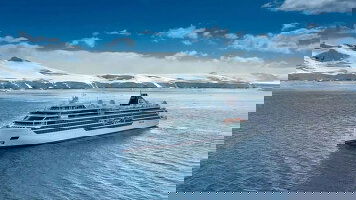
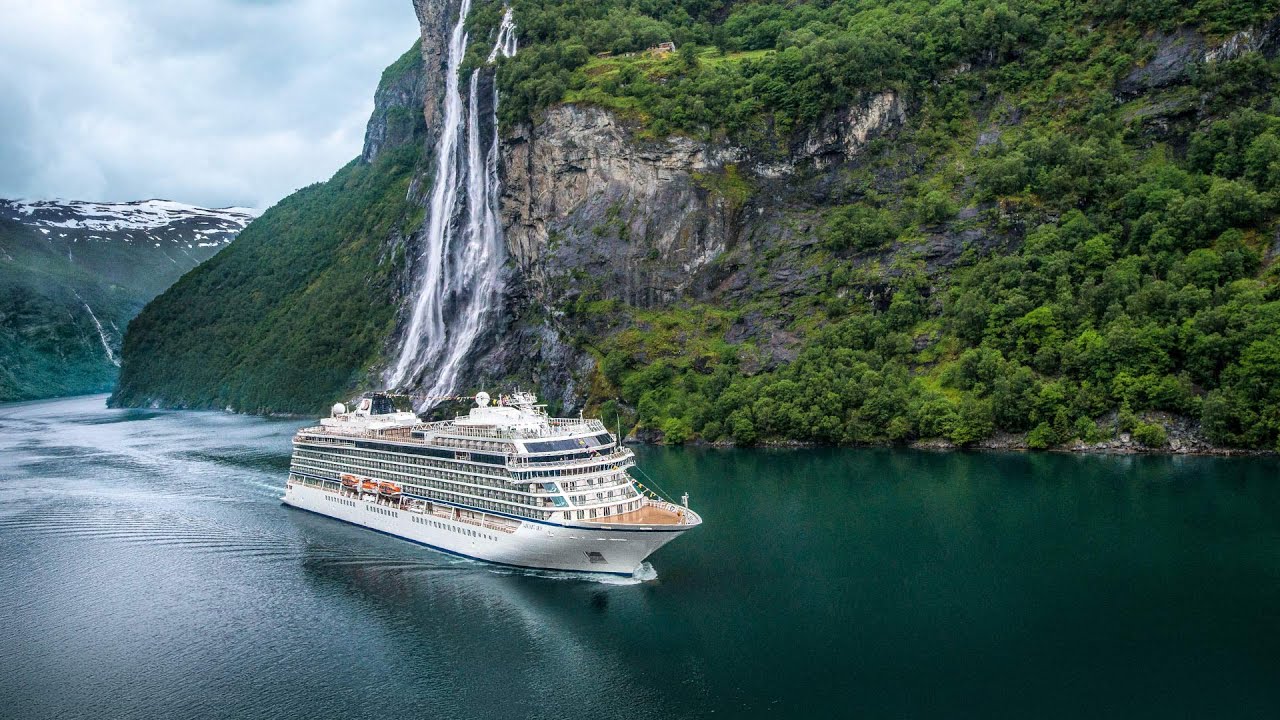
Launched in 2022, the Viking Polaris is Vikings' newest expedition ship, part of a fleet of award winning, state of the art ships built for exploration in sensitive environments. Read more
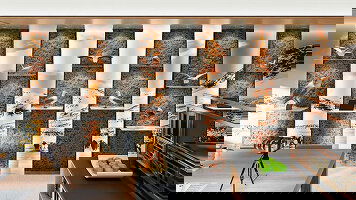
Viking are destination experts. With no casinos or children on board, you can be assured that the focus is firmly on enrichment and education. Read more
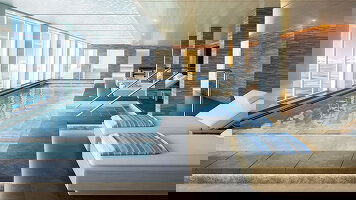
After a day of exploration or just to enhance the relaxation of a day at sea, the on-board Spa will leave you feeling recharged and revitalized. Read more

Viking offer six on board dining options. Beer, wine and soft drinks are available with lunch and dinner at no additional charge of fee. Read more
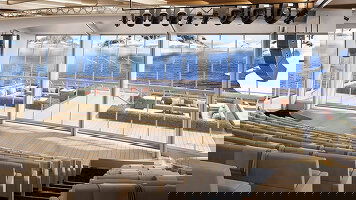
Viking proudly includes all that you need and nothing you do not. A variety of features and services are standard inclusions on your cruise. Read more
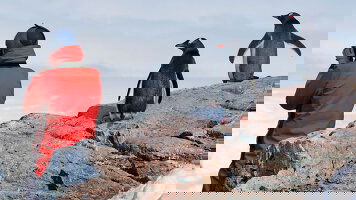
Viking include one complimentary shore excursion in every port of call. Enjoy included experiences around the world. Read more
Download Brochure
Viking Expeditions (2025-27)
Prices & Dates
There are currently no departures available on this cruise. Either it's the end of the season and new departures will be released shortly, or this itinerary has been changed and is not operating this season. Feel free to contact us for information about when next seasons dates will be released or click here to view general release dates for all destinations.
Tour & cruises prices are per person. Prices shown have savings applied, are subject to availability and may be withdrawn at any time without notice. Pricing and trip details are correct at this point in time, however are subject to confirmation at the time of booking and are subject to change by Viking. For cruise itineraries, cabin images are sourced from the cruise-line and should be treated as indicative only. Cabin inclusions, upholsteries and room layout may differ to the image(s) shown depending on the ship selected and your sailing dates.
