Journeys: Legendary Wildlife of Rwanda & Kenya
Overview



Itinerary
Arrive at any time. Arrival transfer is included. If you arrive early, take some time to explore the city, known for its pleasant, friendly atmosphere. Kigali also has some interesting and historic sites outside of the city. If you want more time to explore, we recommend booking a pre-night.
Please remember that this is a developing area and as such, accommodations/service may not be of similar standard to which you are used to in your home country. There also can be differences in service levels between different countries in East Africa. As well, interruptions in electricity and water can be common and internet/wifi is often only available in large cities. We appreciate your patience and understanding as well as your sense of adventure. A/C is not available in the accommodations used on this trip. In general it is not a concern as it does cool down at night and depending on location fans or screened windows are available. 4x4 safari vehicles are used to better navigate rough roads but important to note that vehicles do not have A/C.
Visit the Kigali Genocide Memorial and pay your respects to the victims of the 1994 Rwandan genocide, learning about this somber chapter of the country’s past. Later, embark on a community walk in the vibrant Nyamirambo neighbourhood and enjoy a local lunch at the G Adventures–supported Nyamirambo Women’s Centre. Travel to northern Rwanda in the afternoon and settle into our lodge, located at the edge of Volcanoes National Park and offering stunning views of the soaring peaks. Volcanoes National Park borders Virunga National Park in the Democratic Republic of Congo (DRC) and Mgahinga Gorilla National Park in Uganda. Five of the eight volcanoes in the Virunga Mountains can be found here. The volcanoes and highlands of the park are covered in lush rainforest and bamboo (a favourite snack of the gorillas). While the most famous resident is the mountain gorilla, there’s plenty of other wildlife roaming around: buffaloes, bushbucks, golden monkeys, hyenas, numerous bird species, and some elephants call this place home.
Altitude note: Volcanoes NP - approx 2,000 m (6,550 ft)
- Kigali Genocide Memorial Visit: Visit the Kigali Genocide Memorial Centre, which serves as a permanent memorial to those who fell victim to the genocide in 1994. The centre opened on the tenth anniversary of the Rwandan Genocide, in April 2004, and was built on a site where more than 250,000 people are buried. Please note that content at the Memorial Centre shows the harsh reality of the genocide.
- Nyamirambo Women's Centre, Local Lunch: Located in Nyamirambo, the largest and most vibrant township in Rwanda, the centre provides women and girls from a diverse range of backgrounds, the opportunity to support each other and succeed, through education and training programs. Enjoy lunch prepared by women employed at the centre, allowing us to try local foods and popular dishes. After lunch, take some time to browse the centre's shop, which features handmade, high-quality crafts and clothes, made by some of the women at the shop, as well as other women's cooperatives throughout Rwanda. Proceeds from the meal and shop help support the centre’s education and training programs, including a community library.
- 4x4: Roads? Where this rough-and-ready vehicle's going, we don't need roads.
Set out on a trek in lush, jungle-covered hills with a park ranger to track a unique and endangered species—the golden monkey. Observe these playful, curious creatures in their natural habitat; then visit the Ellen Degeneres Campus of the Karisoke Research Center, founded by National Geographic Grantee Dian Fossey. Visit the public exhibit and enjoy immersive activities, like a 360-degree theatre and replica of Dian Fossey’s original cabin before meeting the Tourism Warden of Volcanoes National Park at the Kinigi Women Centre, right opposite the Campus for an exclusive and immersive gorilla conservation talk set against the breathtaking backdrop of the Virunga Volcanoes, and gain unique insights into one of Africa’s most celebrated conservation success stories.
Proper hiking attire must be worn – you will be trekking in a rainforest with lots of vegetation, undergrowth, nettles and normally a rather muddy terrain. Please inform your Expedition Leader in advance if you would like to rent gaiters for the trek. Walking sticks will be provided. Only 1 hour is spent with the Golden Monkeys to ensure their protection and conservation. Please note that if you are unwell with anything contagious, even a common cold, you may be denied any of the treks to ensure the safety of the golden monkeys. This is a national park regulation, and trekking permits will not be refunded if you are denied entrance due to illness. The order of activities over Days 3 and 4 can change depending on permit scheduling.
- Golden Monkey Trek: Embark on a trek in Volcanoes National Park to view a species even more endangered than the mountain gorilla – the golden monkey. It is only in Rwanda where this interesting species has been successfully habituated. Look (and listen) for these lively and curious creatures that like to chatter – they are often only seen high up in the trees, but, with luck, hikers may have a close encounter. Golden monkeys mainly live in the lower parts of the bamboo forests; they are not as socially “tight” as gorillas and chimpanzees, and the number in the habituated troupe can vary on any given day between 20 and 80.
- Mountain Gorilla Conservation Experience - Kinigi Women Centre: Founded 50 years ago by Dian Fossey, the Karisoke Research Center in Rwanda is considered the world’s best hope for the survival of endangered mountain gorillas. The Fossey Fund is also the world’s longest running and largest organization dedicated entirely to gorilla conservation. More recently, the organization moved to its permanent home near the gorgeous landscape of Volcanoes National Park and has now been named the Ellen Degeneres Campus of the Diane Fossey Gorilla Fund. During the evening visit you’ll be invited to check out the immersive activities in the public exhibit while learning about the biodiversity of this region. Later, your Expedition Leader will collect you from the Campus for an exclusive and immersive gorilla conservation talk hosted by the Tourism Warden of Volcanoes National Park at Kinigi Women Centre, right opposite the Campus. Set against the breathtaking backdrop of the Virunga Volcanoes, enjoy snacks and refreshments as you gain unique insights into one of Africa’s most celebrated conservation success stories. During this engaging session, the warden will share the remarkable journey of mountain gorilla conservation, highlighting key milestones achieved in protecting this endangered species and its habitat. You will also learn about the close relationship between the park and the surrounding communities, and how tourism and conservation initiatives have generated tangible benefits through employment, community development projects, education, healthcare, and sustainable livelihood opportunities. This enriching experience offers a rare opportunity to understand the vital role that conservation plays not only in safeguarding wildlife but also in improving the lives of the communities that coexist alongside the park.
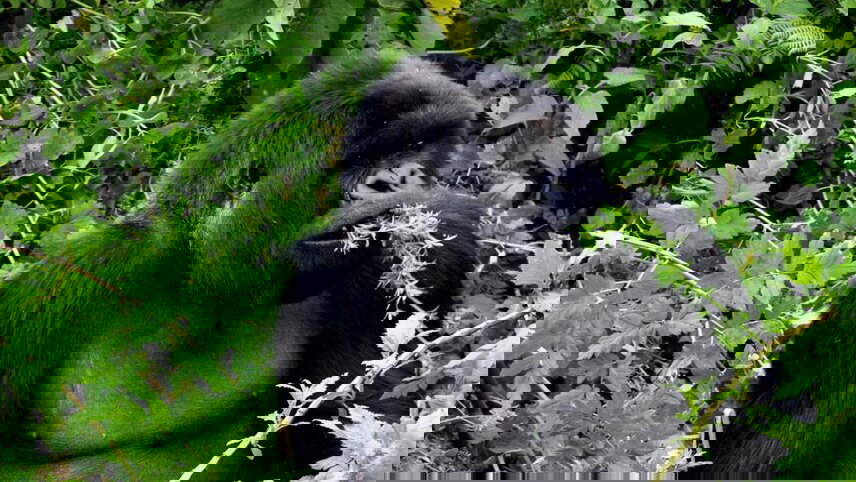
Embark on an unforgettable trek through the jungle alongside a park ranger to search for mountain gorillas. When we come across a group of gorillas, witness their fascinating social dynamics up close. Note that these treks can vary in length and difficulty depending on the location of the gorillas. Return to our lodge for lunch, followed by a visit to a local village to catch a glimpse of daily rural life. Approximately 800 mountain gorillas exist globally in the wild today. They are found in Rwanda, DRC, and Uganda. In DRC and Rwanda, gorillas live in similar ecosystems/areas. The gorilla species found in these three areas are called highland gorillas. In Rwanda there are ten habituated gorilla families that are open to visits – the visit to a gorilla family is done once per day, with a maximum 8 trekkers per group and the duration of a visit is limited to one (1) hour with the gorilla family. The time spent with them is limited due to conservation considerations and to minimize impact on the day-to-day life of the gorilla family you are visiting. It is important to be well prepared for the trek — you never know if your total trek will be short or long. The total duration of a trek can vary and be anything between 4 and 9 hrs in length depending on the location of the gorillas, which are constantly moving. You will mainly walk where there are no paths apart from the occasional buffalo or elephant trail. Touching the gorillas is not allowed (although in some cases they may touch you). Making loud noises or sudden movements is also not allowed. You should attempt to keep a distance of 7m from the gorillas, however the gorillas themselves are unaware of this and will often get very close, in which case you should try to slowly move away. At all times you must abide by the instructions of the trackers and rangers. Please note that porters are available at approx. $10USD per person. The porters are all hired from local villages and not only can carry your day pack, but assist you with a welcome hand over difficult spots. Regardless of your fitness level, we highly recommend hiring a porter as some tracks can be very muddy and elevation can affect even the most fit person. It also provides employment and supports the local community.
Mountain gorillas share 98% of our DNA and are prone to catching human illnesses. Please note that if you are unwell with anything contagious, even a common cold, you may be denied any of the treks to ensure the safety of the gorillas. This is a national park regulation, and trekking permits will not be refunded if you are denied entrance due to illness. Proper hiking attire must be worn – you will be trekking in a rainforest with lots of vegetation, undergrowth, nettles and normally a rather muddy terrain. Please inform your Expedition Leader in advance if you would like to rent gaiters for the trek. Walking sticks will be provided. Minimum age for gorilla trekking is 15 years old. Please note that depending on the size of our group and when permits are confirmed, we may be split into 2 trekking groups and you may be trekking with non-G travellers.
- Iby'iwacu Village Visit: Visit a small farming village where the locals have put a stop to poaching and put their focus on sheep farming. Meet the local people and get a first hand look at rural life in this area.
- Gorilla Trekking: Depart early and transfer to the national park to meet the park ranger/guide for orientation. Embark on the trek, which can vary in length and difficulty, depending on the location of the gorilla family that's being visited. Spend an hour observing these beautiful and endangered creatures. Trek back and return to the hotel with the remainder of the afternoon to yourself.
Head back to Kigali for lunch, then continue east to Akagera National Park. Armed conflict once devastated this part of Rwanda, and many years of neglect and misuse followed. Yet dedicated work by the local communities resulted in the return of wildlife to the park’s savannas, forested hills, and wetlands. Learn more about this fascinating conservation success story in a behind-the-scenes visit to the African Parks headquarters here. Later, check into our comfortable lodge overlooking stunning Lake Ihema. Akagera National Park offers a remarkable conservation story and is home to the Big Five, zebras, giraffes, elephants and hundreds of bird species. Running directly along the boarder with Tanzania, the park covers 1,122 km2 (433 sq mi) and offers a variety of landscapes including highlands, savannah plains, swamps, wetlands and lakes.
- 4x4: Roads? Where this rough-and-ready vehicle's going, we don't need roads.
- Akagera National Park - Conservation and Community: Take a behind-the-scenes tour of the African Parks headquarters here. Gain insights into issues of modern wildlife conservation, the day-to-day process of managing a protected zone, and the importance of community support to protect the park. Visit the anti-poaching room to learn about monitoring and methods of protection, including the use of a canine unit. Then head to the Akagera Village and learn about an outreach project that helps educate the local community about conservation and sustainability.
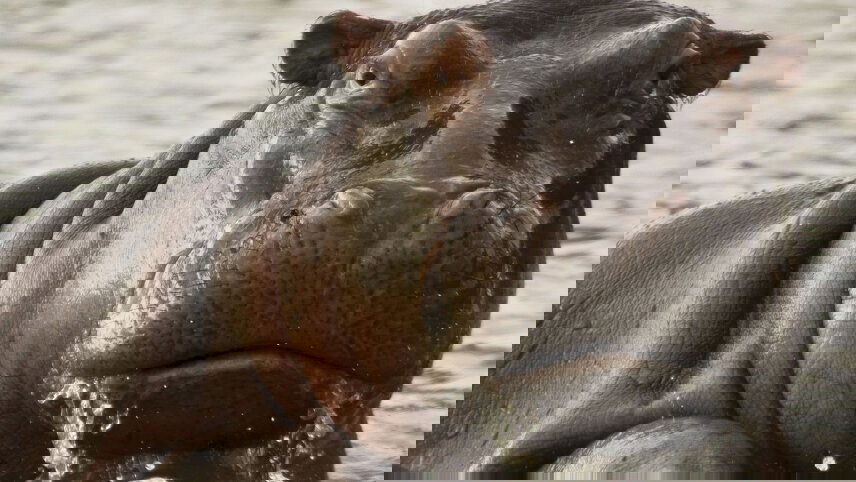
Wake before sunrise for an early morning safari drive in search of the “big five.” Keep an eye out for lions, buffalo, hyenas, and antelopes grazing freely here. Return to the lodge for lunch and some free time to relax or take a dip in the pool. In the afternoon, glide along Lake Ihema by boat, watching for hippos and crocodiles. Spot more wildlife, such as elephants and buffalo, as they gather at the lakeshore to drink water. Keep an eye out for a variety of birds including herons, shoebill storks, fish eagles, and kingfishers.
- Akagera NP Morning Safari Drive: This morning, wake early and head out into the park for sunrise and try and spot the early risers. Look out for lion, elephants, buffalo, hyenas and others who graze freely in the park. Giraffe are a popular site as well as others in the growing park such as; warthog, waterbuck, zebras, roan antelope, eland, topis, and impala.
- Wildlife Cruise on Lake Ihema: Enjoy safari by boat on Lake Ihema. The cruise will give you a chance to spot more wildlife, such as elephants and buffalos who tend to gather at the banks to have a drink of water. Search out Nile crocodiles and observe birds; there are over 500 species around the lake and its surrounding wetlands. Keep an eye out for shoebill and papyrus Ganolex as well as endemic species such as; herons, ibis, jacanas, plovers, malachite Kingfisher and Hawks.
Head out with a packed breakfast for our final safari drive in the early hours when animals are most active. Look for giraffes, gazelles, impalas, baboons, Butchel’s zebras, leopards, and lions. Later that morning, depart through the northern edge of the park and travel overland back to Kigali.
- Akagera NP Morning Safari Drive: This morning, wake early and head out into the park for sunrise and try and spot the early risers. Look out for lion, elephants, buffalo, hyenas and others who graze freely in the park. Giraffe are a popular site as well as others in the growing park such as; warthog, waterbuck, zebras, roan antelope, eland, topis, and impala.
- 4x4: Roads? Where this rough-and-ready vehicle's going, we don't need roads.
Catch a flight from Kigali to Nairobi and transfer to hotel. After your flight, transfer to the hotel. Take some time to explore Nairobi before meeting your group back at the hotel for a second orientation meeting. Here, you will meet your Kenyan Expedition Leader for this duration of the tour, and new travellers that may join you for the rest of your journey.
- Free Time: Take some time to explore Nairobi before meeting your Kenyan Expedition Leader at the orientation meeting.
- Plane: Look! Up in the sky! It's a bird! It's a plane! It's... yup, it is a plane, actually.
- Welcome Meeting for Travellers on Combos: You may be a seasoned pro at group travel by now, but there will likely be some new travellers joining the group. Sit in on the welcome meeting to meet the newest members of your group and learn about the next leg of your tour.
Depart early for Lake Nakuru, known for harbouring flocks of pink flamingos and a rich variety of bird species. Arrive at our safari lodge inside Lake Nakuru National Park in time for lunch, and seek out the resident rhinos on a late afternoon wildlife drive.
- Safari Vehicle: Get a better view and take better snapshots aboard this off-road ride.
- Lake Nakuru Wildlife Safari Drive: Search for, buffalo, impalas, hyenas, and even lions and leopards on the wildlife safari drive in this renowned national park. Head to the shores of Lake Nakuru to see pelicans and cormorants. The park is also rich in other bird life, including grebes, white winged black terns, stilts, avocets, and ducks.

Set out on morning and afternoon safaris through the picturesque park, searching for buffalo, impalas, lions, and more; and drive along the salty shores of Lake Nakuru to discover a mind-boggling variety of birds.
- Safari Vehicle: Get a better view and take better snapshots aboard this off-road ride.
- Lake Nakuru Wildlife Safari Drive: Search for, buffalo, impalas, hyenas, and even lions and leopards on the wildlife safari drive in this renowned national park. Head to the shores of Lake Nakuru to see pelicans and cormorants. The park is also rich in other bird life, including grebes, white winged black terns, stilts, avocets, and ducks.
This morning attend a talk given by a representative of the Kenya Wildlife Service (KWS)—a government institution dedicated to managing the country’s wildlife—about the issues surrounding poaching and wildlife conservation. Later head south through the Great Rift Valley to Lake Naivasha, a large freshwater lake surrounded by grassy banks and olive trees. Cruise the lake on a boat, watching for hippos and buffalo; and peer through your binoculars to spot lovebirds, ibis, and the African fish eagle. Step ashore at Crescent Island—a peaceful wildlife sanctuary located in the middle of the lake— and enjoy a guided stroll in search of wildebeest, zebras, and giraffes. The name Naivasha comes from the Maasai “Nai’posha”, which means “rough water”, though Lake Naivasha is generally calm as we watch for hippos and birdlife. Bring your binoculars and scan for lovebirds, ibis, and fish eagles, watch buffaloes wallow in the swamps and listen to colobus monkeys call from the treetops.
- Kenya Wildlife Service Conservation Talk: Gain a deeper understanding of the issues surrounding poaching and Elephant conservation during a lecture by an accredited speaker from the Kenya Wildlife Service (KWS). The KWS strives to sustainably conserve and develop Kenya’s wildlife and its habitats, as well as create programs to enable communities living in wildlife areas to benefit from wildlife revenue. National Geographic has supported many research projects working jointly with KWS researchers in the field.
- Safari Vehicle: Get a better view and take better snapshots aboard this off-road ride.
- Lake Naivasha & Crescent Island: Enjoy a scenic boat ride on this fresh water lake, popular with people seeking wildlife and bird watching. Once at Crescent Island walk amongst the acacia trees and come face to face with herds of wildebeest, zebra, waterbuck and giraffe. Along the shore you may see hippos and buffalo wallowing in the mud. Scan the treetops for the African fish eagle, waiting to snatch a fish from the lake.
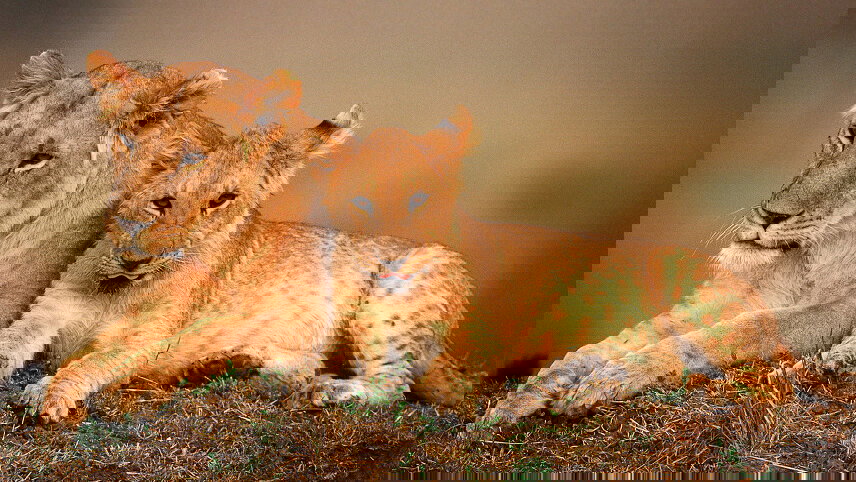
Travel to the legendary Masai Mara National Reserve and settle into our comfortable tented camp, located in the heart of the reserve. Head out for an afternoon safari through vast, acacia-dotted plains, driving past throngs of wildebeest, zebra, and giraffes; and keep an eye out for lions, elephants, and the rest of the African “big five.” In the evening, relax at the camp and enjoy scenic views of the rolling plains. After breakfast, we depart for the world famous Masai Mara National Reserve. No trip to Kenya would be complete without a visit here. In the afternoon, we will arrive in the area, and get settled at our safari camp, our base for our time here. Then we’ll make our way into the reserve for an afternoon wildlife safari drive, with excellent chances of seeing the "big five": buffalo, elephant, leopard, lion, and rhino.
The road in and back out of the park is very rough and very bumpy, but once you catch a glimpse of the stunning wildlife, it is worth a bit of discomfort.
- Safari Vehicle: Get a better view and take better snapshots aboard this off-road ride.
- Wildlife Safari Drive: You are in one of the world’s top safari destinations, known for its abundance of big cats – cheetahs, leopards and lions – as well as the two million wildebeest, Thomson’s gazelles and zebra that migrate annually across the vast grasslands in search of water. Set off on safari with our driver/guide on a private concession near the reserve and keep your eyes and ears peeled for movement and memories. Watch elephants and giraffe grazing, photograph zebras and wildebeest and, with a little luck, you'll even spot animals feasting on a recent kill.
Venture out on an early morning safari to track the animals that traversed the savanna during the night. View ungulates like Thomson’s and Grant’s gazelles, topi and eland antelopes—as well as their stealthy predators—at one of their most active times of the day. Continue your exploration on a late afternoon safari, discovering the timeless landscapes of Masai Mara.
- Safari Vehicle: Get a better view and take better snapshots aboard this off-road ride.
- Wildlife Safari Drive: Set out on another safari drive this afternoon to view the resident wildlife in their daily slowdown. Perhaps you'll see a few of the big cats – cheetahs, leopards and lions – as well as the two million wildebeest, Thomson’s gazelles and zebra that migrate annually across the vast grasslands in search of water.
In the morning leave camp and begin to travel back to Nairobi on a route that allows you to spot some wildlife as your exit the area. Stop along the way at Café Ubuntu, a G Adventures–supported Planeterra project that trains and employs local women and mothers of children with disabilities. Café Ubuntu is an oasis with delicious organic food, hospitable staff, and a relaxing atmosphere based in Maai Mahiu. It is a beacon for tourists who drive through the area each year on their way to the famous Maasai Mara conservancy. Learn about how the initiative empowers the community, visit the craft centre to meet some of the women who create the wares sold there, and then sit down for a delicious farm-to-table lunch. Options range from breakfast tacos, soups, and salads, to freshly made pizzas, curry dishes, and burritos. Rise early and enjoy the African sun as it rises over the savannah while you travel back to Nairobi on a route that allows you to spot some wildlife as your exit the area. Return to Nairobi in the late afternoon and opt to join the Expedition Leader in a farewell dinner.
- Café Ubuntu and Ubuntu Made: In the rural settlement of Maai Mahiu is the very special G Adventures for Good supported project, Ubuntu Café. A true social enterprise in the heart of Kenya, this initiative empowers the community, creating over 400 sustainable local jobs for mothers of children with disabilities, and supporting pediatric health and education programs in the region. Enjoy a guided tour of the centre and meet some of the mothers who work here creating handicrafts. Learn how the lives of these "mamas" have been impacted and, in turn, their communities empowered through this G Adventures-supported initiative. Then, sit down to a delicious, organic farm-to-table lunch. Enjoy the real tastes of quality coffee, breakfast tacos, soup, salad, freshly made pizzas, curry dishes,and burritos.
Depart at any time.
Trip Inclusions
- Observe gorillas and golden monkeys in Rwanda’s Volcanoes National Park.
- Embark on safari in Kenya’s legendary Masai Mara.
- Share lunch and stories with the inspiring women of Kigali’s Nyamirambo neighbourhood.
- Enjoy an insider’s perspective on anti-poaching efforts at Rwanda’s Akagera National Park.
- Your Journeys Highlight Moment: Mountain Gorilla Conservation Experience - Kinigi Women Centre, Volcanoes National Park
- Your Journeys Highlight Moment: Akagera National Park - Conservation and Community, Parc National de l’ Akagera
- Your Journeys Highlight Moment: Kenya Wildlife Service Conservation Talk, Lake Nakuru National Park
- Your Journeys Highlight Moment: Café Ubuntu and Ubuntu Made, Maai Mahiu
- Your G for Good Moment: Nyamirambo Women's Centre, Local Lunch, Kigali
- Arrival transfer
- All national park entrance fees
- Genocide memorial entrance
- Mountain gorilla trek with permits
- Golden monkey trek with permits
- Local village walk
- Safari drives in Akagera National Park
- Wildlife boat cruise on Lake Ihema
- Wildlife safari drives in Masai Mara National Reserve, and Lake Nakuru National Park
- Boat trip on Lake Naivasha and wildlife walk on Crescent Island
- Internal flight
- All transport between destinations and to/from included activities
- 7-seat 4x4 safari vehicle, walking, hiking, boat, plane
- National Geographic Expedition Leader, local guides, experienced gorilla trackers, park rangers, certified driver/guide in Kenya
- Hotel/Lodge – 12 nts, Comfortable Tented Camps – 2 nts
- 14 breakfasts, 11 lunches, 10 dinners
- Accommodation, itinerary and inclusions subject to change.
- Price is for land, cruise and internal flights as specified. Flights not specified are not included.
These small group tours combine meaningful cultural experiences with upgraded comfort and expert insight. Many itineraries include visits to community projects supported by G Adventures or National Geographic, offering a chance to connect with people and places in a more impactful way.
With more inclusions than other travel styles, character-filled accommodations and exclusive pre-trip reading to set the scene, these adventures are ideal for travellers who want to explore thoughtfully and return inspired.

Dates & Pricing
The Great Adventurers Club
GJ Loyalty Discount
A definite departure means minimum numbers have been reached for this departure to operate. Your Global Journeys Travel Advisor will check the availability of your departure date when you Enquire. Additional savings may apply. T&C’s apply.
Tour & cruises prices are per person. Prices shown have savings applied, are subject to availability and may be withdrawn at any time without notice. Pricing and trip details are correct at this point in time, however are subject to confirmation at the time of booking and are subject to change by G Adventures. For cruise itineraries, cabin images are sourced from the cruise-line and should be treated as indicative only. Cabin inclusions, upholsteries and room layout may differ to the image(s) shown depending on the ship selected and your sailing dates.
Similar Tours
14 Days Nairobi Arusha
Operated By: G Adventures
15 Days Johannesburg Johannesburg
Operated By: G Adventures
15 Days Nairobi Nairobi
Operated By: G Adventures
14 Days Windhoek Cape Town
Operated By: G Adventures
