From China to Laos: Exploring the Ancient Tea Horse Road

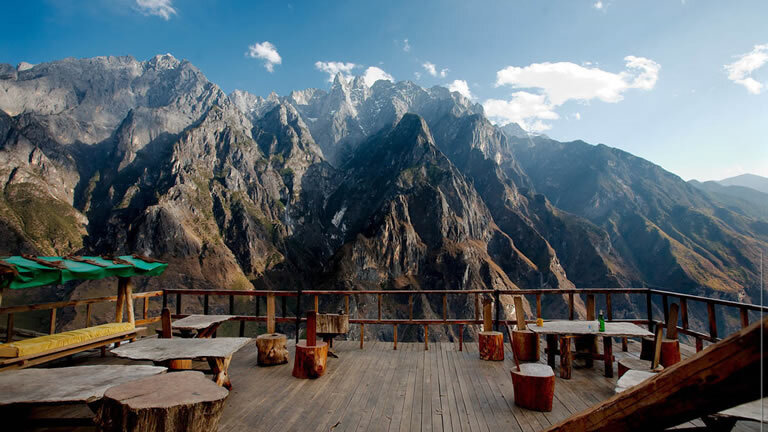

Marvel at the challenging Tiger Leaping Gorge and experience the daily life of the locals in morning markets. Cross into Laos with ease, taking a smooth and modern train from Xishuangbanna to the enchanting city of Luang Prabang. Delve into the immersive experiences and serene Buddhist temples this UNESCO World Heritage site has to offer.


Itinerary
Welcome to China! On arrival at Chengdu airport, you will be met and transferred to your hotel. The remainder of the day is at leisure to settle in and explore at your own pace.
Known for its relaxed pace of life, Chengdu is the gateway to China's southwest and the heart of Sichuan's distinct culture. This region is home to iconic spicy cuisine, traditional Sichuan opera with its renowned face-changing performances, and the country's most famous resident – the giant panda.
This morning you will drive to visit the Chengdu Giant Panda Breeding Research Base for a look at China's universally adored mascot. The base itself aims to provide an accurate simulation of the panda's true living environment. Once the pandas are adjusted to living here, the plan is to release them into the wild for the continuation and preservation of this endangered species. Visit early morning to see them being fed, climbing the trees, and sleeping before eating again in the afternoon. There are open grounds for pandas to roam freely and a nursery where babies are cared for.
Spend a leisurely afternoon in People's Park, the largest green area downtown. With a lake, gardens, teahouses, and monuments, it's the best place to observe the lives of locals. Stroll along the lake, watch people sing, dance, paint water calligraphy, or take a cup of tea in one of the teahouses and learn how to play Mahjong or Chinese chess.
In the early evening, transfer to the airport for your flight to Lijiang (1hr 40min). Lijiang, or ‘beautiful river,' is the capital of a large area inhabited by the Naxi minority people. Before this area was conquered by Mongolian Kublai Khan in the 12th century, it used to be a prosperous kingdom with a very strong culture – especially their unique style of writing Chinese characters. Arrive Lijiang (1,980 m above sea level) and transfer to your hotel.
Rise early and make your way to Black Dragon Pool to witness sunrise over Jade Dragon Snow Mountain (25 min walk). This serene spot offers a striking reflection of the snow-capped peaks in its still waters. Sunrise is typically around 7.30 am.
After breakfast, drive to nearby Shuhe village (10 min drive), once a key stop on the ancient Tea and Horse Road. One of the earliest Naxi settlements, Shuhe is a preserved example of life along this historic trade route. Stone-paved streets, mountain-fed streams and traditional timber buildings remain much as they were centuries ago. Traders carrying salt, silk, paper and tea once paused here to rest and replenish. As you wander, the hum of market exchange and the scent of fermented spirits seem to linger in the air.
After lunch in Shuhe, drive to Tiger Leaping Gorge (95 km, 1.5 hrs), located at 3,000 metres above sea level. This dramatic canyon carved by the Jinsha River lies between the Haba and Jade Dragon Snow Mountains. According to legend, a tiger once leapt across the narrowest point of the river to escape a hunter, giving the gorge its name.
Commence your trek from the trailhead, hiking for 4 to 5 hours to reach the halfway point before descending to Tina's Inn. From here, transfer by vehicle back to your retreat for the evening.
After breakfast, continue your road trip to Shaxi (100km, 1.5 hr drive), once a thriving trade station on the Tea and Horse Road. During the late 19th century, Victorian botanists came to Shaxi to collect exotic plant specimens for ornament gardens that were becoming popular in Europe and America. The plants flourishing in many parks, estates, and gardens in the West originally came from this part of the world. But this is not just the botanical legacy that captivates people. Although trade between Yunnan and Tibet no longer traverses this route today, Shaxi retains a border-town ambience. Its cobblestoned alleyways have kept their charm, reminiscent of how they appeared a thousand years ago.
Your guide will recommend a traditional spot for lunch, once frequented by merchants travelling this historic route (lunch at own expense).
In the afternoon, visit Sidengjie, the town's historic square where trade and commerce once flourished. The square is framed by a temple, theatre stage, caravanserai, shops, and ancient trees. Walk its red-rock lanes, cross the arched stone bridge, and visit Xinjiao Temple, a sacred site that stands as a silent witness to the centuries of hardship, trade, and human connection along the Tea and Horse Road.
Begin your day with a visit to Baoxiang Temple, a cliffside sanctuary built into the face of the mountain. Reach the temple via a stone stairway that winds through the forest. Keep an eye out for local macaques, which are known for their boldness around visitors.
Continue with a short drive to Shilong Village (10 min drive), a Bai community known for its traditional methods of producing smoked bacon. Spend time engaging with local residents and observing the rhythms of daily village life.
In the afternoon, take a scenic hike through the Shibaoshan area, or Stone Treasure Mountain. This mountainous landscape is dotted with temples carved into the rock, cascading waterfalls and dense forest trails. The region is a striking example of danxia landform, composed of red sandstone and conglomerates formed during the Cretaceous period. You will spend approximately one hour here. The walk includes moderate climbs and is suitable for those with a reasonable level of fitness. (B, Snack Lunch)
Hit the road for a two-hour drive through Dali, a region known for its Bai ethnic culture. Wander through the streets of the old city, the Bai dwelling area, where you will have a closer look at the Bai people's traditional residences. En route, stop at Zhoucheng and try your hands at Tie-dye. Next, marvel at the Three Pagodas, an iconic symbol of the region that stands tall with a rich historical legacy.
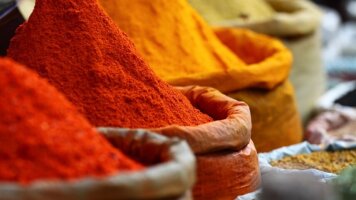
Start your day early with a visit to the bustling morning markets in Xizhou. This vibrant community hub offers a window into local life, where vendors display seasonal produce, fragrant spices and handmade goods. The energy here reflects a lifestyle still closely tied to land and tradition. From Xizhou, hire a bicycle (payable locally) and cycle along the edge of Erhai Lake. This scenic route offers panoramic views of the lake's still waters, surrounding villages and terraced farmland. The ride is peaceful, with plenty of opportunity to take in the landscape at your own pace.
After a light lunch, board a fast train to Kunming (200 km, 2 hr 20 mins). On arrival, travel to the West Hill to visit Dragon Gate. Carved into the cliffside, this network of grottoes, stairways and pavilions overlooks Dianchi Lake and the Kunming basin. The site is rich with Taoist symbolism and offers a commanding view of the landscape below.
This morning, drive to the Black Stone Forest (90 km, 1.5 hrs). This striking geological formation features towering limestone pinnacles shaped over millennia by wind and water. As you walk through the maze-like pathways, take in the surreal formations that resemble ancient sculptures, each bearing the marks of natural erosion and time.
Later, relax aboard your train journey to Pu'er (approx. 3 hrs). Located at 1,000 metres above sea level, Pu'er marks the starting point of the historic Tea and Horse Road. Known as the birthplace of tea, the region is deeply rooted in China's tea heritage and remains a centre for cultivation, production and cultural exchange.
Begin your day with a short trek along the Chashitang section of the ancient Tea and Horse Road (30–45 min walk). This stone-paved trail winds through dense forest and rolling hills, evoking the footsteps of traders who once transported tea on horseback across vast distances. The path offers a quiet connection to centuries of movement, exchange and endurance.
After the walk, continue to Laodabao Village, home to the Lahu people. Known for their musical heritage, the Lahu are gifted singers and instrumentalists. Nestled among forested hills, the village offers a chance to sit with a local family and hear stories passed down through generations. Share a home-cooked meal made with ingredients grown on their land and taste fresh fruit from the family's garden before continuing your journey.
Travel onwards to Wengji Village, inhabited by the Jinuo people. Recognised as China's 55th and final ethnic group, the Jinuo number around 400 in this region. Their lives are closely tied to the tea industry, with most families engaged in growing, harvesting and processing tea. Later, visit Nuogan Village, home to the Dai people. While Dai communities are widespread in Xishuangbanna, the Dai of Nuogan are distinct. Their houses, roof tiles and traditional clothing reflect influences from neighbouring Jinuo and Lahu cultures.
Conclude your day at Jingmai Jingzu Homestay in Nuogan Village. Located in the Tea Mountain area, this recently opened homestay offers an immersive local experience in a quiet and scenic setting.
Depart Jingmai this morning and travel to Guangmangshan Tea Plantation (1 hr drive). Here, you will join local tea growers in the fields to hand-pluck tea leaves using traditional methods passed down through generations. Gain insight into the delicate process of tea production, where temperature, timing and precision are critical in achieving the ideal flavour profile.
Following the harvest, observe the stages of tea leaf processing and participate in a traditional tea ceremony. This is a chance to savour the subtle complexities of locally produced tea while learning its cultural significance within the region. Enjoy lunch at a restaurant in the village before continuing your journey.
In the evening, arrive in Xishuangbanna, located at 600 metres above sea level. This region is primarily inhabited by the Dai people and is known for its subtropical landscape, diverse ethnic culture and long-standing tea traditions.
Begin your day with a visit to General Buddha Temple, a sacred site deeply respected by the local community. Engage in conversation with resident monks to gain insight into Theravada Buddhist traditions and daily monastic life in Xishuangbanna. Nearby, explore Manting Park, where seasonal blooms and centuries-old trees create a tranquil setting. As you walk through the park, take in the scent of flowers carried on the breeze and the vivid colours that mark this botanical sanctuary.
In the afternoon, head into the surrounding countryside to meet the Dai people. Known for their hospitality and rich cultural traditions, the Dai continue to practise a way of life closely tied to their environment and beliefs. Spend time in the village observing daily routines, architectural styles and community customs. Conclude your day at a vibrant starry night market in a Dai village. The atmosphere is lively, with stalls offering local street food, freshly brewed craft beer and handmade items. This is a chance to sample regional flavours and enjoy a relaxed evening immersed in local culture.
This morning you will say farewell to your guide who will see you off at the train station and begin your journey to Luang Prabang by train (2.5hrs ride). The train stops in Mohan, where you are required to go through customs, after which you will board the train again to Boten, where you enter immigration in Laos.
Saibadee! Welcome to Laos. Upon arrival at the train station, you will be met by your local guide and transferred to your hotel. The UNESCO World Heritage small city of Luang Prabang is a favourite for many travellers. Nestled in the hills of northern Laos between the Mekong and Khan Rivers, it is a wonderful place to explore by foot or jump onto a Jumbo (local transport) to experience a local perspective on the town.
Tonight, you will experience a Laos feast. Served family-style, you will have the opportunity to taste many special local flavours and foods, from chunky bamboo soup to sausages and dips, accompanied by sticky rice, herbed fish in banana leaf, lemongrass-stuffed chicken, pumpkin with kaffir lime and ginger, and a selection of sweet Laos confections.
After breakfast, enjoy a short, guided tour exploring the city's oldest temple, Wat Sene, and the magnificent Wat Xiengthong, with its roof sweeping low to the ground, which represents classical Laotian architecture. You will also visit the National Museum (former Royal Palace), which hosts a range of interesting artefacts, and the Traditional Arts and Ethnology Centre to learn about Laos' many ethnic minorities.
You then board a 2-hour cruise upstream on the Mekong River, providing you with a panoramic view of the tranquil countryside, as well as an interesting visit to the mysterious Pak Ou Caves. Two linked caves are crammed with thousands of gold lacquered Buddha statues of various shapes and sizes left by pilgrims. Afterwards, return to Luang Prabang by road transfer.
You might want to climb up to the top of Mount Phousi, where you can explore the sacred, gilded stupa and take in sweeping views of the city and the Mekong River at sunset.
Finish the day visiting the famous Night Market, where you can find a fascinating selection of handmade textiles made by local and hill tribe people surrounding Luang Prabang.
An early start this morning as you experience the mystical aura of Luang Prabang and participate in the daily morning rituals of saffron-clad monks collecting offerings of alms (often in the form of sticky rice) from the faithful residents.
After breakfast, visit a community-based rice farm in the peaceful countryside, surrounded by mountains and rice paddies. Try your hand at farming activities for a glimpse into the daily life of a farmer—fun for all ages and great for photos. If you prefer a more relaxed experience, you can watch the farm in action from the balcony of a traditional Lao rice house, overlooking rice terraces and an organic vegetable garden. During your time on the farm, you'll also learn about bamboo weaving, blacksmithing, and sugarcane processing. Afterwards, tour the organic garden and find out how natural herbs are used in traditional medicine. Enjoy lunch at a restaurant with views of the farm to round off the experience.
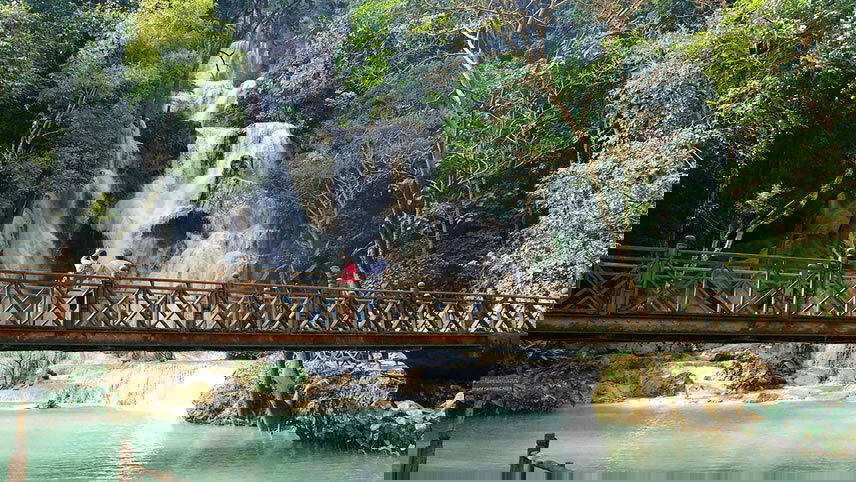
Afterwards, you drive to the beautiful Kuang Si Waterfall, where you can splash around in the turquoise pools or walk along the forest paths. On the way, you will visit Ban Na Oun, a minority village of Hmong people. There's also an opportunity to visit the bear sanctuary near the waterfall, which is run by Free The Bears Fund Inc. This sanctuary protects and rehabilitates the endangered Asiatic Black Bear.
You finish the day with a visit to Ock Pop Tok. This Laos-based social enterprise works primarily in the fields of textiles, handicrafts, and design. Meaning ‘east meets west', Ock Pop Tok brings the fascinating world of traditional Lao handicrafts alive for visitors. The Living Crafts Centre, overlooking the Mekong, is the heart of Ock Pop Tok and a fascinating place to visit. Enjoy a drink at Ock Pop Tok Silk Road Café and take in amazing views over the Mekong before transferring to the airport for your evening flight.
Trip Inclusions
- Chengdu Giant Panda Breeding Research Base
- Hike Tiger Leaping Gorge
- Explore ancient time-frozen villages and mingle with minority tribes
- Marvel at the impressive Danxia landform
- Cycle around Erhai Lake
- Pluck tea leaves with the locals
- Participate in morning alms with monks
- Get hands-on in a rural farming experience
- Swim in Kuang Si Waterfall
- Return airport transfers throughout
- 13 nights accommodation
- Meals as per the itinerary
- Services of English speaking local guides
- National park fees and entrance fees
- Private air conditioned transportation
- Sightseeing as per the itinerary
- High-speed trains Dali/Kunming, Kunming/Pu'er, Xishuangbanna/Luang Prabang in second class seats
- VIP train service for Kunming/Pu'er
- Domestic flight Chengdu/Lijiang in economy class
- International & domestic air tickets not mentioned above
- Meals and beverages not mentioned above
- Visas
- Personal travel insurance
- Expenditure of a personal nature such as drinks, souvenirs, laundry, tipping etc
- Early check in/Late check out
- Accommodation, itinerary and inclusions subject to change.
- Disruptions to itinerary may occur.
Dates & Pricing
Your Global Journeys Travel Advisor will check the availability of your departure date when you Enquire. Additional savings may apply. T&C’s apply.
Tour & cruises prices are per person. Prices shown have savings applied, are subject to availability and may be withdrawn at any time without notice. Pricing and trip details are correct at this point in time, however are subject to confirmation at the time of booking and are subject to change by Crooked Compass. For cruise itineraries, cabin images are sourced from the cruise-line and should be treated as indicative only. Cabin inclusions, upholsteries and room layout may differ to the image(s) shown depending on the ship selected and your sailing dates.
Similar Tours
13 Days Ulaanbaatar Ulaanbaatar
Operated By: Crooked Compass

15 Days Tashkent Dushanbe
Operated By: Crooked Compass