Holland & Belgium


Itinerary
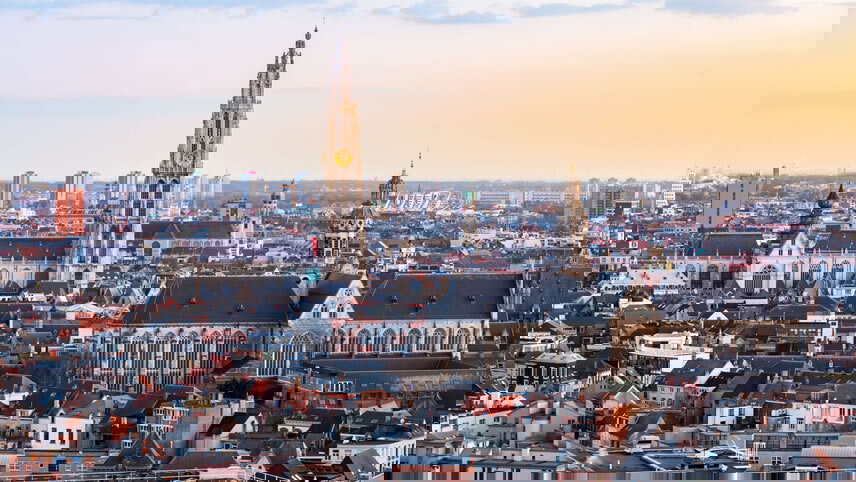
A cosmopolitan city, Antwerp is one of the world's major seaports. Its unique atmosphere comes from the contrasts between old and new, commerce and art. The Old Town and the expansive Grote Markt are filled with narrow, winding streets and medieval guild houses. The Gothic Cathedral of Our Lady, Belgium's largest church, contains works by 17th-century painter Peter Paul Rubens; he lived in the city and is entombed in the Church of St. James. Antwerp is also renowned for diamonds and chocolate. Many diamond cutters can be found here alongside countless confectioners.
Antwerp gained a solid reputation during the 15th and 16th centuries as an economic hot spot due to its flourishing art trade. Central to the cultural identity of Antwerp is the masterful work of its native son, the Flemish baroque painter Peter Paul Rubens. Renowned for his dynamic compositions, he achieved his height during Belgium's 17th-century Golden Age amid a vibrant intellectual and artistic renaissance. His work can be admired at his Antwerp home, Rubenshuis, which provides a fascinating glimpse of the artist's once-bustling workshop.
Straddling the Meuse River, Maastricht is one of The Netherlands' oldest and most picturesque cities, boasting 1,677 Rijksmonumenten, or National Heritage Buildings. The narrow cobblestone streets and stunning churches of the car-free inner city evoke the rich medieval era, when the city held important places in the Carolingian and Holy Roman Empires. In the early 1990s, Maastricht took its place on the 20th-century world stage when the Maastricht Treaty was signed and the single European currency, the euro, was created here. Nearby, the American Military Cemetery in Margraten is the final resting place for more than 8,000 young men who fell during the march toward Germany after the D-Day Landings.
Perched on the south bank of the Waal River, vibrant Nijmegen is home to one of The Netherlands' largest universities. Residents and students alike linger at sidewalk cafés and unique eateries and the city's many shops offer items that reflect Nijmegen's artistic sensibility. Nijmegen's lower city is home to the charming Velorama, a bicycle museum, while the larger Valkhof Museum chronicles the city's Roman and medieval past. Famously, Nijmegen was the site of a decisive three-day battle between Allied and German forces during World War II's Operation Market Garden.
Situated where the Lippe River flows into the Rhine, Wesel has long been an important trading center. The city reached its peak in the 15th century, when it was an influential member of the Hanseatic League, Northern Europe's dominant confederation of mercantile guilds. During its heyday, Wesel even rivaled Cologne as a major commercial presence. Throughout its history, it has been overseen by Spain, The Netherlands, France and Prussia. Peter Minuit, the founder of New Amsterdam—today's New York City—was born here. Today, the city recalls its glorious past in the Willibrord Cathedral, beautifully restored after Allied bombing, and the renovated structures of the stately Wesel Citadel.
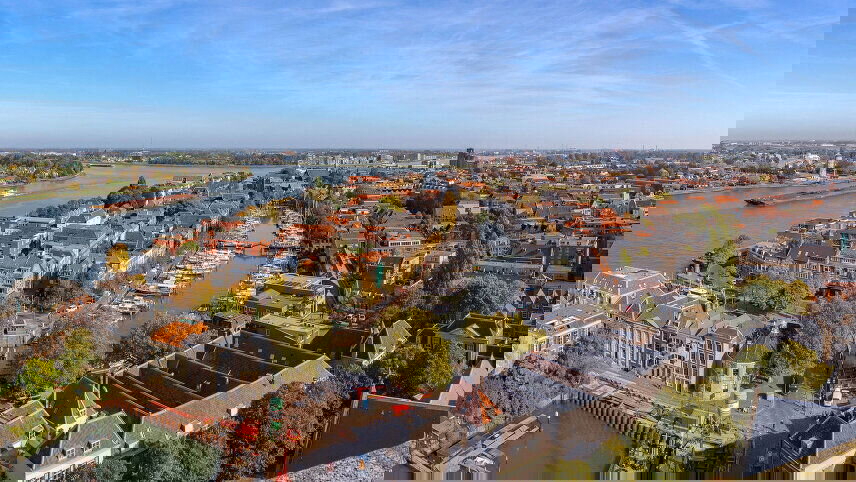
Dordrecht is the oldest city in Holland. Throughout the city, there are hundreds of historic monuments and landmarks, including the Grote Kerk and the 13th-century Augustinian monastery known as Het Hof. The picturesque waterways and decorative bridges of Dordrecht exude a bygone era and are best explored on foot. The inner-city harbors are centuries old and lined with grand warehouses that have now been transformed into elegant homes. With a relaxed atmosphere and a plethora of quaint cafés and shops, Dordrecht oozes old-world charm.
Rotterdam stretches across a maze of natural and artificial waterways. With its location at the mouth of the New Meuse River and easy link to the Rhine and Central Europe, it is Europe's largest port, earning it the nickname “Gateway to Europe.” Much of it was destroyed during World War II, yet it stands today as one of the continent's great cities of art, architecture and innovation, boasting a lively culture and many museums. With a pleasant river orientation, Rotterdam's spacious new inner city is a pleasure to explore; its shop-lined Lijnbaan district was Europe's first pedestrian shopping precinct.
Kinderdijk is a village community in the Alblasserwaard province. This corner of South Holland, part of the scenic Waal and Merwede regions, has long been shaped by Rhine Delta waters. Kinderdijk is most known for its 19 remarkably preserved 18th-century windmills. The charming hamlet is located amid low-lying polders, tracts of land reclaimed from the sea by the power of the windmills and enclosed by embankments, or dikes. This legendary place calls to mind the 1865 novel Hans Brinker, in which a heroic boy plugs his finger into a ruptured dike.
Founded in 1300, Hoorn was named for its horn-shaped harbor along the Ijsselmeer, the artificial lake created by the construction of massive dams. Long before the dams, sailors had easy access to the North Sea from here, and this bolstered the success of the Dutch East India Company. A major trader with Asia and the most powerful company in the world, it made Hoorn one of its six home bases. The Dutch navigator Willem Corneliszoon Schouten was born in Hoorn; he is best known as the man who rounded the southern tip of South America in 1616 and named it “Cape Horn” for his birthplace. Brimming with history, the city's cobblestone streets and age-old cheese warehouses are a delight to explore.
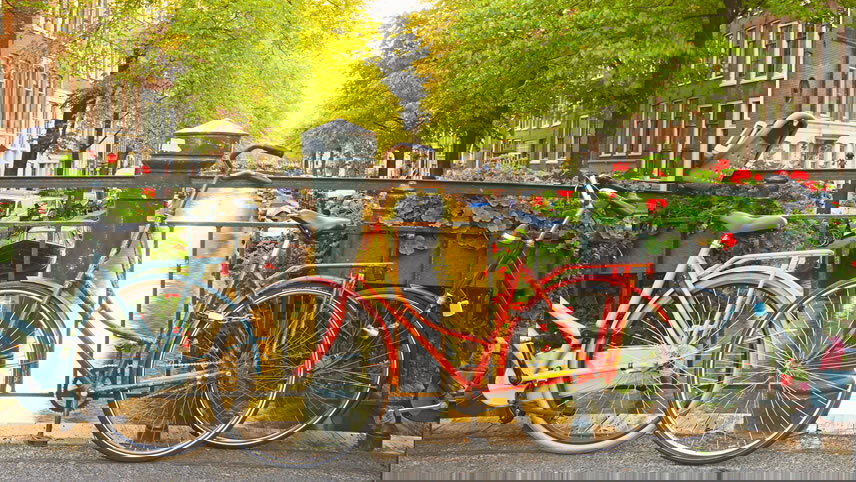
A city of charming canals, elegant gabled houses, splendid museums and abundant bicycles, the Dutch capital of Amsterdam is a delight to explore. Its patchwork of waterways forms about 90 islands connected by 1,500 bridges. The legacy of the Dutch Golden Age lives on in gilded manses and in the lush paintings of Rembrandt and other Dutch masters that adorn the Rijksmuseum, The Netherlands' grand repository of art and cultural history. Discovering Amsterdam is a pleasure best pursued on foot; visitors line the tranquil canals and linger over Dutch pancakes, or take a stroopwafel to go.
Bid farewell to your fellow guests and journey home. Or spend more time exploring, perhaps joining one of our extensions.
Life On Board
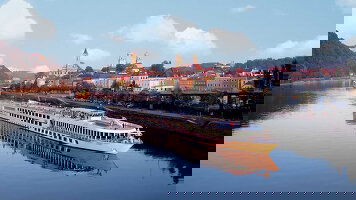
Viking's award-winning Longships® showcase innovative engineering, streamlined Scandinavian design and understated elegance. Read more
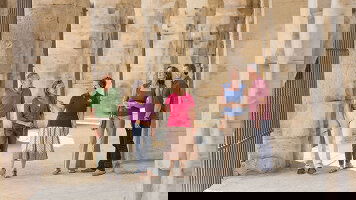
Every aspect of your Viking cruise is designed for the curious traveler seeking rich cultural immersion. Read more
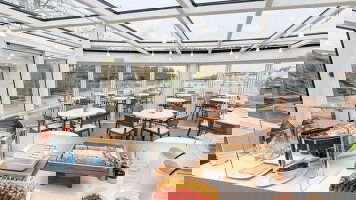
Elegant, light-filled ships thoughtfully designed to connect you to your destination. Read more
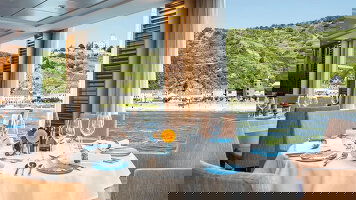
From relaxed, multi-course fine-dining to casual meals on the Aquavit Terrace. Read more
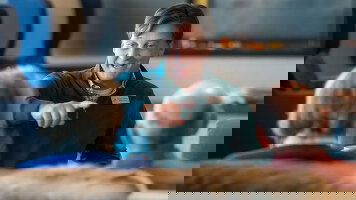
Viking proudly includes all that you need and nothing you do not and your river cruise fare. Read more
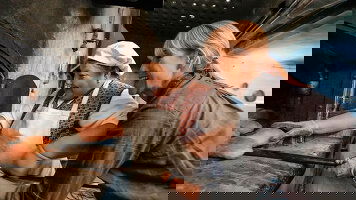
Viking offer behind-the-scenes insights and opportunities that set them apart from other travel companies. Read more
Download Brochure

Viking River Voyages (2026-28)
Dates & Pricing
Viking Explorer Society
GJ Loyalty Discount
Cabin Layout Options:
Select Cabin Preference:
Tour & cruises prices are per person. Prices shown have savings applied, are subject to availability and may be withdrawn at any time without notice. Pricing and trip details are correct at this point in time, however are subject to confirmation at the time of booking and are subject to change by Viking. For cruise itineraries, cabin images are sourced from the cruise-line and should be treated as indicative only. Cabin inclusions, upholsteries and room layout may differ to the image(s) shown depending on the ship selected and your sailing dates.
Similar River Cruises