


Itinerary
Bucharest is Romania's cultural capital. Its original fortress, the first of many, was built to protect the Walachian state from the Turks. Today, it is a city of elegant French-style boulevards, lush gardens and green expanses, including the tranquil Bucharest Botanical Garden. The historic Lipscani district exudes the old-world charms of cobblestone alleys, inns and shops. The sprawling Palace of Parliament is the world's largest civilian building, said to contain 1,100 rooms.
Communism changed the face of Bucharest and has left in its wake a city brimming with imposing socialist architecture. Dotted among today's cityscape are wonderful art nouveau buildings, ancient churches and monasteries that were rescued from the bulldozer. From the 18th-century church Schitul Maicilor to the 16th-century Mihai Vodă Church, it is best to discover these treasures on foot. Bucharest is also home to an array of world-class museums, including the George Enescu National Museum, which features a beautiful oyster-shaped glass awning.
The most integral Danube city in Bulgaria, Ruse enjoys a setting amid a rolling countryside blanketed in sunflower and wheat fields. Once an outpost of the Roman Empire, it was known as Sexaginta Prista, or Sixty Ships, for the fleet that once docked here. Today, it is more known for its colorful atmosphere and as a gateway to Romania's fabled Transylvania region. Best explored on foot, the city features many fine examples of 19th- and 20th-century neobaroque and neorococo architecture.
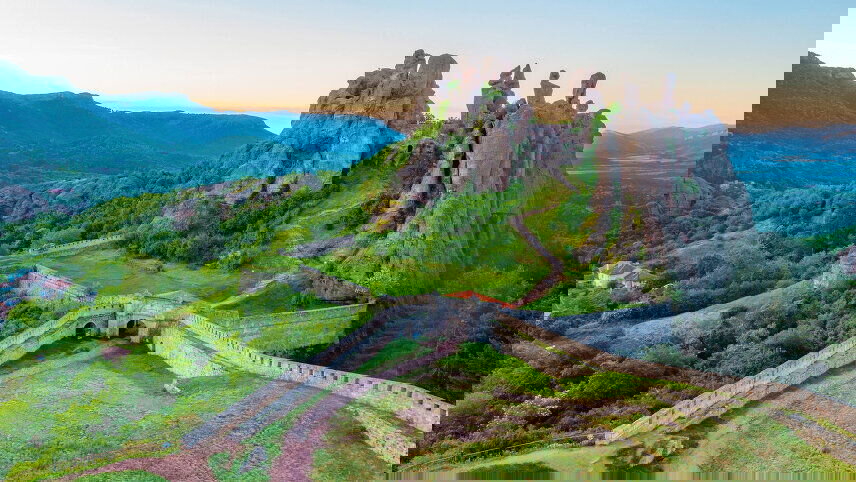
One of Bulgaria's oldest riverside towns, Vidin is home to the only entirely preserved medieval Bulgarian castle. Perched impressively on the riverbank, its striking pose, thick ring walls, stout towers and solid gates form a fortress known as Babini Vidini Kuli, which means Granny Vida's Towers. Around the castle rose a fairy-tale town of 25 minarets, domes and other charming architecture of the period. Though many of these features have been shadowed by today's city, Vidin retains its charms. Today it is largely an agricultural and trade center renowned for its wines.
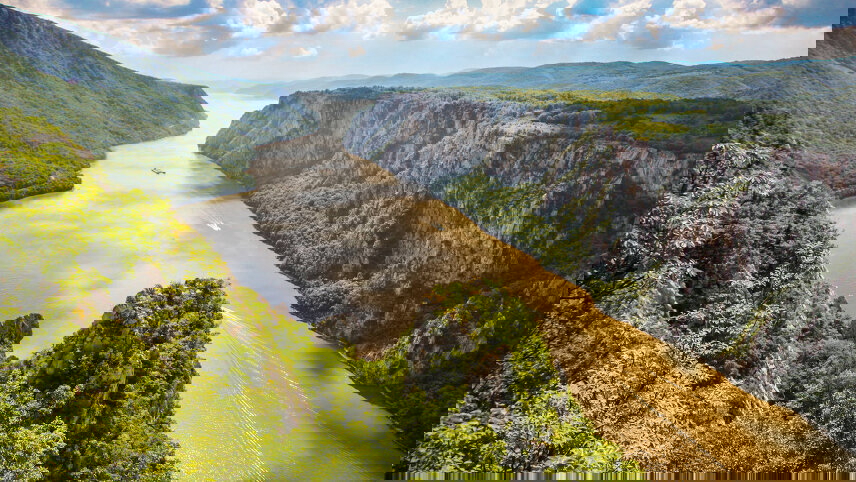
Sail through one of Europe's most dramatic natural wonders, the picturesque stretch famously known as the Iron Gate. Meander through narrow gorges that slice through the Carpathian Mountains to the north and the Balkan Mountains to the south, and marvel at the towering white limestone cliffs draped with forest. Be on the lookout for ancient remains upon the dramatic walls. On the Serbian side, Trajan's Tablet was laid to mark the construction of a Roman military road; on the Romanian side, marvel at the enormous rock sculpture of Dacian king Decebalus.
Millennia of history await at “the Town of Doves,” the gateway to the Djerdap National Park. The Iron Gate of the Danube lies between the mighty Carpathian and Balkan Mountains, its dramatic scenery carved by narrow ravines. Guarding the Danube is the imposing 14th-century Golubac Fortress, which has seen ruling empires vie for its control over the centuries, changing hands between the Serbs, Hungarians, Bulgarians and Turks. Serbian culture is swathed in tradition, and it is an integral part of the country's identity that has carried its people through challenging times in history. Ancient civilizations to modern empires have left their mark, creating a unique, fascinating heritage that spans thousands of years.
The Serbian capital and former capital of the state of Yugoslavia, Belgrade is one of the oldest cities in Europe. Its location at the confluence of the Sava and Danube Rivers has long made it a contested region. Throughout its history, the “White City,” as its Serbian name translates, has been destroyed and rebuilt 20 times. Fortunately, the wide-reaching citadel remains, housing the Kalemegdan Fortress, Orthodox churches, Turkish baths and green parkland. Its Church of St. Sava is one of the largest Orthodox buildings in the world.
The fourth-largest city in Croatia, Osijek is located near the confluence of the Drava and Danube Rivers. It is the largest city and the economic and cultural capital of the eastern Croatian region of Slavonia. In its early days, Osijek was a Roman settlement called Mursa Maior (“major”). It was later rebuilt by the Ottomans and ruled by the Hapsburg Empire. Today, with an abundance of farmland and game, as well as plentiful baroque architecture and musical and outdoor venues, Osijek has become a gastronomic and cultural center of Croatia. Its cathedral can host 3,000 people.
Once the seat of the archbishop, the cultural center of Kalocsa is more than 1,000 years old. The quaint town, surrounded by 8,000 acres of farmland growing fiery red peppers, is brimming with traditional Hungarian culture and steeped in the piquant flavors of paprika, the “red gold” that has been giving local goulash its distinctive taste for centuries. The world's first Paprika Museum chronicles the spice's history. The streets are adorned with bright murals of floral motifs, which create a cheery ambience for browsing craft-filled shops. Hungary's artistic heritage takes center stage at the House of Folk Arts museum.
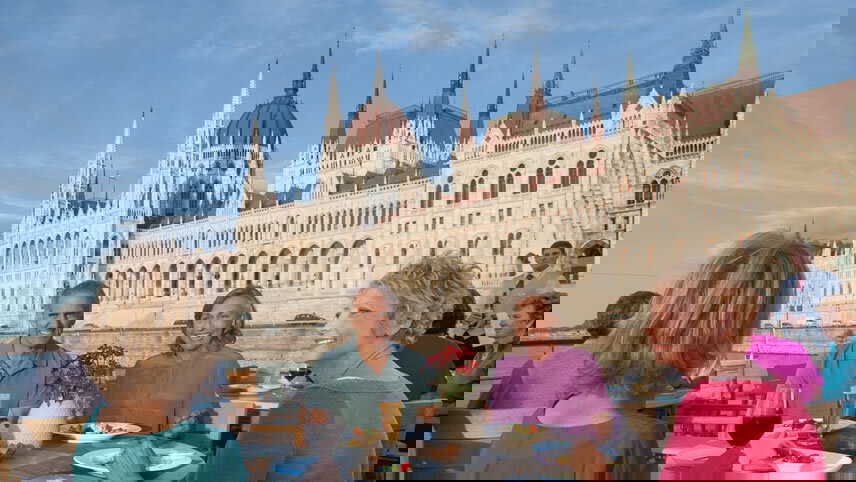
Riverside beauty and a vibrant cultural scene blend together in Budapest to form one of Europe's most rewarding cities. Hungary's enchanting capital straddles the banks of the Danube, with traditional hillside Buda on one side and modern Pest on the other. By day, stunning art nouveau buildings, stalwart castles and grand palaces set the stage for inspiring strolls and long soaks in thermal spas. By night, the shimmering lights of the Parliament building dance across the waters of the Danube, the Chain Bridge uniting it all as a dramatic centerpiece.
Budapest's old town is a fascinating medieval patchwork of narrow streets and colorful houses. In the Castle District, the Matthias Church soars in Gothic glory. Adjacent, the expansive wall and seven turrets of Fisherman's Bastion overlook the Danube, the graceful Chain Bridge and the Pest side of the river. The centerpiece of the district is the sprawling Buda Castle. Constructed in the 13th century and expanded to its current baroque splendor during the 18th century, this edifice was home to Hungary's kings for almost 700 years.
Bid farewell to your fellow guests and journey home. Or spend more time exploring, perhaps joining one of our extensions.
Life On Board
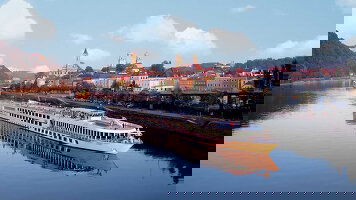
Viking's award-winning Longships® showcase innovative engineering, streamlined Scandinavian design and understated elegance. Read more
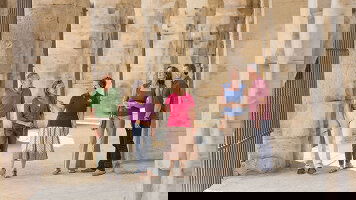
Every aspect of your Viking cruise is designed for the curious traveler seeking rich cultural immersion. Read more
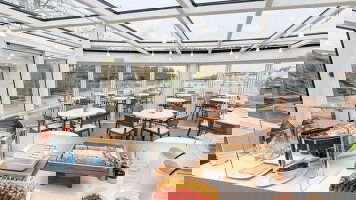
Elegant, light-filled ships thoughtfully designed to connect you to your destination. Read more
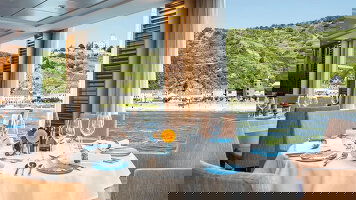
From relaxed, multi-course fine-dining to casual meals on the Aquavit Terrace. Read more

Viking proudly includes all that you need and nothing you do not and your river cruise fare. Read more
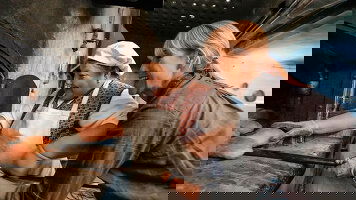
Viking offer behind-the-scenes insights and opportunities that set them apart from other travel companies. Read more
River Cruise Reviews (4)
Download Brochure

Viking River Voyages (2026-28)
Dates & Pricing
Viking Explorer Society
GJ Loyalty Discount
Cabin Layout Options:
Select Cabin Preference:
Tour & cruises prices are per person. Prices shown have savings applied, are subject to availability and may be withdrawn at any time without notice. Pricing and trip details are correct at this point in time, however are subject to confirmation at the time of booking and are subject to change by Viking. For cruise itineraries, cabin images are sourced from the cruise-line and should be treated as indicative only. Cabin inclusions, upholsteries and room layout may differ to the image(s) shown depending on the ship selected and your sailing dates.
Similar River Cruises