The Mediterranean & South Atlantic
Overview


Itinerary
Embark your ship and settle into your stateroom. For centuries, Rome ruled much of Europe, building a vast empire from the power of emperors. More than 2,500 years of history live in the city's streets. Ancient structures recall those heady days when the cheers of 80,000 spectators roared from the Colosseum, citizens mingled in the Forum and senators asked the gods for guidance at the Pantheon. Along with the Vatican and St. Peter's Basilica, this rich pocket of Italy is one of the world's greatest repositories of history and civilization.
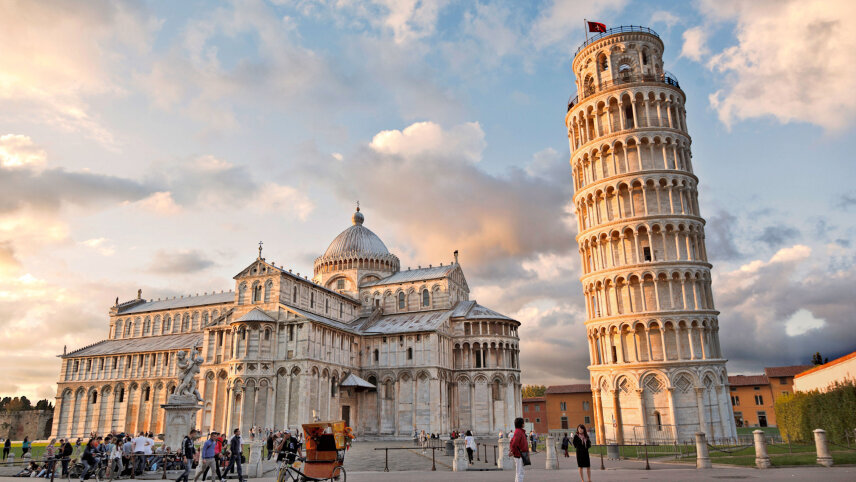
Tuscany is known equally as the cradle of the Renaissance and a center of culinary delights and astounding wines. Throughout this emerald-green countryside dotted with cypress trees, endless delights unfold. Among them is Florence, a living museum of the Renaissance. Brunelleschi's famous Duomo dominates the medieval cityscape—an architectural achievement. Another Tuscan treasure, the Square of Miracles, unfolds in Pisa. Here, a trinity of masterpieces—the Leaning Tower, Pisa Cathedral and Baptistery—comprise some of Europe's finest art and architecture.
Tuscany is known for its scenic beauty and exudes a unique, rustic character. Vineyards, olive tree groves, wheat fields and endless expanses of farmland skirt the bases of medieval hill towns as they march across an undulating landscape of gentle hills. Fertile soils produce some of the world's finest wines, including Chianti and Vino Nobile di Montepulciano. More than this, many consider Tuscany the birthplace of the original farm-to-table movement. Simple, honest food graces the Tuscan table, from creamy cheeses to thick Florentine steak grilled over a wood fire.
The chic city of Monte Carlo in the petite kingdom of Monaco boasts some of the world's most exclusive shopping and a beautiful old port. A fairy-tale aura has settled on this glittering city of the Grimaldi family, perhaps nowhere more elegantly than at the Prince's Palace, where the late American actress-turned-princess Grace Kelly presided with Prince Rainier III. Monte Carlo's medieval quarter perches on “The Rock,” an escarpment at the foot of the Maritime Alps, and offers spectacular views of the Mediterranean and the harbor lined with mega-yachts.
Marseille is rich in historic treasures, nestled between the Mediterranean and rocky hills of limestone. Two 17th-century fortresses dominate the charming Vieux Port, or Old Port, the natural harbor that hosts all manner of watercraft, from sleek elegant yachts to old style fishing vessels. Its picturesque quay is one of the world's most romantic walks, lined with dozens of cafés and shops. Also worth exploring is the city center, graced by La Canebière boulevard. Linger in a café and sample the city's signature bouillabaisse made from freshly caught fish.
In a picturesque setting on France's southern coast, Sète is renowned for its vibrant atmosphere and cultural charm. Known as the “Venice of Languedoc,” its network of canals offers an alluring ambience, with boats bobbing in the water and colorful buildings lining the banks. Due to its booming fishing industry, Sète features an array of delicious seafood, centered around the town's bustling fish market, Les Halles de Sète. The best way to explore is on foot or by bicycle, where you can while away the time along the canals that link the Mediterranean to the Thau Lagoon.
The vibrant city of Barcelona, with its lively culture and inviting outdoor spaces, preserves a rich history. Picturesque medieval lanes wind through the oldest part of the city, the Gothic Quarter, where remnants of the city's Roman wall were uncovered. Its treasures include the neo-Gothic Barcelona Cathedral, the medieval Jewish district of El Call and the Romanesque Church of Santa Maria del Pi. In the evenings, diners relax in the Royal Plaza at restaurants along the elegant square's perimeter.
Barcelona is steeped in history, with stunning architecture and a rich culture. Mediterranean breezes grace the shore and Catalonia's capital is a feast for the senses. Long strolls on wide boulevards—such as Las Ramblas, the mile-long leafy pedestrian way, and the Passeig de Gràcia, lined with some of Europe's most elegant buildings—set the tone for a city that moves to its own tempo. Native son and famed architect Antoni Gaudí adorned his city with whimsy, whether along fantastical city blocks or with his colossal masterpiece, the towering La Sagrada Família cathedral.
Barcelona enjoys a leisurely pace that is best expressed at its local tapas bars, where patrons nibble on small yet flavorful dishes one plate at a time with a glass of Rioja. Traditional tapas bars display warm and cold items in a glass case, many of them intensely flavored with garlic or chilies. Each dish is served with a toothpick, which diners save to tally how many items they have consumed. Well-known classics, such as tortillas, can be found in most eateries alongside escalivadas, a typical Catalonian tapa of grilled eggplants, peppers and onions topped with tuna or anchovies.
Sail the ocean stage on which civilizations have risen and fallen, where empires ventured forth in their great armadas to control these strategic waters.
Granada is a splendid canvas of Moorish architecture, rich Andalusian tradition and remarkable history. It was the last stronghold of the Moorish Nasrid dynasty, whose 250-year reign ended during the 1492 reconquest of Spain by Catholic monarchs. The grand Granada Cathedral is a soaring celebration of that victory; its Royal Chapel holds the tombs of Queen Isabel and King Ferdinand, the celebrated pair who oversaw the triumph. Their magnificent fortress-palace, the Alhambra, was long the stronghold of Moors, and so offers a magnificent blend of Islamic and Christian detail.
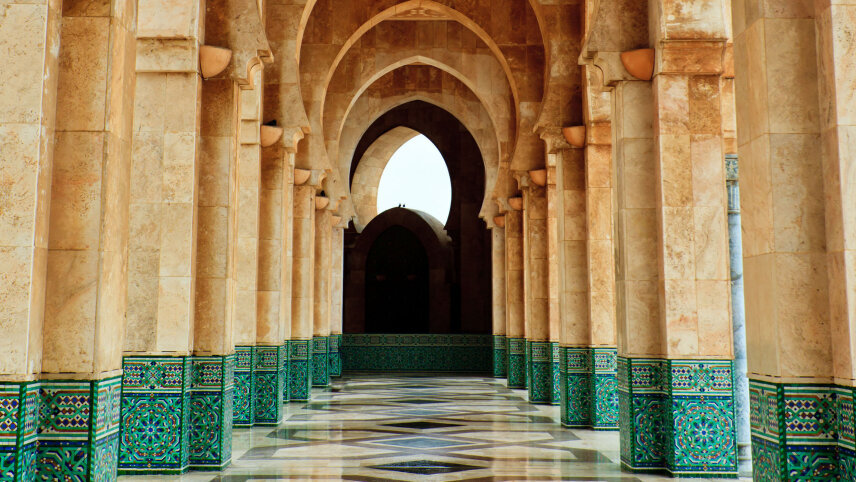
Casablanca lures visitors with its heady mix of neo-Moorish splendor and French influence. Known as “Casa” to locals, its streets exude an atmosphere of bygone days. Made famous by the 1942 eponymous film, today it is one of Africa's most important ports. Parisian-style boulevards unfold past cafés and colonial buildings. The city's medina is a maze of warrens pulsing with old-world energy, the hollers of carpet merchants and the fragrance of incense. The most impressive structure is the Hassan II Mosque, the country's largest and most magnificent.
Sail the Atlantic Ocean, divided in half, north to south, by the Mid-Atlantic Ridge. Longer than the Rockies, the Himalayas and the Andes combined, this underwater mountain range is the longest on Earth.
Sail legendary waters, where medieval Europeans believed “there be dragons” beyond the ocean's horizon.
The nutrient-rich waters of the Atlantic Ocean are home to more than half of the world's fisheries, annually providing millions of tons of fish and other marine species for human consumption and industrial purposes.
The Cape Verde archipelago is group of ten volcanic islands that enjoy a year-round warm climate, turquoise seas and beautiful landscapes. The isles were first inhabited after their discovery by Portuguese sailors during the 15th century. Mindelo is the capital of São Vicente and birthplace of Cesaria Evora—a singer who rose from poverty to worldwide fame on the international stage. She performed her distinctive mornaballads to audiences while barefoot, which soon became her trademark style; her music is widely celebrated and is a part of Cape Verde's heritage.
The Atlantic Ocean derives its name from Greek and means “Sea of Atlas,” a reference to the mythological Atlas, a Titan who supported the heavens on his shoulders as a punishment for fighting the gods.
The vast waters of the Atlantic Ocean have played a crucial role in exploration, trade and cultural exchange for centuries. Christopher Columbus departed Spain for Asia in 1492, landing on Caribbean shores as one of the first European settlers.
Recife was colonized as part of Dutch Brazil during the mid-1600s. With its many small islands linked by some 50 bridges, Recife has been called the “Brazilian Venice.” A vast mangrove park in the middle of the city adds to the scenic allure. On the city's namesake island, echoes of the Portuguese and Dutch colonial settlements line the elegant streets of Recife Antigo, the Old Town. The Kahal Zur Israel Synagogue here was the first synagogue in the Americas. Today, Recife's vibrant traditions are on display at the Tunisian-style Malakoff Tower.
The nutrient-rich waters of the Atlantic Ocean are home to more than half of the world’s fisheries, annually providing millions of tons of fish and other marine species for human consumption and industrial purposes. Meet fellow guests and listen to the soothing sounds of classical music in the Living Room, an ideal setting for relaxation. Enjoy a cup of coffee or sip on a refreshing cocktail.
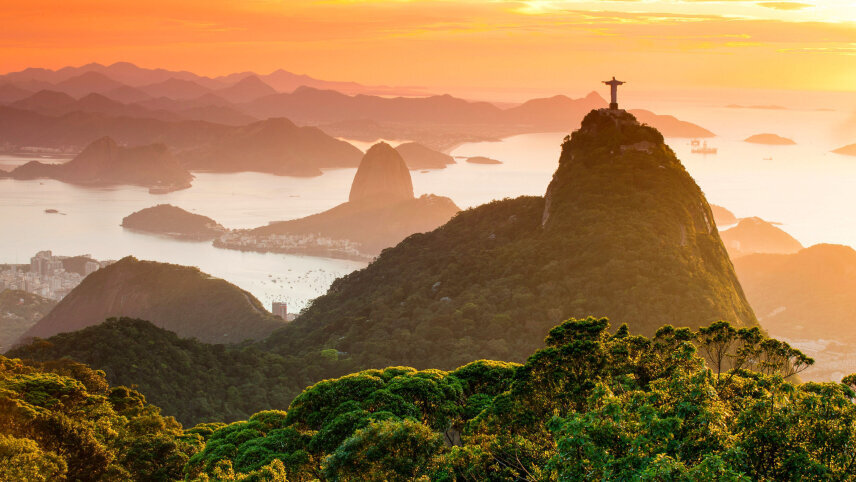
Rio de Janeiro is the peak of Brazilian culture. The local Cariocas call their city Cidade Maravilhosa (“Marvelous City”), and it is easy to understand why: The rhythm of the samba, born in these lively streets, fills the air and stately colonial architecture rubs shoulders with gleaming skyscrapers. Legendary beaches, Copacabana and Ipanema among them, stretch for miles along Guanabara Bay, luring sun worshippers, swimmers, joggers and volleyball enthusiasts. The Christ the Redeemer statue seems to offer a gentle embrace to it all from high atop Corcovado mountain.
The Atlantic Ocean derives its name from Greek and means “Sea of Atlas,” a reference to the mythological Atlas, a Titan who supported the heavens on his shoulders as a punishment for fighting the gods. As you sail today, attend an informative lecture or watch a film in our state-of-the-art theater. A range of insightful TED Talks and destination-inspired seminars are offered daily.
Montevideo enjoys a scenic setting on the Plata River. The Portuguese were the first to settle here, seeking a strategic advantage near open ocean. But Spain, already having established Buenos Aires nearby, expelled them in 1724. This was the beginning of the golden era of Montevideo's Ciudad Vieja, or Old City: Within its walls, some of the most impressive colonial-era buildings were built, from the parliamentary Legislative Council building to the stunning Montevideo Metropolitan Cathedral. The wall has long since disappeared, but the character of old Montevideo remains.
Buenos Aires, Argentina's cosmopolitan capital, is an eclectic combination of Latin and European influences. The tree-lined streets and postcolonial architecture draw on the city's Spanish, French and Italian heritage, while the many cafés and bodegas and vibrant nightlife are decidedly Argentine. Its barrios, or neighborhoods, exude an intimate atmosphere that belies the city's size. Full of bohemian flair, historic San Telmo's cobblestone streets and Belle Époque–style buildings reverberate with the mesmerizing melodies of the tango.
Bid farewell to your fellow guests and journey home. Or spend more time exploring, perhaps joining one of our extensions.
Life On Board
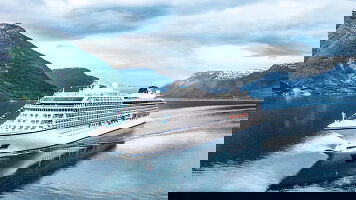
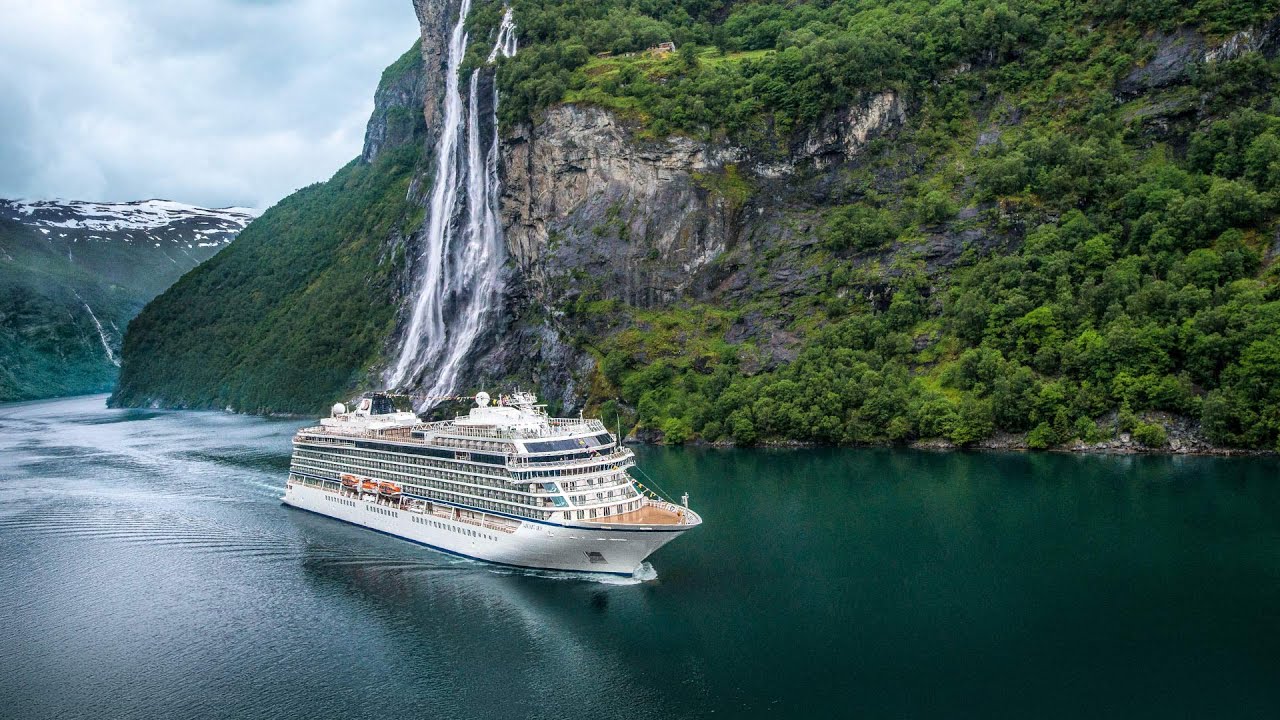
Launched in 2019, the Viking Jupiter is Vikings' newest all-veranda ship, part of a fleet of award winning, state of the art ships incorporating all the comforts & luxuries you would expect from Viking. Read more
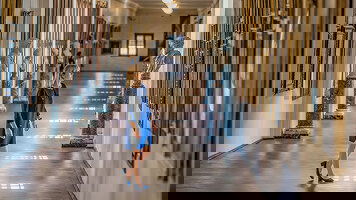
Viking are destination experts. With no casinos or children on board, you can be assured that the focus is firmly on enrichment and education. Read more
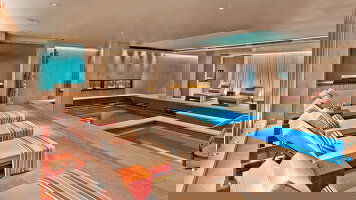
After a day of exploration or just to enhance the relaxation of a day at sea, the on-board Spa will leave you feeling recharged and revitalized. Read more
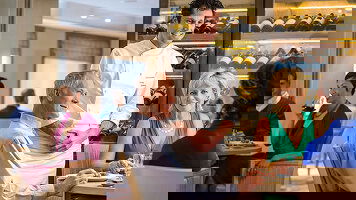
Viking offer eight on board dining options. Beer, wine and soft drinks are available with lunch and dinner at no additional charge of fee. Read more
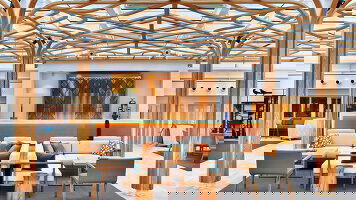
Viking proudly includes all that you need and nothing you do not. A variety of features and services valued at $200 per person per day are standard inclusions in your cruise. Read more
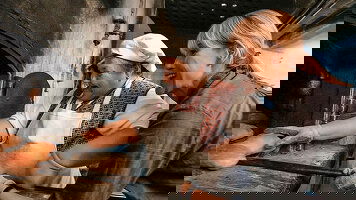
Viking include one complimentary shore excursion in every port of call. Enjoy exclusive entry to cultural treasures and seldom-seen collections around the world. Read more
Download Brochure

Viking Ocean Voyages (2026-28)
Dates & Pricing
Viking Explorer Society
GJ Loyalty Discount
Cabin Layout Options:
Select Cabin Preference:
Tour & cruises prices are per person. Prices shown have savings applied, are subject to availability and may be withdrawn at any time without notice. Pricing and trip details are correct at this point in time, however are subject to confirmation at the time of booking and are subject to change by Viking. For cruise itineraries, cabin images are sourced from the cruise-line and should be treated as indicative only. Cabin inclusions, upholsteries and room layout may differ to the image(s) shown depending on the ship selected and your sailing dates.