From the Caribbean to the Amazon
Overview


Itinerary
San Juan is a city of white-sand beaches, lush rainforests and inspiring Spanish colonial architecture. Compact and elegantly planned, Old San Juan spans the centuries. El Morro fortress has been standing watch over San Juan Bay since the 16th century and its formidable cannons peer out to sea. The streets of the centuries-old UNESCO World Heritage Site are paved with steel-blue adoquín stone, used to ballast the Spanish galleons that brought settlers here. These colorful, narrow byways lead to picturesque multihued facades and townhouses with neoclassical balconies.
Throughout San Juan, there is evidence of the city's Spanish influence. Centuries-old, two-story houses line the streets of the Old Town, many of them brightly hued with pastel facades. Some of the city's most historic structures have been transformed into cultural venues. In the stately Ballajá Barracks, built to house troops in the mid-1800s, the Museum of the Americas chronicles the region's heritage. The metallic-blue 16th-century La Fortaleza, once a defensive citadel, is the oldest continually used executive mansion in the Americas, today home to the city's governor.
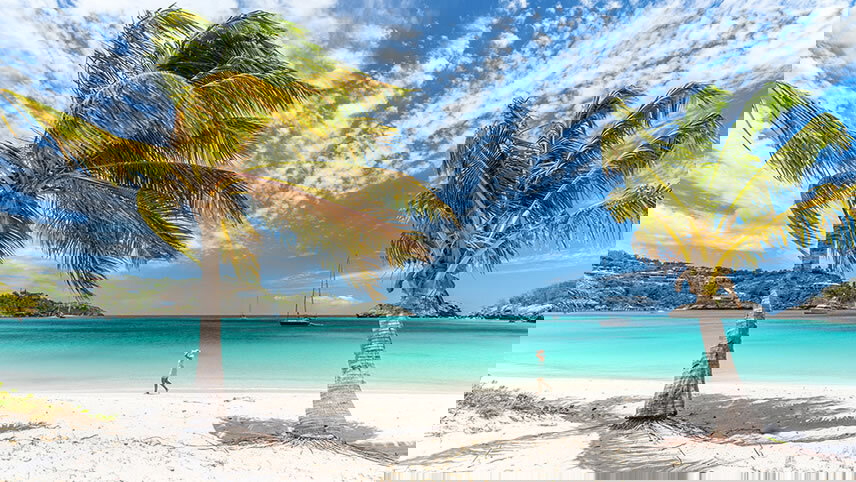
Sail through turquoise waters where legends of marauding pirates, swashbucklers and tales of hidden treasures were born.
Barbados is rich in British history and spectacular sandy beaches. Home to the Commonwealth's third-oldest parliament, Barbados is often called “Little England” for its lasting British influence. Bajans, as islanders are known, exude a hearty love of their small island country and delight in sharing its culture. Cricket matches and afternoon tea are as common here as surfing and sunning on the beach with family and friends. And a bottle of the island's native Mount Gay Rum, accompanied by a conkie, a pumpkin-coconut cake steamed in banana leaves, are never far out of reach.
Sail the Atlantic Ocean, divided in half, north to south, by the Mid-Atlantic Ridge. Longer than the Rockies, the Himalayas and the Andes combined, this underwater mountain range is the longest on Earth.
The three Îles du Salut, or Islands of Salvation, were a much-feared penal colony for the most notorious French criminals. Together, they provide a glimpse of a fascinating slice of French history. Devil's Island is small enough to be explored independently. The prison system was opened in 1852 and became notorious for its harsh treatment of inmates. Captain Alfred Dreyfus was sent here in 1895, accused of treason and later exonerated, and Henri Charrière was among the few to escape. Charrière told his story in a memoir, Papillon , which was later adapted into a film.
Sail legendary waters, where medieval Europeans believed “there be dragons” beyond the ocean's horizon.
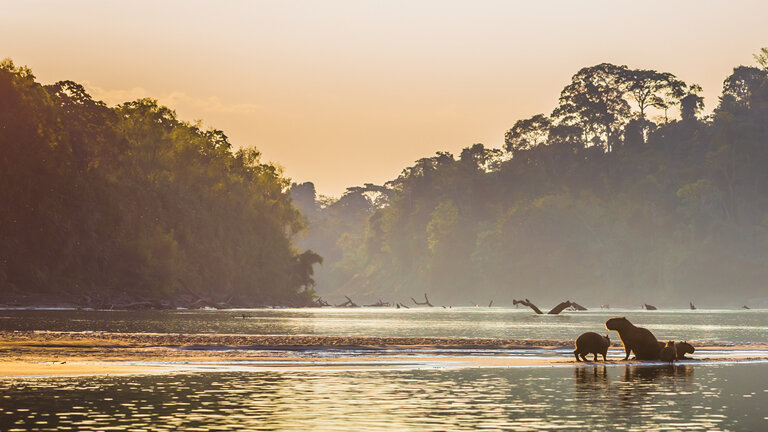
The largest river in the world by volume, the Amazon feeds the world's largest and densest rainforest, known as “the lungs of the world” for the oxygen it produces. Near the mouth, the Amazon has been called the “river sea” for its vast width, the accumulated waters of more than 1,000 tributaries. In this breathtaking river, one of nature's most fascinating natural phenomena unfolds: the Meeting of the Waters, where the dark waters of the Black River run side by side along the brown waters of the Amazon.
Santarém lies at the confluence of the Tapajós and Amazon Rivers. The Tapajós River's crystalline waters host inviting beaches that have earned it the nickname “the Caribbean in Brazil.” Bathers on these freshwater sands are likely to see families plying the waters in small boats, as most nearby villages can be reached only by river. Santarém's religious center is the stunning Cathedral of Our Lady of Conception, a colonial gem topped with two graceful towers. Its vibrant market overflows with produce from the surrounding countryside, handicrafts and local wares.
Parintins sits on Tupinambarana, a group of four adjacent islands surrounded by a convergence of four rivers. Their endless surging current divided the once singular island into four. The sleepy town centers around its Square of the Sacred Heart of Jesus, home to the eponymous church and a thriving market. But it is perhaps best known for its folk theatrical tradition known as Boi Bumbá. This extravagant performance, part of an annual folklore festival held each June, is Brazil's largest celebration after Carnival in Rio de Janeiro.
Manaus is the most populous city in the Amazon basin. Its prosperity from the rubber trade earned it a reputation as the “Paris of the Amazon,” with elegant buildings, gracious avenues and colorful facades still visible in the Old Town. The Amazon Theater, constructed when demand for rubber was at its height, boasts a striking tiled dome and rich European influences. The Rio Negro Palace, once home to an eccentric rubber baron, is a vibrant cultural center. By boat, the Meeting of the Waters can be seen, where the Black River and the sand-colored Amazon run side by side.
European-flavored Manaus is one of Brazil's largest cities. Its remote situation in the Amazon rainforest is so isolated, the unique culture of native Brazilian tribes has been largely preserved. Nowhere is this more visible than in the historic markets. Behind the pink and yellow facade of the Mercado Municipal, inspired by the famed Les Halles in Paris, a wide array of colorful tribal handicrafts can be found alongside medicinal plants and locally grown produce. But the market's main attraction is the bustling fish market overflowing with freshly caught Amazon species.
Set sail into the mouth of the mighty Amazon River. The Amazon is largest river in the world by volume and feeds its famed rainforest, know as “the lungs of the world.”
Hugging the mouth of the Amazon, bustling Belém is known for the many mango trees that grace its boulevards and parks. Fascinating vestiges of Portugal line its streets, rich with architecture and intricately painted azulejo tiles inspired by the elegant designs of 17th-century Lisbon. The waterfront Ver-o-Peso market, the largest open market in Latin America, brims with all manner of local goods, from fruits to medicinal plants. Ice cream flavored with cupuaçu fruit juice is the perfect accompaniment to an exploration of Belém.
The nutrient-rich waters of the Atlantic Ocean are home to more than half of the world's fisheries, annually providing millions of tons of fish and other marine species for human consumption and industrial purposes.
Tobago changed hands more than any other Caribbean island, as various nations all took an interest in its potential sugar, cotton and indigo. Today, Tobago is under the watch of neighboring Trinidad and the port of Scarborough is the cultural center of this dual-island nation. Fort King George serves as a reminder of its pre-colonial past. At the botanical garden exotic flowers bloom, while the city's outdoor market offers plentiful local produce, handicrafts and fabrics. Casual island eateries serve traditional fare, such as crab and dumplings, an island favorite.
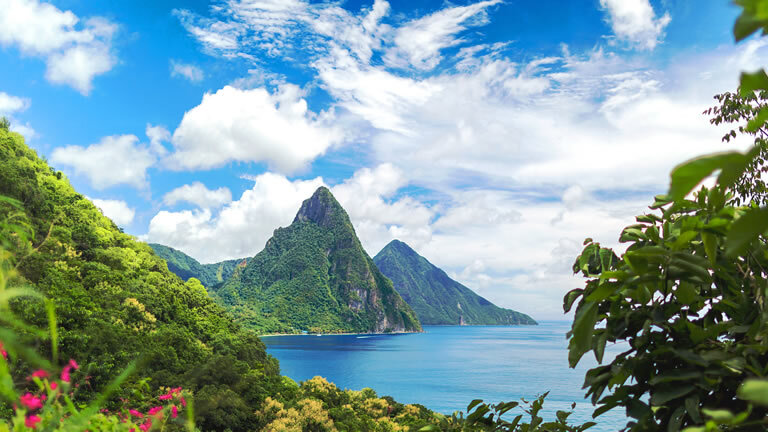
St. Lucia boasts some of the Caribbean's most idyllic beaches, many near its capital of Castries. This paradise is so seductive that the British and French fought over it for 150 years. The British finally triumphed in 1814. Today, St. Lucia is a sovereign nation, but it is still part of the British Commonwealth. The island has a rich artistic heritage: the Cathedral of the Immaculate Conception in Castries is adorned with lush murals painted by a local artist and batik artisans keep a cherished tradition alive in their shops.
Blanketed with tropical forests that lead to sheer cliffs overlooking azure waters, Antigua has a rich past as a naval outpost of the royal Crown. It is the largest of the Leeward Islands and one of the most British in the Caribbean. Today, Antigua and neighboring Barbuda, along with several smaller islands, comprise an independent country. Its capital, St. John's, has been an administrative center since 1632, and the baroque twin bell towers of the cathedral attest to a long British influence. The nation boasts a powder-sand beach for every day of the year.
St. Thomas is a rich blend of colorful architecture, stunning beaches and intriguing history. Impressionist painter Camille Pissarro was born here in 1830 and his childhood stone house is nestled on Charlotte Amalie's Main Street. In Pissarro's day, a significant Jewish community flourished here. The 1833 St. Thomas Synagogue, perched on Synagogue Hill, is the second-oldest on US soil. Nearby, Danish bankers and merchants who helped build St. Thomas kept multihued houses on Government Hill, some of them now gloriously restored.
Bid farewell to your fellow guests and journey home. Or spend more time exploring, perhaps joining one of our extensions.
Life On Board
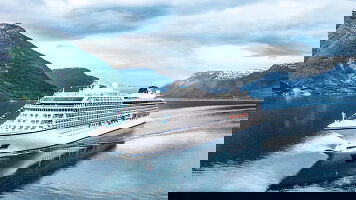
Launched in 2017, the Viking Sky is an all-veranda ship, part of a fleet of award winning, state of the art ships incorporating all the comforts & luxuries you would expect from Viking. Read more
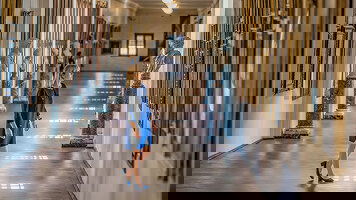
Viking are destination experts. With no casinos or children on board, you can be assured that the focus is firmly on enrichment and education. Read more
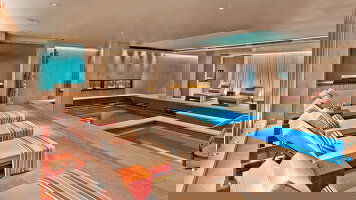
After a day of exploration or just to enhance the relaxation of a day at sea, the on-board Spa will leave you feeling recharged and revitalized. Read more
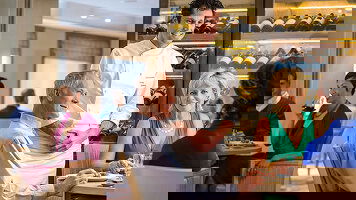
Viking offer eight on board dining options. Beer, wine and soft drinks are available with lunch and dinner at no additional charge of fee. Read more
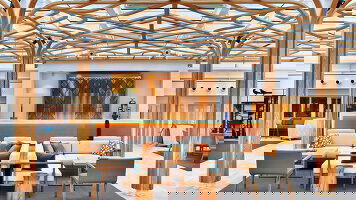
Viking proudly includes all that you need and nothing you do not. A variety of features and services valued at $200 per person per day are standard inclusions in your cruise. Read more
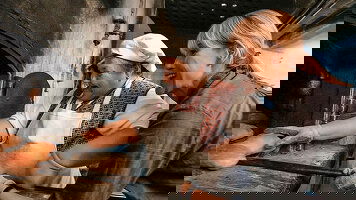
Viking include one complimentary shore excursion in every port of call. Enjoy exclusive entry to cultural treasures and seldom-seen collections around the world. Read more

Download Brochure

Viking Ocean Voyages (2026-28)
Dates & Pricing
Viking Explorer Society
GJ Loyalty Discount
Cabin Layout Options:
Select Cabin Preference:
Tour & cruises prices are per person. Prices shown have savings applied, are subject to availability and may be withdrawn at any time without notice. Pricing and trip details are correct at this point in time, however are subject to confirmation at the time of booking and are subject to change by Viking. For cruise itineraries, cabin images are sourced from the cruise-line and should be treated as indicative only. Cabin inclusions, upholsteries and room layout may differ to the image(s) shown depending on the ship selected and your sailing dates.