Alaskan Fjords & the Inside Passage
Overview


Itinerary
Embark your ship and settle into your stateroom. Vancouver is one of Canada's most diverse cities and the influence of its multi-ethnic society is reflected in the city's multitude of restaurants and public settings, such as the tranquil Dr. Sun Yat-Sen Classical Chinese Garden at the heart of Chinatown. The city's cultural treasures reflect its indigenous community and embody the influence of European and Asian settlers. Its vibrant institutions run the gamut, from bustling markets to museums that chronicle the region's anthropology and rich art heritage.
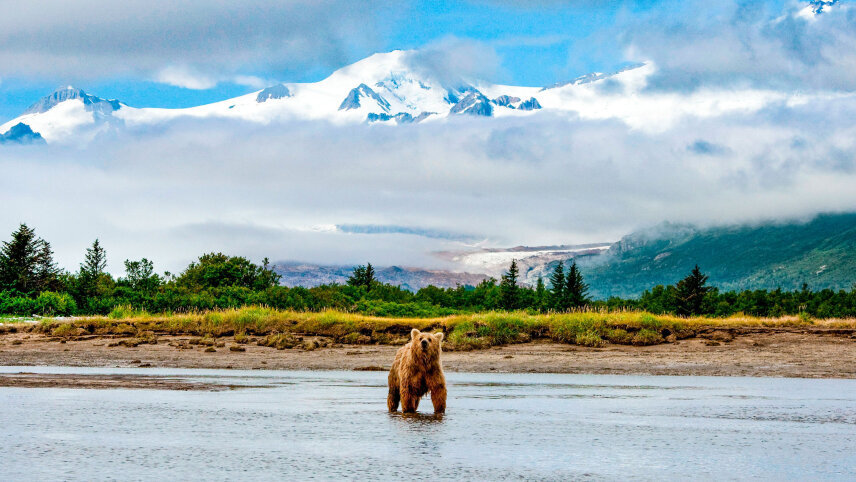
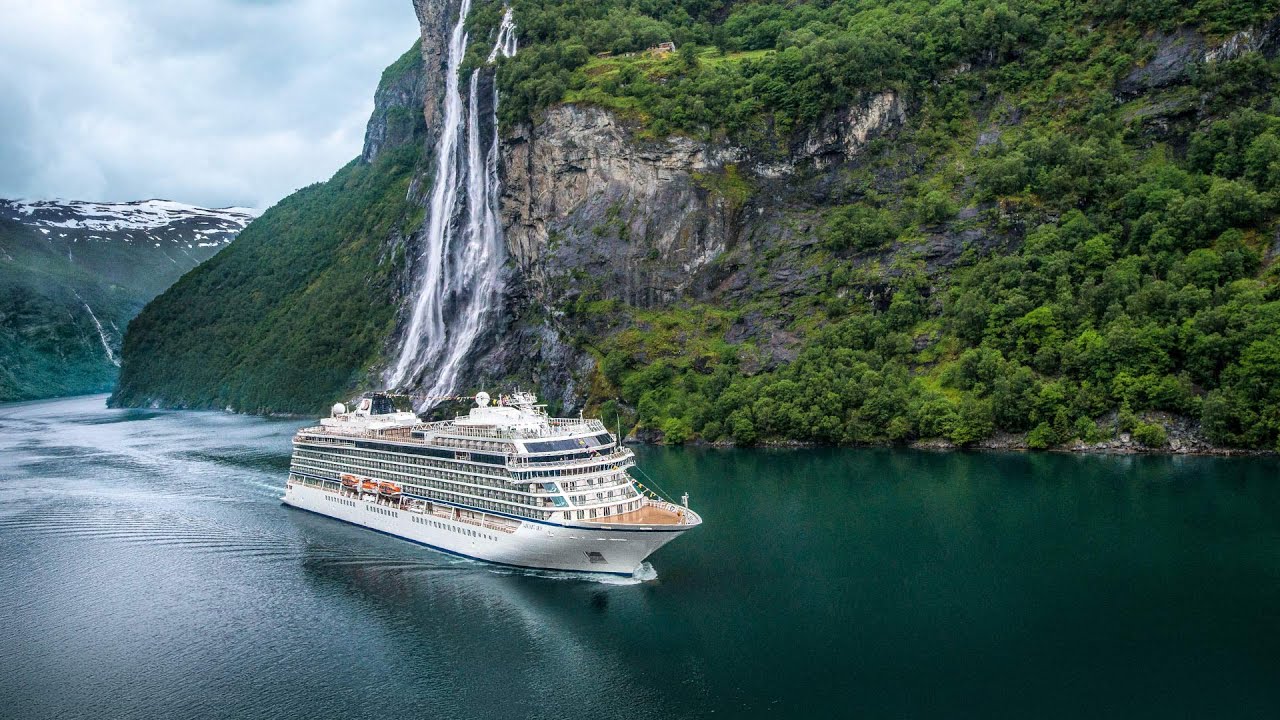
Stretching some 500 miles along the Alaska Panhandle, the Inside Passage is a pristine wilderness of fjord-like channels. It winds its way through a vast maze of islands laden with emerald-green forests and strewn with glistening glaciers. Nature is at her most magnificent here, tranquil and hushed. Unspoiled waterways weave their way past tiny coastal villages and a breathtaking array of snowcapped mountains and pine-covered hills. Sea lions and otters reside in these waters, and moose and brown bears are often spotted as they wade along the coast.
Ketchikan is set among the soaring coastal mountains and sloping woodlands of the Tongass National Forest. The gateway into America's 49th state, it is known to travelers journeying north by ship as Alaska's “First City” and the “Salmon Capital of the World” for its thriving fishing industry. Ketchikan also embraces its rich and enduring Tlingit heritage; it is home to the most standing totem poles anywhere in the world. The artful icons are sprinkled throughout the town as well as its parks and cultural centers.
Set along a sheltered harbor on the central western shore of Prince of Wales Island, Klawock reflects Alaska's deep Indigenous heritage and coastal character. Officially incorporated in 1929, it was once the largest Tlingit village in the region. Today, it is a significant center of Tlingit culture and known for the preserved totem poles of Klawock Totem Park, which commemorate clan histories and ancestral traditions. Once a summer fishing camp, the town also holds an important place in Alaska's maritime past as the site of the state's first salmon cannery.
Wrangell sits in the heart of Alaska's intensely beautiful southeastern region, encompassed almost entirely by the Tongass National Forest, and holds its own with its awe-inspiring natural offerings. The unspoiled, forested landscape boasts splendid vistas and countless opportunities to observe fascinating wildlife. Depending on the season, visitors might see bald eagles; trumpeter swans gliding across Pat's Lake; chum salmon making their way to Institute Creek; or harbor seals and Steller's sea lions sunbathing on the ancient rocks of Petroglyph Beach State Historic Park.
Tracy Arm lies within the protected Tracy Arm–Fords Terror Wilderness, an undeveloped stretch of Alaska's North Pacific coast. Its icy waters are fed by the twin Sawyer Glaciers, which descend from the Juneau Icefield, calving icebergs that drift quietly seaward and reshape the landscape daily. Steep granite walls rise thousands of feet from the water and countless waterfalls trace fractures in the rock to cascade into the depths below. Harbor seals rest on the floes, while birds, including Arctic terns and pigeon guillemots, can occasionally be spotted overhead.
Juneau is the only capital of the continental US that is inaccessible by car. The dramatic fjord-like terrain of steep, rugged mountains and vast glaciers isolates the city, creating a remote setting with limited access from the rest of the mainland. Its seclusion along the scenic Gastineau Channel also makes it one of the most picturesque cities in the world. In ancient times, the Auke and Taku Tlingit tribes fished these waters. Their descendants have kept artistic and cultural traditions alive throughout a long history of European and Russian explorations.
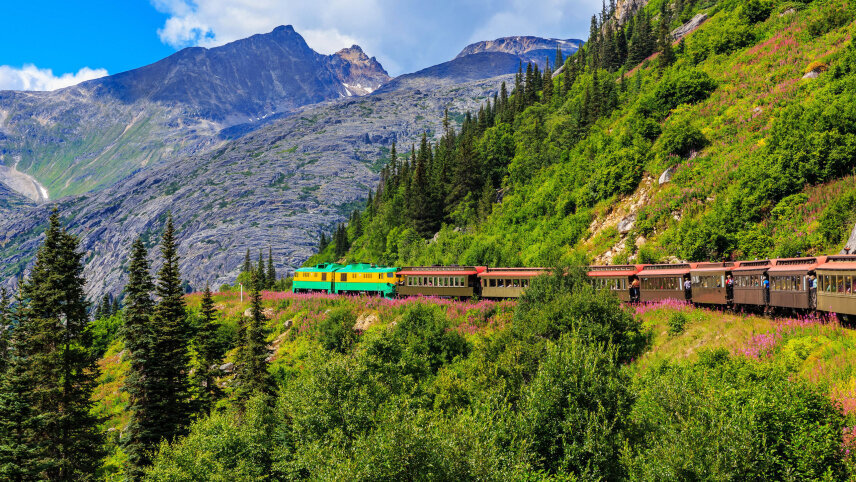
Nestled amid snowcapped mountains, forested hills and an expansive inlet, Haines enjoys one of Alaska's most scenic settings. It was called Desihu (“end of the trail”) by the Tlingit, who used it as a shortcut to inland trading posts. In 1884, it was renamed for Francina Haines, who was instrumental in the construction of the Chilkat Mission and school. During the Klondike Gold Rush of late 1890s, Haines became a supply depot for prospectors bound for the Yukon. Fort William H. Seward was built then; today it is preserved as a National Historic Landmark and artists' colony.
Icy Strait Point is a re-created village outside the small town of Hoonah, a thriving Tlingit community. A former canning and packing station in a coastal woodland setting, Icy Strait Point is steeped in Native American heritage. The charming island hamlet has been beautifully restored by the local Tlingit people to its original character, offering visitors unique insight into traditional life in an Alaskan fishing village. Today, the old canning station is a museum chronicling salmon and subsistence fishing.
Surrounded by glacier-carved mountains and fed by the enormous Hubbard Glacier, Yakutat Bay spreads some 18 miles across at its widest point. On calm days, snow-covered slopes are reflected in the mirror-like bay, casting the entire scene in a soft, icy azure glow. Disenchantment Bay extends farther inland like a finger; at its farthest point, Hubbard Glacier creeps seaward from its source five miles away. The ice at the water's edge began its journey from near Mt. Walsh more than 400 years ago in the early 1600s.
Valdez enjoys a breathtaking setting at the tip of a deep-cut fjord in Prince William Sound. The glacial Chugach Mountains rise up all around the city, adding to its scenic allure. In its early days, the promise of gold attracted explorers and seekers of wealth, but the land proved barren. The town finally experienced its economic boom as North America's northernmost ice-free port. Today, it is the southern terminus of the Trans-Alaska Pipeline that carries oil south from Prudhoe Bay on the Arctic coast.
Homer is a quaint town situated along the picturesque shores of Kachemak Bay that boasts a thriving art scene. Originally a failed gold mining settlement, Homer eventually found its industry in coal mining and halibut fishing, with its residents coming to call it “the halibut fishing capital of the world.” Beyond its charming small town atmosphere, it is best known as a gateway to admire the natural splendor of this region, from the impressive mountains that dot the horizon to the stunning bay that seals, otters and migratory birds call home.
Kodiak plays an outsize role on its namesake island home, known as Alaska's “Emerald Isle” for its green hillsides. It is the only link to the outside world, so all goods enter and leave through its port. Inhabited by Alutiiq natives for more than 7,000 years, it became the capital of Russian Alaska in the 18th century. Sea otter pelts were the major commodity of export until the animal was almost hunted to extinction. For 150 years, the native people fought for the beloved creature, sacrificing their lives to protect them. Today, the sea otter thrives here once again.
Seward enjoys a magnificent setting between snowcapped peaks and Resurrection Bay, a pristine harbor ringed by mountains. The Alaskan city was named after Abraham Lincoln's secretary of state who defied public opinion to pursue the purchase of Alaska from Russia. Seward is steeped in marine culture, from its busy fishing port to the excellent exhibits and preservation efforts of the Alaska SeaLife Center. It is also the famed starting point of the Iditarod Trail, the dogsled race route originally laid to link Seward to inland Alaska.
Bid farewell to your fellow guests and journey home. Or spend more time exploring, perhaps joining one of our extensions.
Life On Board
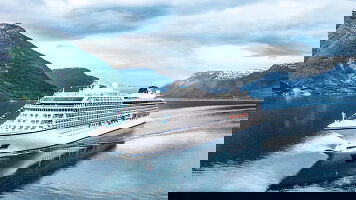
Launched in 2018, the Viking Orion is an all-veranda ship, part of a fleet of award winning, state of the art ships incorporating all the comforts & luxuries you would expect from Viking. Read more
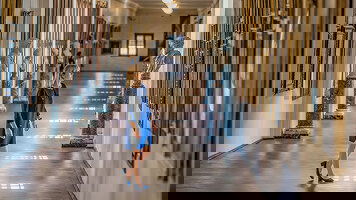
Viking are destination experts. With no casinos or children on board, you can be assured that the focus is firmly on enrichment and education. Read more

After a day of exploration or just to enhance the relaxation of a day at sea, the on-board Spa will leave you feeling recharged and revitalized. Read more

Viking offer eight on board dining options. Beer, wine and soft drinks are available with lunch and dinner at no additional charge of fee. Read more
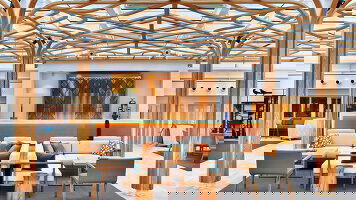
Viking proudly includes all that you need and nothing you do not. A variety of features and services valued at $200 per person per day are standard inclusions in your cruise. Read more

Viking include one complimentary shore excursion in every port of call. Enjoy exclusive entry to cultural treasures and seldom-seen collections around the world. Read more
Download Brochure

Viking Ocean Voyages (2027-29)
Dates & Pricing
Viking Explorer Society
GJ Loyalty Discount
Cabin Layout Options:
Select Cabin Preference:
Tour & cruises prices are per person. Prices shown have savings applied, are subject to availability and may be withdrawn at any time without notice. Pricing and trip details are correct at this point in time, however are subject to confirmation at the time of booking and are subject to change by Viking. For cruise itineraries, cabin images are sourced from the cruise-line and should be treated as indicative only. Cabin inclusions, upholsteries and room layout may differ to the image(s) shown depending on the ship selected and your sailing dates.