Overview



Itinerary
Vancouver is the ideal home port to begin or end an Alaskan adventure. Blessed with stunning vistas and exciting activities, Vancouver offers the perfect blend of urban and natural experiences. Vancouver is a must for any cruise itinerary, and because it's a compact, walkable city right on the edge of nature, adding on just a couple of extra days to explore will give you an authentic taste of what makes this place so attractive to visitors.
Located in the heart of Vancouver’s waterfront, 'Canada Place' (cruise terminal) can service up to three luxury cruise ships at any given time.
The Seymour Narrows is a 3-mile/5 km stretch of the Discovery Channel north of Vancouver Island, British Columbia that is notorious for the strength of the tidal currents flowing through it. The average width of the narrows is just 750 meters. During extreme tides, the current through the narrows is subject to severe Venturi effect, resulting in an increased velocity that can reach 15 knots.
For much of its modern history, there was an additional hazard in the narrows called Ripple Rock, a shallow obstruction that claimed no fewer than 119 ships and 114 lives. In 1958, after months of tunneling and preparation, Ripple Rock was blown up in the largest commercial, non-nuclear explosion ever recorded in North America. Still, the navigation of Seymour Narrows is dependent on tidal and other conditions, and requires skill and technical accomplishment.
The Queen Charlotte Sound lies between the Queen Charlotte Strait, which winds between Vancouver Island and the British Columbia mainland in the south, and Hecate Strait, which is northward, adjacent to the Haida Gwaii Islands off the Pacific coast of British Columbia. It is a broad reach in the long shipping route called the Inside Passage threading the myriad islands stretching from Washington’s Puget Sound to Alaska.
Ketchikan sits at the southern end of Alaska’s Inside Passage - the canned salmon capital of the world, it’s a hub for fishing and outdoor sports. It’s also home to three tribes of Northwest Coast Indians, making it a great place to get a taste for the local culture.
Top Things to Do in Ketchikan:
- visit Totem Bight State Park
- venture past the town limits into Tongass National Forest
- visit Ketchikan's own Saxman Native Village
- a myriad of outdoor adventures from fishing to zip-lining!
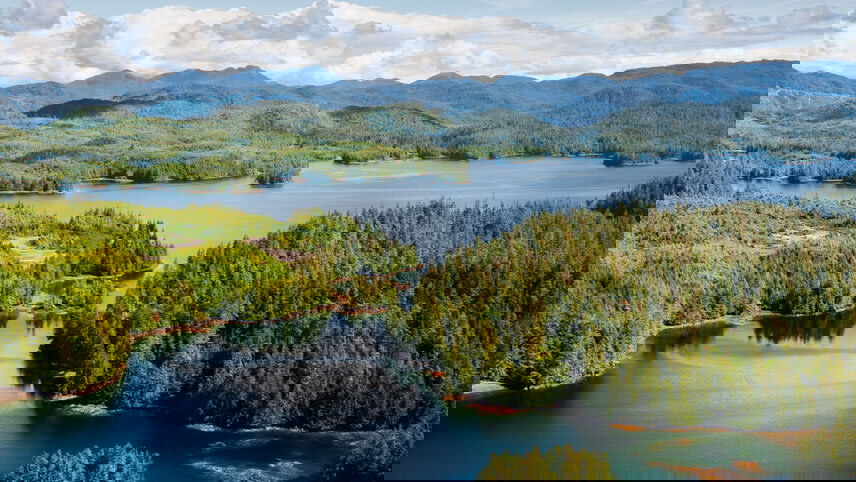
In the passage between Sumner Strait and Clarence Strait in Southeast Alaska’s Alexander Archipelago, midway between Price of Wales Island on the west and Zarembo Island on the east, is a small cluster of islands with a picturesque passageway between them called Snow Pass. It makes a scenic up-close route for your Seabourn ship during the transit.
Decision Passage is the western end of the Sumner Strait, which runs through the Alexander Archipelago into the Pacific Ocean in Southeastern Alaska, bounded on the north by Kuiu Island and Cape Decision, the location of a 1932 lighthouse. This is the route your ship takes when coming from or going to the colorful historic community of Sitka on the west coast of Baranof Island, which was originally the Russian fortress town of New Archangel.
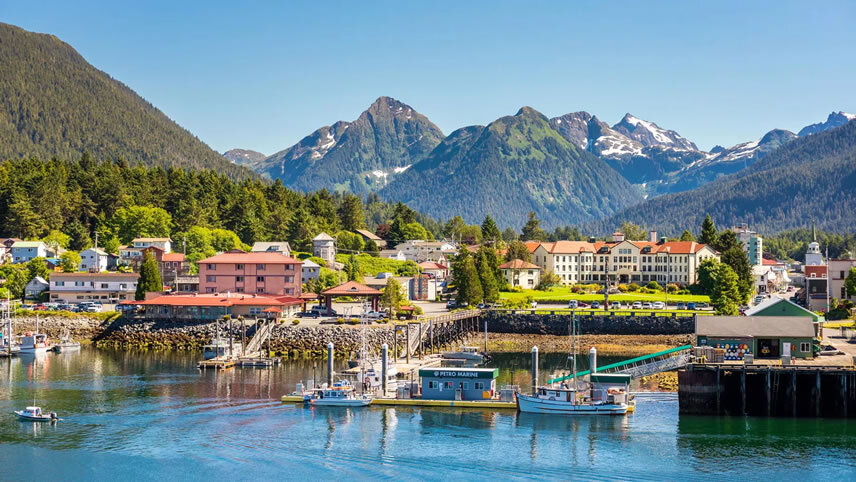
Sitka is nestled on the west side of Baranof Island. As the east is covered with snowcapped mountains and the west is surrounded by the Pacific Ocean, recreational fishing and hiking have become what Sitka is most famous for. As well as their historical landmarks, picturesque views and authentic dining experiences.
Top Things to Do in Sitka:
- visit Sitka Totem Park, home to authentic Tlingit and Haida totem poles nestled in a rainforest of giant Sitka spruce trees
- hike through the Starrigavan with plenty of bird and wildlife viewing opportunities
- explore Sitka via kayak
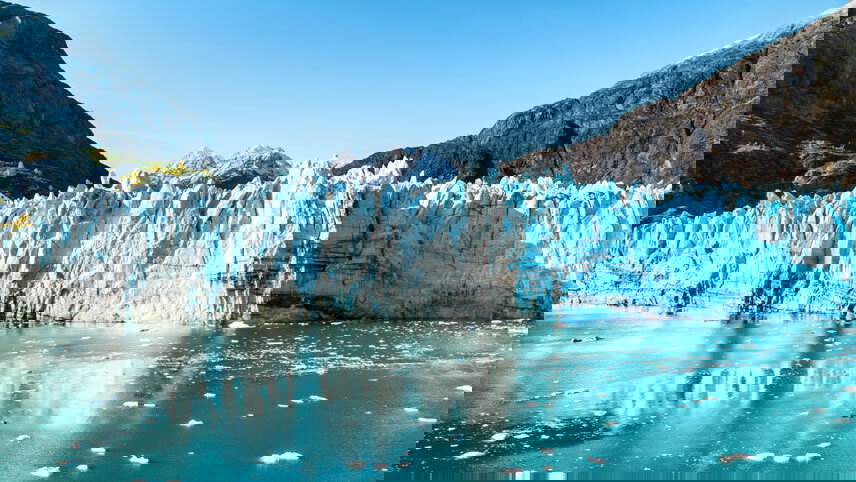
The marine wilderness of Glacier Bay National Park includes tidewater glaciers, snow-capped mountain ranges, ocean coastlines, deep fjords, and freshwater rivers and lakes. Glacier Bay is equally rich in wildlife. An Alaska cruise that ventures up the Bay usually yields sightings of black and brown bears and mountain goats, especially in small ships that cruise close to the shore. Humpback whales have been increasing in the water of the Bay, and orca or killer whales are seen cruising through the water in search of harbor seals.
Venture 'where the north wind doesn’t blow' and discover Icy Strait Point. This uniquely Alaskan port is one of the few places in the world where wildlife outnumbers the human population. Pine trees as tall as skyscrapers, humpback whales, eagles, wild salmon, black bears and more form the harmonious tapestry of life in this Alaskan hinterland. Ships will dock at this port.
Top Things to Do in Icy Strait Point:
- brave the world’s longest zipline, ZipRider
- go whale watching
- visit the Alaskan native village, Hoonah
- hike, bike or kayak through the wilderness
As the gatekeepers to the northern entrance of the fabled Inside Passage, the remote Inian Islands stand between Cross Sound and Icy Strait, exposed to the high energy seas of the Pacific Ocean. Tidal currents surging through the narrow channels separating the islands can be severe. Nicknames like ‘The Laundry Chute’ justify their notorious reputations.
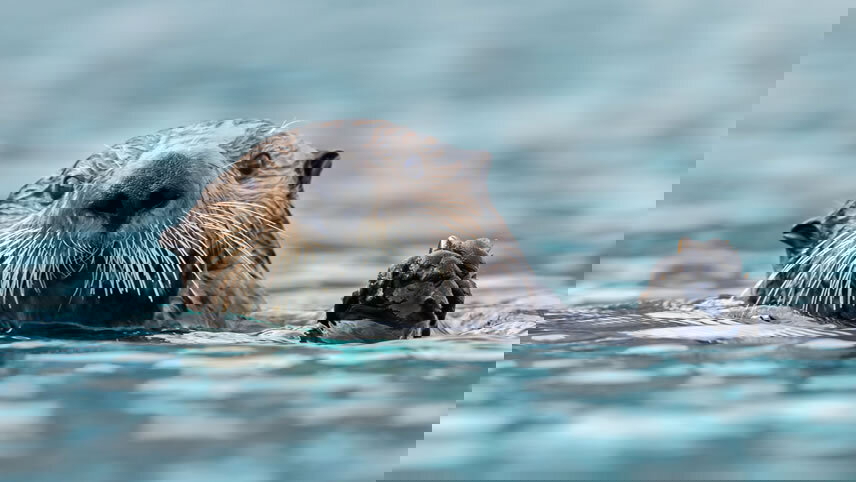
Due to their location, the Inian Islands benefit from the nutrient-rich waters flowing in from the Pacific Ocean, supporting a diverse ecosystem. Visitors to the islands can enjoy spectacular wildlife viewing, with opportunities to see sea otters, seals, sea lions, and humpback whales.
Haines, Alaska, nestled along the shores of the picturesque Lynn Canal, is a small town known for its stunning natural landscapes and rich cultural history. It offers a quieter, more reflective alternative to the nearby bustling ports. Haines is renowned for its artistic community and the fascinating local heritage displayed at the Sheldon Museum and Cultural Center, which provides insights into the Tlingit culture and the pioneering days.
Outdoor enthusiasts will find Haines irresistible with opportunities for wildlife viewing, especially bald eagles at the Chilkat Bald Eagle Preserve, which hosts one of the world's largest concentrations of bald eagles. Hiking, fishing, and kayaking are also popular, allowing visitors to immerse themselves in the tranquil beauty of Alaska’s wilderness.
Lynn Canal is a 90-mile long inlet into Alaska’s coast running from the Chilkat River in the north to the Chatham Strait and Stephens Passage in the south. Because it connects the towns of Skagway and Haines to Juneau and the rest of the Inside Passage, it is an important shipping lane for ferries, cargo and cruise ships, and was a crucial passageway to the Klondike gold fields during the Gold Rush. It was discovered by Joseph Whidbey in 1794 and named by George Vancouver after his birthplace, King’s Lynn in Norfolk, England. More than 2,000 feet in depth, it is one of the deepest and longest fjords in the world, and the deepest in North America outside Greenland.
Juno, commonly known as Juneau, is the capital city of Alaska. Only accessible by sea or air, Juneau's history, culture, and topography have resulted in many interesting activities for visitors to enjoy, all in the heart of Alaska's majestic mountains, rivers, glaciers, and forests.
Top Things to Do in and around Juneau:
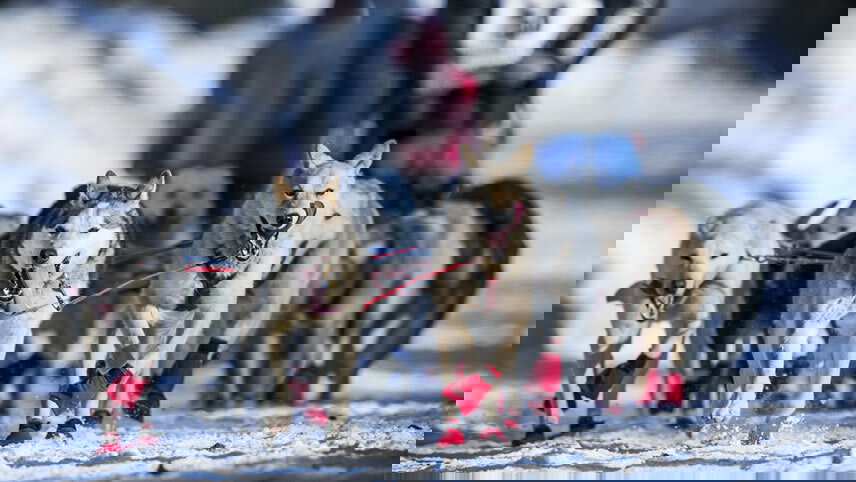
- dog sledding
- explore the gorgeous Mendenhall Glacier
- whale watching
- Alaskan Halibut fishing
Skagway was Alaska's largest town with a population of about 20,000 during the gold rush in 1898. Hotels, saloons, dance halls and gambling houses prospered. But when the gold dwindled, so did the population.
Today, Skagway has less than 1,000 residents and it still retains the flavor of the gold rush era.
Top Things to Do in and around Skagway:
- steam train from Skagway aboard the "Scenic Railway of the World"
- excursion to the Klondike Summit
- gold panning & dog sledding
The marine wilderness of Glacier Bay National Park includes tidewater glaciers, snow-capped mountain ranges, ocean coastlines, deep fjords, and freshwater rivers and lakes. Glacier Bay is equally rich in wildlife. An Alaska cruise that ventures up the Bay usually yields sightings of black and brown bears and mountain goats, especially in small ships that cruise close to the shore. Humpback whales have been increasing in the water of the Bay, and orca or killer whales are seen cruising through the water in search of harbor seals.
Decision Passage is the western end of the Sumner Strait, which runs through the Alexander Archipelago into the Pacific Ocean in Southeastern Alaska, bounded on the north by Kuiu Island and Cape Decision, the location of a 1932 lighthouse. This is the route your ship takes when coming from or going to the colorful historic community of Sitka on the west coast of Baranof Island, which was originally the Russian fortress town of New Archangel.
Wrangell offers a unique glimpse into the rugged beauty and rich history of the Alaskan wilderness. As a smaller, less frequented destination, it provides a more intimate connection with nature. Visitors can explore the striking Anan Wildlife Observatory, known for its up-close views of wild bears and bald eagles, or delve into the area’s past at the intriguing Wrangell Museum.
For a truly memorable experience, take a boat tour to the nearby Stikine River, a stunning natural wonder that boasts some of the most scenic views in Alaska. Alternatively, the Petroglyph Beach State Historic Site offers a fascinating look at ancient rock carvings right by the water’s edge, easily accessible and perfect for a leisurely morning exploration.
Stikine Strait is a picturesque channel in the Alexander Archipelago of Alaska between Zarembo Island and Woronkofski and Etolin Islands near the mouth of the Stikine River south of Wrangell. It first appears on an 1848 Russian chart as Stakhin Strait and has been spelled variously on many charts since that time.
The 108-mile Behm Canal runs from the Clarence Strait through the Alexander Archipelago of Southeast Alaska, and into the channel separating Revillagigedo Island from the mainland. It forms part Inside Passage on the route between Ketchikan and the Misty Fjords National Monument. The canal was named by George Vancouver during his surveying expedition in 1793, in honor of Magnus von Behm, who had been governor of Kamchatka in the Russian Far East when Vancouver called at Petropavlovsk with Captain Cook’s expedition following the Cook’s murder in Hawaii.
Scottish-American naturalist John Muir compared the 2,294,343-acre (930,000 hectare) Misty Fjords National Monument to his favorite place in America, Yosemite National Park. Often shrouded in mist, Misty Fjords is a true wilderness. Its vertical granite cliffs, which reach 3,000’ (900 m) above sea level, descend another 1,000’ (300 m) below the water’s surface.
Carved by glaciers and covered in a green carpet of mosses and lichens, Misty Fjords receives more than 150” (381 cm) of rain per year. Western hemlock, Sitka spruce, and western red cedar dominate the prolific vegetation along its shore. Mountain goats, brown and black bears, coastal wolves, sea lions, bald eagles, ravens, Dall's porpoises, orca and humpback whales can be spotted along its shorelines and throughout its waters.
Long before the arrival of John Muir, the Tlingit people lived and moved throughout this region, surviving on what the land provided. Evidence of their historic and ongoing presence is recorded in the many pictographs found along the shores of Misty Fjords.
Misty Fjords, located in southeastern Alaska, is a breathtaking wilderness area known for its dramatic scenery and serene beauty. This national monument features steep fjords, towering cliffs, and cascading waterfalls, all shrouded in mist, creating a mystical atmosphere. The area is accessible by boat or seaplane, offering stunning views of its rugged landscapes and pristine waters.
Wildlife enthusiasts can spot black bears, mountain goats, and bald eagles, while the fjords' waters are home to seals, sea lions, and humpback whales. Kayaking through the fjords provides an intimate experience with the natural surroundings. Misty Fjords' untouched wilderness and majestic beauty make it an unforgettable destination for those exploring Alaska.
Prince Rupert, located on British Columbia's northern coast, is a picturesque port city known for its rich maritime history and stunning natural surroundings. Nestled on Kaien Island, the city offers breathtaking views of the Pacific Ocean and access to some of Canada's most pristine wilderness areas. The local culture is deeply influenced by the indigenous Tsimshian people, with numerous totem poles displayed throughout the city, adding a profound cultural dimension to the scenic landscapes.
Outdoor enthusiasts will find plenty to explore, from the lush rainforests of the nearby Khutzeymateen Grizzly Bear Sanctuary to the rugged beauty of the North Coast Trail. Prince Rupert is also a popular destination for fishing, whale watching, and exploring the remote beauty of the Great Bear Rainforest, making it a vibrant gateway to adventure in the wilds of northern British Columbia.
Grenville Channel is a long, well-protected channel along the northern British Columbia coast between the large Pitt Island and the mainland. It is an important shipping lane, and you are likely to see ships of many different types and sizes as you pass through. The shores are mountainous on both sides, with two notable peaks about halfway through, Mt. Batchellor on the east side and Mt. Saunders on Pitt Island to the west. There are a number of Indian Reserves and Marine Parks in the mountains and narrow waterways off the channel.
Whale Channel is a picturesque waterway separating Gil Island from Princess Royal Island in British Columbia’s Inside Passage. Surrounded by snow-capped mountain ranges and teeming with marine life, It is a diversion from the main shipping lane, located roughly halfway between Prince Rupert and the First Nations village of Klemtu.
Alert Bay, located on Cormorant Island in British Columbia, Canada, is a culturally rich destination known for its deep indigenous roots, specifically those of the Kwakwaka'wakw people. The U'mista Cultural Centre is a highlight, showcasing potlatch artifacts and masks reclaimed from museums and private collections worldwide, providing insights into the vibrant traditions and history of the First Nations.
Cruise ships anchor nearby, and passengers can easily walk or take a short ride to explore the community's totem poles, traditional big houses, and local art galleries. Alert Bay is not just a place to visit but an opportunity to experience the living culture of the Kwakwaka'wakw, set against the backdrop of the stunning natural beauty of the Pacific Northwest.
The Seymour Narrows is a 3-mile/5 km stretch of the Discovery Channel north of Vancouver Island, British Columbia that is notorious for the strength of the tidal currents flowing through it. The average width of the narrows is just 750 meters. During extreme tides, the current through the narrows is subject to severe Venturi effect, resulting in an increased velocity that can reach 15 knots.
For much of its modern history, there was an additional hazard in the narrows called Ripple Rock, a shallow obstruction that claimed no fewer than 119 ships and 114 lives. In 1958, after months of tunneling and preparation, Ripple Rock was blown up in the largest commercial, non-nuclear explosion ever recorded in North America. Still, the navigation of Seymour Narrows is dependent on tidal and other conditions, and requires skill and technical accomplishment.
Vancouver is the ideal home port to begin or end an Alaskan adventure. Blessed with stunning vistas and exciting activities, Vancouver offers the perfect blend of urban and natural experiences. Vancouver is a must for any cruise itinerary, and because it's a compact, walkable city right on the edge of nature, adding on just a couple of extra days to explore will give you an authentic taste of what makes this place so attractive to visitors.
Located in the heart of Vancouver’s waterfront, 'Canada Place' (cruise terminal) can service up to three luxury cruise ships at any given time.
The Seymour Narrows is a 3-mile/5 km stretch of the Discovery Channel north of Vancouver Island, British Columbia that is notorious for the strength of the tidal currents flowing through it. The average width of the narrows is just 750 meters. During extreme tides, the current through the narrows is subject to severe Venturi effect, resulting in an increased velocity that can reach 15 knots.
For much of its modern history, there was an additional hazard in the narrows called Ripple Rock, a shallow obstruction that claimed no fewer than 119 ships and 114 lives. In 1958, after months of tunneling and preparation, Ripple Rock was blown up in the largest commercial, non-nuclear explosion ever recorded in North America. Still, the navigation of Seymour Narrows is dependent on tidal and other conditions, and requires skill and technical accomplishment.
The Queen Charlotte Sound lies between the Queen Charlotte Strait, which winds between Vancouver Island and the British Columbia mainland in the south, and Hecate Strait, which is northward, adjacent to the Haida Gwaii Islands off the Pacific coast of British Columbia. It is a broad reach in the long shipping route called the Inside Passage threading the myriad islands stretching from Washington’s Puget Sound to Alaska.
Ketchikan sits at the southern end of Alaska’s Inside Passage - the canned salmon capital of the world, it’s a hub for fishing and outdoor sports. It’s also home to three tribes of Northwest Coast Indians, making it a great place to get a taste for the local culture.
Top Things to Do in Ketchikan:
- visit Totem Bight State Park
- venture past the town limits into Tongass National Forest
- visit Ketchikan's own Saxman Native Village
- a myriad of outdoor adventures from fishing to zip-lining!
Klawock, located on Prince of Wales Island in Alaska, is a town rich in Native Alaskan heritage and natural beauty. Known for its impressive totem poles, Klawock Totem Park features 21 replicas of historic poles that tell the stories and legends of the Tlingit people.
The town is also a gateway to outdoor adventures, with opportunities for fishing, hiking, and wildlife viewing. The surrounding waters are teeming with salmon and halibut, making it a popular spot for anglers. Additionally, the lush forests and scenic trails offer excellent hiking experiences, allowing visitors to enjoy the pristine Alaskan wilderness. With its blend of cultural heritage and natural attractions, Klawock provides a unique and enriching experience.
Sitka is nestled on the west side of Baranof Island. As the east is covered with snowcapped mountains and the west is surrounded by the Pacific Ocean, recreational fishing and hiking have become what Sitka is most famous for. As well as their historical landmarks, picturesque views and authentic dining experiences.
Top Things to Do in Sitka:
- visit Sitka Totem Park, home to authentic Tlingit and Haida totem poles nestled in a rainforest of giant Sitka spruce trees
- hike through the Starrigavan with plenty of bird and wildlife viewing opportunities
- explore Sitka via kayak
The marine wilderness of Glacier Bay National Park includes tidewater glaciers, snow-capped mountain ranges, ocean coastlines, deep fjords, and freshwater rivers and lakes. Glacier Bay is equally rich in wildlife. An Alaska cruise that ventures up the Bay usually yields sightings of black and brown bears and mountain goats, especially in small ships that cruise close to the shore. Humpback whales have been increasing in the water of the Bay, and orca or killer whales are seen cruising through the water in search of harbor seals.
Make yourself at home with delightful daily diversions that add to our fleet’s private yacht-like atmosphere. Embrace this moment and indulge – spending the day pampering yourself in the spa or soaking in a Pure Pampering ℠ bath drawn by your attentive suite host. Meditate upon the vast views that surround you from a yoga mat, the ship’s bow, or your private veranda.
Wild, remote and stunningly beautiful, the city of Kodiak is a rugged outpost on Alaska's famed "Emerald Isle". Accessible only by plane or ship, will find you in a different Alaska - one of extreme wilderness and beauty, populated by hearty, friendly frontier folks.
Take a visit to the Kodiak National Wildlife Refuge, home to the famed Kodiak brown bears. A scenic drive to Fort Abercrombie State Historical Park reveals stunning coastal views, World War II bunkers, and lush forest trails. For a cultural experience, explore the Alutiiq Museum and Archaeological Repository, which showcases the island's indigenous heritage. Don't miss the Kodiak Fisheries Research Center, where you can learn about the local fishing industry and marine life.
Each Seabourn ship offers a choice of dining venues to suit your mood of the moment. All dining venues are complimentary, and nearly all are open-seating, inviting you to dine where, when, and with whom you wish. Complimentary fine wines are poured with lunch and dinner, and there is never an extra charge for any dining choice. You can even enjoy a meal in your suite or on your veranda.
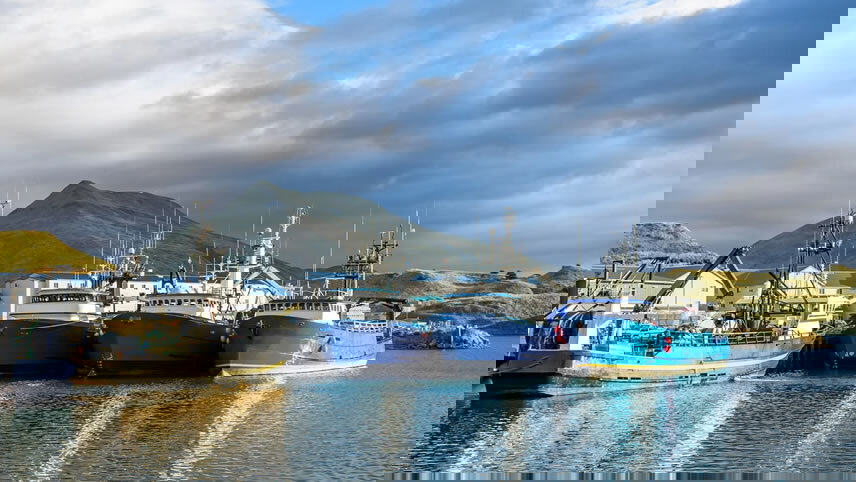
Located on Amaknak Island and linked via bridge to Unalaska Island, Dutch Harbor is a place of historical significance, stunning natural beauty and resilient people. While intriguing museums recall a turbulent past, today Dutch Harbor embraces the peaceful nature of its scenic surroundings and thrives as a fishing 'village' that brings in the largest catch in the country.
Dutch Harbor is the main delivery port for the crab fleet featured on the Discovery Channel's hit reality show, "The Deadliest Catch."
Each Seabourn ship offers a choice of dining venues to suit your mood of the moment. All dining venues are complimentary, and nearly all are open-seating, inviting you to dine where, when, and with whom you wish. Complimentary fine wines are poured with lunch and dinner, and there is never an extra charge for any dining choice. You can even enjoy a meal in your suite or on your veranda.
The international date line, established in 1884, passes through the mid-Pacific Ocean and roughly follows a 180 degrees longitude north to south line on the Earth. It does zigzag around political borders such as eastern Russia and Alaska’s Aleutian Islands.
Crossing the date line eastbound decreases the date by one day, while crossing the date line westbound increases the date. So when you cross east to west you always lose a day and crossing from west to east you get the same day twice (or gain a day).
Make yourself at home with delightful daily diversions that add to our fleet’s private yacht-like atmosphere. Embrace this moment and indulge – spending the day pampering yourself in the spa or soaking in a Pure Pampering ℠ bath drawn by your attentive suite host. Meditate upon the vast views that surround you from a yoga mat, the ship’s bow, or your private veranda.
Kushiro, located on the eastern coast of Hokkaido, Japan, is renowned for its vast wetlands and as a prime location for observing unique wildlife, including the rare red-crowned crane. The Kushiro Shitsugen National Park, Japan's largest wetland, offers visitors the chance to explore these biodiverse landscapes through well-maintained walking trails and guided tours, providing insights into the area's natural heritage.
The city itself, often shrouded in mist, lends a mystical atmosphere to the region. Kushiro's port is vibrant, supporting the local economy with its thriving fishing industry. Culinary enthusiasts will enjoy the fresh seafood available, particularly at Washo Market, where they can sample local specialties like Kushiro ramen and grilled fish, reflecting the rich maritime culture of the area.
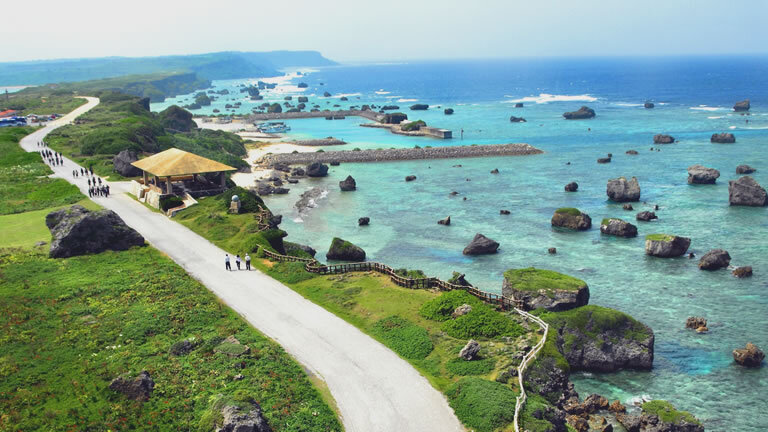
Miyako-Jima is celebrated for its spectacular coastal landscapes and warm subtropical climate. This island is ringed with some of the most beautiful coral reefs in the world, offering unparalleled opportunities for snorkelling and diving. The clear, turquoise waters of beaches like Sunayama Beach and Yonaha Maehama Beach are ideal for those seeking relaxation and stunning ocean vistas.
The island also boasts a rich cultural heritage, evident in traditional events like the Paantu festival, where locals smear mud on each other for good luck and purification. For those interested in history and craftsmanship, the Miyakojima City Museum and local distilleries producing Awamori, a traditional Ryukyuan alcoholic beverage, provide insightful experiences.
Hirara, situated on Miyako Island in Japan, offers a quaint and scenic entry point for cruise visitors. The port is conveniently located and provides easy access to the town's attractions. The city is bustling with activity, featuring traditional markets where visitors can taste local delicacies such as Miyako Soba and tropical fruits.
The Miyakojima City Museum also provides insights into the island's history and culture. Visit the stunning nearby beaches of Maehama Beach and Yoshino Beach, renowned for their crystal-clear waters and excellent snorkelling conditions.
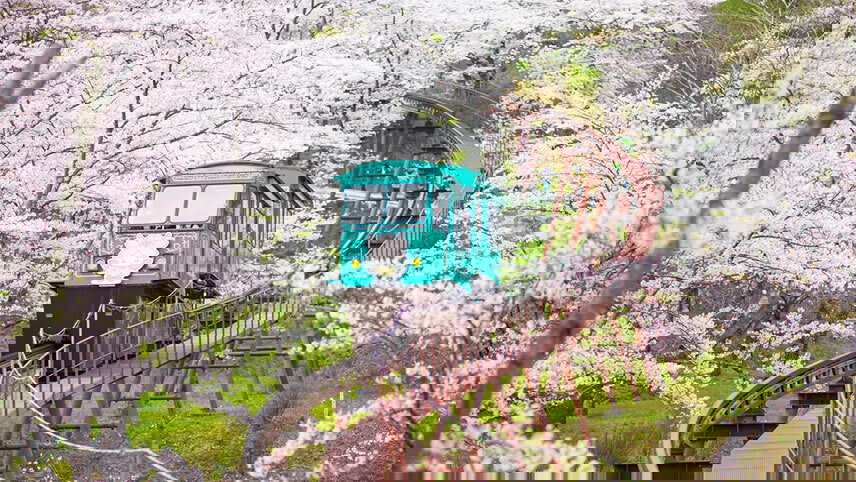
Sendai, the largest city in Japan’s Tohoku region, is known for its rich history, vibrant culture, and lush green spaces. Often called the "City of Trees," Sendai offers a harmonious blend of urban and natural beauty. The city’s iconic Sendai Castle, also known as Aoba Castle, provides stunning views of the city and a glimpse into its feudal past.
The Zuihoden Mausoleum, the resting place of the powerful samurai lord Date Masamune, showcases exquisite craftsmanship and historical significance. Sendai is also famous for its Tanabata Festival, one of Japan’s most celebrated festivals, featuring colourful decorations and lively parades. With its mix of historical sites, cultural festivities, and scenic beauty, Sendai is a fascinating destination in Japan.
Nikko, nestled in the mountains of Tochigi Prefecture, Japan, is a place where history, culture, and natural beauty converge spectacularly. Renowned primarily for its ornate shrines and temples, including the UNESCO World Heritage sites of Toshogu Shrine, Futarasan Shrine, and Rinnoji Temple, Nikko offers a profound glimpse into Japan's rich architectural and spiritual heritage. Toshogu, the most lavishly decorated shrine, is famous for its intricate wood carvings, including the renowned "Hear no evil, speak no evil, see no evil" monkeys.
Beyond its cultural treasures, Nikko is also celebrated for its natural scenery. The area is home to the scenic Lake Chuzenji and Kegon Falls, one of Japan's most beautiful waterfalls, especially stunning in autumn when the foliage turns fiery red and gold.
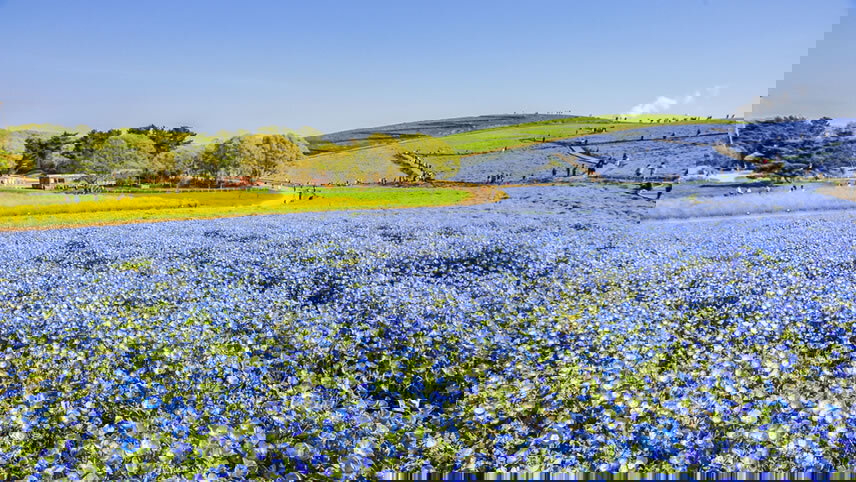
Hitachinaka, located in Ibaraki Prefecture, Japan, is renowned for its scenic coastal beauty and the sprawling Hitachi Seaside Park. This park is famous for its seasonal flowers, especially the baby blue eyes (Nemophila) that create a stunning blue carpet in spring and the vibrant red kochia bushes in autumn. It offers a spectacular natural display that draws visitors from around the world.
Apart from its natural allure, Hitachinaka also boasts of Nakaminato Fish Market, where visitors can enjoy fresh seafood and observe local culinary practices. The city's proximity to the coast encourages activities like cycling along the seaside paths and relaxing on the beaches. Hitachinaka blends its industrial background with considerable green spaces and oceanic influences, providing a refreshing escape with diverse attractions for all ages.
Tokyo, Japan's bustling capital, offers an eclectic mix of tradition and modernity. Begin your adventure with a visit to the Asakusa district, home to the ancient Senso-ji Temple, Tokyo's oldest and most significant temple. Nearby, Nakamise Street is perfect for souvenir shopping and sampling traditional snacks.
For a panoramic view of the city, head to the Tokyo Skytree, one of the world's tallest towers. Shibuya Crossing, one of the busiest pedestrian intersections, is a must-see for its sheer scale and energy. To experience tranquility, visit the serene Meiji Shrine, nestled in a lush forest in Shibuya. Don't miss trying Tokyo's renowned sushi at Tsukiji Outer Market or exploring the vibrant Harajuku district for trendy fashion and unique cafes.
Life On Board
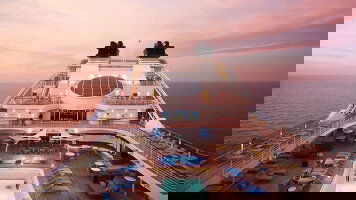
With elegant public spaces and luxury ocean facing suites, Seabourn Encore offers an intimate private club atmosphere. Read more
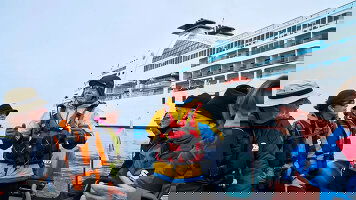
You will feel relaxed and cared for from the moment you board, with a crew passionate about providing best in class service. Read more

Enjoy complimentary premium spirits and fine wines and all inclusive dining in a range of venues offering delectable cuisine. Read more
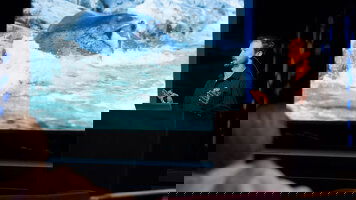
Attend presentations and socialise with experts in their field from every arena of the arts, sciences, politics and the humanities. Read more

Maintain your fitness at sea or find a new direction with a visit to the spa and ocean-view gym or join the mindful living program. Read more
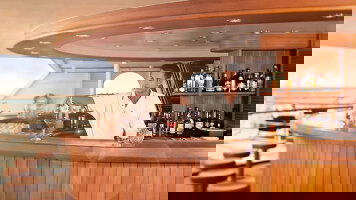
Perched on the top level of the ship, the Sky Bar and Grill is the perfect place for a cool cocktail, delightful lunch or relaxed dinner. Read more
Ship Reviews (1)

Dates & Pricing
Cabin Layout Options:
Select Cabin Preference:
Tour & cruises prices are per person. Prices shown have savings applied, are subject to availability and may be withdrawn at any time without notice. Pricing and trip details are correct at this point in time, however are subject to confirmation at the time of booking and are subject to change by Seabourn. For cruise itineraries, cabin images are sourced from the cruise-line and should be treated as indicative only. Cabin inclusions, upholsteries and room layout may differ to the image(s) shown depending on the ship selected and your sailing dates.