Vancouver to Tokyo
Overview

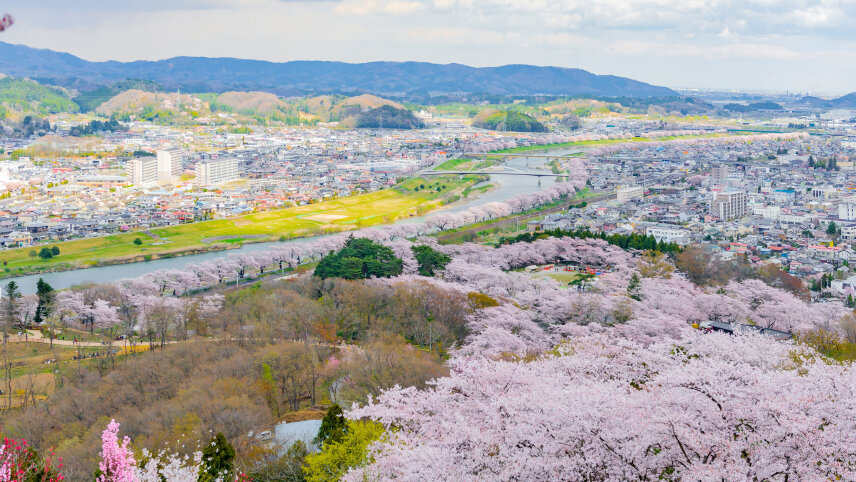
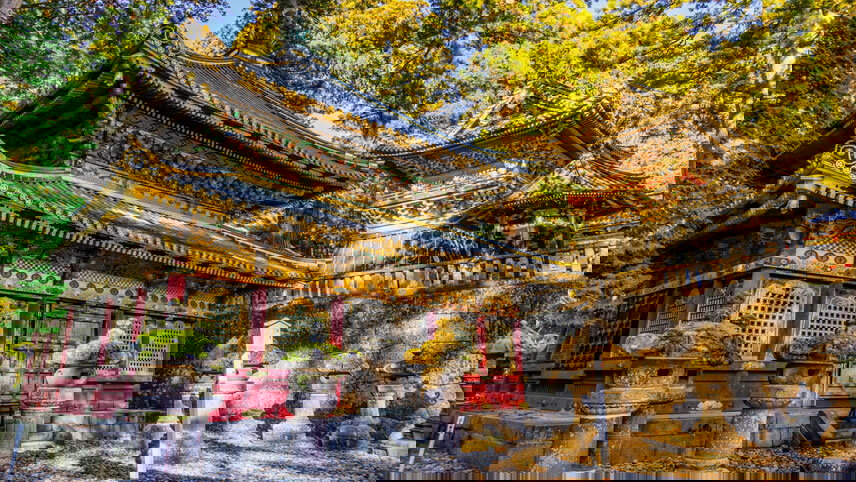
Now we have some time at sea to make the most of Crystal Serenity’s o read morenboard offerings as we cross the International Date Line, bound for Japan. We arrive in Kushiro, home to wetlands beloved by birds - including the rare red-crowned crane. Over in Hakodate, relax in steaming onsen; in Aomori, admire the apple and cherry orchards set against the Hakkoda Mountains; and in Sendai, discover the remains of a 17th-century castle. Our final stop is Hitachinaka, renowned for its blossom-filled oceanfront park, before we disembark in dynamic Tokyo.


Itinerary
Flanked by majestic mountain ranges on one side and the sparkling Pacific on the other, the British Columbia capital has natural beauty in spades, making it a dream destination for outdoor enthusiasts. Hiking, swimming, mountain biking, and skiing are all on offer, and easily accessible from within city limits. But it’s not just active types that Vancouver caters for. The sophisticated cosmopolis boasts world-class museums, bustling markets, live music and theatre, and a truly diverse culinary scene that spans everything from casual street food to boundary-pushing fine dining.
Narrow by name, narrow by nature: this three-mile waterway between Vancouver Island and Quadra Island in British Columbia makes up a small sliver of the larger Inside Passage, but is one of its most defining features. Named after Royal Navy officer Sir George Francis Seymour, the strait is known for its intense – and once treacherous – tidal currents, which became significantly more navigable with the 1958 planned explosion of Ripple Rock, an underwater twin-peaked mountain. Cruising the Seymour Narrows offers front-row access to the raw and rugged natural beauty of the Pacific Northwest.
Celebrated as the ‘salmon capital of the world’, the small Alaskan town of Ketchikan is an angler’s dream and the ultimate destination for nature lovers. Hiking trails abound and the surrounding waters offer some of the best kayaking in the Inside Passage. Don’t miss a visit to Misty Fjords National Monument, a breathtaking seascape of steep fjords, dramatic waterfalls, and dense coastal forest. And get a sense of the region’s rich Tlingit culture at the Totem Heritage Center, which houses the world’s largest collection of unrestored 19th-century totem poles.
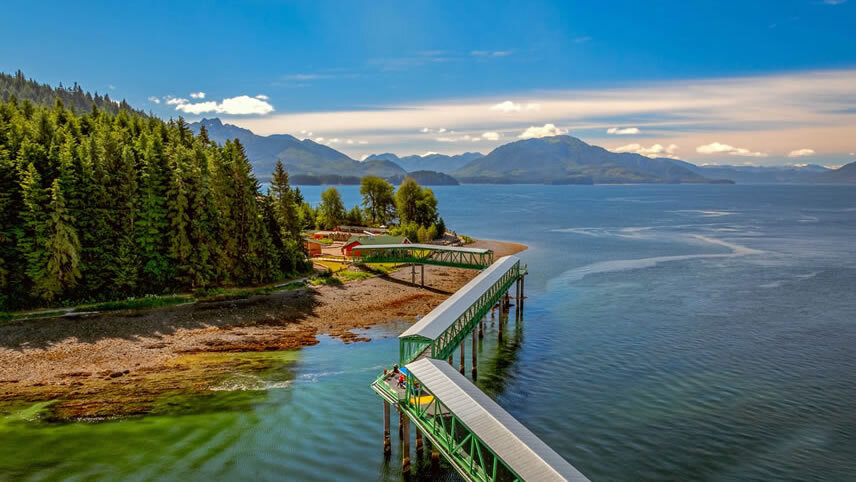
Situated at the northwest edge of Wrangell Island in the south of Alaska, Wrangell lies 155 miles south of Juneau and 89 miles northwest of Ketchikan. This charming harbor town, nestled in the Inside Passage, is not only scenically stunning – think snow-capped mountains, lush forests, pristine wilderness, and abundant wildlife – but it is also renowned for its Tlingit heritage, rich wildlife encounters, adventures along the scenic Stikine River, not to mention its 40 petroglyphs that are an estimated 8,000 years old. For millennia, the Tlingit people have inhabited this region, leaving a rich tapestry of their culture and history woven into Wrangell. The town boasts a remarkable array of totems, with over a dozen dispersed throughout, offering visitors a varied and interesting walk through stunning scenery as well as a chance to imbibe local stories and heritage.
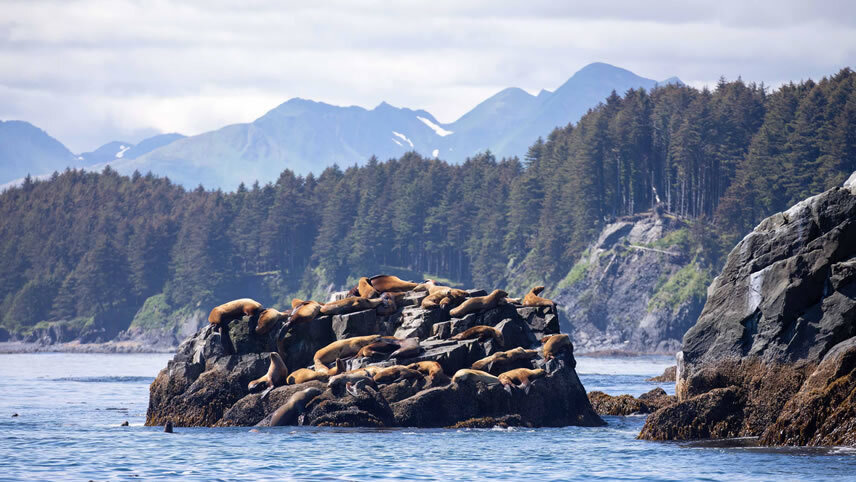
The native Tlingit people might run the port of Icy Strait Point on Chichagof Island, but this is a place where wildlife reigns supreme. The Spasski River Valley has one of the highest densities of coastal brown bears in the world, while the waters surrounding the island teem with humpback whales as well as sea otters and sea lions. If the abundance of wildlife doesn’t take your breath away, try the six-person zipwire running down from Hoonah Mountain at speeds of up to 60mph, some 300 feet above the rainforest. And don’t leave port without a look at the salmon cannery turned museum.
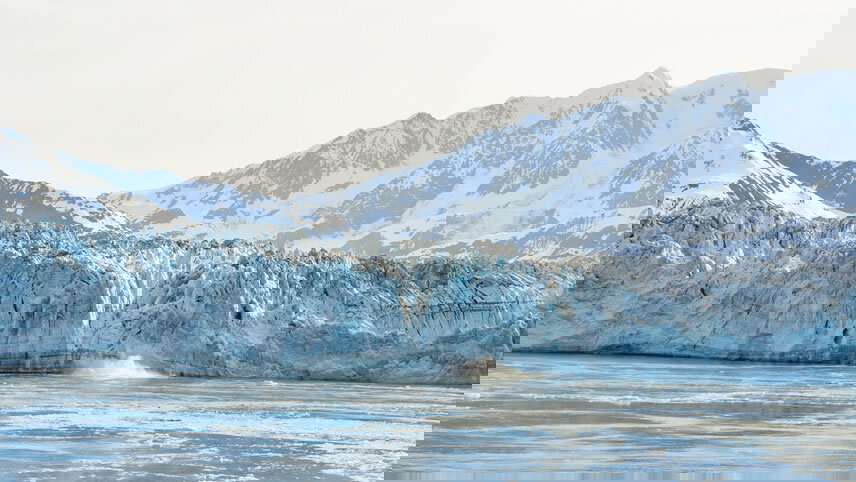
Off the coast of Yakutat - 200 miles North West of Juneau - Hubbard is certainly gigantic: it's more than 9km/6mi wide where it meets the ocean. The face is over 100m/350ft tall, and icebergs 3 to 4 stories in height aren’t uncommon.
Granted, most of that ice is below water, but the ice can be so thick that cruise ships can’t get too close. In the right conditions, however, your ship might be able to get within 1km/0.5mi of the face. The strong currents and riptides that flow between Gilbert Point and the face of the glacier cause calving to occur on a daily basis, sending massive chunks of ice crashing into Disenchantment Bay.
But don't be fooled, Hubbard Glacier stands strong and is advancing so fast its earned the title "The Galloping Glacier".
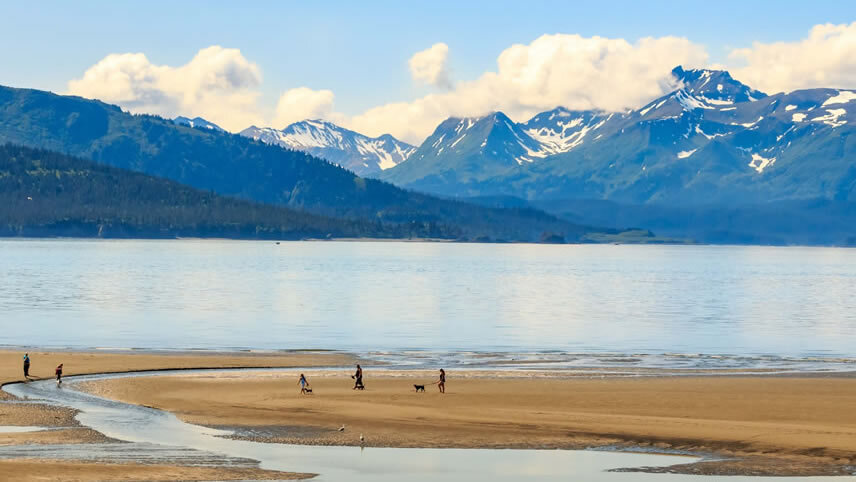
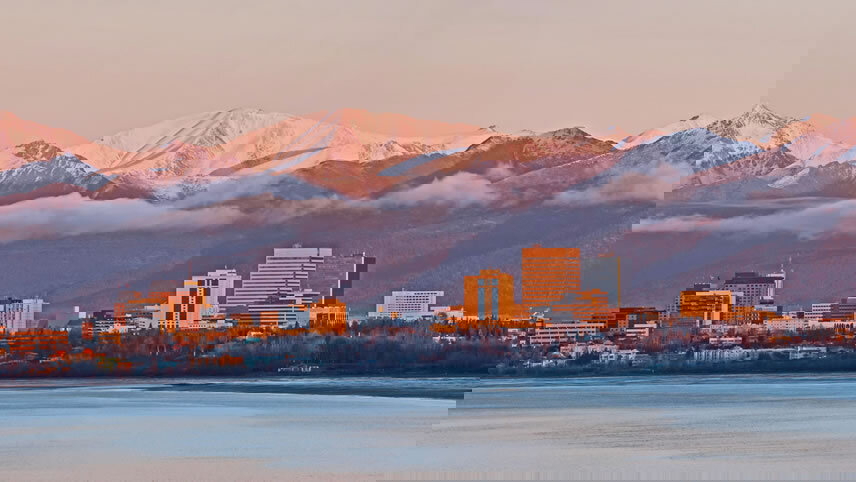
Seward is 120 miles (about a two hour drive) south of Anchorage, and is one of the Anchorage area's two major cruise ports. The trip south is one of the most scenic in Alaska, with the waters of Turnagain Arm on one side and the Chugach Mountains on the other.
There are many small turnouts along the way that are photo-perfect. The small community of Girdwood is a great spot to take a quick hike or a ride up the aerial tram. Seward itself is a great spot for ziplining, sled dog kennel tours, kayaking and glacier and wildlife day cruises.
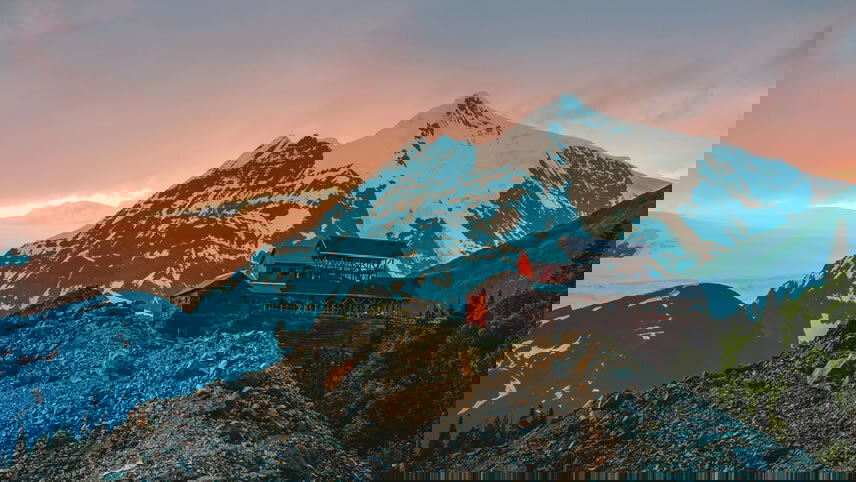
With snow-ringed peaks and the icy-blue waters of Kachemak Bay as a backdrop to paintbox-bright wooden buildings on stilts, Homer is known as a creative hub for good reason. Do an art crawl of the galleries from Pioneer Avenue to the end of the 4.5-mile Spit to see works rendered in paper, beads and glass, and afterwards feast on catch of the day at one of the restaurants on the shoreline (this is the halibut fishing capital of the world). The wilderness is never too far away in Alaska: here, sightings could include bears digging for clams at low tide and eagles soaring overhead.
If you’re going on a bear hunt, there are few better places to do – the 3,500 Kodiak bears on this island equates to one every 0.7 square mile. You’ll find this unique sub-species of brown bear and mainland grizzly reaching a paw into a salmon-rich river or ambling about the Kodiak National Wildlife Refuge – its pristine forests and meadows explain why Kodiak’s moniker is the Emerald Isle. This could equally be called the fishing island, with halibut, salmon, and king crab all found in the waters lapping its shores. And don’t forget the whales – this is one of Alaska’s best places to watch them.
A day at sea with Crystal can be as relaxed or as engaging as you wish. Begin with breakfast on your veranda, take a walk along the Promenade Deck or spend the morning by the Seahorse Pool before retreating to the Aurōra Spa & Salon for a restorative treatment. Enrichment is always close at hand, with lectures, bridge, creative workshops, dance classes, wellness sessions and opportunities to fine tune skills from photography to golf.
Dining is a highlight throughout the day, from relaxed bites by the pool to elegant dinners at venues such as Umi Uma by Nobu, Beefbar or Waterside. As evening arrives, enjoy live music, theatre entertainment, comedy, social gatherings, cocktails in the lounges or a quiet night in with 24-hour in-suite dining.
The international date line, established in 1884, passes through the mid-Pacific Ocean and roughly follows a 180 degrees longitude north to south line on the Earth. It does zigzag around political borders such as eastern Russia and Alaska’s Aleutian Islands.
Crossing the date line eastbound decreases the date by one day, while crossing the date line westbound increases the date. So when you cross east to west you always lose a day and crossing from west to east you get the same day twice (or gain a day).
A day at sea with Crystal can be as relaxed or as engaging as you wish. Begin with breakfast on your veranda, take a walk along the Promenade Deck or spend the morning by the Seahorse Pool before retreating to the Aurōra Spa & Salon for a restorative treatment. Enrichment is always close at hand, with lectures, bridge, creative workshops, dance classes, wellness sessions and opportunities to fine tune skills from photography to golf.
Dining is a highlight throughout the day, from relaxed bites by the pool to elegant dinners at venues such as Umi Uma by Nobu, Beefbar or Waterside. As evening arrives, enjoy live music, theatre entertainment, comedy, social gatherings, cocktails in the lounges or a quiet night in with 24-hour in-suite dining.
If Japan conjures up images of sprawling mega-cities and neon-decked skyscrapers, the northernmost island of Hokkaido offers a very different experience. Kushiro, on the east coast, is most famous for its natural landscapes, particularly the Kushiro Marsh – home to deer, sea eagles, and the iconic Japanese crane, which overwinters on the island. The city has much to offer, too, from the bustling Fisherman’s Wharf, which is dominated by the EGG (Evergreen Garden), and a spectacular dome-shaped greenhouse filled with indigenous plants and trees, to a bowl of kattedon at the Washo Fish Market – a bowl of rice, topped with seafood of your choice.
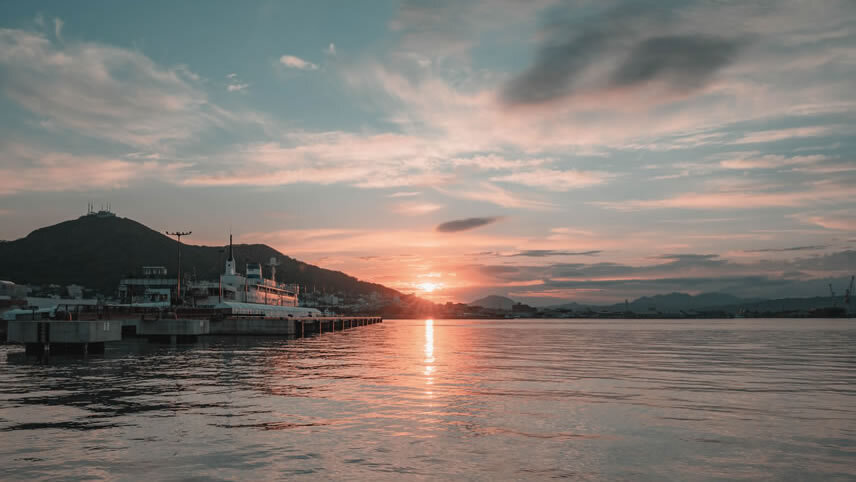
When Japan ended two centuries of self-imposed silence, Hakodate, was one of the first ports to open to the outside world. That was in 1859 – fast-forward to today and you’ll find a modern metropolis capitalising on its prime location at the southern edge of Hakkaido, just across the water from Honshu. Yet this city values its heritage, especially the impressive 19th- and 20th-century buildings that blend Japanese and Western styles in the Motomachi district, such as the grandiose Old Public Hall of Hakodate and the Former British Consulate, where you can sip tea looking out at a rose garden. Flavors are more authentic at the Morning Market, where chefs from the surrounding cafés pluck fresh seafood from the stalls – try ikameshi (rice-filled squid). And those snow monkeys you see photos of bathing in steaming mineral waters – they're here in the botanical garden. To put it all in perspective, trek up the well-kept paths to the 334m summit of Mount Hakodate.
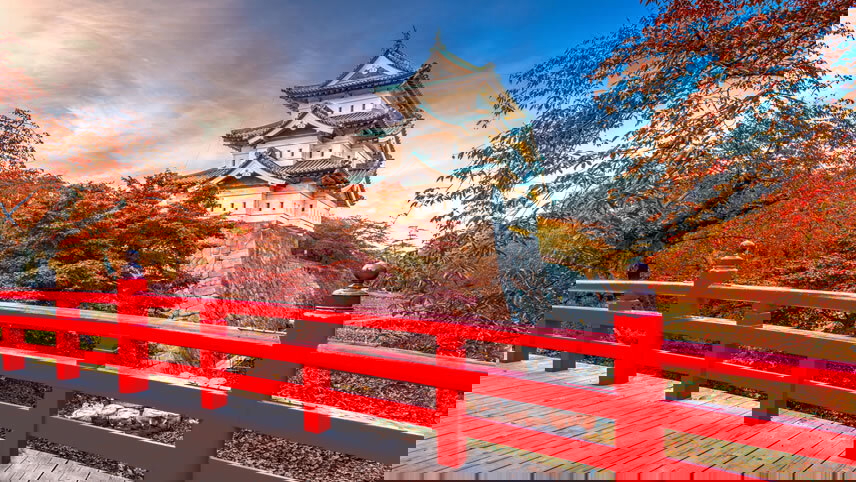
With its apple orchards, cherry trees and backdrop of the Hakkoda Mountains, this city on the northern tip of Honshu island is a gateway to some of Japan’s most beautiful landscapes. About 30 miles south is UNESCO World Heritage Site Shirakami Sanchi, a mountainous area with the last of East Asia’ virgin beech forests. Walking trails here lead to waterfalls and lakes, and you may spot golden eagles, black woodpeckers, Japanese macaques and even shy black bears as you go. Some 40 miles southeast, deep-blue Lake Towada is serenely breathtaking and offers gentle activities from walking to canoeing and boat rides. The Aomori area also enjoys a vibrant contemporary arts scene, from the gleaming white Aomori Museum of Art, complete with a colossal dog statue by Yoshitomo Nara, to the Hirosaki Museum of Contemporary Art, strikingly set in a former brewery, and Towada Art Center with eye-popping sculpture.
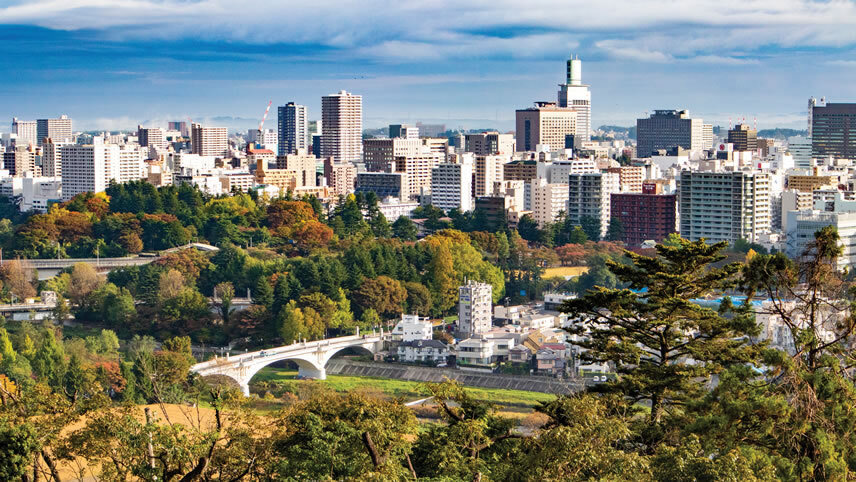
Founded by powerful samurai lord Date Masamune in 1600, Sendai has burgeoned into the largest city in the Tohoku region. Visit the ruins of Sendai Castle, built for the warrior atop Mount Aoba, to enjoy panoramic views and admire the family mausoleum, before seeking out armor and other artefacts from Japan’s Edo period at the Sendai City Museum. Known as the “City of Trees” for its verdant boulevards and the “City of Music” for its harmonious events – from jazz to big band and pop – Sendai is equally cherished for its ramen restaurants, craft beers, and a delicacy called gyutan – grilled beef tongue. Beyond the city is Akiu Fall, one of Japan’s most stunning waterfalls. Visit this scenic area to also enjoy the Akiu Onsen hot springs and nearby Rairaikyo Gorge.
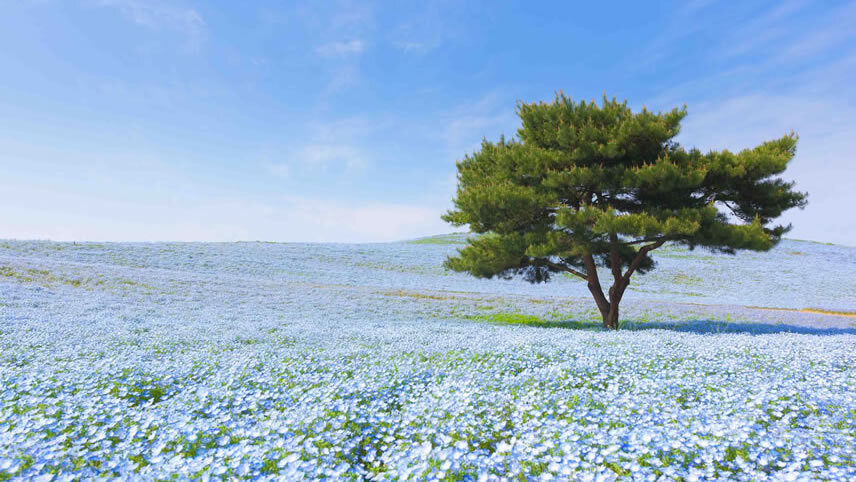
This young city on the shores of the Pacific was created from two former towns just 30 years ago. Yet it has already won hearts, especially for the Hitachi Seaside Park, a heart-sighing vision of blossoms – carpets of delicate “baby blue eyes” in spring and fiery red kochia, or “burning bush”, in autumn, roses, tulips and more floral spectacles throughout the year. While you’re by the ocean, take a stroll on the golden sands of Ajigaura and Hiraisio beaches or go crabbing on the rocky shore a little further north, where you’ll also find plenty of fossils amid the geological layers dating back 75 million years. It's all about the sea here, so it’s no surprise the city is home to a renowned fish market, Nakamitano, where chefs prepare spanking fresh sashimi and sushi from the daily catch. Yet there's one local snack that comes from the land, slices of sun-dried sweet potato – an irresistible souvenir.
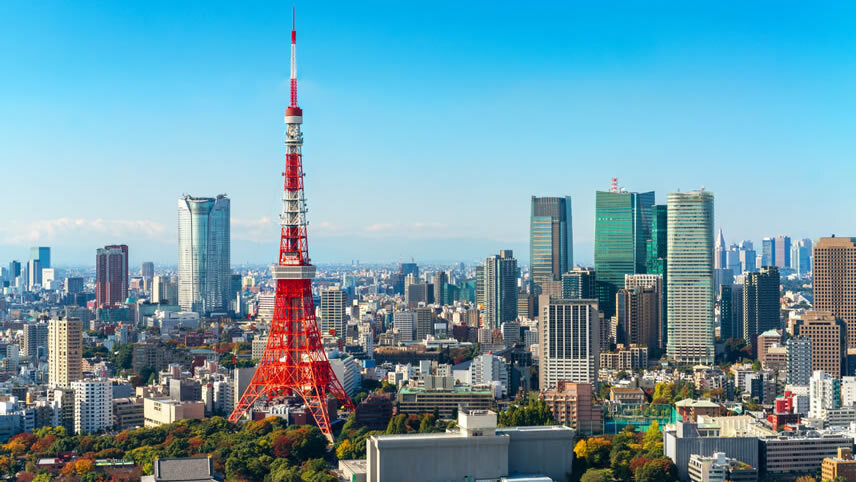
Japan's capital, Tokyo, and its bustling port of Yokohama form a vast urban complex that boasts a unique combination of energy and orderliness. Fusing the vitality of a modern metropolis with the stately elegance of yesteryear, Tokyo is truly unique. From the timeless beauty of the Meiji Shrine to the glittering Ginza district and impressive Tokyo Tower, this international giant is a complex blend of East and West. Houses of wood and paper stand beside towering steel skyscrapers, while kimono-clad women stroll beside teenagers who have created a fashion all their own. The timeless Imperial Palace bears testament to Japan's enduring traditions. Despite encroaching urban development, it continues to exist in a verdant parkland of isolation. Images of the vibrant metropolis of Tokyo, which is home to more than 11 million people, will create memories of a lifetime.
Life On Board
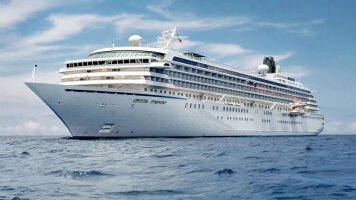
From sumptuous suites and public spaces to Crystal's multi‑award‑winning personalized service each aspect of your experience has been made with care at every step. Read more
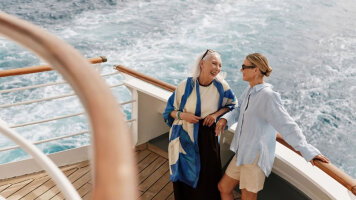
On Crystal ships, our all-inclusive program gives you the sense of freedom and peace of mind that comes from knowing we’ve taken care of everything. Read more
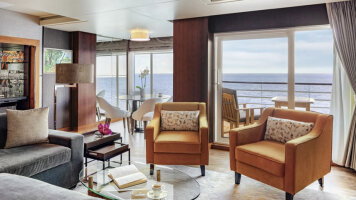
Time at sea should feel comfortable from your own suite as well as around the ship. Every suite has a private veranda, giving you the space to follow the horizon. Read more
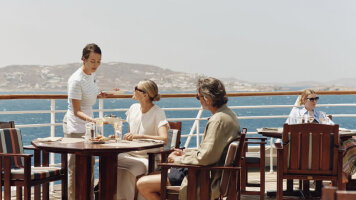
Crystal's award-winning cuisine is created and influenced by pioneers in the global food scene, with nine distinct complimentary venues to choose from. Read more
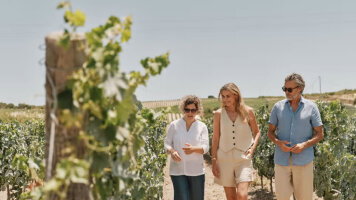
From themed experiences – cooking classes, flamenco dancing, and diving trips – to guided tours of historical sites, there’s something to suit all interests & fitness levels. Read more
Dates & Pricing
Cabin Layout Options:
Select Cabin Preference:
Tour & cruises prices are per person. Prices shown have savings applied, are subject to availability and may be withdrawn at any time without notice. Pricing and trip details are correct at this point in time, however are subject to confirmation at the time of booking and are subject to change by Crystal. For cruise itineraries, cabin images are sourced from the cruise-line and should be treated as indicative only. Cabin inclusions, upholsteries and room layout may differ to the image(s) shown depending on the ship selected and your sailing dates.