Roundtrip Tokyo
Overview

There are more culinary delights read more in store: try okonomiyaki in Hiroshima and tonkotsu ramen in in Fukuoka, before a day in the Korean city of Busan to visit peaceful Buddhist temples. Back in Japan, explore the creative city of Sakaiminato and admire beautiful springtime flowers in Kanazawa. Niigata brings freshly harvested Koshihikari rice and local sake; Akita has mineral-rich onsen; and in Aomori, be sure to sample nokke don, a customizable donburi (rice bowl) dish beloved by locals. Recharge with time at sea before we reach Tokyo, where our journey ends.


Itinerary
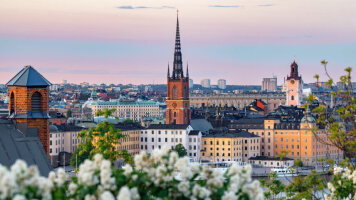
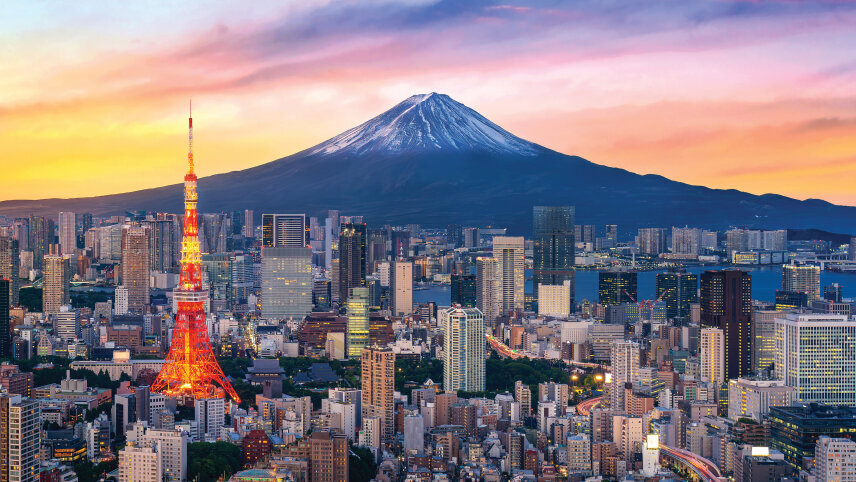
Japan's capital, Tokyo, and its bustling port of Yokohama form a vast urban complex that boasts a unique combination of energy and orderliness. Fusing the vitality of a modern metropolis with the stately elegance of yesteryear, Tokyo is truly unique. From the timeless beauty of the Meiji Shrine to the glittering Ginza district and impressive Tokyo Tower, this international giant is a complex blend of East and West. Houses of wood and paper stand beside towering steel skyscrapers, while kimono-clad women stroll beside teenagers who have created a fashion all their own. The timeless Imperial Palace bears testament to Japan's enduring traditions. Despite encroaching urban development, it continues to exist in a verdant parkland of isolation. Images of the vibrant metropolis of Tokyo, which is home to more than 11 million people, will create memories of a lifetime.
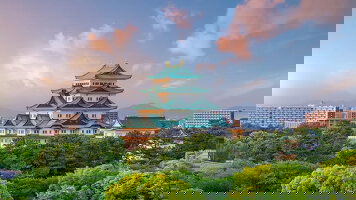
Sitting pretty on the sandy coastline between Tokyo and Kyoto, Japan’s fourth-largest city is home to a thriving harbor district that is a lively destination in its own right. Part of the Garden Pier entertainment area, the country’s busiest port is set around leafy landscaped grounds, home to an amusement park, shopping mall and aquarium. Wonder at the centuries-old wooden vessels that mapped the seas during the Age of Discoveries, displayed in intricate models at the port’s Maritime Museum, and discover museum-ship Fuji, an icebreaker that explored Antarctica in the 1960s and 1970s. Further afield, a pair of golden shachihoko sea monsters crown Nagoya’s imposing five-storey 17th-century castle. A symbol of this city’s prosperity during the Tokugawa dynasty, the castle dates from Japan’s Edo period and its powerful shoguns. Nearby, step back in time to that era on the streets of the Shikemichi preservation district, lined with white-walled merchants’ houses now transformed into cafés and craft boutiques.
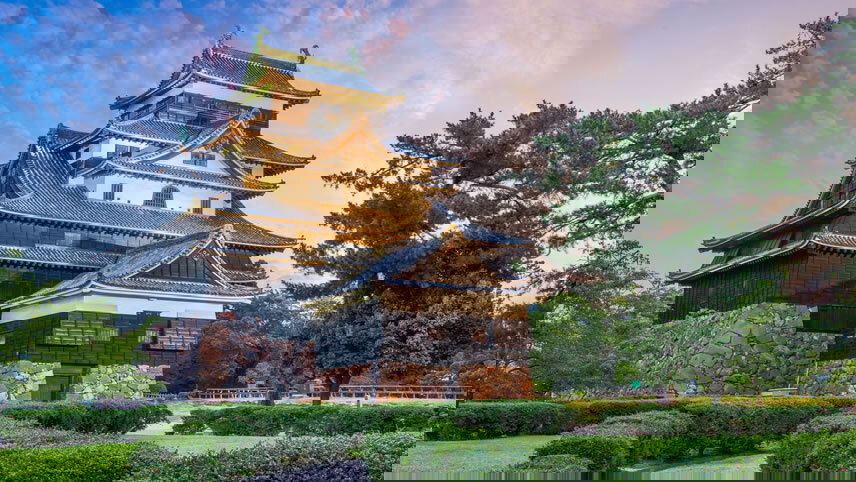
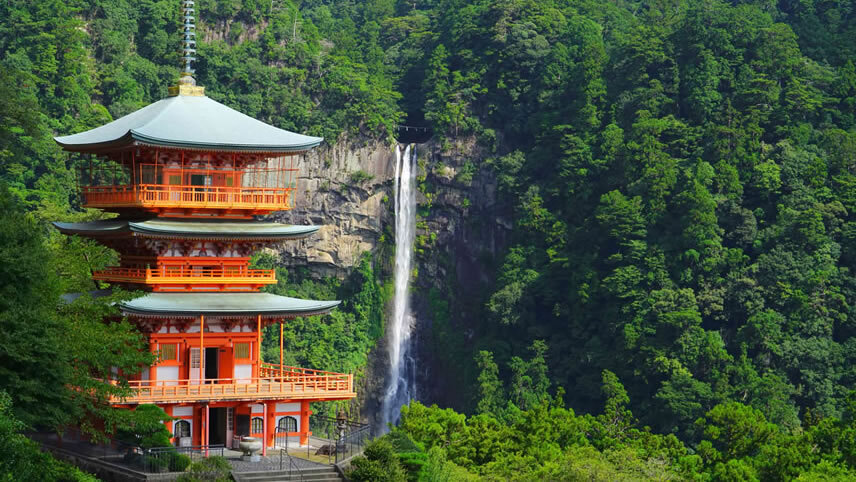
An imposing moated castle, its black-tiled roofs curling up towards the sky, sits across the street from a modern art museum in this multi-faceted city in southern Japan. It’s also the capital of Wakayama prefecture, a mystical place of monastic settlements and mountainous pilgrimage trails. There are spiritual sites to visit right in town, too, with a trio of revered Shinto shrines said to be among the oldest in the country. Tap into the area’s reputation as a hotbed for onsen (thermal springs) with a soak in mineral-rich waters, and try the province’s mandarin oranges and famous umeboshi (salted pickled plums).
The Kanmon Straits, a narrow passage between Japan's Honshu and Kyushu islands are steeped in history and natural beauty. This strategic waterway, bridged overhead and tunneled beneath, connects the Sea of Japan with the Inland Sea. Some 700 ships pass through it on a daily basis and underground tunnels allow both cars and pedestrians to walk between the two ports. Japan’s largest fireworks display also takes place over the strait every August, drawing more than a million sky gazers to watch the spectacular.
The strait has long played an important role in Japanese maritime history; the Shimonoseki Campaign - a series of military engagements with the US and other navies that took place here in the 1860s - ended Japanese feudal rule over the region, thus opening Japan to the West and transforming it into an international trading hub.
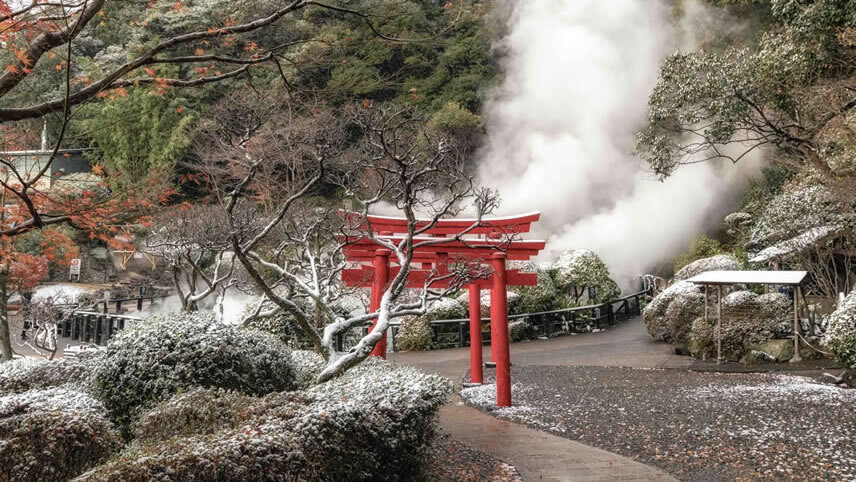
Framed by steam-shrouded mountains, Beppu is a city at the pulsing heart of Japan’s onsen culture. The smoking fumaroles, bubbling pools, and spouting geysers that permeate the earth here across the Oita prefecture produce more spring water than anywhere else in Japan. And with this come spectacular onsen resorts, spa hotels set into forest-fringed coastal cliffs, and traditional ryokan tucked into secluded bays. The top of Mount Tsurumi is the place to view this magical misty scene, climbing above city and sea to its 1,375m summit aboard the Ropeway cable car. In spring, the slopes below blush pink as some 2,000 cherry blossom trees come into bloom. Steam makes its way into Beppu’s distinctive jigoku-mushi cuisine, too, harnessing the hot springs to cook mineral-rich dishes. Hike through the caldera-sculpted landscape of nearby Aso Kuju National Park or, in spring and summer, kayak across the flooded rice fields and flowering marshland.
The Kanmon Straits, a narrow passage between Japan's Honshu and Kyushu islands are steeped in history and natural beauty. This strategic waterway, bridged overhead and tunneled beneath, connects the Sea of Japan with the Inland Sea. Some 700 ships pass through it on a daily basis and underground tunnels allow both cars and pedestrians to walk between the two ports. Japan’s largest fireworks display also takes place over the strait every August, drawing more than a million sky gazers to watch the spectacular.
The strait has long played an important role in Japanese maritime history; the Shimonoseki Campaign - a series of military engagements with the US and other navies that took place here in the 1860s - ended Japanese feudal rule over the region, thus opening Japan to the West and transforming it into an international trading hub.
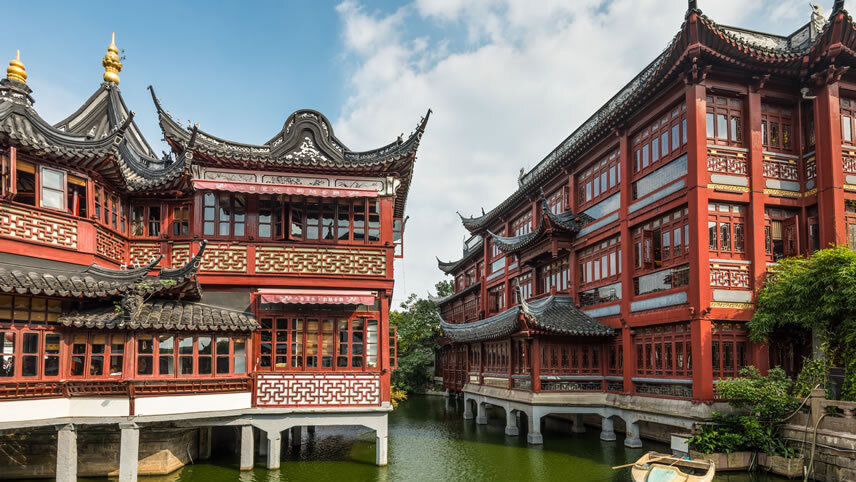
Shanghai, located just inside the mouth of the great Yangtze River, marks the point where Asia's longest and most important river completes its 3,400-mile journey to the Pacific. The city's unique location is the source of its existence and has determined what it is today. Until 1842, Shanghai was merely a tiny fishing village. Following the first Opium War, Shanghai became a treaty port, which opened the city to foreign influence and resulted in the development of numerous British, French and American colonial settlements within the city and along the Yangtze River. Today, Shanghai is the center of China's economic resurgence and its skyline attests to this development in the form of towering skyscrapers, brightly lit commercial high-rises and the unsettling Oriental Pearl Tower. A testimony to Shanghai's colonial era, stately European buildings in art deco style line the Bund, the city's spacious waterfront promenade. An endless flotilla of sampans edge the Huangpu River, dividing old and new Shanghai. Beyond the rush of the city, serene ponds and gardens offer a gentle respite. Must-see sights include the Jade Buddha Temple and tranquil Yu Garden, impressive monuments to China's history and style. Inland lies Suzhou, with its majestic Grand Canal and classical gardens, as well as equally significant Hangzhou, terminus of the Grand Canal and the center of China's legendary tea industry.
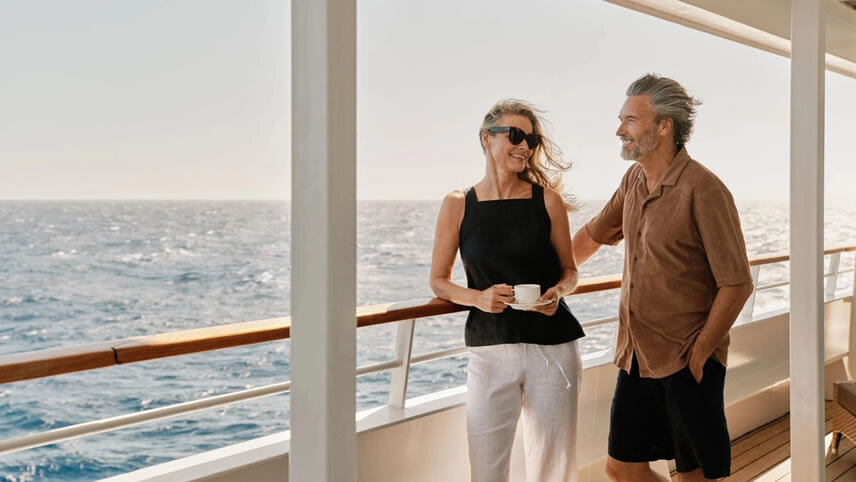
A day at sea with Crystal can be as relaxed or as engaging as you wish. Begin with breakfast on your veranda, take a walk along the Promenade Deck or spend the morning by the Seahorse Pool before retreating to the Aurōra Spa & Salon for a restorative treatment. Enrichment is always close at hand, with lectures, bridge, creative workshops, dance classes, wellness sessions and opportunities to fine tune skills from photography to golf.
Dining is a highlight throughout the day, from relaxed bites by the pool to elegant dinners at venues such as Umi Uma by Nobu, Beefbar or Waterside. As evening arrives, enjoy live music, theatre entertainment, comedy, social gatherings, cocktails in the lounges or a quiet night in with 24-hour in-suite dining.
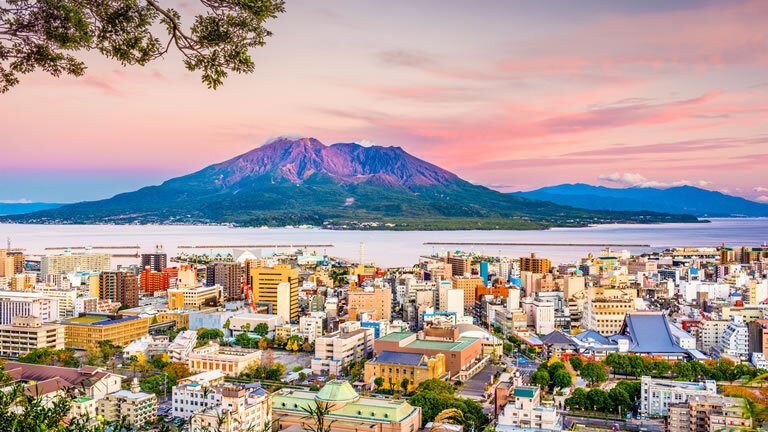
Kagoshima lives in the shadow of Sakurajima, an active volcano that last erupted in 2016. In addition to being the capital of the Kagoshima Prefecture in Japan, the city is home to ancient castles and traditional Japanese Gardens that delight locals and visitors alike.
Top Things to Do in Kagoshima:
- relax at Ibusuki Onsen, the local hot springs
- hike to one of the many volcano observation points
- taking a tour of Shochu Brewery for sake tastings
- enjoy a traditional Japanese tea ceremony
Begin your visit with a trip to Kochi Castle, one of Japan’s few original castles, offering panoramic views of the city. Head to Katsurahama Beach, famous for its scenic views and the statue of Sakamoto Ryoma, a revered samurai and national hero. For a taste of local cuisine, try Katsuo no Tataki, a seared bonito dish. Visit the Makino Botanical Garden to enjoy a diverse array of plants and tranquil walking paths.
One visit to Osaka, and you’ll soon see why it’s known as the ‘kitchen of Japan’. This is a city that takes food seriously, where every mealtime is a celebration. Embrace its proud culinary culture and stroll the neon-lit streets of Dotonbori to sample iconic dishes that characterize Osaka’s street food scene – from fritter-like okonomiyaki to piping hot balls of octopus-stuffed takoyaki. For a dose of history, pay a visit to Osaka Castle, which played a key role in the unification of Japan during the 16th century. Admire the sweeping views from the castle’s main tower and stroll the surrounding gardens, which come alive with cherry blossoms in spring and turn fiery red in fall.
A day at sea with Crystal can be as relaxed or as engaging as you wish. Begin with breakfast on your veranda, take a walk along the Promenade Deck or spend the morning by the Seahorse Pool before retreating to the Aurōra Spa & Salon for a restorative treatment. Enrichment is always close at hand, with lectures, bridge, creative workshops, dance classes, wellness sessions and opportunities to fine tune skills from photography to golf.
Dining is a highlight throughout the day, from relaxed bites by the pool to elegant dinners at venues such as Umi Uma by Nobu, Beefbar or Waterside. As evening arrives, enjoy live music, theatre entertainment, comedy, social gatherings, cocktails in the lounges or a quiet night in with 24-hour in-suite dining.
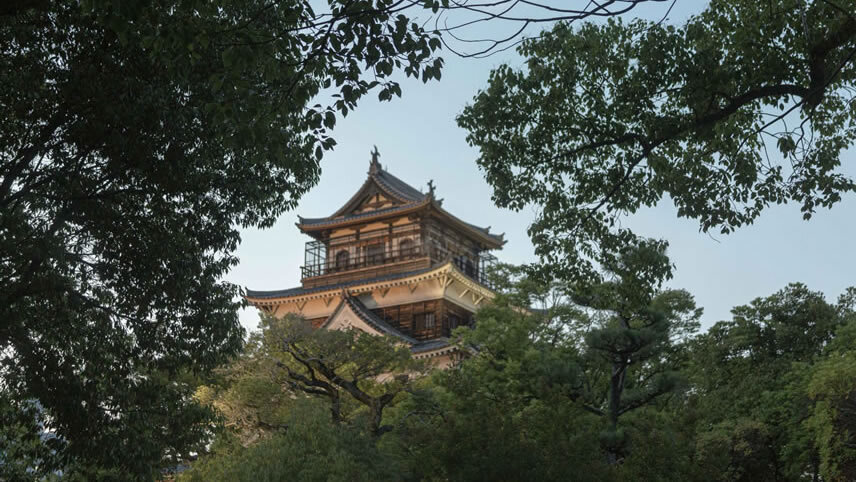
For ever associated with the atomic bomb attack at the end of WWII, the moving monuments of Peace Park are what draw most visitors to Hiroshima. This resilient city has reinvented itself as a vibrant Japanese destination with a determinedly modern and international outlook. Youthful and fun, this is the place to dine on okonomiyaki – variously topped savoury cabbage and pork pancakes. Head to the Okonomi Mura district, where every restaurant specialises in this dish. Hop aboard one Hiroshima’s historic streetcars and ride out to Mazda Stadium, home of the Toyo Carps, the beloved local baseball team founded in 1950. Or make pilgrimage to the UNESCO World Heritage site of Miyajima island. Look out for the floating red gate Torii shrine set in the sea as you approach, where your welcoming committee will be friendly free-roaming herds of little Nihonjika deer. Tiny Miyajima has a big reputation for oyster cultivation, cooked on streetside grills, topped with miso glaze, battered and deep fried. Delicious.
Known for its ancient temples and beautiful beaches, Fukuoka is the capital of and gateway to Kyushu Island. Boasting Japan’s heady cocktail of hot springs, gourmet food, abundant nature and spiritual history, Kyushu Island has all the advantages of the mainland, while enjoying its own identity. Ships will dock at Hakata Port.
Top Things to Do in Fukuoka:
- admire the 10m Buddha at Tocho-ji Temple
- take the bullet train to visit the Kokura Castle
- enjoy the Fukuoka specialty, Tokotsu Ramen
- go shopping at Canal City Hakata
The Kanmon Straits, a narrow passage between Japan's Honshu and Kyushu islands are steeped in history and natural beauty. This strategic waterway, bridged overhead and tunneled beneath, connects the Sea of Japan with the Inland Sea. Some 700 ships pass through it on a daily basis and underground tunnels allow both cars and pedestrians to walk between the two ports. Japan’s largest fireworks display also takes place over the strait every August, drawing more than a million sky gazers to watch the spectacular.
The strait has long played an important role in Japanese maritime history; the Shimonoseki Campaign - a series of military engagements with the US and other navies that took place here in the 1860s - ended Japanese feudal rule over the region, thus opening Japan to the West and transforming it into an international trading hub.
Busan, South Korea's second-largest city, is a dynamic blend of vibrant culture, stunning landscapes, and bustling urban life. Situated on the southeastern coast, Busan is so much more than a sum of its parts; it’s a captivating mix of historic charm, modernity, and stunning, natural beauty. The city is famous for its beautiful beaches, such as local favorite Haeundae Beach, perfect for long strolls along the promenade or the more nostalgic Dadaepo Beach, where golden sands meet the turquoise sea. South Korea is still emerging as a traveler destination and as such, much of this beautiful country remains unspoiled. The city's history comes alive at places like the Beomeosa Temple, a Buddhist sanctuary founded in 678 AD, and the historic Gamcheon Culture Village, known for its colorful houses and artsy alleys. Or, if you are looking for a glimpse into Busan's maritime heritage, head to Jagalchi, one of Korea's largest fish markets. Experience bustling fish auctions and savor the freshest seafood dishes at the surrounding eateries.
Sakaiminato, nestled on the western tip of Japan's Tottori Prefecture, serves as a gateway to the enchanting world of Japanese folklore and seafood delicacies. The city is renowned for its association with Mizuki Shigeru, the celebrated manga artist behind "GeGeGe no Kitaro," which is vividly brought to life along the Mizuki Shigeru Road, adorned with over 100 bronze statues of the series' characters.
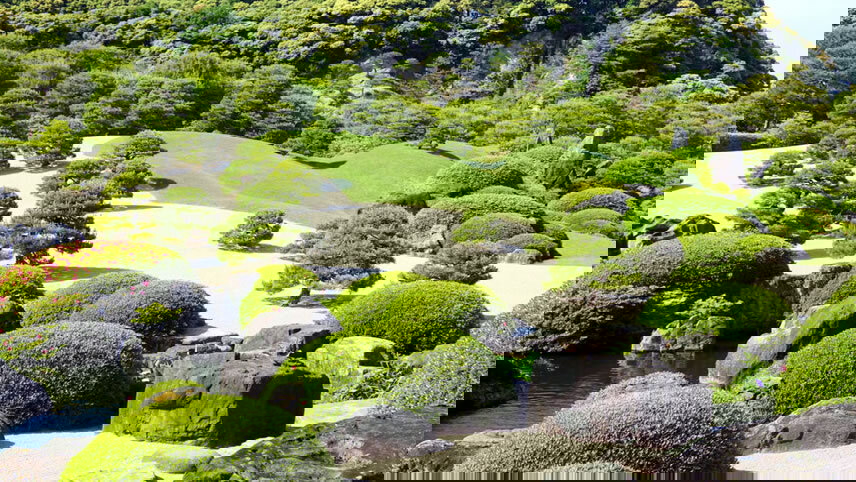
For culinary adventurers, the Sakaiminato Fish Market offers a fresh glimpse into Japan's vibrant seafood culture, with opportunities to savor local specialties like crab and squid. Nearby, the Adachi Museum of Art, famous for its stunning Japanese gardens and impressive collection of contemporary Japanese paintings, offers a serene retreat for art lovers
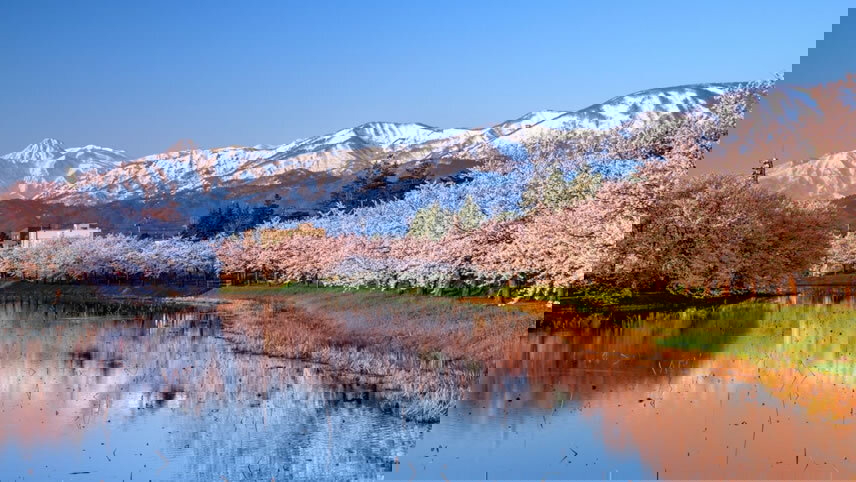
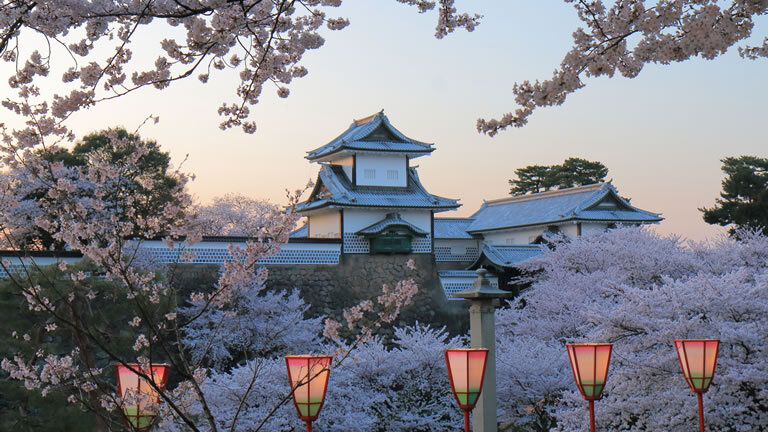
Head to Kanazawa and the Ishikawa Prefecture and you step back in time to the Edo Period (1603 to 1886), the height of samurai culture.
Because most of the original architecture is still preserved, you can expect an eclectic mix of samurai streets, teahouses graced by geisha, thought-provoking modern museums and delectable foodie trends (gold-leaf ice cream anyone?). The crowning jewel of Kanazawa is the sensational Kenrokuen Garden, where locals and tourists visit to soak up the ever-changing seasonal beauty.
Niigata, Japan, is known for its picturesque landscapes and rich cultural heritage. The Northern Culture Museum, a former wealthy landowner's estate, showcases traditional architecture and art. The beautiful gardens and tea houses provide a glimpse into Japan's historical opulence.
The Pier Bandai market offers the freshest seafood, with local vendors serving Niigata's renowned sushi and sashimi. Stroll along the Shinano River, Japan's longest river, to enjoy the serene views. The Bandai Bridge, a symbol of Niigata, provides a perfect photo opportunity and a peaceful walk.
With its apple orchards, cherry trees and backdrop of the Hakkoda Mountains, this city on the northern tip of Honshu island is a gateway to some of Japan’s most beautiful landscapes. About 30 miles south is UNESCO World Heritage Site Shirakami Sanchi, a mountainous area with the last of East Asia’ virgin beech forests. Walking trails here lead to waterfalls and lakes, and you may spot golden eagles, black woodpeckers, Japanese macaques and even shy black bears as you go. Some 40 miles southeast, deep-blue Lake Towada is serenely breathtaking and offers gentle activities from walking to canoeing and boat rides. The Aomori area also enjoys a vibrant contemporary arts scene, from the gleaming white Aomori Museum of Art, complete with a colossal dog statue by Yoshitomo Nara, to the Hirosaki Museum of Contemporary Art, strikingly set in a former brewery, and Towada Art Center with eye-popping sculpture.
A day at sea with Crystal can be as relaxed or as engaging as you wish. Begin with breakfast on your veranda, take a walk along the Promenade Deck or spend the morning by the Seahorse Pool before retreating to the Aurōra Spa & Salon for a restorative treatment. Enrichment is always close at hand, with lectures, bridge, creative workshops, dance classes, wellness sessions and opportunities to fine tune skills from photography to golf.
Dining is a highlight throughout the day, from relaxed bites by the pool to elegant dinners at venues such as Umi Uma by Nobu, Beefbar or Waterside. As evening arrives, enjoy live music, theatre entertainment, comedy, social gatherings, cocktails in the lounges or a quiet night in with 24-hour in-suite dining.
Tokyo, Japan's bustling capital, offers an eclectic mix of tradition and modernity. Begin your adventure with a visit to the Asakusa district, home to the ancient Senso-ji Temple, Tokyo's oldest and most significant temple. Nearby, Nakamise Street is perfect for souvenir shopping and sampling traditional snacks.
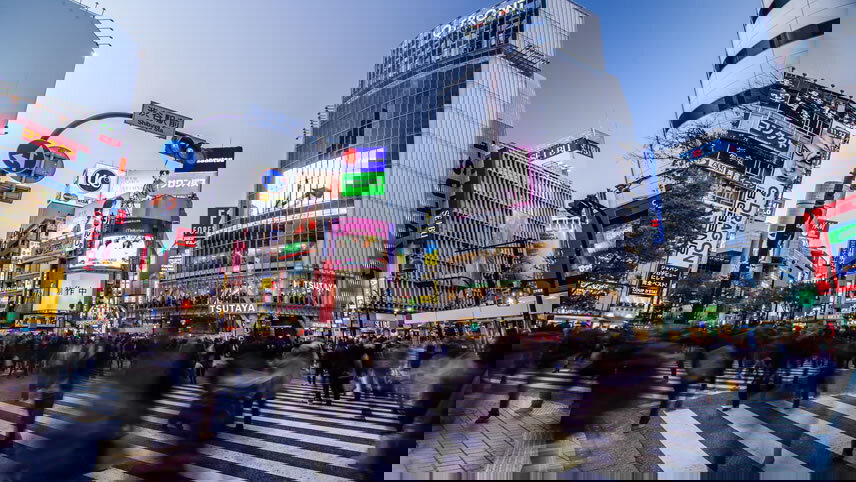
For a panoramic view of the city, head to the Tokyo Skytree, one of the world's tallest towers. Shibuya Crossing, one of the busiest pedestrian intersections, is a must-see for its sheer scale and energy. To experience tranquility, visit the serene Meiji Shrine, nestled in a lush forest in Shibuya. Don't miss trying Tokyo's renowned sushi at Tsukiji Outer Market or exploring the vibrant Harajuku district for trendy fashion and unique cafes.
Life On Board
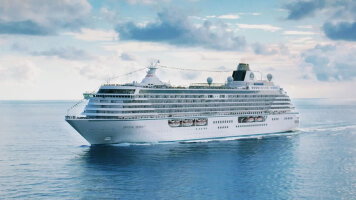
From sumptuous suites and public spaces to Crystal's multi‑award‑winning personalized service each aspect of your experience has been made with care at every step. Read more
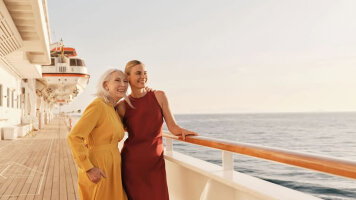
On Crystal ships, our all-inclusive program gives you the sense of freedom and peace of mind that comes from knowing we’ve taken care of everything. Read more
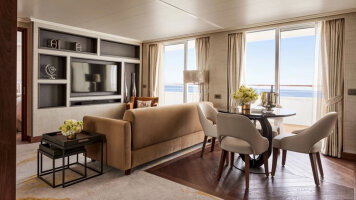
Time at sea should feel comfortable from your own suite as well as around the ship. Every suite has a private veranda, giving you the space to follow the horizon. Read more
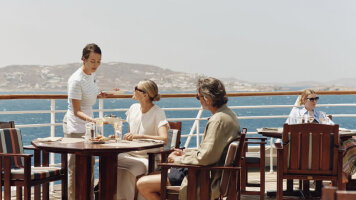
Crystal's award-winning cuisine is created and influenced by pioneers in the global food scene, with nine distinct complimentary venues to choose from. Read more
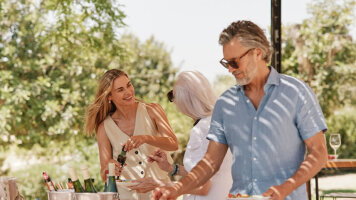
From themed experiences – cooking classes, flamenco dancing, and diving trips – to guided tours of historical sites, there’s something to suit all interests & fitness levels. Read more
Dates & Pricing
Cabin Layout Options:
Select Cabin Preference:
Tour & cruises prices are per person. Prices shown have savings applied, are subject to availability and may be withdrawn at any time without notice. Pricing and trip details are correct at this point in time, however are subject to confirmation at the time of booking and are subject to change by Crystal. For cruise itineraries, cabin images are sourced from the cruise-line and should be treated as indicative only. Cabin inclusions, upholsteries and room layout may differ to the image(s) shown depending on the ship selected and your sailing dates.