Overview


Ponant Explorers

184

118

2018

DRWDRW12
Itinerary
Australia's only tropical capital city, Darwin is rich in culture and ethnically diverse. While the Northern Territory boasts some of the most incredible wildlife on the planet, the city's museums celebrate the city's past and the galleries showcase the region's rich indigenous art. Ships will dock at Fort Hill Wharf.
Top Things to Do in Darwin:
- cruise the Darwin Harbour
- explore Litchfield or Kakadu National Park
- visit the Museum and Art Gallery of the Northern Territory
- take a Jumping Crocodile Cruise
- visit the Darwin Botanic Gardens
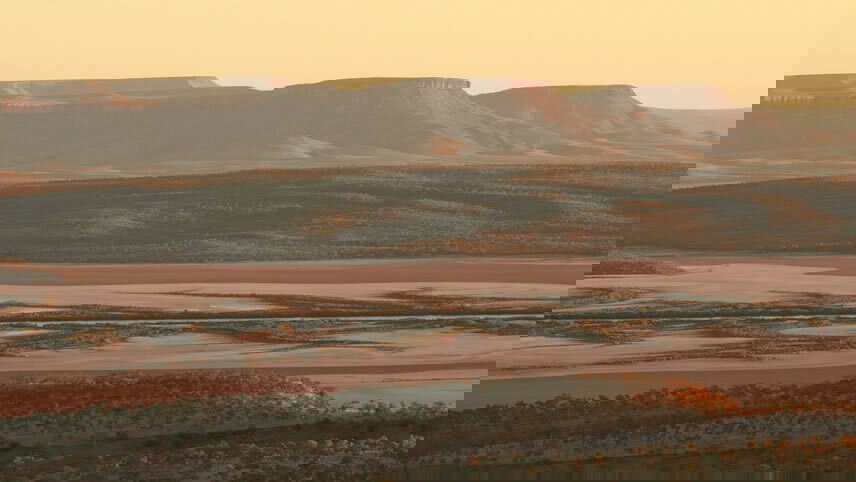
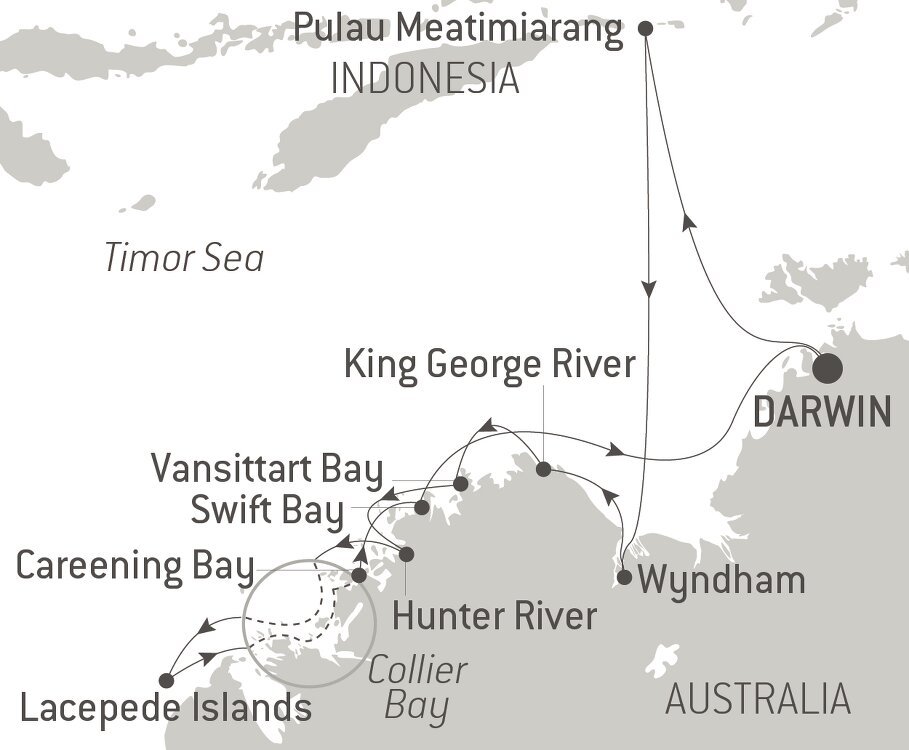
Wyndham, located in the remote Kimberley region of Western Australia, is the state’s northernmost town and a gateway to some of Australia's most rugged and spectacular landscapes. Known for its historic significance as a port town during the gold rush era, Wyndham offers visitors a unique blend of history and natural beauty.
The Five Rivers Lookout provides breathtaking views where five major rivers meet and flow into the Cambridge Gulf. The nearby Parry Lagoons Nature Reserve is a haven for birdwatchers, featuring an array of bird species and stunning wetland scenery. Additionally, the town's giant saltwater crocodile statue is an iconic landmark. With its rich history, dramatic landscapes, and abundant wildlife, Wyndham offers an authentic outback experience.
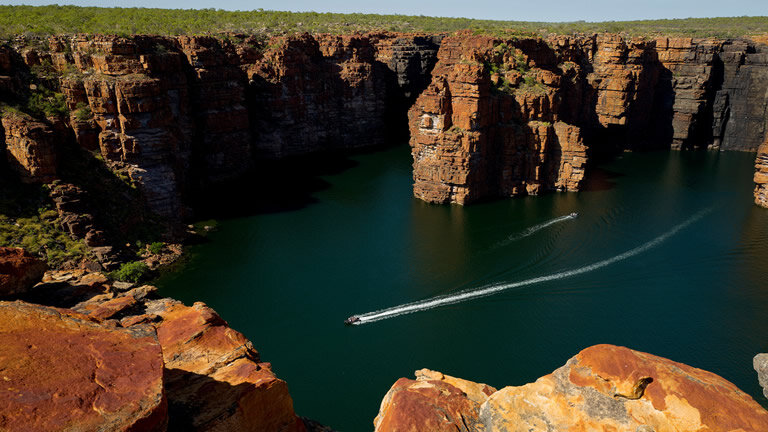
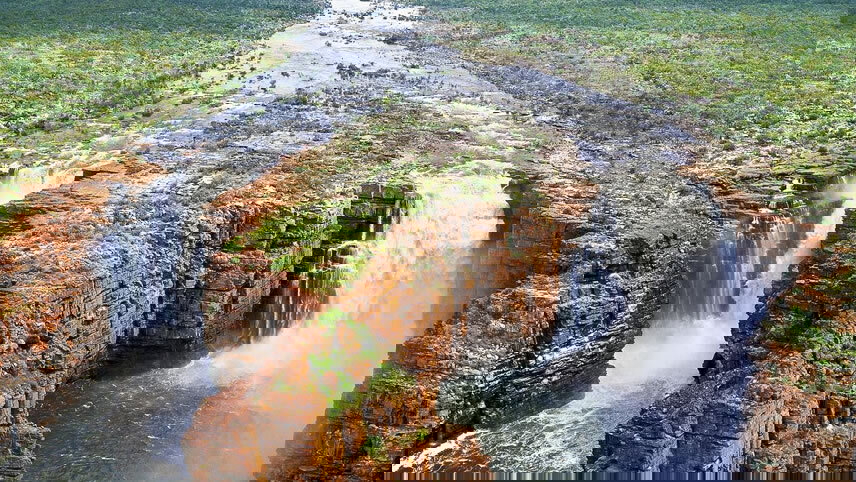
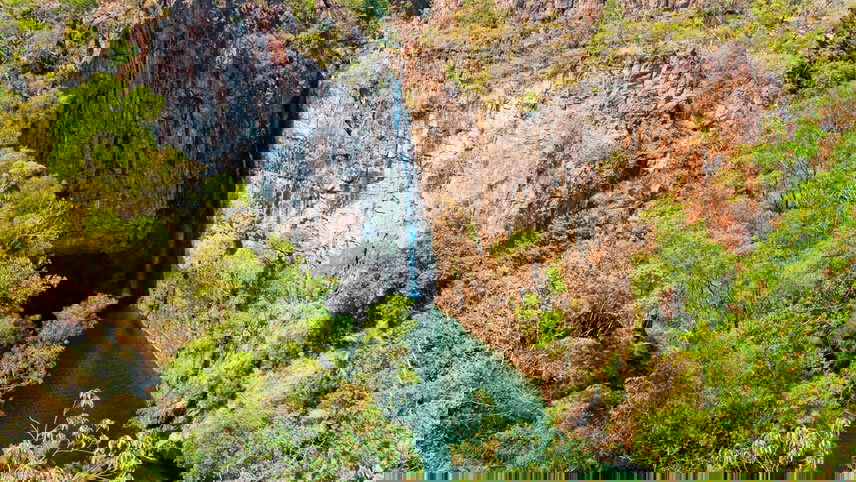
The King George River, located in the remote Kimberley region of Western Australia, is renowned for its dramatic landscapes and pristine wilderness. The river is famous for the towering King George Falls, one of Australia's tallest waterfalls, where twin cascades plunge 80 meters into a gorge. A boat tour or scenic flight offers breathtaking views of this natural spectacle.
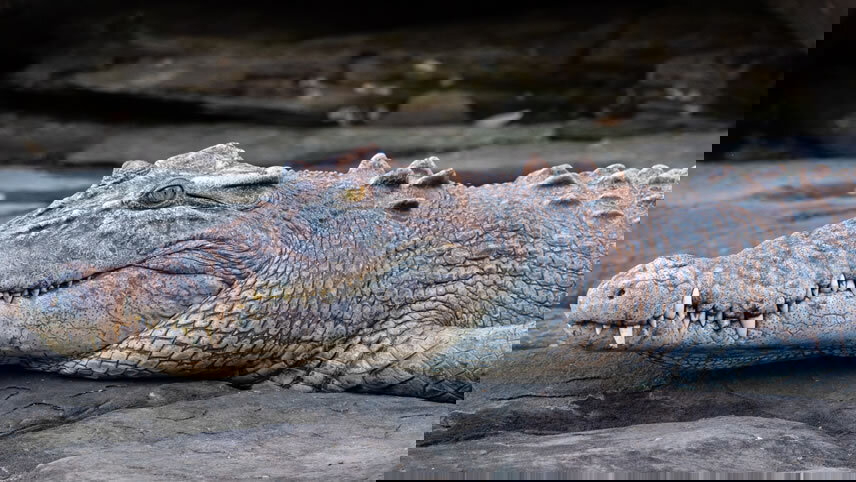
The river’s untouched environment is home to diverse wildlife, including saltwater crocodiles and numerous bird species. Exploring the river by boat allows visitors to appreciate the stunning red sandstone cliffs and lush vegetation.
Jar Island contains ancient rock art galleries depicting the Gwion Gwion style unique to the Kimberley region. Mainly neglected by, or unknown to, the early European researchers of Aboriginal culture in the Kimberley in favour of the dominant and more dramatic Wandjina art, Gwion Gwion art has in recent years gained world prominence.
It is generally thought that this art may extend back to over 30,000 years before our time and represents the first wave of seagoing colonisers of the Australian continent. As it is, these are the oldest detailed depiction of human figures in the world. Join your Expedition Team ashore for a short walk, past some fascinating rock formations, to the site of the Gwion Gwion art galleries.
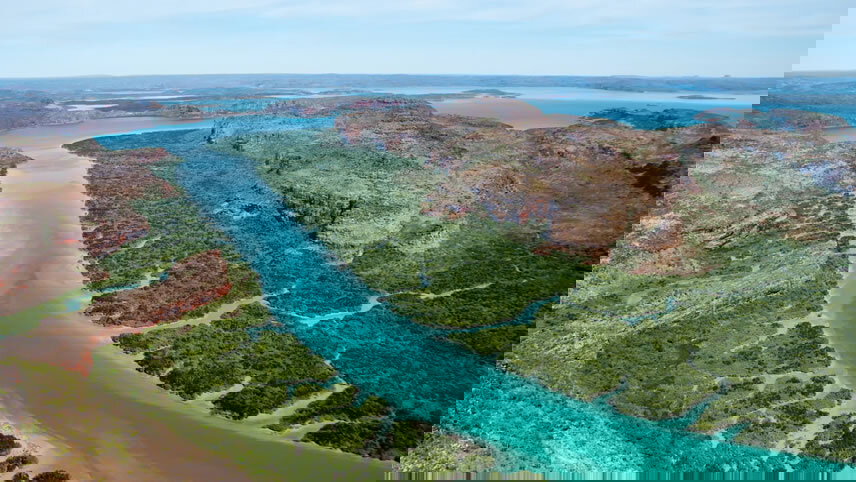
Arguably one of the most scenic parts of the Kimberley coast, Prince Frederick Harbour and the Hunter River are lined with ancient rainforest pockets, pristine mangroves and mosaic sandstone cliffs. They are considered to be some of the most pristine mangrove forests in the world, containing up to 18 different species, supporting a rich and diverse fauna.
The sandstone escarpment at the river mouth, known as "Kampamantiya" rises over 200 metres high before giving way to extensive mud banks and mangrove forests home to numerous bird species and the iconic saltwater crocodile. Our expert Expedition Team will share their knowledge with you as you explore this pristine mangrove environment by zodiac keeping a constant lookout for wildlife. You will also have the opportunity to reach the Mitchell Falls by helicopter from Naturalist Island beach.
Lying to the east of the Buccaneer archipelago, the ancient landscapes of Collier Bay have been shaped by the massive tidal movements the region is renowned for, creating a photographer’s paradise. With a tidal range exceeding 14 metres, recorded near Yule entrance at the southern end of the bay, they are among the largest in the world. This massive daily movement of water creates unique phenomena that occur nowhere else in the world.
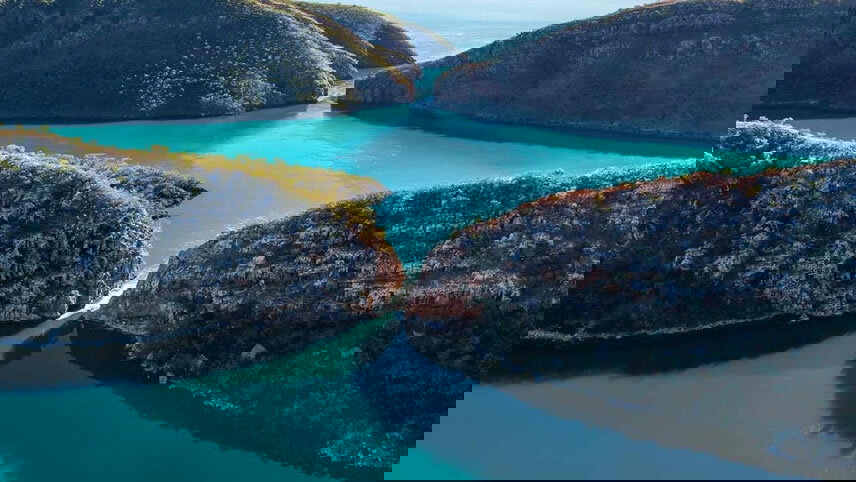
Nestled in the centre of the Bay is Montgomery Reef, the world’s largest inshore reef system. As the tide falls a raging torrent of water cascades off the top of the reef, creating turbulent ‘rivers’ and mini waterfalls. At the Southern end of the Bay, Talbot Bay is home to the world’s only ’Horizontal Falls’ described by Sir David Attenborough as “One of the greatest wonders of the natural world.” Hidden in the many caves and grottos of this ancient landscape are a multitude of ancient Rock Art galleries. Here you can find spectacular examples of the Wandjina and Gwion Gwion styles. As we are at the mercy of weather and tide conditions in this region, the activities mentioned above are only possible experiences and can’t be guaranteed.
The Lacepede Islands, located off the Kimberley coast of Western Australia, are a wildlife haven known for their rich marine and birdlife. This group of four low-lying islands is a crucial nesting site for green sea turtles and a breeding ground for numerous seabirds, including the brown booby and lesser frigatebird.
Accessible by boat, the islands offer exceptional opportunities for wildlife observation and photography. The surrounding waters are teeming with marine life, making snorkeling and diving popular activities. With their pristine natural environment and vibrant ecosystems, the Lacepede Islands provide a unique and memorable experience for nature enthusiasts visiting this remote part of Australia.
Collier Bay, located along the remote Kimberley coast of Western Australia, is a stunning natural harbor known for its dramatic tidal changes and pristine environment. This secluded bay offers a unique opportunity to witness the raw and rugged beauty of one of Australia's most untouched regions. The tidal movements here are so significant that they expose a vast network of mudflats, creating a dynamic landscape that changes dramatically throughout the day.
Visitors can explore ancient Aboriginal rock art sites that are scattered along the cliffs and hidden coves, providing a window into the region’s rich cultural history. The area is also a hotspot for fishing enthusiasts, with the waters teeming with a variety of fish species. Collier Bay's isolation makes it a perfect spot for those looking to escape into nature and experience the tranquility of the Australian wilderness.
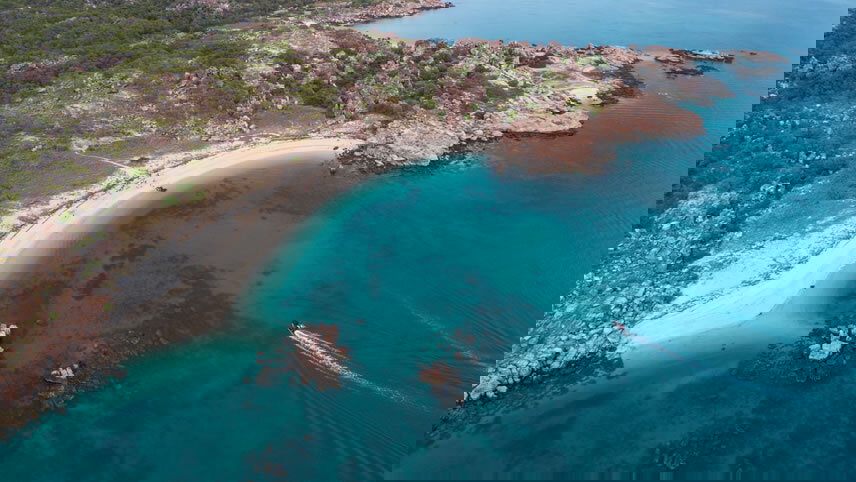
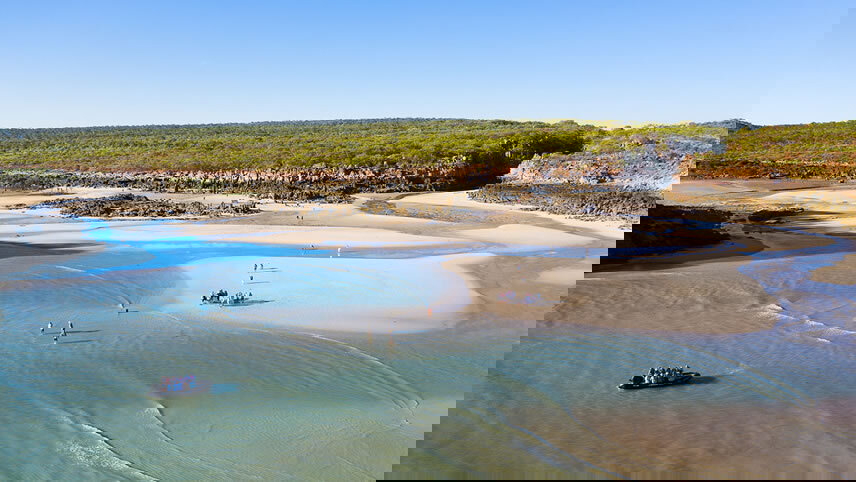
Careening Bay, located on the northern coast of Western Australia, is a historic and scenic site known for its connection to early maritime exploration. The bay is famous for the "Mermaid Tree," an ancient boab tree inscribed by the crew of the HMS Mermaid in 1820 during a repair stop. This living relic provides a fascinating glimpse into the region's nautical history.
The surrounding Kimberley coastline boasts rugged beauty, with dramatic cliffs, pristine beaches, and clear turquoise waters. It's an excellent spot for boating, fishing, and exploring tidal flats.
The Bonaparte Archipelago, is a stunningly rugged maze of islands stretching almost 150 km along Western Australia's remote Kimberley coast. Its colour and scale conspire to take ones’ breath away. Its distant location has meant it has remained an unspoilt and remarkably pristine location to explore and experience. Phillip Parker King named “Swift's Bay" after Jonathon Swift (1667-1745) the author of Gulliver’s travels.
The ‘T’ shaped bay is composed of heavily fractured sandstone providing an abundance of rock shelters. On the walls of these shelters are examples of both Wandjina and Gwion Gwion style rock art. Join your expedition team ashore for a guided walk to a number of rock art galleries depicting these unique rock art styles.
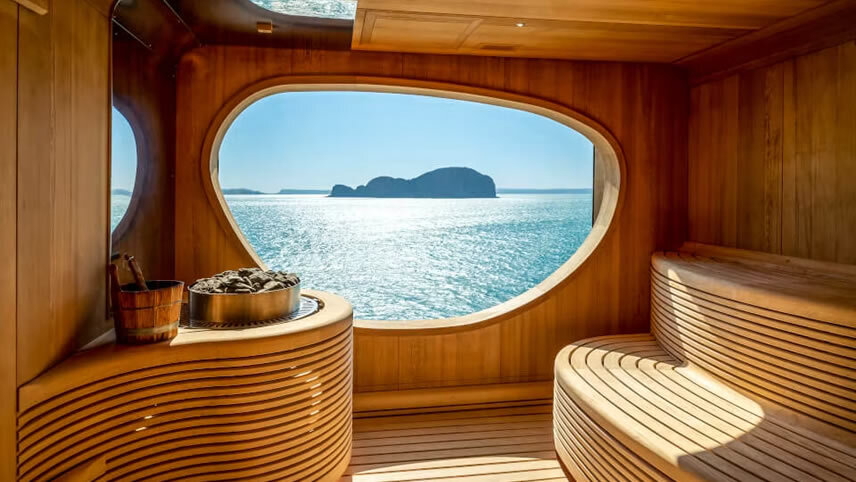
During your journey at sea, make the most of the many services and activities on board. Treat yourself to a moment of relaxation in the spa or stay in shape in the fitness centre. Depending on the season, let yourself be tempted by the swimming pool or a spot of sunbathing.
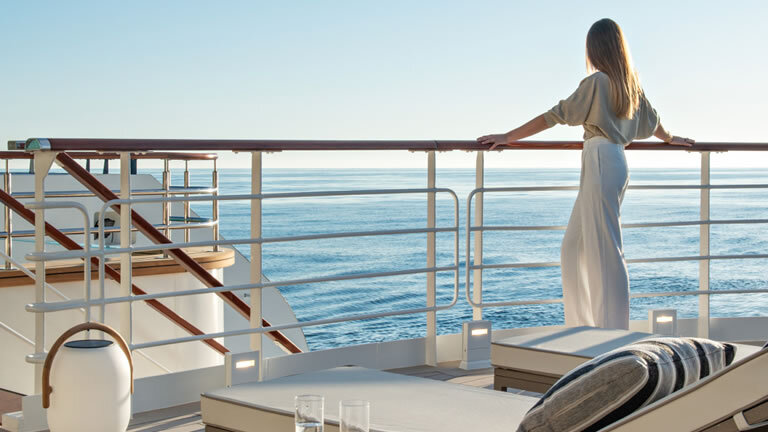
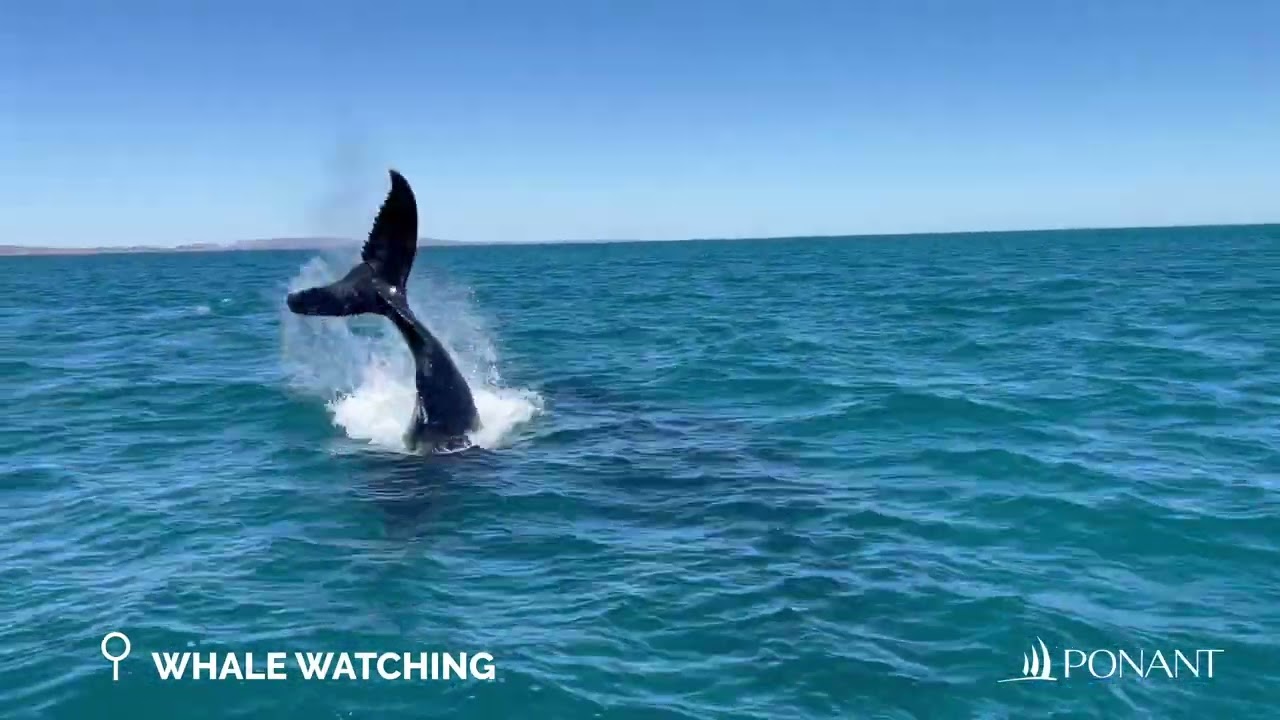
This journey without a port of call will also be an opportunity to enjoy the conferences or shows proposed on board, depending on the activities offered, or to do some shopping in the boutique or to meet the Ponant photographers in their dedicated space. As for lovers of the open sea, they will be able to visit the ship’s upper deck to admire the spectacle of the waves and perhaps be lucky enough to observe marine species. A truly enchanted interlude, combining comfort, rest and entertainment.
Australia's only tropical capital city, Darwin is rich in culture and ethnically diverse. While the Northern Territory boasts some of the most incredible wildlife on the planet, the city's museums celebrate the city's past and the galleries showcase the region's rich indigenous art. Ships will dock at Fort Hill Wharf.
Top Things to Do in Darwin:
- cruise the Darwin Harbour
- explore Litchfield or Kakadu National Park
- visit the Museum and Art Gallery of the Northern Territory
- take a Jumping Crocodile Cruise
- visit the Darwin Botanic Gardens
Life On Board

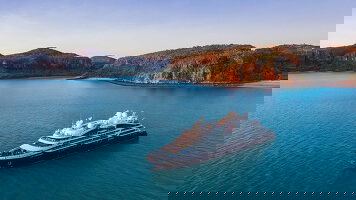
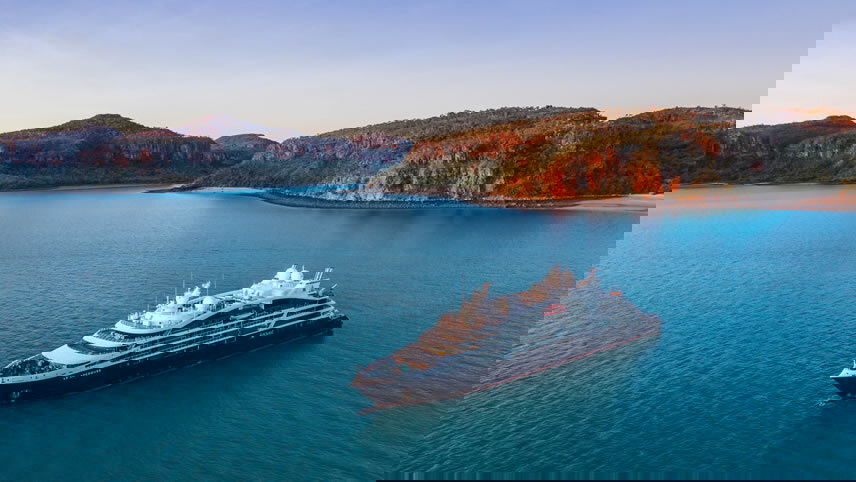
Named after the French explorer, Le Lapérouse offers luxury expeditions to the corners of the earth. Read more
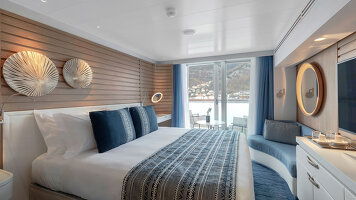
Enjoy 24 hour room service and luxury amenities in your ocean facing accommodation. Read more
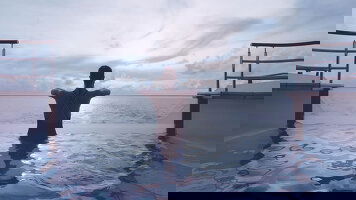
Watch the ocean pass by from the infinity pool and bask in warmth of the solarium. Read more
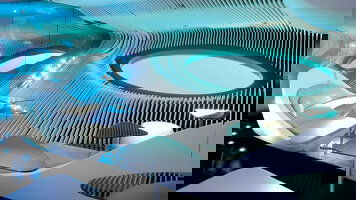
Have a multi-sensory experience as you sip a cocktail in the chic underwater lounge. Read more
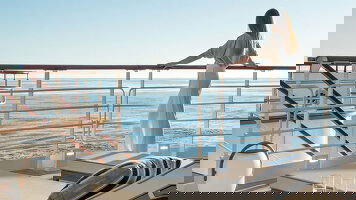
A sundeck on sea days or a water sports platform, the innovative marina adds more to life onboard. Read more
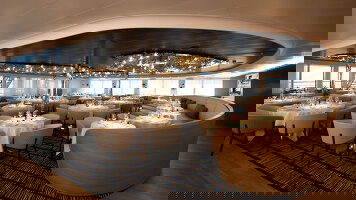
Dine inside or out in the main restaurant where French gastronomy and service will impress. Read more
Trip Reviews (2)
Food was of the highest standard an the open bar well read more stocked to meet all tastes. Don't worry too much about formal gear, a sports coat and a colourful dress are all that is required on the two gala nights. On the other nights, slacks and polo are fine.
We helicoptered to Mitchell Falls which again was expensive but well worth it. Forget about the Horizontal Falls boat ride. Those that went were very dissatisfied as the most exciting of the two Falls is now closed due to a boating accident. I've seen more challenging wave sets in Moreton Bay. Overall 11/10 from us and very highly recommended
Prices & Dates
There are currently no departures available on this cruise. Either it's the end of the season and new departures will be released shortly, or this itinerary has been changed and is not operating this season. Feel free to contact us for information about when next seasons dates will be released or click here to view general release dates for all destinations.
Tour & cruises prices are per person. Prices shown have savings applied, are subject to availability and may be withdrawn at any time without notice. Pricing and trip details are correct at this point in time, however are subject to confirmation at the time of booking and are subject to change by Ponant. For cruise itineraries, cabin images are sourced from the cruise-line and should be treated as indicative only. Cabin inclusions, upholsteries and room layout may differ to the image(s) shown depending on the ship selected and your sailing dates.