Overview


Viking Longship

190

50

2014

VKCVV-R
Itinerary
The second-largest city in Bavaria, Nuremberg is filled with traditional half-timbered houses and Gothic churches with intricate spires. Although nearly destroyed during World War II, the remaining medieval city walls stretch some three miles and feature original gateways and 80 original watchtowers. Nuremberg is well known historically for its metal and toy craftsmanship. But it is infamous for its role in World War II, first as the site of Zeppelin Field's Nazi rallies and later as the site of the war crimes trials at the Palace of Justice that captured the attention of a generation.
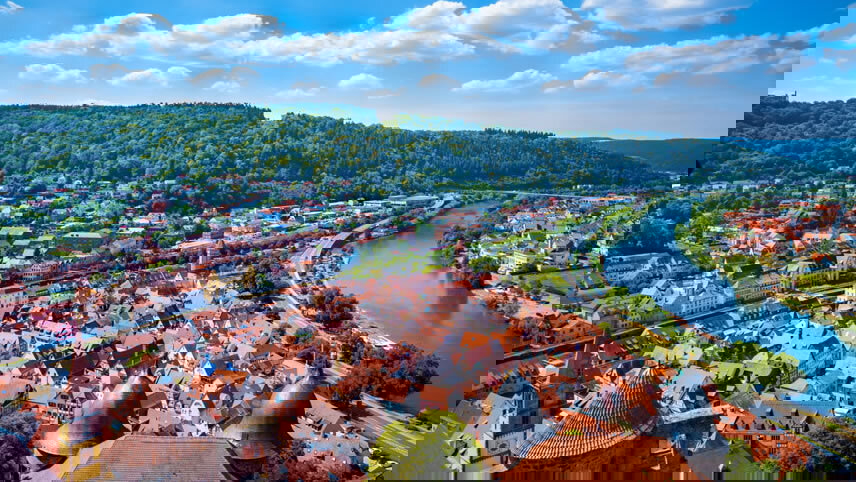
Founded in 902, Bamberg remains a medieval-looking city known for its symphony orchestra and rauchbier, specialty smoked beer. The city's winding streets are filled with baroque patrician houses and are home to the stunning 11th-century Cathedral of Holy Roman Emperor Heinrich II, housing his tomb and that of Pope Clement II. Bamberg is especially noted for its Altes Rathaus, or Old Town Hall, situated on a twin-arched bridge over the Regnitz River, and for the old bishop's houses: the 16th-century Alte Hofhaltung (Old Court) and 17th-century Neue Residenz (New Residence).
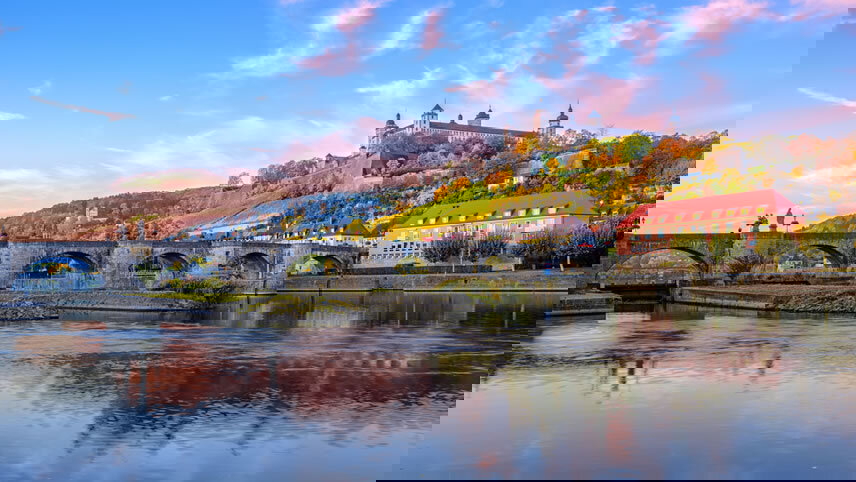
Surrounded by Franconian vineyards, Würzburg was heavily damaged during World War II, but has since been completely restored. This prestigious university city is a jewel of baroque architecture. Its most pristine example of pomp and glory is the great Bishops' Residenz palace, built in 1744 for the prince-bishop; his unwavering support of artists is evidenced by the sweeping staircase and magnificent ceiling frescoes by Tiepolo. Other landmarks include the medieval, statue-lined Old Main Bridge and Marienberg Fortress, originally a Celtic hill fort and later residence of the bishops. The city remains a major wine-making center, hosting Germany's oldest and largest vineyard.
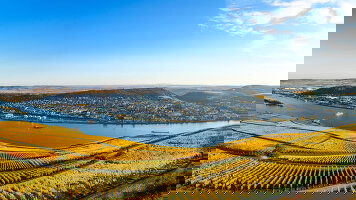
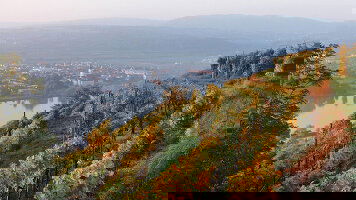
Journey along one of Germany's most important waterways today, passing landscapes that embody the country's scenic beauty and storybook charm. You will sail by quaint riverside villages, undulating farm country and the sylvan forests of the Spessart woodlands. Along the way, you just may lose yourself in the dreamy canvases of half-timbered houses, historic castles and splendid palaces. This is the Germany once ruled by dukes and brought to magical life by the imagination of the Brothers Grimm, who grew up in the town of Hanau and wove fantastic tales from these banks.
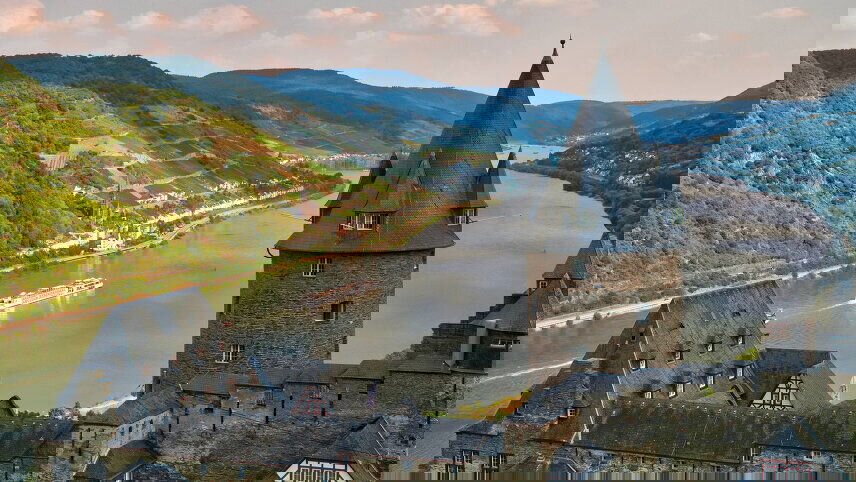
Koblenz is a traditional German city, founded more than 2,000 years ago. This former trading settlement rests on a massif of the Middle Rhine Highlands. Its cobblestone streets, wood-beamed houses adorned with flowers, ancient market square and medieval churches recall the fairy-tale Germany of old. At the German Corner, a massive equestrian statue of Prince William I observes the lovely riverside scene. The famed Teutonic Knights set up their first base here in 1216. The Romanesque Basilica of St. Castor, Koblenz's oldest building, dates to 836.
Cologne reveals its Roman heritage in its city layout and the ancient ruins that lie scattered through the town. Cologne's modern plazas and Hohe Strasse host welcoming shops, enticing restaurants and cologne boutiques. Of note is the city's 13th-century cathedral, a stunning example of Gothic artistry and a UNESCO World Heritage Site. Having survived Allied bombs during World War II, the cathedral's imposing twin spires are visible for miles and its stained glass windows fill the interior with brilliant colored light. Its steps lead to a platform with astounding views.
Kinderdijk is a village community in the Alblasserwaard province. This corner of South Holland, part of the scenic Waal and Merwede regions, has long been shaped by Rhine Delta waters. Kinderdijk is most known for its 19 remarkably preserved 18th-century windmills. The charming hamlet is located amid low-lying polders, tracts of land reclaimed from the sea by the power of the windmills and enclosed by embankments, or dikes. This legendary place calls to mind the 1865 novel Hans Brinker, in which a heroic boy plugs his finger into a ruptured dike.
Bid farewell to your fellow guests and journey home. Or spend more time exploring, perhaps joining one of our extensions.
Life On Board

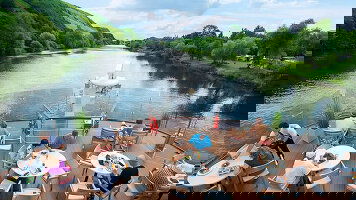
Our state-of-the-art ships take you right into the heart of each destination, and you won’t find any kids or ‘nickel and diming’ on board. In fact, our fares include everything you need - from meals, beverages and Wi-Fi to a culturally enriching shore excursion at every port of call. This unique combination of features has become affectionately known as ‘the Viking difference’.
Viking has 70 award-winning river ships sailing all over the world, and we can’t wait to welcome you on board to discover the Viking difference for yourself.
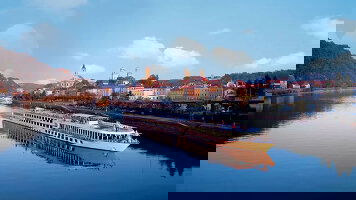
Viking's award-winning Longships® showcase innovative engineering, streamlined Scandinavian design and understated elegance. Read more
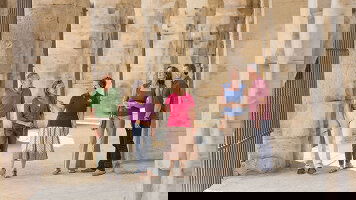
Every aspect of your Viking cruise is designed for the curious traveler seeking rich cultural immersion. Read more
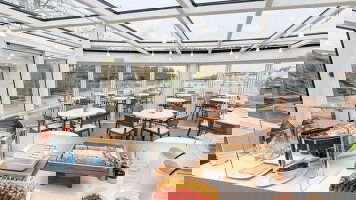
Elegant, light-filled ships thoughtfully designed to connect you to your destination. Read more
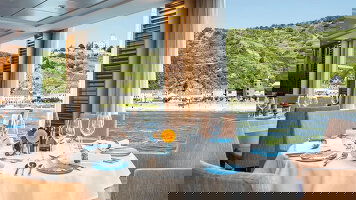
From relaxed, multi-course fine-dining to casual meals on the Aquavit Terrace. Read more
Viking proudly includes all that you need and nothing you do not and your river cruise fare. Read more
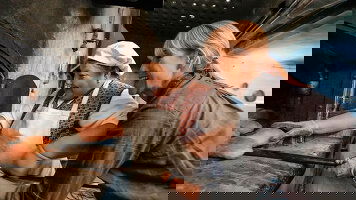
Viking offer behind-the-scenes insights and opportunities that set them apart from other travel companies. Read more

Download Brochure

Viking River Voyages (2026-28)
Prices & Dates
There are currently no departures available on this cruise. Either it's the end of the season and new departures will be released shortly, or this itinerary has been changed and is not operating this season. Feel free to contact us for information about when next seasons dates will be released or click here to view general release dates for all destinations.
Tour & cruises prices are per person. Prices shown have savings applied, are subject to availability and may be withdrawn at any time without notice. Pricing and trip details are correct at this point in time, however are subject to confirmation at the time of booking and are subject to change by Viking. For cruise itineraries, cabin images are sourced from the cruise-line and should be treated as indicative only. Cabin inclusions, upholsteries and room layout may differ to the image(s) shown depending on the ship selected and your sailing dates.
Similar River Cruises