Grand Africa to Asia Explorer
Overview


Itinerary
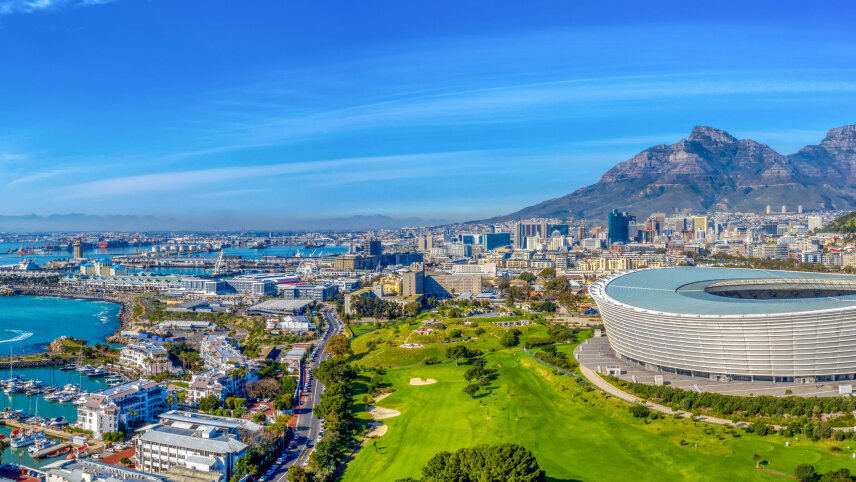
Embark your ship and settle into your stateroom. Cape Town enjoys one of the world's most picturesque settings at the foot of the iconic Table Mountain. The cosmopolitan city is the gateway to dramatic coastal splendor, a thriving wine country and a rich array of cultural venues that embody the spirit of the “Rainbow Nation.” The city's heritage took root in Company's Garden, where 17th-century European settlers grew food to stock ships rounding the cape. In and around the celebrated Victoria & Alfred Waterfront, historic architecture and delicious cuisine reflect an array of African, Dutch, English and Malay influences.
One of Cape Town's most colorful and fascinating districts, Bo-Kaap unfurls along the slopes of Signal Hill. This kaleidoscopic neighborhood of brightly hued houses lining cobblestone streets is home to the vibrant Cape Malay culture. The Asian flavor remains in sacred mosques, fragrant spice markets and delicious restaurants. The noontime cannon that booms from atop Signal Hill once helped sailors synchronize their watches, but today it ushers in the lunch hour, when the aromatic scent of Cape Malay cuisine fills the air as it drifts from local eateries.
Sail the calm waters of the Indian Ocean, used to transport gold, myrrh, pottery, grain, dates and countless other products for more than 7,000 years.
Previously called Port Elizabeth, the city's name was changed in 2021 to the Xhosa and Southern Khoe name for the Baakens River that flows through the city. Along with the surrounding towns and townships, Gqeberha forms part of Nelson Mandela Bay Municipality. Its urban coastline is dotted with picturesque, Blue Flag beaches which are popular hotspots for locals and visitors alike. In addition, the city serves as a gateway to the Eastern Cape's wildlife and great outdoors, including safari adventures to witness the “Big 5” game species.
Long before the Portuguese, the Greeks and Romans sailed the Indian Ocean to establish trade with southern India. The Tamils exported spices, silk and exotic animals, which can be seen in the mosaics of ancient Roman villas.
The largest city in South Africa's KwaZulu-Natal province, Durban's Zulu name translates into “bay.” Durban is graced with stately Victorian touches, from the old Town Hall to the tree-lined Esplanade. The waterfront promenade invites leisurely strolls kissed by Indian Ocean breezes. The Durban Botanic Gardens are Africa's oldest, founded by British colonialists in 1849 as an extension of England's Kew Gardens. Durban is home to the largest Indian population outside India, infusing the city with a rich Hindu spirit and curry aromas.
Sail the Indian Ocean, the 3rd largest in the world. It is almost six times the size of the United States, spanning more than 6,000 miles from Africa's southern tip to Australia's west coast.
Teeming with life, the Indian Ocean spans vast distances, harboring underwater mountains, warm currents and unique ecosystems.
Traverse the warm waters of the Indian Ocean and discover its biodiverse life that nurtures colorful coral reefs and ancient seamounts.
Zanzibar and its namesake archipelago are located off the coast of Tanzania. A beacon of Swahili culture, its history is marked by Persian settlers, Omani sultans and a pivotal role in the ivory and spice trades. The island's geography features the central ridge of Masingini and indigenous forests, home to the rare Zanzibar red colobus monkey. Zanzibar also is heavily invested in the Blue Economy, a holistic initiative encompassing a range of activities that balance economic development with the conservation of marine biodiversity.
Kenya's chief port and a coastal gem, Mombasa is a melting pot of traditions. Located on a coralline island and linked by a causeway to the African mainland, it boasts a rich tapestry of Middle Eastern and African cultures, having been a key Indian Ocean port since the 14th century. The narrow streets of Mombasa's old town are lined with ornately styled architecture and home to mosques, cathedrals and Hindu temples, while lateen-rigged dhows and small vessels anchor in its ancient port between trips to trade with the Arabian Peninsula, Persian Gulf and India.
Teeming with life, the Indian Ocean spans vast distances, harboring underwater mountains, warm currents and unique ecosystems. Meet fellow guests and listen to the soothing sounds of classical music in the Living Room, an ideal setting for relaxation. Enjoy a cup of coffee or sip on a refreshing cocktail.
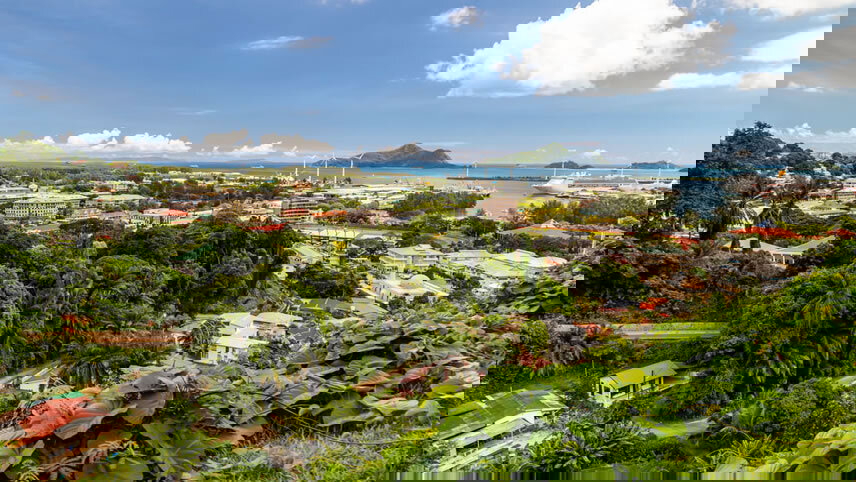
Victoria, the capital and largest city of the Seychelles archipelago, sits on the island of Mahé in the western Indian Ocean. Originally settled by French colonists and called L'Établissement, it was renamed after Queen Victoria during the early 19th century when it became a British colony. Exuding tropical charm, its landmarks include the Clock Tower, an iconic structure erected in 1903 to commemorate Queen Victoria's diamond jubilee. The Sir Selwyn Selwyn-Clarke Market, bustling with vibrant colors and flavors, showcases the island's abundance of spices, fruits and fish.
Traverse the warm waters of the Indian Ocean and discover its biodiverse life that nurtures colorful coral reefs and ancient seamounts. As you sail today, attend an informative lecture or watch a film in our state-of-the-art theater. A range of insightful TED Talks and destination-inspired seminars are offered daily.
Sail the azure waters between the island nations of Sri Lanka and the Maldives at the tip of India's southern point. The Laccadive Sea has been a thriving region for pearl fishing for thousands of years.
Brimming with old-world charm, Colombo is Sri Lanka's cultural epicenter. With its large harbor and strategic seaside location, Colombo quickly earned favor among ancient traders. The island was first colonized by the Portuguese, followed by the Dutch, then the English, who ruled until the country gained independence in 1948. Still today, evidence of all three nations is clear in the cuisine, language and architecture. Within the city's 19th-century fortress stands the neobaroque Old Parliament Building, and the city's streets carry the names of former British governors.
Traverse the Bay of Bengal, the world's largest bay and a vital trade route for global maritime commerce of goods such as textiles, petroleum and petrochemicals, minerals and agricultural and seafood products.
Langkawi is Malaysia's stunning archipelago of swaying coconut palms and island shores fringed by powder-sand beaches that lies some 30 miles from the country's northwestern coast. Langkawi's mangrove forest is renowned for its swamps, towering hills and varied wildlife, including otters and lizards, and macaques and tree crabs that can be seen hiding among the mangroves. Atop Mt. Machinchang, the Sky Bridge looms 2,300 feet above sea level, offering stunning vistas of Langkawi and its surrounding islands.
This narrow passage between Malaysia and the Indonesian island of Sumatra was a major route for early traders shipping glassware, precious stones, camphor, ivory and sandalwood. Today, it is one of the busiest shipping channels in the world, linking the Indian and Pacific Oceans. Along this historic waterway, the lush shores of Sumatra grace the horizon to the south, stretching out to lowlands, mangroves and swamps. The more urban skylines of Malaysia—George Town and Kuala Lumpur among them—shimmer in the distance to the north.
Singapore is the world's only island city-state. Established in 1819 for the East India Company by Sir Stamford Raffles, after whom the famed hotel is named, it grew from a secluded backwater into a shabby port city before transforming itself into a sophisticated metropolis. The technology and economy are highly advanced here, yet the islands host plentiful green parks with tree-lined footpaths and the stunning National Orchid Garden. For a panoramic view of it all, the observation deck of the Marina Bay Sands towers offers the perfect solution.
The South China Sea has been one of the world's major trade routes for centuries. Today, one-third of the world's maritime shipping passes through its waters, which are also rich fishing grounds and potential energy resources.
Sail the South China Sea; after the five oceans of the world, it is the world's largest body of water covering more than one million square miles.
Founded in 1571, Manila is one of the Philippines' oldest cities. Its storied history is evident in Intramuros, its walled old town—dominated by the formidable Fort Santiago, once the prison of Philippine national hero José Rizal, it reflects Manila's past as a seat of power for the Spanish Empire. Nearby, the UNESCO-listed San Agustin Church stands as an enduring symbol of resilience, one of few structures in Intramuros to survive centuries of seismic activity and wartime destruction entirely intact—today, it provides an authentic glimpse into Manila's early colonial era.
The Philippine Sea has been shaped by deep ocean trenches and major currents. Forming part of the western Pacific, it has long been central to navigation and regional exchange—Ferdinand Magellan was the first European to sail it in 1521.
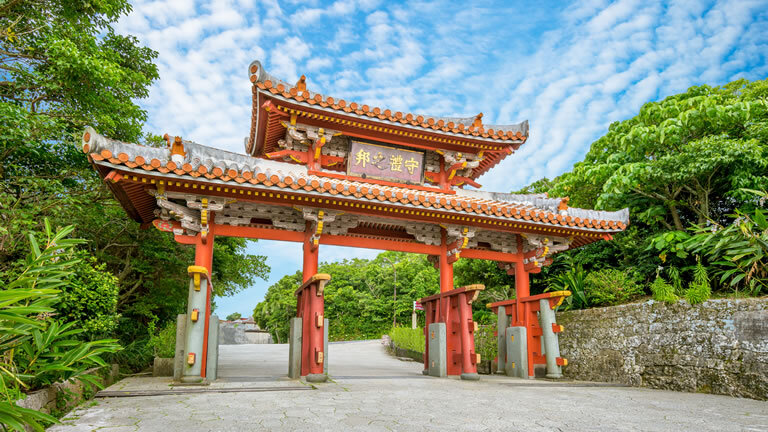
Okinawa is the largest island of Okinawa Prefecture, Japan's southernmost region, a chain that stretches hundreds of miles to Taiwan. In medieval times, the island's capital of Naha was the vibrant cultural center of the Ryukyu Kingdom. Its once-great power is reflected in the restored Shuri Castle, a UNESCO World Heritage Site. Okinawa is designated as a Blue Zone, home to one of the world's longest-lived people, the Ryukyuan. By some accounts, the island is home to three times as many centenarians per 100,000 people as Japan's mainland.
The East China Sea is a vital maritime route for international trade and fishing, connecting China, Japan and South Korea. Its history is entwined with regional cultural exchange, shaping the area's heritage and identity.
Sail Mar Pacífico, meaning “peaceful sea,” dubbed by Ferdinand Magellan when he crossed these waters almost 500 years ago.
Tokyo is a spellbinding blend of neon splendor and tranquil Shinto shrines, towering skyscrapers and meditative Zen gardens. Founded as the tiny fishing village of Edo, Tokyo's history was shaped by emperors and shoguns. As the Edo period progressed, it grew into one of the world's largest cities, as it remains today. Tokyoites embrace the traditional and the cosmopolitan here, both worshipping at the city's Asakusa Kannon Temple and frequenting the high-end retail stores of the Ginza district, all while the distant symmetrical cone of Mt. Fuji watches over the city.
Bid farewell to your fellow guests and journey home. Or spend more time exploring, perhaps joining one of our extensions.
Download Brochure

Viking Ocean Voyages (2026-28)
Dates & Pricing
Viking Explorer Society
GJ Loyalty Discount
Cabin Layout Options:
Select Cabin Preference:
Tour & cruises prices are per person. Prices shown have savings applied, are subject to availability and may be withdrawn at any time without notice. Pricing and trip details are correct at this point in time, however are subject to confirmation at the time of booking and are subject to change by Viking. For cruise itineraries, cabin images are sourced from the cruise-line and should be treated as indicative only. Cabin inclusions, upholsteries and room layout may differ to the image(s) shown depending on the ship selected and your sailing dates.