Canadian Discovery
Overview


Itinerary
Embark your ship and settle into your stateroom. Toronto is beloved by many as one of Canada's boldest and most innovative capitals. Hugging the shores of Lake Ontario and facing the picturesque Toronto Islands, it was founded by British loyalists fleeing the American Revolution in 1793. Today the city is a pleasure to explore on foot, whether strolling past the Victorian bay-and-gable homes of Rosedale, or the historic enclave of Wychwood Park, an Ontario Heritage Conservation district. The city's Distillery District is home to North America's largest preserved collection of Victorian industrial architecture.
Toronto is home to a wealth of diverse cultures that each bring their own customs, traditions and food to this cosmopolitan city. More than half of the population were born outside of Toronto and the city's districts represent all corners of the globe; Greektown, Little Italy, Koreatown and Chinatown offer a literal taste of the city's renowned ethnic communities. One of Toronto's historic treasures is St. Lawrence Market, which first operated here in 1803. Today, everything from fresh farmers produce to antiques grace the stalls of its vendors.
A brilliant feat of engineering, the St. Lawrence Seaway comprises a series of locks, canals and channels that allow ships and goods to travel from the Atlantic Ocean up the St. Lawrence River to Lake Superior. Seven locks point the way between Montreal and Lake Ontario, detouring past rapids and several dams. The 27-mile Welland Canal lifts ships over the Niagara Escarpment to Lake Erie, sidestepping Niagara Falls. The Canadian-and American-operated waterway is known locally as “Highway H2O” for the traffic and trade it allows.
Trois-Rivières is the cultural center of Quebec's Maurice region. This picturesque city was established in 1634, the second—after Quebec City, in 1608—to be permanently settled in New France. With its strategic location, it played an important role as all eyes looked west to trade fur with the First Nations peoples. “Three Rivers,” the city's anglicized name, is located at the point where two islands in the Saint-Maurice River break the waterway into three channels before it spills into the St. Lawrence. Today, stately century-old buildings form the core of the Old Town.
Quebec City is by many accounts the most French city in New France. The Old Town's centerpiece, the magnificent Château Frontenac, seems transported from the palatial landscapes of the Loire Valley, and its French-accented streets lead past white-stone buildings that evoke old-world medieval villages. The only remaining walled city in North America outside of Mexico, Quebec City was fortified in the 17th century soon after its founding in 1608. Its strategic setting on the rocky promontory of Cape Diamond gave troops a close view of the St. Lawrence.
Tadoussac is a small village in the Côte-Nord that sits at the confluence of the St. Lawrence River and the Saguenay Fjord. Established as an important trading post by French explorers in 1599, Tadoussac still retains its rural charms to this day. Surrounded by the rugged natural beauty of the fjord, it is close to several natural and provincial parks, as well as Canada's first maritime national park. A dozen whale species, such as minke, humpback, fins and blue whales, frequent the waters of Tadoussac Bay during the summer months, while beluga whales live here year-round.
Havre-Saint-Pierre is located on the northern shore of the Gulf of St. Lawrence, north of the Anticosti Island. Settled by fishermen from the Magdalen Islands in 1857, residents refer to themselves as Cayens and proudly celebrate their Acadian heritage. Historically focused on fishing and lumber, today the village serves as a transit port for ore brought from the mines of Lac Allard. Nestled among the stunning landscapes of the Canadian Shield, this region is a renowned for its diverse flora and fauna, as well as its mysterious, weather-eroded “monoliths.”
Originally founded as a place for English fishermen to spend their winter, today Woody Point is a town known for its abundance of natural beauty, including Bonne Bay, Newfoundland's only fjord, the Tablelands and Gros Morne National Park, a UNESCO World Heritage Site. These geological wonders can also be appreciated in the town's Discovery Centre, which has exhibits dedicated to the geological formations, flora and fauna of this stunning area. The town itself is not to be missed, boasting historic homes and a stately lighthouse that recalls its maritime heritage.
The largest city on Cape Breton Island, Sydney is located along the southeastern arm of Sydney Harbour, at the mouth of its eponymous river. Founded in 1785 by the British and loyalists fleeing from the US following the American Revolution, Sydney was the capital of the island until 1820, when the colony of Cape Breton merged with Nova Scotia. The region's coal mines drew many immigrants during the 19th century; by the early 20th century, Sydney had also become one of the world's largest steel producing centers. Today, it is Nova Scotia's second largest industrial complex.
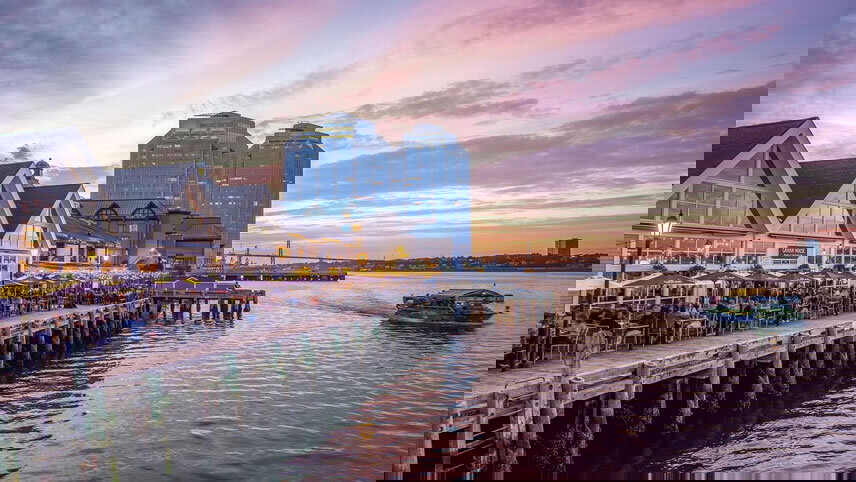
Halifax exudes a fine European air and lies along the edge of the Atlantic Ocean. Visitors by sea are greeted by the 1758 Sambro Island Lighthouse, the oldest surviving beacon in North America. In the harborside Historic Properties district, grand and charming stone buildings built in the 18th and 19th centuries grace the cobblestone streets. The city grew up around Citadel Hill, where Fort George protected the harbor. The fortress, along with the adjacent stately Halifax Town Clock, has been gloriously restored and preserved.
Halifax exists because of its harbor, one of the deepest in the world. First settled by the British in 1749, Halifax is unlike other coastal colonial towns as it did not rely on fishing to sustain itself. Instead, it found its foothold in naval pursuits. It served as a military base for the British after the American Revolution and as Canada's main wartime port during World War II, when military personnel and foreign nationals transformed the city. Their stories can be seen today at the Museum of Immigration at Pier 21, where they would have first set foot in Halifax.
Sail the Atlantic Ocean, divided in half, north to south, by the Mid-Atlantic Ridge. Longer than the Rockies, the Himalayas and the Andes combined, this underwater mountain range is the longest on Earth.
Bid farewell to your fellow guests and journey home. Or spend more time exploring, perhaps joining one of our extensions.
Life On Board
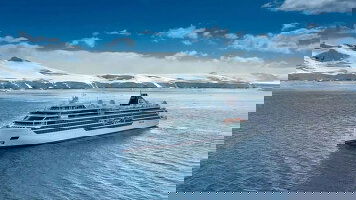
Launched in 2022, the Viking Polaris is Vikings' newest expedition ship, part of a fleet of award winning, state of the art ships built for exploration in sensitive environments. Read more
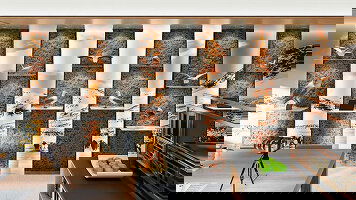
Viking are destination experts. With no casinos or children on board, you can be assured that the focus is firmly on enrichment and education. Read more
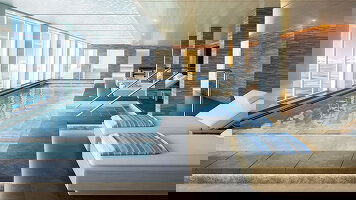
After a day of exploration or just to enhance the relaxation of a day at sea, the on-board Spa will leave you feeling recharged and revitalized. Read more
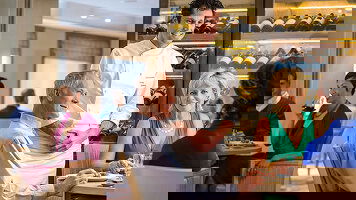
Viking offer six on board dining options. Beer, wine and soft drinks are available with lunch and dinner at no additional charge of fee. Read more
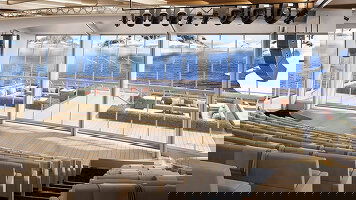
Viking proudly includes all that you need and nothing you do not. A variety of features and services are standard inclusions on your cruise. Read more
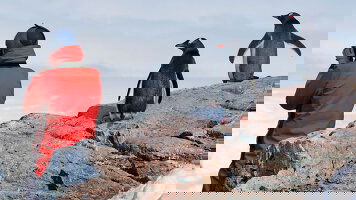
Viking include one complimentary shore excursion in every port of call. Enjoy included experiences around the world. Read more

Download Brochure
Viking Expeditions (2025-27)
Dates & Pricing
Viking Explorer Society
GJ Loyalty Discount
Cabin Layout Options:
Select Cabin Preference:
Tour & cruises prices are per person. Prices shown have savings applied, are subject to availability and may be withdrawn at any time without notice. Pricing and trip details are correct at this point in time, however are subject to confirmation at the time of booking and are subject to change by Viking. For cruise itineraries, cabin images are sourced from the cruise-line and should be treated as indicative only. Cabin inclusions, upholsteries and room layout may differ to the image(s) shown depending on the ship selected and your sailing dates.
Similar Cruises