North Philippines Explorer





Itinerary
Our tour starts today in Manilla, the bustling capital of the Philippines. Once known as the 'Pearl of the Orient', Manila was occupied by the Spanish in the 16th century as part of their growing empire. It went on to witness Chinese insurrections, a British occupation, a war against the Spanish and the Americans, and some of the bitterest fighting of World War II. Today, it's one of the most populated cities in the world. For those arriving on time, our tour leader plans to meet you in the hotel reception at 6pm for a welcome meeting, followed by dinner on the roof of a hotel in Intramuros for those who wish to join. There are no other activities planned today, so you're free to arrive in Manila at any time. If you'd like an airport transfer today, you'll need to arrive into Ninoy Aquino International Airport (MNL), which is a one-hour drive from our hotel. If you miss the welcome meeting, our tour leader will catch you up as soon as possible - you can meet them in the hotel lobby on the morning of day 2. If your flight arrives earlier in the day, you might like to visit the National Museum of the Philippines Complex, which houses the Fine Arts Museum, Natural History Museum and Anthropology Museum. It's less than a 20-minute walk from the hotel, and admission is free. Alternatively, you may want to visit Casa Manila in Intramuros - a faithful reconstruction of a Spanish colonial-era mansion.
This morning, we'll set out on a guided sightseeing tour of Manila. We'll begin at Rizal Park before exploring the historic walled city of Intramuros, where we'll visit Fort Santiago and see landmarks including San Agustin Church, Parian Gate, Puerta Real and the Japanese Cannon. Before leaving Intramuros, we'll enjoy a local ice cream treat. We'll then continue to Binondo, Manila's vibrant Chinatown and one of the oldest in the world. As we wander through its narrow alleys and bustling streets, we'll discover a fascinating mix of cultures and traditions. Highlights include Binondo Church, Santa Cruz Church, and views of the historic Regina and Perez-Samanillo buildings, reminders of Manila's rich architectural heritage. This afternoon is free for you to explore more at your own pace. You can either meet our bus to return to the hotel or stay in Chinatown for lunch. There will be an optional bamboo bike tour of Intramuros for those interested, too.
After breakfast this morning, we'll take a short flight to Laoag. On arrival, we'll meet our local guide who will accompany us during the next four days. We'll start with an excursion to the Malacañang of the North, the erstwhile residence of the former dictator Ferdinand Marcos, now turned into a museum overlooking Paoay Lake. We'll also visit the Baroque 18th century UNESCO Paoay Church, otherwise known as the Church of Saint Augustine - famous for its unusual architecture and bell tower built with coral stones. The church's architectural style is the perfect blend of Asian temple and Western church. After our visit, we'll take a walk across the La Paz dunes of Luzon, with the option to sandboard across the sprawling dunes (time permitting). For dinner, we'll sample Ilocos empanada, a speciality of the Ilocos Region. These crispy deep-fried pastries are traditionally filled with green papaya, mung beans and egg, offering a delicious introduction to one of northern Luzon's most iconic street foods.
After an early breakfast, we'll drive north-east along the coast to a small village, where we'll begin a gentle walk through the countryside to Kabigan Falls. Accompanied by a local guide, we'll follow trails through rice paddies and forest, learning about the area's flora and fauna along the way. On arrival at the falls, there will be an opportunity for a refreshing swim, so don't forget your swimming costume. Should conditions prevent us from visiting Kabigan Falls, we'll instead visit the scenic Tanap-Avis viewpoint. We'll then continue to the coastal town of Pagudpud for lunch, followed by time to relax on the beach or enjoy a swim in the clear waters. Later this afternoon, we'll return towards Laoag, stopping en route at Kapurpurawan to admire its striking white rock formations, sculpted over centuries by wind and waves. We'll also visit Cape Bojeador Lighthouse in Burgos, the highest-elevation lighthouse dating from the Spanish colonial era and one of the region's most recognisable landmarks. Back in Laoag, we'll take a short walk through the city's historic centre, including the main plaza, where Spanish colonial architecture and civic buildings offer a glimpse into the region's past. There may also be an opportunity to visit Laoag's recently opened museum before returning to the hotel. Overall driving time: approx. 5 hours.
This morning, we'll drive south to the charming town of Vigan. One of the few Hispanic towns left in the Philippines. Vigan's historic heart was inscribed on the UNESCO World Heritage list in 1999. The best-preserved example of a Spanish colonial town in Asia, it's home to cobbled streets, colonial villas and the imposing grandeur of a 16th-century cathedral. This afternoon is free for you to relax or head out and get a feel of the city ahead of our full day's sightseeing tomorrow.
This morning, we'll explore the UNESCO-listed city of Vigan by kalesa, a traditional horse-drawn carriage that remains an iconic part of local life. As we travel through the historic streets, we'll admire the city's remarkably well-preserved ancestral houses, built from wood, stone, capiz shells and terracotta. Highlights include the Syquia Mansion, once home to a former Philippine president, as well as visits to the Padre Burgos Museum and the Old Carcel Museum, both part of the National Museum Ilocos Regional Museum Complex. We'll also stop at St Paul's Cathedral and nearby Plaza Salcedo before visiting Bantay Church and its historic bell tower, important landmarks in the region's religious and colonial heritage. Later, we'll head to a traditional burnayan pottery workshop, where we'll learn about an ancient craft dating back to pre-colonial times. We'll watch skilled potters shape clay by hand, see the impressive dragon kiln and, for those who wish, try their hand at pottery making. We'll also visit a local weaving workshop to discover how Abel Iloco textiles are produced using traditional looms, with an opportunity to browse and purchase locally made handicrafts. Around lunchtime, we'll visit the community-run Caoayan Pinakbet Farm on the outskirts of Vigan. Set beside the river amid fertile farmland, this project offers an insight into rural Ilocano life. Here, we'll watch a demonstration of how pinakbet, the region's signature vegetable dish, is prepared before having the opportunity to enjoy a freshly cooked lunch featuring local specialities such as grilled pork belly, chicken and farm-raised tilapia. A small musical and cultural performance by members of the community adds to the experience. Lunch is not included, giving you the flexibility to choose whether to take part in this authentic farm-to-table experience. We'll return to Vigan in the afternoon.
After an early breakfast, we'll drive to Sagada, arriving in the early afternoon. We'll visit nearby Echo Valley to see the mysterious hanging coffins and Lumiang cave, a burial cave. The indigenous population have been burying their dead in coffins perched high on cliff faces for over 2,000 years. No one knows exactly why this practice started but it's believed to both keep the preserved bodies safe from wild animals and take them one step closer to heaven. Overall driving time: approx. 6 hours. Please be informed that these sites may occasionally close at short notice due to local burial ceremonies and other cultural practices. As these are sacred sites for the local community, such closures may be announced with little or no advance notice. Whenever possible, we will reschedule the visit or make the necessary adjustments to the itinerary. However, if rescheduling is not feasible due to time constraints or operational considerations, guests may unfortunately miss the opportunity to visit these attractions. We appreciate your understanding; these closures are beyond our control and respecting the local community's cultural traditions remains our priority.
We'll leave Sagada behind us this morning and drive to the municipality of Bontoc, a bustling market town and the former capital of the Cordillera region. We'll visit the town's small but excellent museum that features several exhibits about the region's indigenous communities. From here, we'll jump into local Jeepneys to drive up the steep roads to start our walk along lesser-known Maligcong rice terraces (on mostly flat terrain) leading to Favarey village where the 'dead live with the living'. Here, village folk are buried in their backyard, a contrast to the hanging coffins and the burial caves we visited in Sagada. We'll take the chance to meet locals - interestingly most of the elderly have their bodies covered in traditional, intricate tattoos. On our hike back, we'll stop at a typical rice storage hut. The total walking time is around 2 hours along a relatively easy flat terrain. Overall driving time: approx. 4 hours.
We bid farewell to Sagada this morning and have a scenic drive to Banaue, a gateway to other tribal groups in remote villages in the Cordillera and renowned for its spectacular terraces. Carved into the mountains of Ifugao province, the centuries-old rice terraces that occupy these high, fertile landscapes are considered by Filipinos to be the Eighth Wonder of the World. The Banaue rice terraces are recognised as a national cultural treasure along with the rice terraces that are found in Mayoyao, Batad, Bangaan, Kiangan and Hungduan. Nowadays some of these are being abandoned due to modern life and younger villages looking for opportunities in the cities. Upon arrival we will drop our main bags at the hotel and then once again hop in a local jeepney (the roads are too steep and narrow for our tour bus) and head to Bangaan, a village surrounded by rice terraces. It is a steep walk down to the village, mainly on compacted earth or concrete steps, that should take around 30 minutes (but longer on the way back up!). We'll meet Ifugao, the indigenous people of the province and examine the unique characteristics of a bale - a traditional house with an architecture that fits the needs of the family. After stopping for lunch, we'll drive to Sadel, the starting point of our visit to Batad village and surrounding terraces. The trail takes us along rice terraces and viewpoints overlooking the terraces and our total walking time for the Batad visit is around 3 hours. From here, the view is almost completely panoramic and some describe it as looking down onto an ancient amphitheatre. Activities may include local interactions, rice pounding demonstration, rice wine tasting and a visit to a traditional Ifugao house. Finally we drive to back to our hotel and check in for the evening. Overall driving time: approx. 4 to 4.5 hours. Our total walking time is approximately 4 to 5 hours. Please be aware that due to high demand in Banaue, we may occasionally be accommodated at a much simpler family-run hotel. Should this happen, a complimentary dinner will be included as a gesture of goodwill.
We have a reasonably early start this morning as we set off on our full-day drive to Mabalacat, our base for climbing Mount Pinatubo tomorrow morning. We will make a stop at a restaurant along the way for lunch, but essentially today is a travel day. Located in the mountains that separate the central plains from the west coast of Luzon Island, Mount Pinatubo volcano was the scene of the second largest terrestrial eruption of the 20th century when, on June 15, 1991, it erupted with an intensity that was ten times that of the Mount St Helens volcano, a decade earlier. On arrival in Mabalacat in the late afternoon, we'll have the opportunity to rest in tranquil rural surroundings. This will be our base for the next two nights. Overall driving time: approx. 7 to 8 hours.
This morning, we'll leave very early around 5am (with a boxed breakfast) for the drive to Santa Juliana station, where we'll switch to 4x4 jeepneys for the drive to the foot of the trailhead, from where we'll trek to the volcano's crater - a relatively easy walk of around two hours each way. From March to May, there might be erosion of the path due to rainfall which will make the jeepney drive longer and the trek shorter. Please note, there are several stream crossings in ankle-deep water on this trek, so please be prepared for your footwear to get wet. After a lunch break, we'll return to our hotel, arriving mid to late afternoon. Our total walking time is approximately four hours. Please note that access to Mt. Pinatubo may occasionally be restricted due to government activities. This is a strategic location due to its proximity to the contested South China Sea and our permits can be denied for reasons that are not divulged. In which case we will visit Inararo Avatar Gorge instead, with a slightly more relaxed start time. This would involve a one hour drive to meet our 4x4s for an off road drive through volcanic terrain. Once in the gorge there is a guided exploration involving approximately 500 metres of walking, photography opportunities and exploring the rock formations.
This morning we visit the Pampanga area, which was formed in the aftermath of Mount Pinatubo’s historic 1991 eruption and is now a popular wellness and adventure destination, around a 45-minute drive away. It is managed in partnership with the local indigenous Aeta community. We will then once again switch to 4x4s for an off-road drive through the volcanic lahar canyon and shallow streams before exploring this terrain some more on foot. We will visit the spa area with natural hot springs, sand baths and mud pack treatments. After having an early lunch here, we complete the final leg of our journey back to Manila. For our second stay in the city, we are located in the modern financial and business district of Makati – a smart neighbourhood with great dining and shopping. As well as offering a different view of the mega-city of Manila, it is closer to the airport. Later this evening after some free time your Tour Leader will arrange a farewell dinner. Overall driving time: approx. 3 to 4 hours.
The trip ends after breakfast at our hotel in Manila. There are no activities planned today, so you're free to depart from Manila at any time. If your flight is departing later in the day, luggage storage facilities are available at our hotel. If you'd like an airport transfer today, you'll need to depart from Ninoy Aquino International Airport (MNL), which is a 30-minute drive from our hotel.
Trip Inclusions
- Banaue rice terraces - Explore the UNESCO-listed, 2,000-year-old rice terraces built by the Ifugao people. Sagada - See the mysterious burial caves and ancient hanging coffins in Sagada and learn about the local traditions. Vigan - Discover a slice of Spain in the Philippines and take a kalesa (horse-drawn carriage) through Vigan's colonial streets.
- Moderate pace tours are ideal if you want a holiday which combines exciting activities and experiences with plenty of time to relax and unwind. Typically you'll be active and busy for part of the day but then also have time to rest and recharge your batteries.
- Accommodation, itinerary and inclusions subject to change.
- Price is for land, cruise and internal flights as specified. Flights not specified are not included
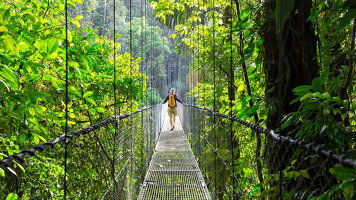
Launching in 1981, Explore Worldwide offer trips from over 130 countries - from classic small group tours. Read more
Explore's leaders are more than just your typical guide. They're your local expert are are passionate about sharing their expertise with you. Read more
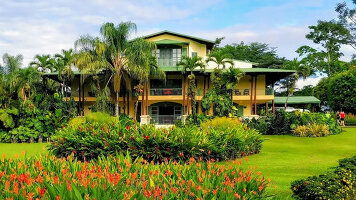
The places Explore stay are every bit as important as the sights they visit and the things you do. Read more

Download Brochure

Explore Small Group Adventures (2026-27)
Dates & Pricing
A definite departure means minimum numbers have been reached for this departure to operate. Your Global Journeys Travel Advisor will check the availability of your departure date when you Enquire. Additional savings may apply. T&C’s apply.
Tour & cruises prices are per person. Prices shown have savings applied, are subject to availability and may be withdrawn at any time without notice. Pricing and trip details are correct at this point in time, however are subject to confirmation at the time of booking and are subject to change by Explore. For cruise itineraries, cabin images are sourced from the cruise-line and should be treated as indicative only. Cabin inclusions, upholsteries and room layout may differ to the image(s) shown depending on the ship selected and your sailing dates.


