Chimps & Gorillas of Uganda





Itinerary
Our adventure begins in Entebbe, a city on the north shore of Lake Victoria, the largest lake in Africa. As many flights arrive late in the evening, there are no activities scheduled today. Want more time in Entebbe? Secure pre-tour hotel nights through your sales representative. Upgrade to a lake-view room at the 2 Friends Hotel – speak to your sales representative for more details.
After breakfast, say hi to your tour leader and fellow travellers, when we gather as a group to get to know each other and learn more about the adventures ahead. Then, we begin our journey to Kibale Forest. The drive time is typically seven hours, plus we stop to stretch our legs, go to the bathroom, enjoy lunch and see some local life.
Upon arrival, we can relax at our lakeside lodge. Kibale Forest National Park is home to 13 primate species: there are nine diurnal primates, including vervet, red-tailed, L'Hoest's, red colobus, black-and-white colobus and blue monkeys, plus grey-cheeked mangabey, olive baboons and, the most famous of all, chimpanzees. Although chimp sightings are not guaranteed, the odds of encountering them are very good. Upgrade to a luxury cottage today – speak to your sales representative for more details.
After an early breakfast, we head into the depths of the lush, green Kibale Forest in search of chimpanzees. While trekking, we are surrounded by birdsong and can expect to see at least five or six types of primates, most probably grey-cheeked mangabeys, red-tailed monkeys and, of course, chimpanzees. The hiking is generally fairly easy with well-maintained trails and reasonably flat terrain, but we follow our guide's latest information on where the chimpanzees are located.
That means we have no fixed route, walking conditions and distances vary between trips – be prepared for several hours on the trails. Leaving the forest, you're welcome to enjoy a coffee at Cafe Kibale, a wonderful cafe providing free hospitality training to young people from the surrounding communities. After an incredible morning, we head back to our accommodation for lunch, before a 10-minute drive to the Bigodi Wetlands Sanctuary in the Magombe wetland.
The sanctuary is a major tourist attraction in the Kibale Forest area and is operated by the Kibale Association for Rural and Environmental Development, a community-based organisation. It's also a natural haven for birds and other monkeys, such as vervets, olive baboons, and colobus monkeys, which we hope to spot with the help of our community guide. Upgrade to a luxury cottage today – speak to your sales representative for more details.
There is the option of doing a second chimp trek this morning to increase the probability of seeing them (due to limited permit availability, we recommend you prebook the second chimp trek).
In the afternoon, we drive to Queen Elizabeth National Park. The drive goes south along the eastern length of the Rwenzori Mountains, where we can see the glaciated peaks, weather permitting. We gently descend into the Great Rift Valley and QENP. The park resides in a fertile, equatorial area and has beautiful scenery. It is primarily associated with grassy savannah plains, but this impressive park also includes leafy rainforests, dense papyrus swamps and natural volcanic crater lakes. As a result, it has one of the highest biodiversity ratings of any game reserve in the world, including 95 recorded mammal species and more than 610 bird species.
Explore QENP this morning on a game drive in search of wildlife, including elephants, lions, buffalos, leopards, hyenas, jackals, topis, kobs and bush bucks.
In the afternoon, we have a boat trip (about two hours) along the Kazinga Channel to view some of the largest concentration of hippos in the world (reported to be about 30,000) and other animals with excellent birding.
Drive through the park to the Ishasha region today. We game drive in search of tree-climbing lions and other wildlife.
This afternoon, we head to Bwindi Impenetrable National Forest, passing through the scenic area known as the Switzerland of East Africa. The driving today is about 5hr 30min (not including game drives).
For many, observing a wild mountain gorilla is one of the most emotional wildlife experiences possible. Tracking these gentle giants can take anything from under an hour to more than six, depending on where the family is located. The number of permits allocated daily are limited, so we recommend early booking.
If the permits for gorilla families close to where we stay are unavailable, there are more permits for another area of the park, though this will mean a long drive to the trek start point. The trek itself can be along steep, slippery trails and through the bush so you should be in reasonable physical condition, but the rewards of spending an hour with our close cousins more than makes up for the effort of getting to them.
Today is a free day and there is the option of getting a second gorilla permit for this day, though due to the limited number of permits, this should be obtained at time of booking. For those who choose not to go on a second gorilla trek, there are other walks you can do nearby or you can relax at our lodge, reminiscing about the previous day's encounters. On some departures, due to the availability of permits, we may have to swap these two days over with the free day (and optional second gorilla trek) on Day 6 and the included gorilla trek on Day 7 or we may have to split the group to trek with gorillas across both days.
Leaving the forests, we head towards Lake Mburo National Park. En route, we stop in Mbarara for lunch. The drive should take five to six hours (not including stops). Lake Mburo is the only place in southern Uganda where you can see zebras, giraffes and impala and is a great place to try to see leopards. It is also home to more than 300 bird species and offers the possibility of game walks and game drives.
Today, we go on a final game drive looking for plains wildlife. The park has a network of game tracks in the eastern part of the park passing a variety of landscapes: acacia woodland, wetlands, grassy hillsides, rocky outcrops and seasonally flooded valley floors. The early morning and late afternoon are the best times to roam the park in search of wildlife. There is also the option of tracking game on foot through the savannah and going on a boat excursion, particularly good for birdlife.
You also have the option of taking an early morning game walk. Accompanied by a ranger guide, you walk to a salt lick where many animals are attracted to the salty rocks. At this time of day, you may encounter hyenas returning to their dens and hippos retreating to the lake. The lake itself is rich with a diversity of animals and plants, and these can be viewed clearly on a boat trip. These include crocodiles, hippos and birds, such as pelicans, black crakes, herons, cormorants and fish eagles, but you may also see the rare shoebill stork if you are lucky.
Today is our final day and we return to Entebbe and the shores of Lake Victoria. The drive time depends on the amount of traffic in Kampala, but we make regular stops to break up the journey. En route back to Entebbe, we visit Mabamba Swamp (Mabamba Bay Wetland System), which lies about 25mi (40km) from Entebbe.
The swamp, said to support more than 190,000 birds, is the perfect spot in Uganda for watching the globally threatened shoebill stork and the papyrus yellow warbler. We arrive into Entebbe in the early evening. If time permits, your guide will take you for dinner (own expense) before dropping you at the airport.
Trip Inclusions
- Discover Uganda's incredible wildlife with the guides who know them best
- Track chimpanzees and other primates in Kibale Forest with an expert local guide
- Trek through Bwindi Impenetrable Forest to spend an unforgettable hour with mountain gorillas
- Search for tree-climbing lions in Queen Elizabeth National Park
- Game drive in Lake Mburo National Park, home to zebras, giraffes and impala
- 10 Comfort nights (hotels/lodges)
- All breakfasts, 10 lunches and nine dinners
- Immersive itinerary with all transport (including specially designed 4×4 vehicles) and listed activities
- Expert tour leader to enhance your adventure
- Arrival transfer for any flight
- One chimp permit and one gorilla permit
- Itinerary and inclusions are subject to change
- Price is for land, cruise and internal flights as specified. Flights not specified are not included
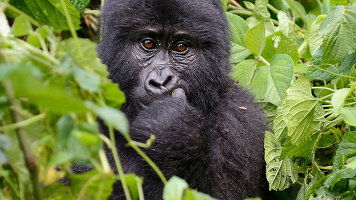
Enjoy thrilling animal encounters from the isles of the Galapagos to the plains of Africa. Read more
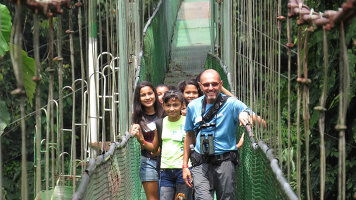
Exodus chooses their Leaders carefully. Professional, dedicated and are passionate about sharing their home countries. Read more
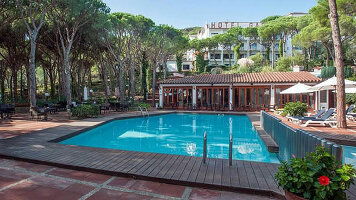
Wherever possible, Exodus chooses properties that are locally owned and that reflect the area you are visiting. Read more
Dates & Pricing
A definite departure means minimum numbers have been reached for this departure to operate. Your Global Journeys Travel Advisor will check the availability of your departure date when you Enquire. Additional savings may apply. T&C’s apply.
Tour & cruises prices are per person. Prices shown have savings applied, are subject to availability and may be withdrawn at any time without notice. Pricing and trip details are correct at this point in time, however are subject to confirmation at the time of booking and are subject to change by Exodus. For cruise itineraries, cabin images are sourced from the cruise-line and should be treated as indicative only. Cabin inclusions, upholsteries and room layout may differ to the image(s) shown depending on the ship selected and your sailing dates.


