Lisbon to Barcelona

Overview

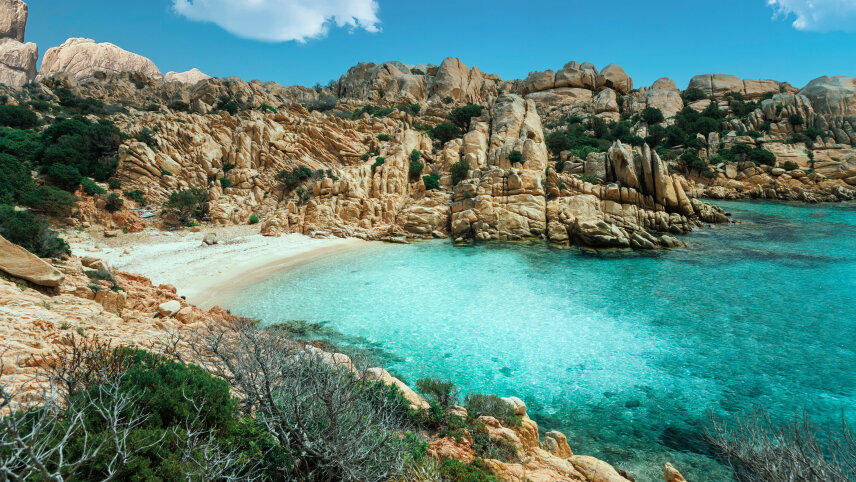
Now we enter Italian waters at Cagliari, discovering the medieval villages and white-sand beaches of the scenic island of Sardinia. Over in France, we visit Ajaccio, the palm-lined capital of Corsica, before buzzy Marseille beckons, read more with the nearby vineyards of Provence enjoying the festive atmosphere of the grape harvest. Up next is the Spanish fishing town of Palamós, famous for its juicy red prawns, and we complete our journey in the spirted Spanish capital of Barcelona.


Itinerary
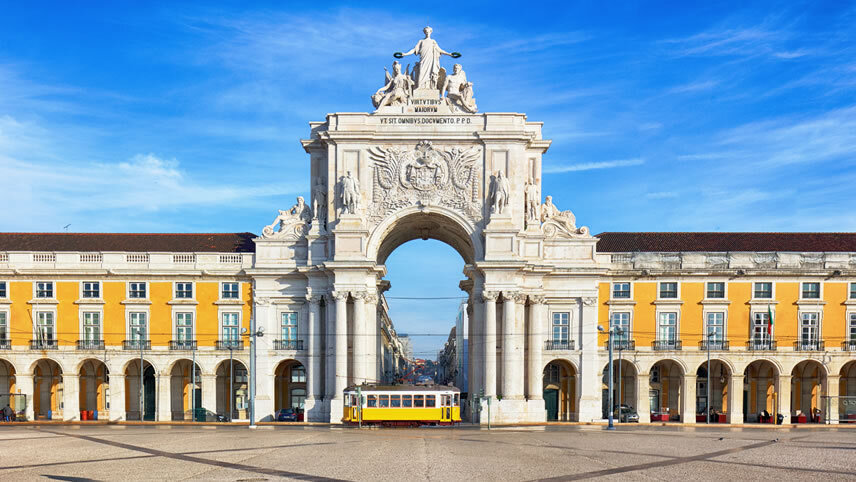
From Moorish walls and Manueline carvings to elaborate azulejo tiles and Gothic arches – the traces of Lisbon’s rich history can be seen and felt simply by wandering its storied (and rather hilly) streets. But Europe’s second-oldest city is also one of its most cosmopolitan, and amid historic landmarks like Jerónimos Monastery and São Jorge Castle, you’ll find chic rooftop bars with views across red terracotta rooftops and the sparkling Tagus river, design-led concept stores selling artisanal souvenirs, and stylish restaurants serving up inventive takes on local ingredients.
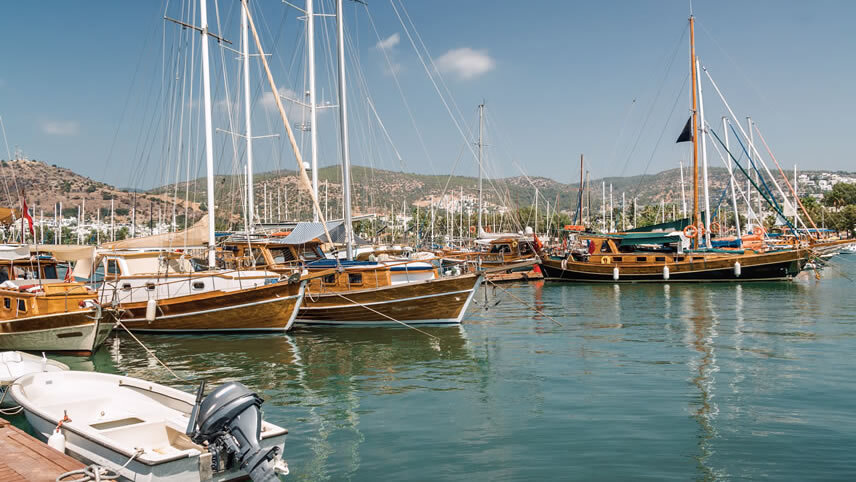
The white contour of a church on a hilltop, the narrow streets of the old fishermen and tradesmen quarter, the presence of the sea and the immense beach known as Praia da Rocha identify the character of Portimao. The old town is dominated by the architecture of the late 19th and 20th centuries: houses boasting wrought-iron balconies, ornate stonework around the windows and doors, balustrades of stone and tile-covered ceramics and walls. This southern Portuguese port is the gateway to many historic towns of the Algarve region. The town offers a rich heritage of historical monuments and the eternal natural beauty of the Ria de Alvor. Portimao is also known for its extraordinary Portuguese cuisine. To savour the spirit of Portimao, there is nothing better than to sit in the shade of the trees in the gardens of Manuel Bivar, to watch the fishing boats sail by and to walk through streets and squares that exude the ambience of an active, hard-working town.
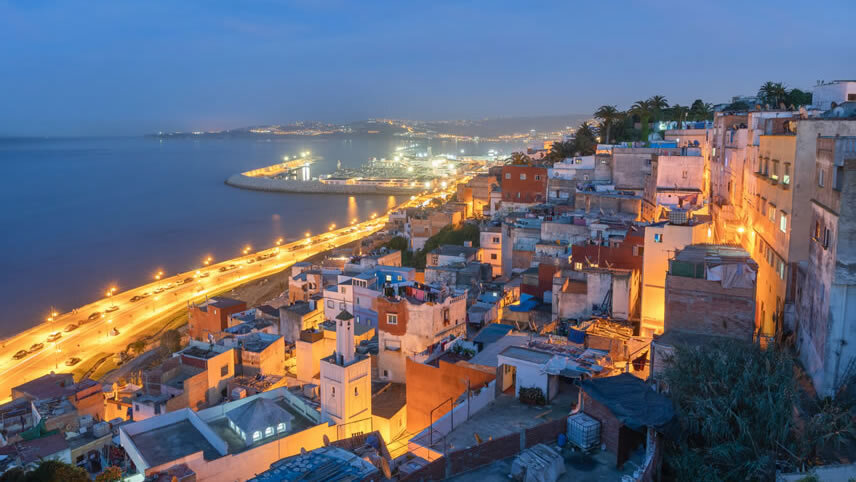
Veiled in myth, Morocco’s enigmatic port, Tangier, reveals history at every turn. The legend goes that the Greek god Hercules rested from his labors here – for certain, it was a Phoenician colony that could date from as early as the 10th century BCE. Pick out travelers’ treasures to take home in the labyrinthine alleyways of the city’s Medina, within the walls of a 15th-century Portuguese fortress.
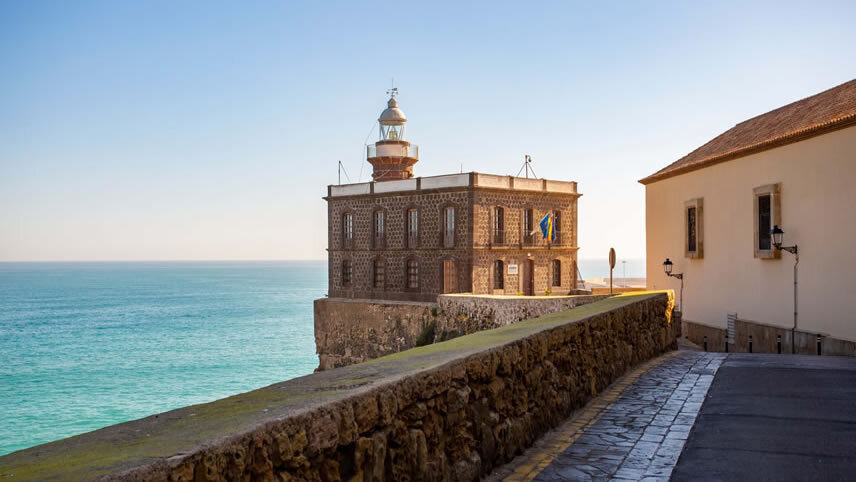
European and Moroccan traditions intertwine in everything from the beguiling blend of medieval and modernist architecture to the food in Melilla, Spain’s North African outpost. This cultural crossroads has religious buildings for each of the Christian, Muslim, Jewish and Hindu faiths. Explore Old Melilla, with its beautifully preserved fortress on a rock jutting out into the Mediterranean, and stroll past ornate buildings designed by Enrique Nieto, a student of Antoni Gaudí. And when you need more sustenance than this visual feast provides, tuck into everything from tapas to dishes laced with Moroccan spices.
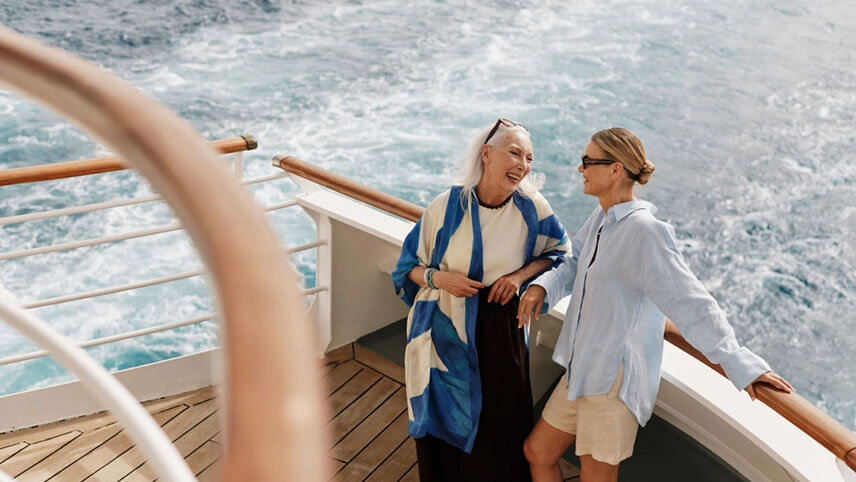
A day at sea with Crystal can be as relaxed or as engaging as you wish. Begin with breakfast on your veranda, take a walk along the Promenade Deck or spend the morning by the Seahorse Pool before retreating to the Aurōra Spa & Salon for a restorative treatment. Enrichment is always close at hand, with lectures, bridge, creative workshops, dance classes, wellness sessions and opportunities to fine tune skills from photography to golf.
Dining is a highlight throughout the day, from relaxed bites by the pool to elegant dinners at venues such as Umi Uma by Nobu, Beefbar or Waterside. As evening arrives, enjoy live music, theatre entertainment, comedy, social gatherings, cocktails in the lounges or a quiet night in with 24-hour in-suite dining.
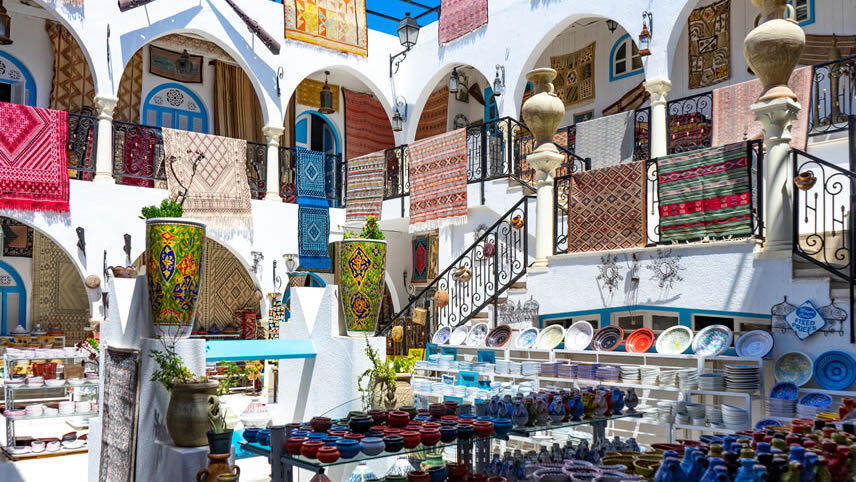
Bathed in the warm waters of the southern Mediterranean, Tunis is a blend of Maghreb flair and French style. Visit the magnificent Az-Zaytunah mosque, the most sacred religious site in the country. Take a dip in the hot baths, built by the Romans. Or experience the sights and sounds of one of the exotic souks (bazaars).
Bathed in the warm waters of the southern Mediterranean, Tunis is a blend of Maghreb flair and French style. Visit the magnificent Az-Zaytunah mosque, the most sacred religious site in the country. Take a dip in the hot baths, built by the Romans. Or experience the sights and sounds of one of the exotic souks (bazaars).
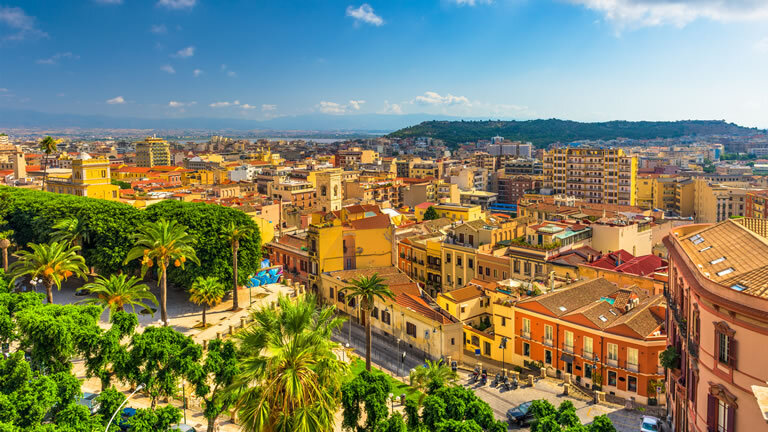
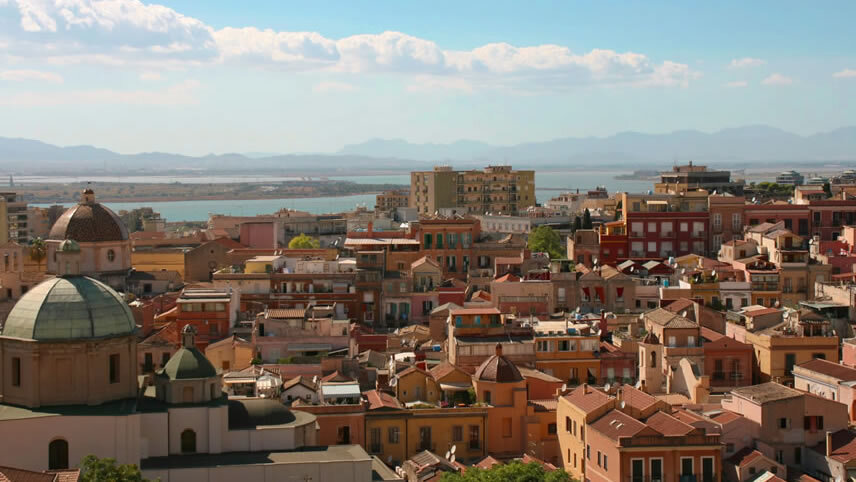
Cagliari, capital of Sardinia, sprawls across the hills promising awe-inspiring views for those who venture to Monte Urpinu Park. At its heart lies the historic Castello district, where a Roman amphitheater, medieval towers built by the Pisans, and a 13th-century cathedral with an intricately carved crypt sit beside the monolithic architecture of the Mussolini era. Down by the harbor, the eateries and bars in the Marina buzz with life. In Via Sardegna and Via Cavour taste local flavors such as the peppery salami mustela, salty pecorino cheese, and carta musica, a wafer-thin flatbread said to sound like music when it snaps. They all go well with a glass of cannonau or vernaccia, the island's robust wines.
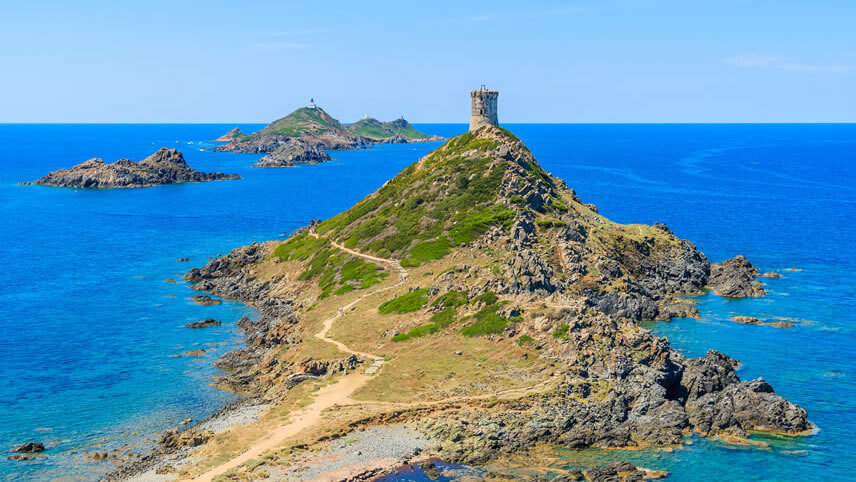
Charming town on the French island of Corsica with a rich history dating back to Napoleon Bonaparte. Home to the Maison Bonaparte, the residence-turned-museum bearing the general’s name, this once fortified town founded by the Genoese in 1492 today boasts a Côte d’Azur flair along its trendy waterfront promenade. Nestled between sea and mountains, its magnificent UNESCO-designated Golfe de Porto is part of Corsica’s Regional National Park, renowned for its geologic and ecologic natural value.
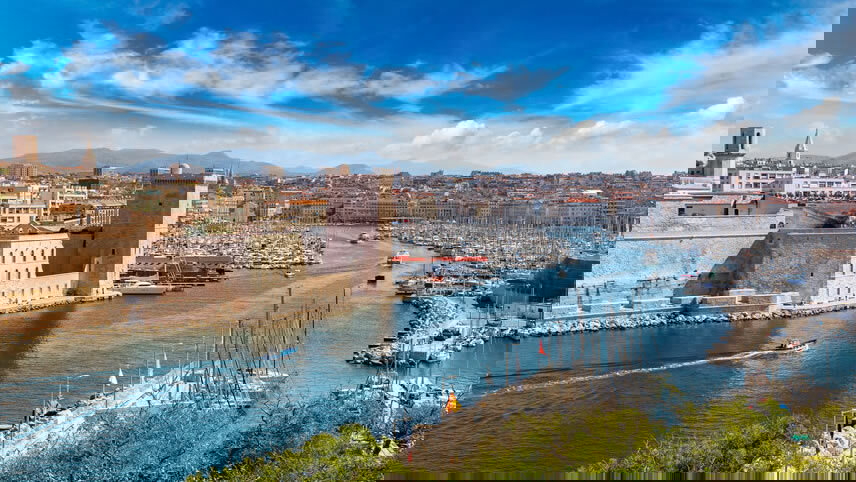
Marseille, France's oldest city, boasts a vibrant blend of cultures, history, and stunning Mediterranean scenery. Start your visit at the Vieux-Port (Old Port), where you can enjoy the bustling atmosphere and watch fishermen bring in their daily catch. Nearby, the iconic Basilique Notre-Dame de la Garde offers panoramic views of the city and sea.
Stroll through the historic Le Panier district, with its narrow streets, colorful buildings, and artisan shops. Dive into the city's maritime history at the MuCEM, the Museum of European and Mediterranean Civilisations. Don’t miss tasting bouillabaisse, Marseille’s famous seafood stew, in one of the local restaurants.
Dating back to the 13th century, Palamos is one of Spain’s most beautiful coastal towns, retaining much of its historical architecture and charm while embracing modern times with gusto. Life in this fishing village revolves around water. Swimming, sailing, and windsurfing are among the most popular daytime activities, along with sunbathing and some of the best people-watching in Europe. When the sun sets, the city pulsates with a hopping bar and nightclub scene. For foodies, Palamos is famous for its delectable, giant-sized prawns, hauled in by the boatload by local fishermen.
Your cruise finishes today in Barcelona, a captivating city on Spain's northeastern coast. If you're extending your stay in the city, start with a visit to La Sagrada Família, Antoni Gaudí's masterpiece, then wander through the narrow, historic streets of the Gothic Quarter.
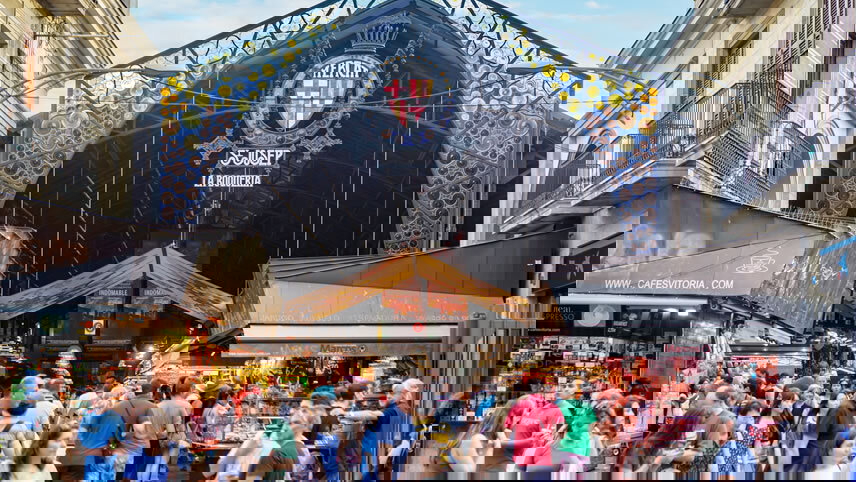
The bustling La Boqueria Market offers a sensory overload with its colorful stalls and local delicacies. Stroll down Las Ramblas for street performances and shopping, and don't miss the stunning views from Park Güell. For art lovers, the Picasso Museum showcases an impressive collection of the artist's early works.
Life On Board
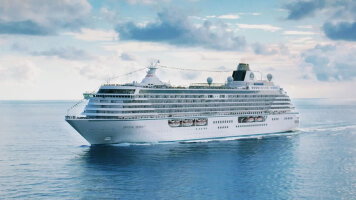
From sumptuous suites and public spaces to Crystal's multi‑award‑winning personalized service each aspect of your experience has been made with care at every step. Read more
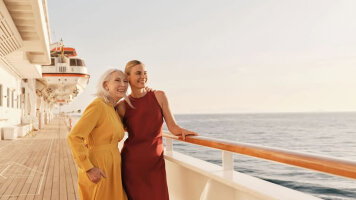
On Crystal ships, our all-inclusive program gives you the sense of freedom and peace of mind that comes from knowing we’ve taken care of everything. Read more
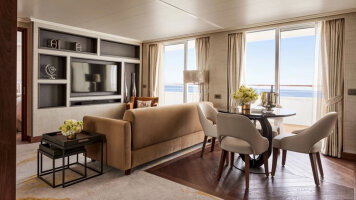
Time at sea should feel comfortable from your own suite as well as around the ship. Every suite has a private veranda, giving you the space to follow the horizon. Read more
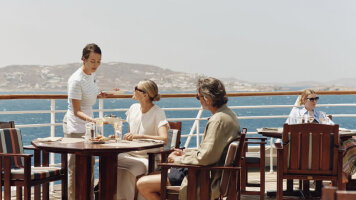
Crystal's award-winning cuisine is created and influenced by pioneers in the global food scene, with nine distinct complimentary venues to choose from. Read more
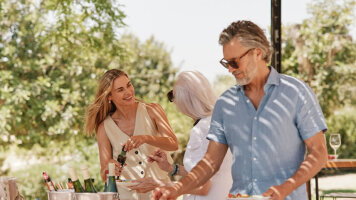
From themed experiences – cooking classes, flamenco dancing, and diving trips – to guided tours of historical sites, there’s something to suit all interests & fitness levels. Read more
Dates & Pricing
Cabin Layout Options:
Select Cabin Preference:
Tour & cruises prices are per person. Prices shown have savings applied, are subject to availability and may be withdrawn at any time without notice. Pricing and trip details are correct at this point in time, however are subject to confirmation at the time of booking and are subject to change by Crystal. For cruise itineraries, cabin images are sourced from the cruise-line and should be treated as indicative only. Cabin inclusions, upholsteries and room layout may differ to the image(s) shown depending on the ship selected and your sailing dates.