
Overview



Itinerary
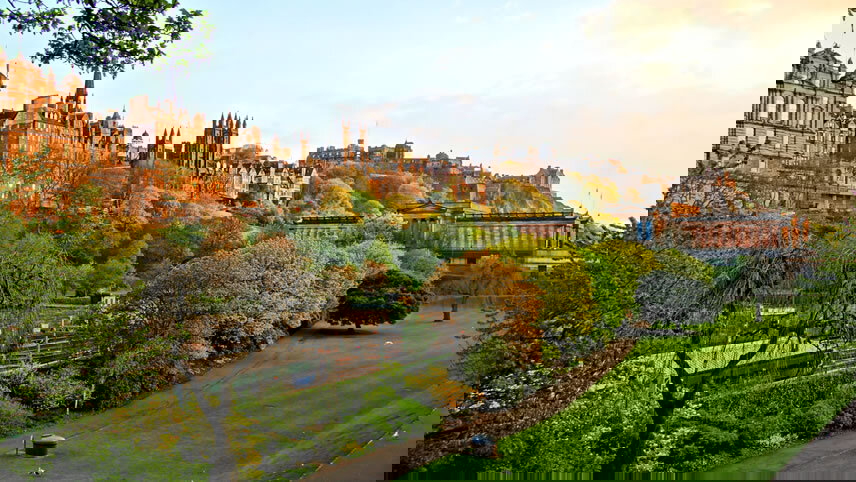
Nestled between the Highlands and the Border Hills, Edinburgh is a gracious city noted for its superb skyline, its impressive collection of architecture and its beautiful parks. Here you'll find the best of central eastern Scotland: spectacular views, rolling hills and castles. Ships will dock at the Port of Leith Cruise Liner Terminal.
Top Things to Do in Edinburgh:
- explore the Edinburgh Castle
- visit the Holyroodhouse
- wander down the Royal Mile
- play a round at the worlds oldest golf course
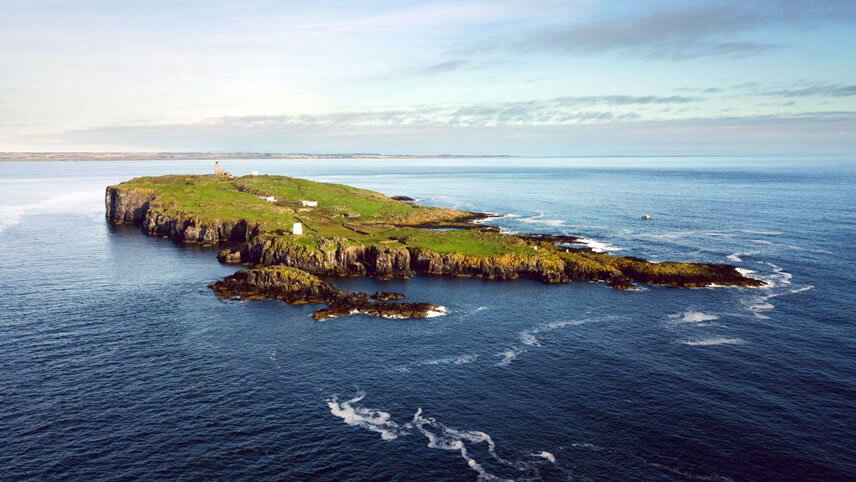
Located off the east coast of Scotland, the Isle of May is a wildlife haven renowned for its bustling seabird colonies and rich marine life. A short ferry ride from Anstruther, this small island offers visitors a unique glimpse into the lives of puffins, razorbills, and seals. The island’s rugged landscape is dotted with historic sites, including the remains of a medieval monastery and the Isle of May Lighthouse, Scotland’s oldest operational lighthouse.
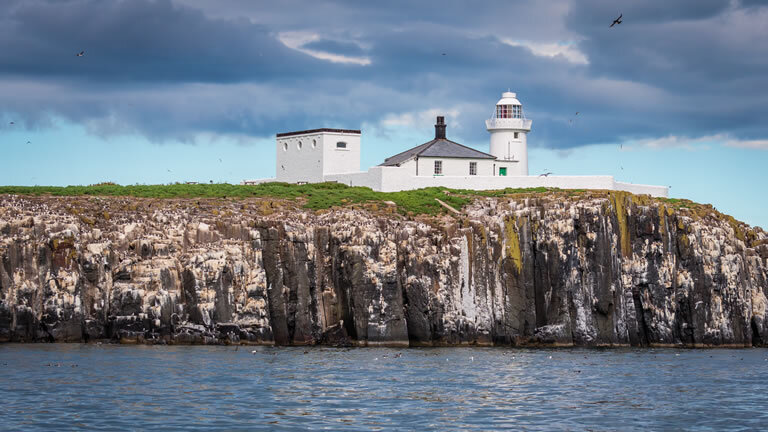
Scattered off the Northumberland coast, the Farne Islands are an incredibly important wildlife reserve. Sir David Attenborough declared the islands as his favourite place in the UK to see nature at is best.
During the summertime around 23 different varieties of birds can be spotted here, including razorbills, guillemots, eider ducks and colourful puffins. Look out for the island’s colony of grey or Atlantic seals hauled up on the rocks or bobbing inquisitively in the sea. The islands have the largest breeding colony in England with some 1,000 pups born each autumn.
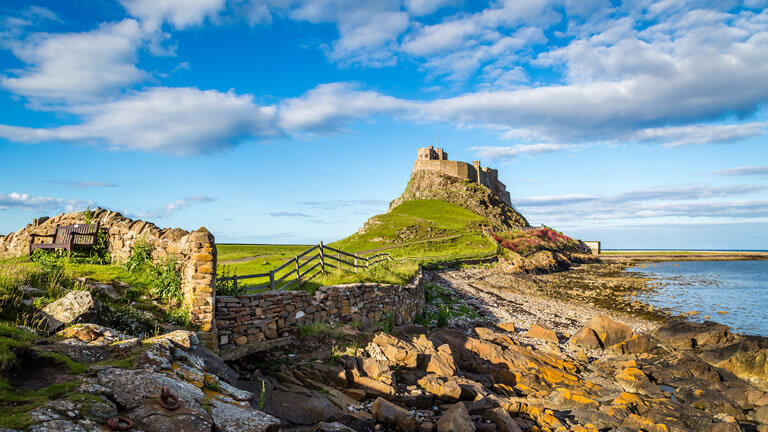
Situated off the Northumberland coast in the north east of England, Lindisfarne Island or Holy Island was founded by St. Aidan. With its ancient associations, castle and priory ruins, Lindisfarne remains a holy site and a place of pilgrimage for many.
Aside from its historical pedigree, Lindisfarne has an exciting array of wildlife. Its island status protects tidal mudflats, saltmarshes and dunes which together form the Lindisfarne National Nature Reserve. A great location for bird watching, rare plants and an abundance of food attract visiting birds from thousands of miles.
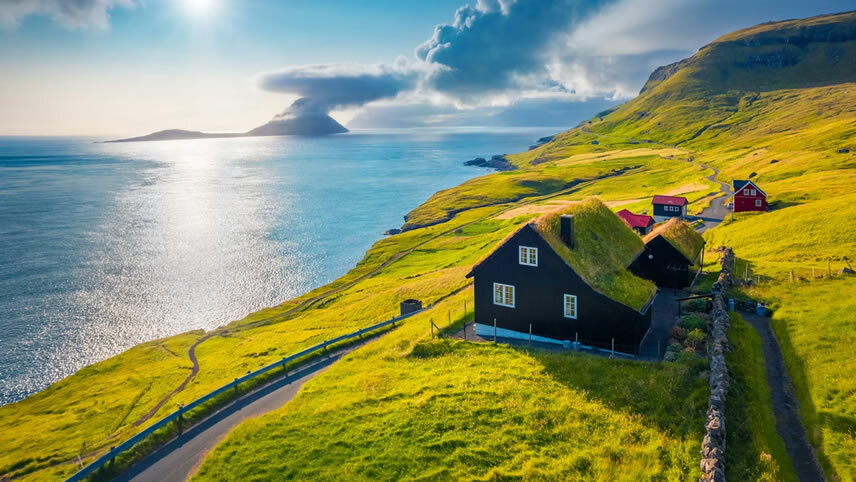
Lying midway between Shetland and the Orkney islands, Fair Isle is a tiny jewel in the sea, known for its birds, knitwear, and historic shipwrecks. With a population of around 70, the island offers a warm and friendly welcome to visitors. Turquoise waters surround the breathtaking Sheep Rock, which rises over 100 metres - almost an isle of its own.
Fair Isle's oceanic climate brings stormy yet mild winters, while summer sees rapid weather changes from sparkling sunshine to thick mist and fog. Named the island of peace by Norse settlers, it has been a landmark for shipping, but the storms and fog have contributed to over 100 shipwrecks, including the Spanish Armada flagship "El Gran Grifon."
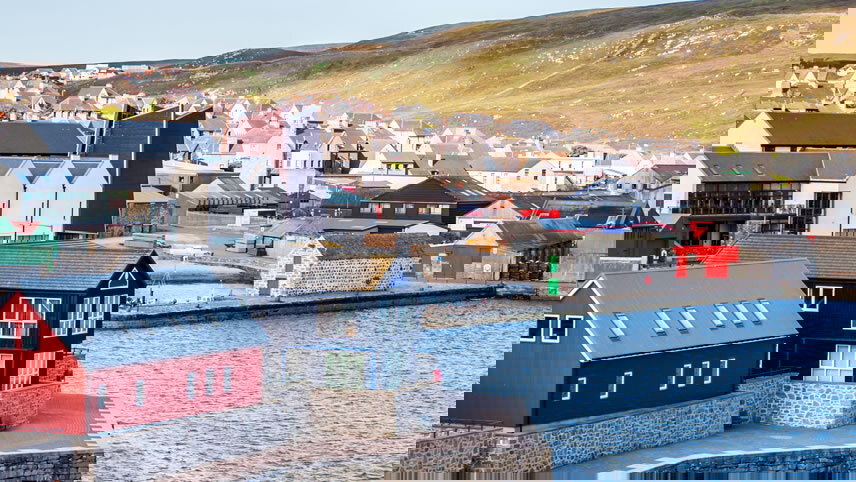
Lerwick, the capital of the Shetland Island Archipelago, offers stone age ruins, heather-covered moors and rugged Scottish highlands. With its dramatic cliffs, Grand Victorian houses, charming Shetland ponies, and Nordic heritage Lerwick allows for hours of entertainment. Smaller ships will dock at the Port of Lerwick, while larger ships will anchor offshore.
Top Things to Do in Lerwick:
- explore the ruins of Scalloway Castle
- hike on Mousa Island
- visit the Shetland Museum
- admire Fort Charlotte
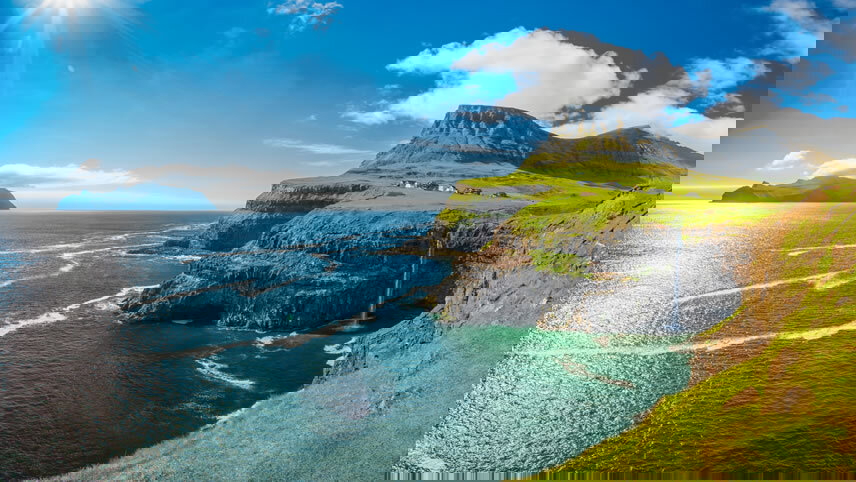
Surrounded to the north and southwest by towering mountains with dramatic landscapes, Tórshavn is a picturesque port steeped in Viking history. Enjoy the colourfully painted wooden houses of the old town, some with turfed roofs, alongside modern counterparts such as the Norse House, built with gleaming glass.
Top Things to Do in Tórshavn:
- enjoy a boat tour of the Tórshavn fjords
- join a tour to see the Vestmanna Sea Cliffs
- hike up Streymoy mountain
- visit the nearby town of Saksun
- explore the island of Vagar
Surrounded by the mountains of Hægstafjall, Økslin, Loysingafjall, and Moskurfjall, Vestmanna sits quietly on the banks of Streymoy, on the North Atlantic Ocean. With 1,200 inhabitants, the colourful little village itself is lovely; a few shops and cafes selling locally made cakes and handicrafts, as well as the island’s native seafood soup dish. While those wishing to stretch their legs will enjoy the surrounding area for its stunning countryside, Vestmanna’s main attraction is beyond any doubt its bird cliffs. Youi don’t have to be a birder to appreciate these magnificent cliffs, although if you are the cliffs are the stuff of dreams. At almost 700-metres high (and six kilometres long), the cliffs rise steeply out of the water and are covered with tens of thousands of seabirds, zooming through the air, swooping into the water and nesting in the crevices.
The near vertical cliffs are home to numerous species including kittiwakes, Common Guillemots, Black Guillemots and the oh so charismatic Atlantic Puffin. Visually, they are stunning: waterfalls thunder into the sea, cliff tops cut jagged lines into horizon and the whole landscape seems straight out of Jurassic Park. Dressed in a cloak of mist and emerald green moss, to say that the feeling is otherworldly is an understatement. To gage the true beauty of the region, one must take to the sea. The experience of sailing under the cacophonic cliffs, juxtaposed by the silence of calm caves is simply unforgettable.
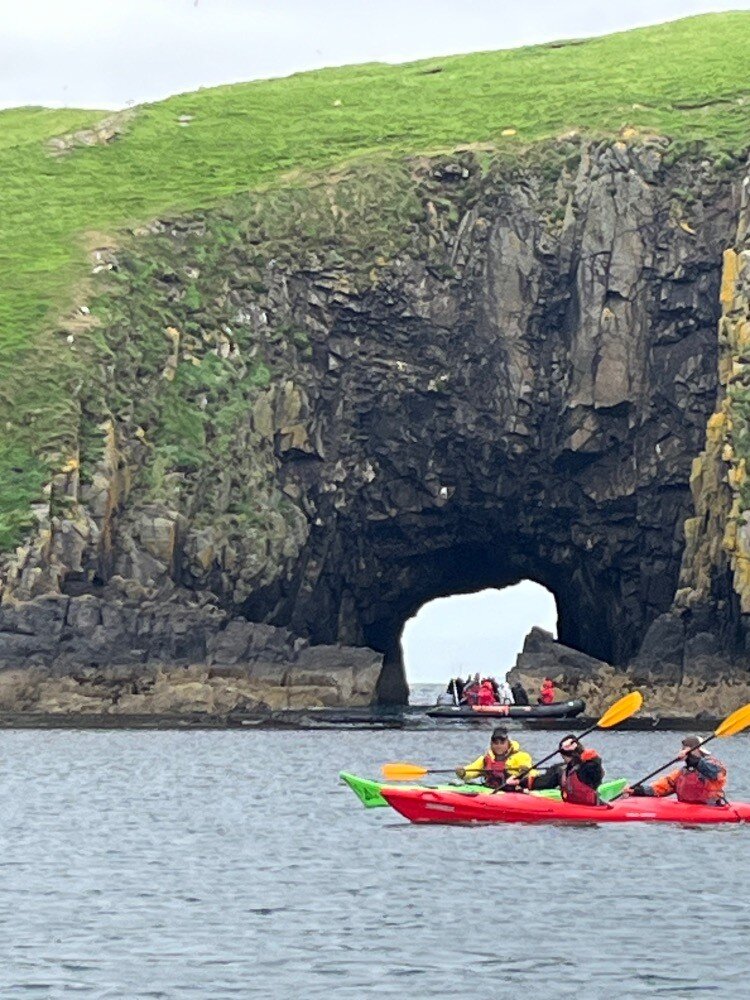
The Shiant Islands of Scotland, located in the Minch between the Isle of Lewis and the mainland, are a secluded cluster of rugged isles famed for their dramatic cliffs and abundant birdlife. This uninhabited archipelago is an important breeding ground for seabirds, including puffins, razorbills, and guillemots, making it a paradise for birdwatchers and nature enthusiasts.
Visitors are greeted by the raw beauty of steep rock faces and grassy slopes, with the islands' geology providing a fascinating insight into volcanic activity from millions of years ago. Accessible only by boat, the Shiant Islands offer a serene escape into the wild, untouched nature of Scotland's coastal wonders.
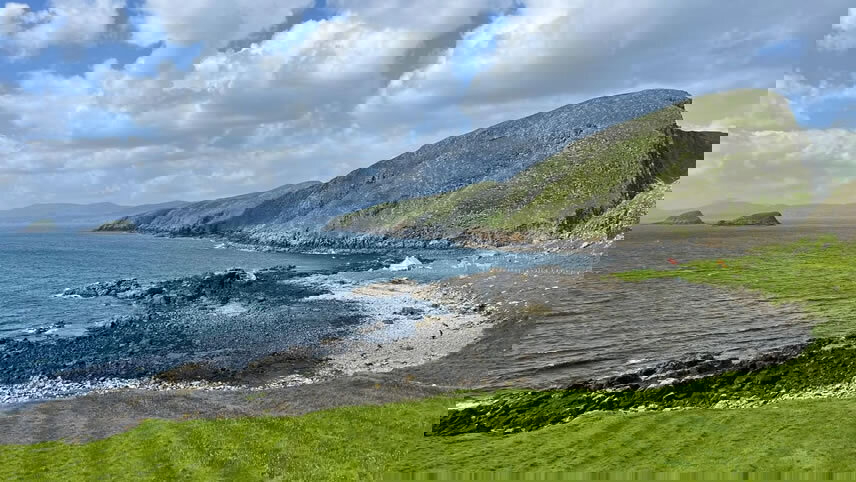
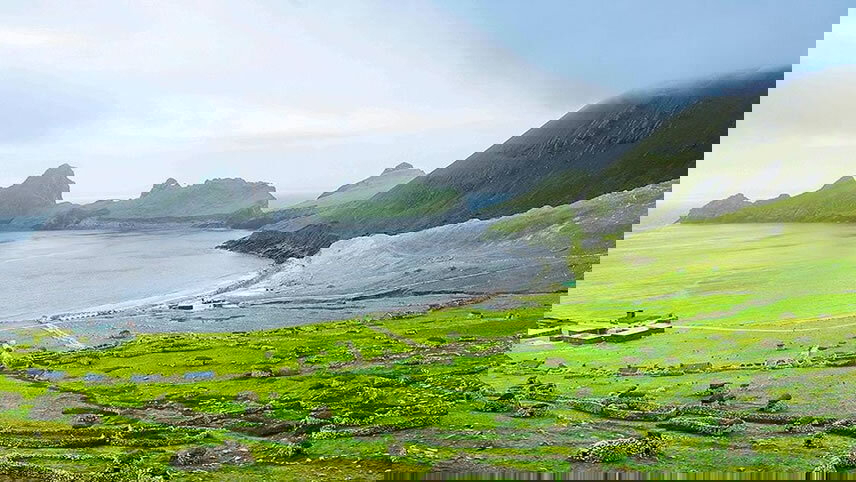
Gloriously remote, the archipelago of St. Kilda towers out of the storm tossed waters of the Atlantic Ocean. The islands are the UK's only dual UNESCO World Heritage Site. They have some of the highest cliffs in Europe, which have large colonies of rare and endangered species of birds, especially puffins and gannets.
Uninhabited since 1930, the islands bear the evidence of more than 2,000 years of human occupation in the extreme conditions prevalent to the area. Human vestiges include built structures and field systems, the cleits and the traditional Highland stone houses.
The stunning Isle of Lunga is the largest island in the Treshnish archipelago. With volcanic origin the isle was populated until the 19th Century, and remains of black houses can be seen around this magnificent coastal jewel. Abundant plant life and exotic birdlife are now the main inhabitants of the area. Fortunate visitors view the magnificent array of birds, especially the great puffins that breed on the islands plateau. One can sit within just a few feet away without disturbing the avian ambassador’s peace. The 81 hectare island is home to many rare and endangered plants such as, primroses and orchids. Views over the landscape and across the ocean can be seen from the 300 foot high cliffs.
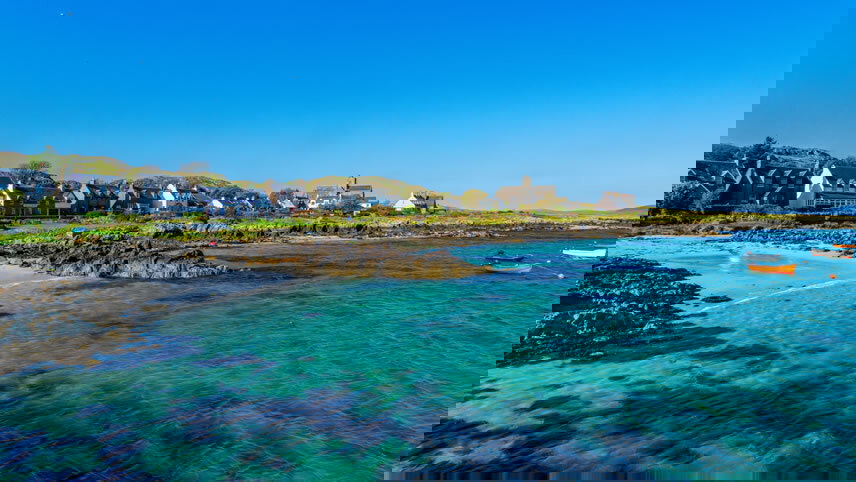
Known as the 'cradle of Christianity', Iona has an atmosphere of peace and tranquillity, enhanced by green fields and sandy beaches fringed with intense blue-green seas that look more Mediterranean than Scottish.
The island's main attraction is its medieval abbey, established by Saint Columba when he arrived from Ireland in 563. The abbey is a fine example of ecclesiastical architecture dating from the Middle Ages and it also serves as an important site of spiritual pilgrimage. Many kings of Scotland, including the legendary Macbeth, are buried in the nearby cemetery.
Northern Ireland's capital, Belfast, enjoys a wonderful setting of high hills, sea lough and river valley. Reborn as a cool, modern city, it has successfully left its troubles behind, emerging as a hotbed of culture and architecture, where the comfort of a cosy pub is never far away. Ships will dock in Belfast Harbour.
Top Things to Do in Belfast:
- visit the Titanic Belfast Museum
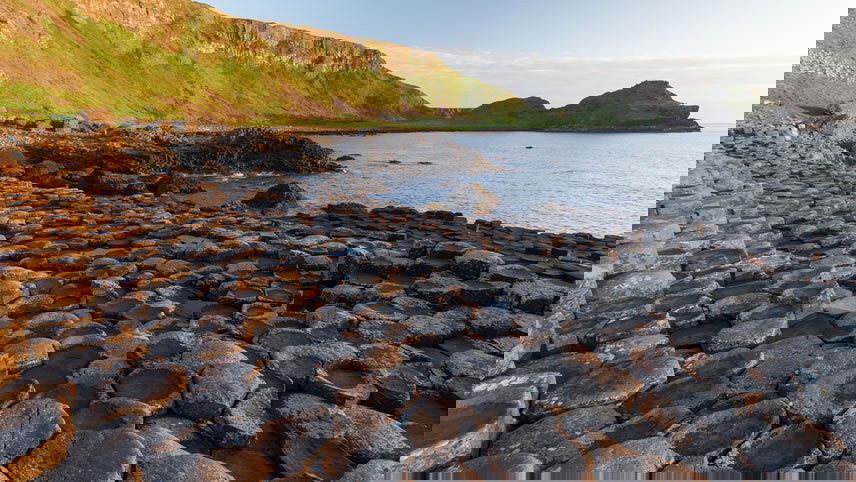
- see the basalt columns of Giant's Causeway
- explore the Hillsborough Castle and Gardens
- take a famous Black Taxi Tour
- travel along Ards Peninsula to Grey Abbey
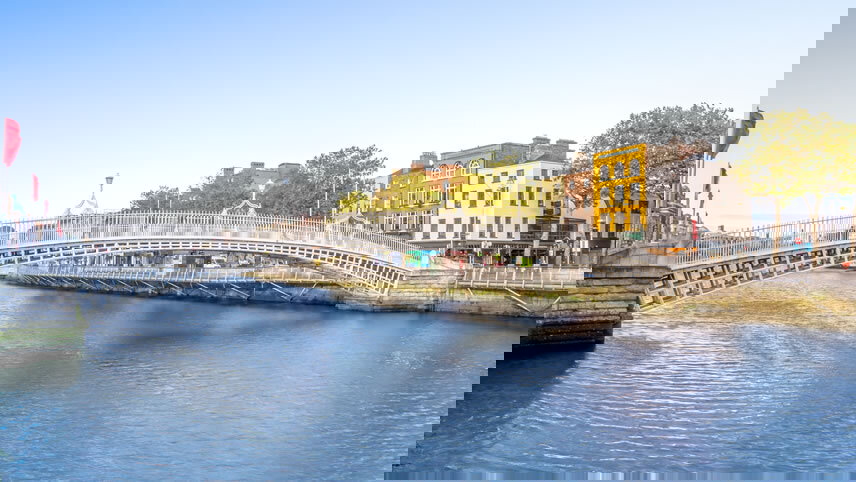
Start your exploration of Dublin with a visit to Trinity College, home to the ancient Book of Kells. A stroll through the cobbled streets of Temple Bar reveals an array of lively pubs, quirky shops, and the fascinating Irish Film Institute.
History enthusiasts will appreciate the solemn beauty of Dublin Castle and the poignant exhibits at Kilmainham Gaol. For a taste of local flavor, visit the Guinness Storehouse to learn about Ireland's famous stout. End your day with a leisurely walk along the River Liffey, enjoying views of the Ha'penny Bridge and the city's charming Georgian architecture.
Life On Board
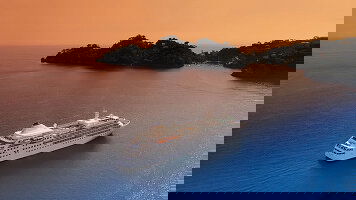
Breaking into new waters in 2020 with her ice class hull, Silver Wind offers all inclusive luxury. Read more
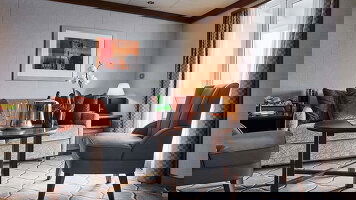
Your butler will bring all you need to your luxury suite so you can simply relax. Read more

Take in world class performers, live shows, expert talks and movies in the Show Lounge. Read more

With experts to assist you can enhance and print your own photos of your voyage. Read more
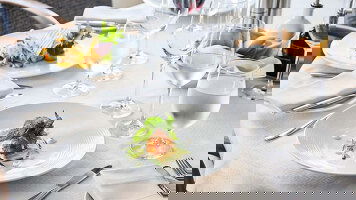
With four fine dining restaurants to choose from your culinary journey with by filled with flavour. Read more
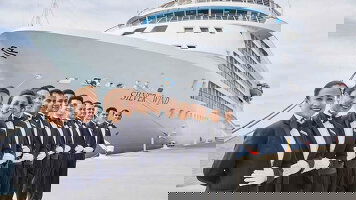
From the minute you step aboard Silversea's signature service will impress and indulge your every need. Read more
Ship Reviews (1)
Download Brochure

Silversea Expeditions (2026-27)
Dates & Pricing
Cabin Layout Options:
Select Cabin Preference:
Tour & cruises prices are per person. Prices shown have savings applied, are subject to availability and may be withdrawn at any time without notice. Pricing and trip details are correct at this point in time, however are subject to confirmation at the time of booking and are subject to change by Silversea. For cruise itineraries, cabin images are sourced from the cruise-line and should be treated as indicative only. Cabin inclusions, upholsteries and room layout may differ to the image(s) shown depending on the ship selected and your sailing dates.