Overview



Itinerary
Our tour begins today in Tashkent, the capital of Uzbekistan, a city that blends elements of a modern metropolis, a leafy Soviet-era centre, and a quiet traditional Uzbek town. If you are arriving today and would like an airport transfer, you'll need to land at Islam Karimov Tashkent International Airport (TAS), which is approximately a 20-minute drive from the hotel. For arrivals in the early hours of Day 1, complimentary early check-in is included but it is essential that you share your flight information with us at least 14 days prior to travel so that the hotel will be prepared. If you would like to start your holiday earlier, please contact us to book additional nights of accommodation. To join the afternoon sightseeing tour, you must arrive at the hotel by 13:00. If you are booking your own flights, we recommend allowing at least 75 minutes to clear the airport and to share your arrival details with us in order to be eligible for complimentary early check-in. At 13:00, our tour leader will meet the group in the hotel reception for a welcome meeting, followed by an afternoon sightseeing tour of Tashkent. During the tour, we'll visit the city's main highlights, including Independence Square, the Old City, and the Earthquake Monument. We'll also take a ride on the Tashkent Metro, famous for its ornately decorated stations. Whilst in the capital, you might also like to visit the Centre of Islamic Civilisation - if you'd like to add on extra days in Tashkent before our tour starts, contact us to book accommodation.
We'll be up early this morning to catch our flight to Urgench. Please note that in order to secure your space on the internal group flight, we require your passport details at the time of booking. Once we land, we'll take a 40-minute bus ride to the remarkable ancient city of Khiva, our base for the next two nights. Arriving into the oasis city of Khiva is a little like stepping back in time. A 1970s Soviet conservation programme restored much of this old Silk Road trading post, turning it into what is effectively an open-air museum, as well as the only remaining inhabited fortress along the Silk Road. Our hotel lies within the mud walls of the 12th-century fortress, and shortly after our arrival we'll head out on foot to explore its madrassahs, mausoleums, minarets and mosques, including the magnificent mosaics of the Tash Kauli Palace and the Pahlavon Mahmoud Mausoleum.
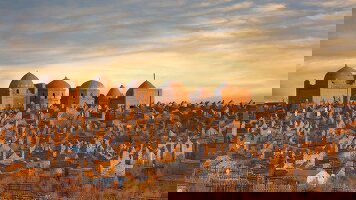
Our stay in the Old Citadel includes entrances to several of the main museums, madrassahs and mosques within the city, and today you're free to explore them all, along with Khiva's many craft workshops, markets, palaces and tombs. You may like enter the Juma Mosque, with its ornate wooden pillars, or visit any number of Khiva's beautifully tiled madrassahs, or small history museums. A walk along the ancient fortress walls or up the stairs of the Islam Khoda Minaret are also worth the small additional cost. Break up the afternoon with lunch or a tea stop at one of the city's rooftop terrace restaurants, with views over the blue domes. There is also the option to take a half-day trip to the desert castles of Toprak Qala and Ayaz Qala, part of UNESCO's Golden Ring of Ancient Khorezm, located in the autonomous republic of Karakalpakstan.
Today's drive to the fabled city of Bukhara will take around seven hours including stops, as we cross the Oxus (Amu-Darya) River and travel through the expansive plains of the Kizilkum Desert. As home to the famous Islamic poets, Firdausa and Rudaki, Bukhara is considered by some to be the 'Bastion of Islam'. The town retains much of its Uzbek character and has more than 140 unique monuments. We'll take a short stroll to picturesque Lyabi Khauz, a water-filled stone pool flanked by chaikhanas (tea houses), cafes and restaurants, popular with newlyweds taking wedding photographs.
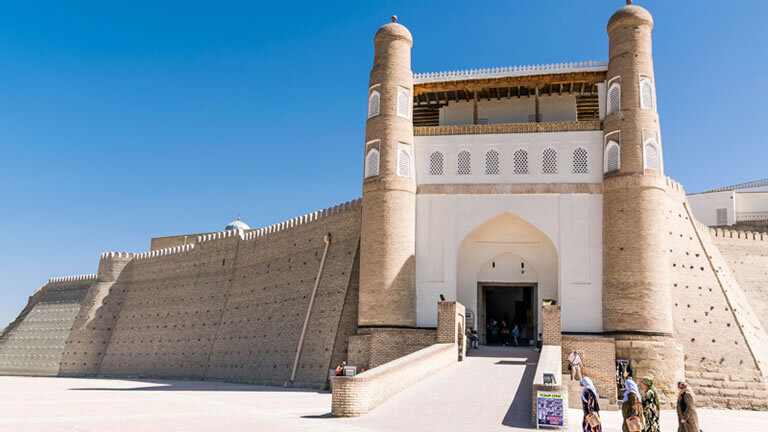
We have a full day of sightseeing ahead of us, both on foot and by vehicle, as we make our way around old Bukhara's vast array of spectacular blue-domed buildings. Most of the city is incredibly walkable, and meandering through its market squares and backstreets is a great way to soak up the atmosphere. Highlights of our visit include the Po-i-Kalyan complex (a simple square filled with some spectacular buildings, including the majestic 11th century Kalyon Minar, one of the few buildings in the city to pre-date Genghis Khan's invasion), the Magoki Attari Mosque, and the Kalyan Minaret, which is the iconic focal point of the city. We'll also visit the Ark - a massive citadel which was used as a fortress from the 5th century until it fell to the Russians in 1920. Today, it houses several small museums connected with Bukhara's history. This afternoon, we plan to visit the summer palace of the Emirs of Bukhara, which is known as the 'Palace of Moon-like Stars'. This tranquil haven just outside of the city is a strange blend of Islamic and Russian styles, with ornate and classic-looking Russian facades, and opulent, almost kitsch, mirrored and bejewelled interiors. After our final visit to the palace, we'll take the short drive back into the city and end the day at our hotel.
Today has been left free for you to explore Bukhara solo. Visit one of the cities iconic blue-fronted madrassahs, or take a walk through the Taqi Sarrafon market - one of the four domed bazaars in the city. Used as a money exchange during the height of the Silk Road, it's now home to souvenir shops selling everything from rugs and embroidery to silk scarves. You may also like to take lunch on one of the rooftop terraces near the Po-i-Kalyan, or visit one of the city's small museums.
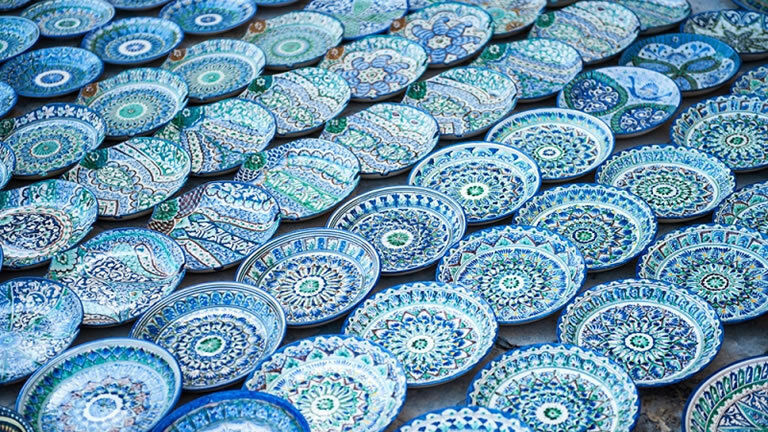
We'll begin the day with our departure from the hotel and prepare for our journey into the mountains. Our drive takes us across approximately 310 kilometres towards the Nuratau mountain region, with scenic views and several stops along the way. Our first visit will be in Gijduvan, where we'll visit a traditional ceramic workshop and museum to learn about the town's famous pottery-making traditions. We'll then continue to Nurata village, where we'll have lunch at a local guesthouse. In good weather, we'll sit in the leafy outdoor courtyard, where our host will prepare a home-made meal for us. This typically includes a selection of traditional salads; soup and bread, and usually deliciously stuffed manti dumplings or another hearty main. After lunch, we'll take a short trip to the mosque and hike up (approximately 10 minutes) to the viewpoint that overlooks the village. In the afternoon, we'll continue our journey to Hayat Village, a peaceful community set in the quiet, mountainous landscape of the Nuratau range. We'll stay overnight in a family-run guesthouse, offering a genuine look into traditional village life. The rooms are simple yet charming, with ensuite bathrooms. The village benefited from an international tourism initiative aimed at expanding the positive economic and social impacts of tourism in Uzbekistan to less-visited areas. The project sought to empower people in remote parts of the country to earn a living by running guesthouses in their own villages while learning new skills such as hospitality, accounting, and maintenance. Before dinner, we'll enjoy a demonstration of how Uzbek flatbread is baked in a traditional tandir oven, tasting the freshly baked bread with our evening meal. Dinner will be prepared by our hosts at the guesthouse, who will cook a local dish, such as dimlama - a hearty stew of meat (often beef or chicken) steamed with vegetables and aromatic spices. Alternatives for dietary restrictions are available.
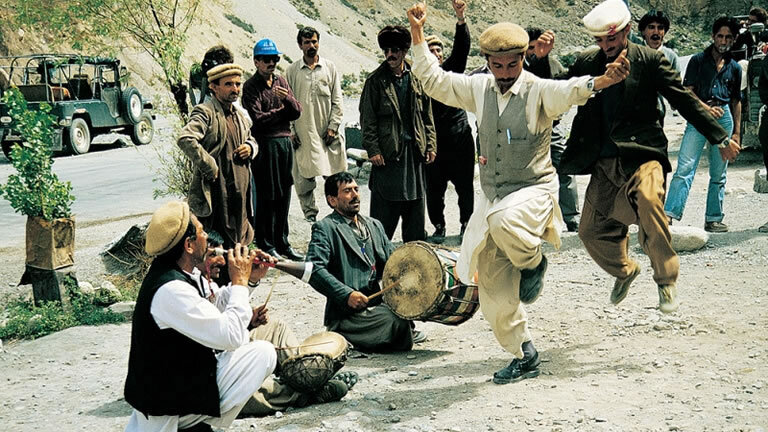
After breakfast, we'll set out from our guesthouse for a gentle hike through the surrounding countryside. This is the rural heart of Uzbekistan, where many of the villagers identify as Tajiks, from a long history of nomadic farming that predates country borders. The Tajik language is taught at schools here, and farming is still important. We may see one of the local shepherd boys at work, or the wild sheep that roam in Hayat's protected natural area. The panoramic views of the surrounding mountains and small villages are spectacular. Our walk will take about 2.5-3 hours, there is some uneven terrain with a lot of loose stones, and two small but steady hills. If you'd prefer to opt out, the river that runs alongside our guesthouse is perfect for relaxing and reading a book on a clear day. We'll return to the guesthouse for another homecooked lunch, perhaps a mungbean and beef stew with several local salads. We depart in the early afternoon to Samarkand, a drive of approximately 4 hours. On arrival into the city, just before getting to our hotel we will make a stop at the Ulug-Beg Observatory, considered to have been one of the finest observatories in the Islamic World. It was here that Ulug-Beg, the great medieval astronomer, built his gigantic sextant that enabled him to calculate the length of a year within just 10 seconds. After a visit to the observatory, we continue the short drive to our hotel.
Despite being stormed by Alexander the Great and later being reduced to ashes by Genghis Khan, Samarkand was transformed into the most important city in Transoxiana by Tamerlane, who made it his capital in the 14th century. The scale and grandeur of the city's architecture is greater than anything we've seen so far on our journey, and this morning's sightseeing takes us around some of its many iconic sites. We'll visit the Bibi-Khanym Mosque, once the largest in Central Asia; it was built by Tamerlane and named after his favourite Mongolian wife. We also visit the Shakh-i-Zinda necropolis, a beautifully-tiled warren of tombs, mosques and mausoleums belonging to Tamerland's family, friends and the prophet Mohammed's cousin. We'll also visit Registan Square, one of Central Asia's most impressive architectural ensembles, framed on three sides by magnificent blue-tiled madrassahs. In the afternoon, we have free time to explore more of the city at our own pace. You might choose to visit the Afrosiyab Museum - an interesting collection that tells the story of Samarkand's Stone Age roots.
Today, we'll have more free time to explore further. Later this afternoon, we'll transfer to the train station for our modern high-speed train back to Tashkent. Arriving just after 7pm, we'll spend a final evening together before tomorrow's departure.
The trip ends after breakfast at our hotel in Tashkent. There are no activities planned today, so you're free to depart from Tashkent at any time. If your flight is departing later in the day, luggage storage facilities are available at our hotel. If you'd like an airport transfer today, you'll need to depart from Islam Karimov Tashkent International Airport (TAS), which is a 20-minute drive from the hotel.
Trip Inclusions
- Khiva - Step back in time as you explore the minarets, mausoleums and madrassahs of this perfectly preserved ancient city. Samarkand - Discover Timur's city, where Registan Square lies as its stunning blue mosaicked centrepiece. Nurata Mountains - Stay at a family run guesthouse in rural Uzbekistan and enjoy delicious home-made meals.
- Moderate pace tours are ideal if you want a holiday which combines exciting activities and experiences with plenty of time to relax and unwind. Typically you'll be active and busy for part of the day but then also have time to rest and recharge your batteries.
- Accommodation, itinerary and inclusions subject to change.
- Price is for land, cruise and internal flights as specified. Flights not specified are not included
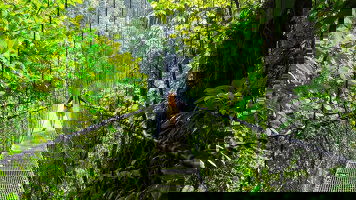
Launching in 1981, Explore Worldwide offer trips from over 130 countries - from classic small group tours. Read more
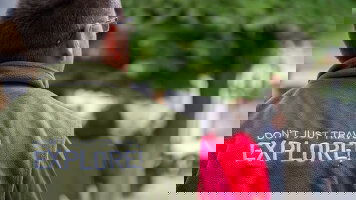
Explore's leaders are more than just your typical guide. They're your local expert are are passionate about sharing their expertise with you. Read more
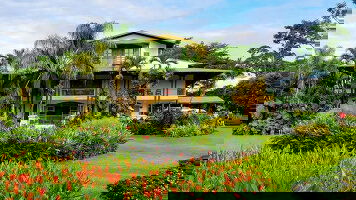
The places Explore stay are every bit as important as the sights they visit and the things you do. Read more
Trip Reviews (4)

Download Brochure

Explore Worldwide Small Group Adventures (2026-27)
Dates & Pricing
A definite departure means minimum numbers have been reached for this departure to operate. Your Global Journeys Travel Advisor will check the availability of your departure date when you Enquire. Additional savings may apply. T&C’s apply.
Tour & cruises prices are per person. Prices shown have savings applied, are subject to availability and may be withdrawn at any time without notice. Pricing and trip details are correct at this point in time, however are subject to confirmation at the time of booking and are subject to change by Explore. For cruise itineraries, cabin images are sourced from the cruise-line and should be treated as indicative only. Cabin inclusions, upholsteries and room layout may differ to the image(s) shown depending on the ship selected and your sailing dates.