Overview



Wildlife

Premium

Affordable

16-99 Years

16

Moderate

Fully Guided

DCC
Itinerary
Our tour starts today in San Jose, Costa Rica's cosmopolitan capital. Lying in a fertile valley, at an altitude of 1,150 metres, coffee and sugar are big industries here - coffee is even planted between buildings and along the roadsides on the outskirts of the city.
For those arriving in time, our tour leader plans to meet you in the hotel reception at 7pm for a welcome meeting, and for those that wish there'll be the chance to go out for dinner. There are no other activities planned today, so you're free to arrive in San Jose at any time. If you'd like an airport transfer, you'll need to arrive into San Jose's Juan Santamaria International Airport (SJO), which is around a 30-minute drive from our hotel. If you miss the welcome meeting, your tour leader will inform you of any essential information as soon as you catch up.
If your flight arrives earlier in the day, you might like to head out and explore the city - the barrios are easy to navigate, laid out in a grid pattern of avenues and streets. The National Museum (Museo Nacional De Costa Rica) is also well worth a visit.
We'll drive east out of San Jose this morning, towards the Irazu Volcano. Situated at 3,432m altitude, the drive to the volcano opens up to fantastic views of the valley below, before slowly transforming into a barren windswept moonscape. There are two crater viewpoints at Irazu, and we'll aim to visit both of them before continuing to Turrialba.
The fertile land around Turrialba makes an important agricultural region thanks to its fertile land and the origin of much of Costa Rica's coffee, sugar and Macadamia nuts, not to mention dairy. On arrival, we'll visit Finca La Florita, a local dairy farm where the region's famous cheese is made. We'll learn about the production process, as well as how the local farmers work together to help distribute their products. Of course, we'll take some time to sample the tasty cheese, too.
This evening, there'll be the option to visit another typical 'finca' (farm) for a traditional meal cooked by the family.
There are no set plans today so you're free to explore as you wish. You might like to try your hand at white-water rafting on the Pacuare River. Famous for its scenery, the river has calm stretches of Class III-IV rapids that give you time to appreciate the rainforest-topped canyons and spot the blue morpho butterflies and macaws wheeling past.
Alternatively, you might like to visit the CATIE (Centro Agronomico Tropical de Investigacion y Ensenanza) Research Centre. Recognised throughout the world as an important agricultural research station, its environmental development projects seek to enhance human well-being and protect natural resources. Its botanical garden is the perfect place to relax and appreciate the setting, surrounded by the calls of birds, the whisper of the giant Guanacaste Tree and the imposing Ceiba.
We have a thrilling journey ahead of us this morning. First, we'll drive to Cano Blanco or Pavona pier via extensive banana plantations before boarding a boat to take us to our lodge in the Tortuguero National Park, where we'll spend the next two nights. Its complex canal system and narrow lagoons link small, isolated settlements and are rich in fish, including rainbow bass and grouper. They also support an abundance of birds, such as herons, storks, and kingfishers as well as 60 species of mammals with Howler and Spider Monkeys in the treetops.
Upon arrival at our comfortable lodge, we'll take a short walking tour of the pedestrianised village of Tortuguero.
Our journey time today will be around four hours.
Today we'll delve into Tortuguero National Park.
For early risers, there's the optional activity to kick off the day with a dawn birdwatching boat trip. Water birds such as herons, egrets and kingfishers are among the birds that you might be lucky enough to spot, although other species of birds such as toucans can be found in the area.
Later this morning, we'll head out on a nature walk to understand more about the area's unique ecosystem. Then, this afternoon, we'll take to the waterways for even more exploration. On our travels, we might come across the howler monkey, aptly named thanks to the way it noisily protects its territory. Many shyer animals in this area include ocelots, tapir, and the incredibly elusive jaguar. Please note some departures may do the waterways tour in the morning and the nature walk in the afternoon. Your tour leader will confirm.
Throughout the year, you may also be lucky enough to see different species of turtle nesting close to our lodge. The best time to see this spectacle is between June and September when over 5,000 green turtles come ashore to nest on Tortuguero's beaches. At this time of year, there's the option of an evening turtle walk in the company of experienced guides.
Leaving our lodge this morning, we'll travel by boat back to Cano Blanco, before heading on to Puerto Viejo Sarapiqui.
After lunch, we'll plan to visit La Tirimbina for a chocolate tour. On the two-and-a-half-hour tour, we'll learn the secrets and wonders of one of mankind's favourite foods - chocolate. Originally from Central America, the cacao plant has an extraordinary history - it was one of the most important products for the Mayan and Aztec cultures. The discovery of America led to the introduction of chocolate in Europe, transforming it into the product we know and love today.
Our tour starts with a short hike through a forest to a former cacao-growing plot. Upon arrival, we'll be treated to a demonstration of the artisanal process of chocolate making. There'll be plenty of opportunities to taste different kinds of chocolate, prepared on the spot in the traditional way.
This evening, we'll take a night walk along the on-site nature trails surrounding our hotel, in search of nocturnal species such as snakes and frogs.
Our journey time today will be around four hours.
This morning, we'll take a nature walk on the rainforest trails around our lodge. Sarapiqui's rainforest area is rich in nature and is home to more than 54% of all birds found in Costa Rica. We'll be on the lookout for endemic species, including the Spotted Antbird and the Rufous Motmot.
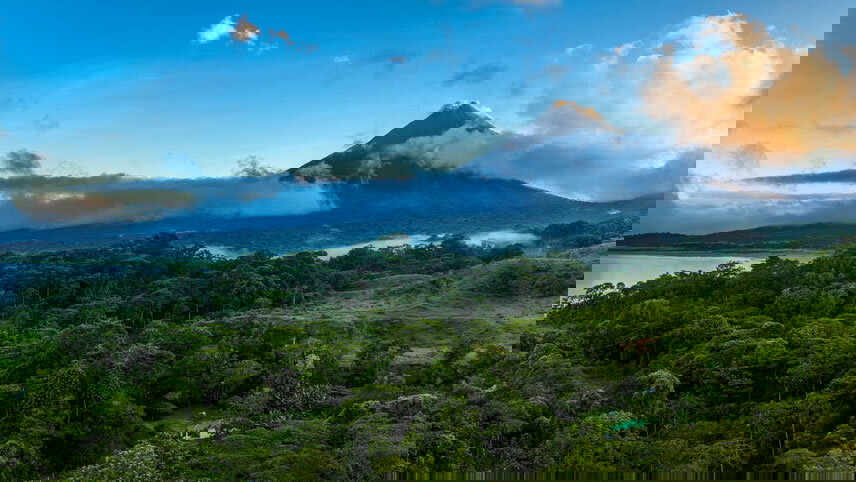
Later on, we'll drive for just over one hour to Arenal, skirting around the great central volcanic massif, passing through fertile farmlands that are rich with tropical crops. Arenal is a classic conical volcano which was famous for its nightly eruptions until it finally went quiet in 2010. We'll explore the National Park on foot, taking a walk on the flanks of the volcano. The eastern side is covered by a tangled mass of vegetation, while the western side remains starkly barren after a major eruption in 1968 decimated its small towns and landscapes.
Along the way, our leader will point out interesting flora and fauna and give us more information about the science and history of the volcano, before taking us to a viewpoint for a closer view.
Our accommodation for the next three nights is in La Fortuna. The town was renamed after the 1968 eruption when it was seen as being 'fortunate' to be located on the eastern side of the volcano.
The Arenal area is well known for its diverse wildlife. Some of the most sought-after species are the multicoloured toucan, the poisonous blue jeans dart frog and, of course, the lazy sloth.
This morning, we'll keep our eyes peeled to spy these three wonderful species as we head out on foot and by bus to visit La Fortuna's many spotting areas. Our wildlife tour takes us into private areas that are closed off to other tourists, where we'll have the very best chance of seeing sloths. Birds, iguanas and various types of monkeys are among the other animals that we might encounter.
This afternoon, we'll visit an organic farm near La Fortuna where sugar cane is milled. We'll see the process in action and taste the sugar cane juice before it's made into sugar blocks. This evening we'll have a tour of the property and gather the fruits, vegetables and roots that are growing on the property, before using them in a cooking demonstration, making a traditional Costa Rican meal with the owners of the farm. One of the most common Costa Rican dishes is the casado (meaning 'married man' in Spanish), a meal that uses rice, black beans, plantains, tortilla and meat or fish - a range of locally sourced produce.
Today is free for you to explore the Arenal area at your own pace. There are local treks to waterfalls and along lava trails as well as the chance to enjoy relaxing in one of the many hot springs. It's also possible to go white water rafting or take a more relaxed float down the river to spot the wildlife of the forest.
Your tour leader will be able to give you more information on the optional activities.
Today we'll travel around Arenal Lake up into the cloud forest region of Monteverde, one of the best places in Costa Rica to see wildlife. The final leg of our journey takes us along some bumpy roads, but the bumps are well worth it to enjoy the lushness of the cloud forests.
Perched on the Continental Divide between the Pacific and the Caribbean, it's thought that there has been indigenous habitation in Monteverde since 3000 BC. However, the turning point in its recent history came in 1950, when a group of pacifist Quakers from Alabama moved here to avoid subscription in the Korean War. They sought a lifestyle in a country in which they could embrace their peaceful beliefs and continue to cultivate their dairy farms. These families went on to establish the community of Monteverde and some of its famed cloud forest reserves.
The drive from Arenal will take around five hours. On arrival, we'll have free time to explore.
This evening, we'll take a guided night walk in the cloud forest, in search of nocturnal species such as pacas and tarantulas.
The famous, but now very rare, resplendent quetzal is fairly commonly seen in Monteverde, one of the last remaining places in Central America where its habitat has been preserved. Sacred to the ancient Maya and Aztec peoples, it's considered one of the most beautiful birds in the world - the best time to see it is during its breeding months of March and April.
This morning, we'll have a guided walk in the Monteverde cloud forest, walking the paths that wind their way through gigantic ferns and trees covered with draping lichen and moss. The jungle floor is often littered with blossoms that fall from the high canopy providing a carpet of colour amidst the endless green.
The rest of the day is free to spend as you wish. You might like to stay longer in the Monteverde cloud forest and explore the trails more. Alternatively, you could choose to fly through the canopy on a zip wire - Monteverde is regarded as offering some of the best canopy (zip line) experiences in the world. Or if you'd rather take on a more relaxed activity, you can meander through the canopy on treetop walkways. There are also orchid and butterfly gardens in the area.
Leaving the cloud forest behind us this morning, we'll descend to the Pacific Coast with staggering views over the Gulf and Peninsula of Nicoya. Heading south, we'll pause at the Carara Biological Reserve, famed for the scarlet macaws and abundant birdlife which populate this transitional forest.
We'll continue along the Pacific Coast to the region of Dominical, where we'll spend the next three nights.
Our hotel is set in the grounds of tropical forest, with magnificent views over the Pacific Ocean. It offers an outdoor swimming pool, 12-hectare landscaped grounds with a rainforest hiking path and a spa. There is also a complimentary shuttle bus to the beach.
Our journey time today will be approximately four to five hours.
Today, we journey into the heart of the Osa Peninsula, renowned for its stunning beaches and diverse wildlife. Expect a full day of adventure.
We begin with a short transfer to Punta Uvita, where we'll board a RIB boat for a thrilling 90-minute crossing to San Pedrillo Ranger Station in Corcovado National Park. Be prepared for a wet boarding - Punta Uvita has no pier, so you'll need to wade into waist-deep water to get onto the boat. It is worth bringing aqua shoes as well as good walking shoes for this day. A dry bag would be desirable. Once on board, the crossing can be bumpy, adding to the sense of adventure! Between July and October, whales can sometimes be spotted in the bays along the Pacific coastline, while turtles, dolphins, and a variety of marine birds may be seen year-round.
On arrival, we'll meet our expert local guide, who will lead us along trails weaving through protected primary forest and coastal pathways. Sturdy, well-worn walking shoes are essential, as the terrain includes exposed roots and uneven ground. Corcovado is home to an astonishing variety of wildlife, with 140 species of mammals and an abundance of birdlife. During our time in the park, we're likely to encounter white-faced capuchin monkeys, coatimundis (relatives of the raccoon), and tiny squirrel monkeys. Sloths, coatis, and even the occasional tapir may also make an appearance.
Our morning walk lasts around three hours, followed by a well-earned picnic lunch at the ranger station. In the afternoon, we take a shorter 30-minute stroll before returning to our boat for the 90-minute journey back to Punta Uvita and onwards to our hotel. We'll aim to arrive in time for a well-deserved sundowner.
Enjoy a full day to explore the area and relax on the fine beaches of the Pacific Ocean. Our hotel offers a swimming pool, expansive landscaped grounds and has a beautiful beach nearby.
There are many great beaches in the area and the sunsets from the coast are spectacular and have to be seen to be believed.
There are also lots of other activities on offer if beach time isn't for you, including rafting or snorkelling trips or take to the sea and explore the inlets on a kayak. Your local leader can give you a run down on the options available, details of which can be found in the budgeting section.
Departing the hotel this morning we drive 220km back to San Jose's Juan Santamaria International Airport (airport code SJO), where we will arrive at about 10:30am and this is where our trip ends. The earliest your flight can depart is 12:30pm.
For those on early morning flights a private transfer can be arranged at additional cost. It's also possible to extend your stay in Dominical if you want a few extra days to enjoy the beach.
Trip Inclusions
- Discover Costa Rica's diverse nature and wildlife, plus stay in a series of premium hotels
- Explore the Monteverde cloudforest and the 'mini amazon' of Tortugero
- Spend time on the Pacific Coast and visit Corcovado National Park on the Osa Peninsula
- Moderate pace tours are ideal if you want a holiday which combines exciting activities and experiences with plenty of time to relax and unwind. Typically you'll be active and busy for part of the day but then also have time to rest and recharge your batteries.
- Accommodation, itinerary and inclusions subject to change.
- Price is for land, cruise and internal flights as specified. Flights not specified are not included
Operator
Our small groups are typically 12 people – small enough to get right into the heart of your destination, but big enough to find like-minded people to share your experiences with. And the glue that holds these groups together is our local tour leaders, who are uniquely placed to add individual and spontaneous moments to each trips – moments that stay with you long after you return home. All sorts of people travel with Explore – our groups are usually a mix of solos, couples and friends. What unites them is their adventurous spirit and thirst for real travel experiences.
We provide authentic small-group travel, designed by experts and led by experts, with sustainability at its heart and a common desire for unforgettable experiences. Whether you’re on a cultural tour of Lebanon, cycling in Vietnam, walking in Italy or exploring Costa Rica with your family, when you’re travelling with Explore you know that you’re in good hands.
Launching in 1981, Explore Worldwide offer trips from over 130 countries - from classic small group tours. Read more
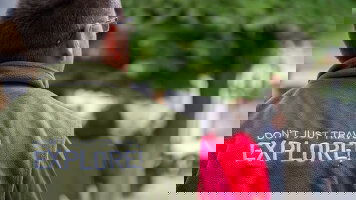
Explore's leaders are more than just your typical guide. They're your local expert are are passionate about sharing their expertise with you. Read more
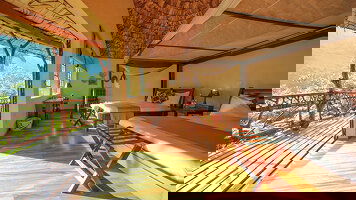
The places Explore stay are every bit as important as the sights they visit and the things you do. Read more

Download Brochure

Explore Worldwide Small Group Adventures (2025-26)
Prices & Dates
There are currently no departures available on this trip. Either it's the end of the season and new departures will be released shortly, or this itinerary has been changed and is not operating this season. Feel free to contact us for information about when next seasons dates will be released or click here to view general release dates for all destinations.
Tour & cruises prices are per person. Prices shown have savings applied, are subject to availability and may be withdrawn at any time without notice. Pricing and trip details are correct at this point in time, however are subject to confirmation at the time of booking and are subject to change by Explore. For cruise itineraries, cabin images are sourced from the cruise-line and should be treated as indicative only. Cabin inclusions, upholsteries and room layout may differ to the image(s) shown depending on the ship selected and your sailing dates.