Highlights of Albania



Itinerary
Our tour starts today in Tirana, the colourful capital of Albania. Having emerged from its Communist past in the early 90's, Tirana's vibrant arts scene, café culture, diverse architectural styles and intriguing landscapes create a rich tapestry of styles; offering a great introduction to Modern Albania. There are no other activities planned today, so you're free to arrive in Tirana at any time. If you'd like an airport transfer today, you'll need to arrive into Tirana International Airport (TIA), which is around a 40-minute drive from our hotel. Please look out for your driver, who will be waiting outside the terminal in the arrivals area holding a branded sign. You'll need to exit through the doors on the left hand side when you exit the baggage claim area. For those arriving in time, our tour leader plans to meet you in the hotel reception at 7.30pm for a welcome meeting and for those that wish, there is the chance to go out for dinner. If you miss the welcome meeting, your tour leader will inform you of any essential information on the morning of day two. Tirana is easy to navigate on foot, so if your flight arrives earlier in the day, you might like to head out and explore. The House of Leaves, a museum dedicated to secret surveillance and the headquarters of Albania's secret service throughout the Cold War, is an intriguing stop. If you're into markets, check out Pazari i Ri, an open-air market where you can buy everything from fresh produce to local specialities such as byrek, baklava and honey. Whilst in Albania, we'll have the chance to try the country's delicious cuisine, which is a mix of Turkish, Greek and Italian influences, such as byrek - a spinach and feta stuffed filo pie and barbequed lamb with hearty vegetables such as griddled aubergines, peppers and courgette. Along the coast, there'll be the chance to try some fresh seafood, simply prepared to let the natural flavours of the sea take centre stage. Albania is also home to some excellent local wines and refreshing regional beers, such as Birra Korca, perfect for an evening toast. We've packed in as many of Tirana's highlights as possible on this trip, however, we have very little free time in the city. If you'd like more time to explore, we recommend extending your stay by a night or two.
This morning, we'll explore the city on foot with a walking tour, taking in the main sights such as Skanderbeg Square and Et'Hem Bey Mosque. We'll include a visit to Bunk Art 2, the second of two nuclear bunkers in Tirana that has recently been transformed into an interactive museum space. You can wander through the furnished rooms which were originally built as a shelter for the late dictator Enver Hoxha and his inner circle. The museum shows a harrowing glimpse into the reality of life under the Communist regime. Afterwards, we'll head to the Dajti Express cable car, which is the longest cableway in the Balkans. A 15-minute journey takes us almost to the top of Mount Dajti at around 1,049 metres/3,441 feet. From here, we can admire the views over the city below and the surrounding highlands. Next, we'll drive to the Pellumbus Guesthouse where we'll meet the Duqi family. A truly unique experience (and a chance to try tasty, local produce), the guesthouse is run by the family and their visitors who come from all over the world; helping to tend the gardens and grow their food. Lunch will be served in their garden, and will include a selection of local cheeses, jams, fruits and olive oils, byrek, fresh juices and home-made bread. This is a true taste of farm to table cooking in the middle of Tirana's surrounding countryside; while you're there make sure you say hello to the resident cat 'Nina'. In the evening, we'll drive back to Tirana and finish off our walking tour. We'll then have free time to enjoy Tirana at our own pace and have some dinner.
This morning we'll have an early start. Before leaving Tirana, we'll visit the Bektashi World Centre. The Bektashi Order is an Islamic dervish sect which blends elements of both Shia and Sufi beliefs. We'll have a brief stop to see their ornately decorated tekke (place of worship) with its marble mosaics. The centre is a stunning feat of architecture, featuring the greens and blues of Islam throughout its design and surrounded by a lush green setting. We'll then drive an hour to Elbasan to visit the historic fortress and we'll have free time for lunch before before continuing on to Pogradec, located on the picturesque shores of Lake Ohrid. This leg of the journey will take about 2.5 hours. Pogradec is situated between two mountain plains stretching from the rugged mountains to the clear blue waters of the lake, the city is a kaleidoscope of calming colours and stunning views and particularly stunning at sunset. Lake Ohrid itself is one of the oldest in the world and is a spot renowned for its beauty. If you fancy a walk in your free time, you might like to walk towards the summer house of Enva Hoxha. If you continue walking you'll eventually come to the the Driloni National Park, nearing the North Macedonian border. The tranquil waters of the lake are perfect for cooling off during the summer months, so don't forget your swimsuit if you want to take a dip before dinner.
Today, we'll make the journey to Voskopoja; founded in the 16th century, the town was once a major urban settlement and was famous for its churches which were adorned with beautiful frescoes. These churches have an incredibly unique atmosphere and you'll gain a really intimate look at their original architecture and decor; their walls tell a story of Albania's fascinating history. After exploring the churches, we'll have lunch in one of the local restaurants and try some of the local specialities. We'll then continue to Korca, which sits at the foot of Morava Mountain. This is where we'll spend the night. On arrival, we'll take a walking tour around the city visiting sites such as the Resurrection Cathedral, which is the city's main Orthodox Church. In the evening, we'll have the chance to head into the old town and try the famous Baked Raki (Raki e pjekur), Albania's answer to Hot Toddy- perfect for warming you up after a day of travelling. The local pubs and bars have a variety of raki flavours on offer, which you can sample while you soak up the cosy atmosphere of this historic city and rub shoulders with the locals. You may even be lucky enough to hear some of the traditional Serenades of Korca (Seranata Korcare), romantic folk ballads typical of the area.
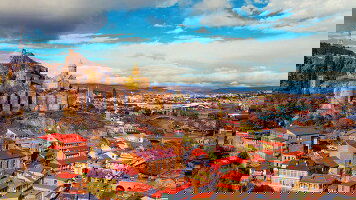
Today's four hour journey takes us through Albania's stunning southern highlands as we head over to Gjirokaster. Travelling along one of the most scenic routes in Albania, we'll reach the Barmash Pass at 1,040 metres/3,412 feet, where sweeping views open up over the Gramos and Nemercka Mountains, which are snow-covered for most of the year and form the border with Greece. For lunch, we'll stop in a mountainside restaurant serving homemade raki - if it's too early for you, try the mountain tea, one of the most popular herbal teas in Albania. The remainder of the drive to Gjirokaster takes us through the White Mountains via the dramatic scenery of the Kelcyra Gorge, which has been carved out by the Vjosa River on its way to the Adriatic Sea. The scenery in the mountains is breathtaking with rolling valleys, that in spring are dappled with some of the most colourful wildflowers you're likely to see anywhere in Albania; wildflowers reminiscent of a painting by Monet. We'll spend the next two nights in Gjirokaster, often referred to as 'the Grey Pearl of Albania', named after its slate-roofed Ottoman houses and hilltop castle. This is undoubtedly one of the most enchanting towns on the Balkan Peninsula.
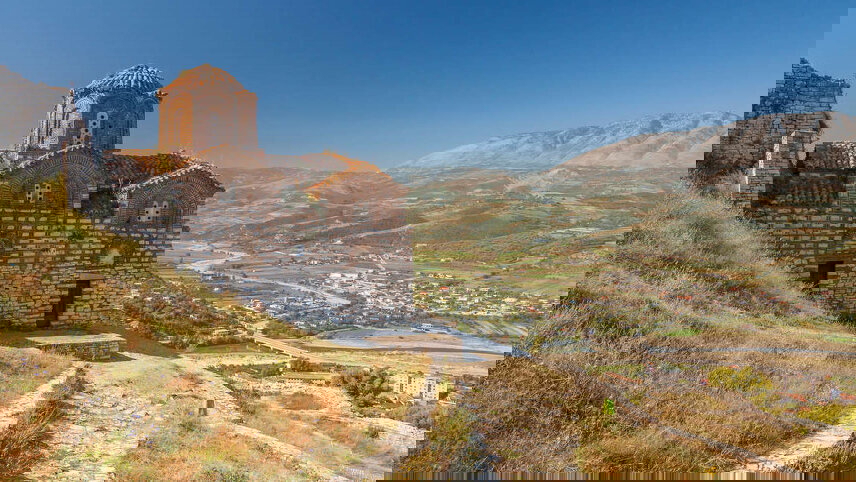
This morning, we'll visit Gjirokaster Castle. The castle sits at a height of 336 metres/1102 feet and is one of the most magnificent structures in the city with views over the hilly countryside, river valley and city. There have been extensive renovations to the building since it was constructed in the 12th century and it now boasts five towers, a church, a cistern, and a Weapon Museum. The museum exhibits artillery and memorabilia, a throwback to the time of Communist resistance against German occupation, as well as a captured US Air Force plane, kept in commemoration of the Communist regime's struggle against Western Imperialism. Afterwards, we'll head back down the hill, through Gjirokaster's cobbled streets and over to the Ethnographic Museum. The Ethnographic Museum is located in the historic Palorto district, the birthplace of former dictator Enver Hoxha. Spanning four floors, it's a fascinating glimpse into traditional Albanian life, showcasing vibrant folk costumes, intricate household items, and cultural artefacts. For lunch, we'll drive to Dhoksat village for a traditional homemade feast at a family house; this is one of the most traditional meals of the trip and a great opportunity to try some home-made Albanian wine. During this visit, we'll meet the family and explore their farm where we'll learn about rural life in Albania, and depending on the season, we'll head over to their beehives, enjoy a local honey tasting, walk around the vineyard, and learn about local wine production. In the evening you'll have plenty of free time to explore Gjirokaster at your own pace. Wander the UNESCO listed streets, do some shopping and grab a coffee whilst watching the world go by. Or, why not step back in time by visiting visiting Skenduli House, the most remarkably preserved residence in Gjirokastra's old town, dating back to 1823. Still owned by descendants of the original builders, this grand home once served as the Ethnographic Museum. You may also like to visit Zekate House at the top of the hill, dating back to 1812 and built for Ali Pasha's general administrator Beqir Zeko. Both houses offer an intimate glimpse into the opulent lifestyles of affluent Albanian families from centuries past.
Leaving Gjirokaster behind us, we'll drive for two-and-a-half hours to Saranda. Along the way, we'll make a stop and walk to the natural karstic spring Syri i Kaltër, also known as ' The Blue Eye ' where we can marvel at the stunning clear aquamarine waters. Widely regarded as one of the Balkans most striking natural landmarks, the constant flow of crystal-clear water creates a mesmerising visual effect, giving the impression of a giant eye looking up from beneath the surface. This afternoon, we'll visit UNESCO-listed Butrint, which is one of the greatest archaeological sites in the Balkans. With a long and colourful history dating back to the early Neolithic age, Butrint was occupied and fought over until the Ottoman period when it lay abandoned. More recently, excavations have taken place and all periods of Butrint's history have been revealed including its Roman theatre, Roman house, thermal baths and a baptistery. The setting is idyllic with the ruins nestling in the bend of the Vivari River. After exploring this fascinating site, we'll return to the shores of the Mediterranean where we'll spend the night in Saranda, where you'll have free time to walk along the seaside promenade, head to one of the many bars for a drink and have dinner.
Prepare for breathtaking views this morning as we leave Saranda and set out on our three-hour journey along the Albanian Riviera to Llogora National Park - one of the most scenic drives in all of Europe. This drive gives you a real sense of Albania's incredibly diverse landscape; everywhere you look is a different snapshot of striking scenery. As we wind our way along the coast and the Llogora Pass, we'll be treated to views of turquoise sea, mountains and forests, passing terraces of citrus groves and olive trees - it's simply stunning. Along the way, we'll stop at Ali Pasha Fortress, a castle on a small peninsula within Palermo Bay with even more impressive views over the clear waters. Although small, the walls of the triangular fort are well preserved, and some canons remain in place, too. The views from the top of the fortress span over the sea, and on a sunny day this is a beautiful spot for taking in the views (or for a photoshoot!). We'll learn about the Albanian ruler, Ali Pasha, who held office between 1788-1822, and the important role he played in politics while Albania was under Ottoman rule. In the fortress, see if you can spot the painting of Lord Byron, who was a big fan of Ali Pasha and visited the fortress several times. Heading on from the fortress, we'll stop at the beach in Himara en route to our final destination for the day. Himara is a great place to take a refreshing dip during the summer months or grab a drink. Along our journey we'll also take some time to stop for lunch. Upon reaching Llogora National Park, we'll have time for a hike on the famous Caesar's Trail (approximately 4 kilometres/ 2.5 miles) which is a great opportunity to soak up even more incredible views. If you'd rather not take on the hike, you can relax at the hotel or take a short walk in the forest independently. Tonight, we'll stay in a hotel nestled amongst the pine trees of the tranquil national park.
This morning, en route to Apollonia, we'll stop at Vlora where we'll visit Flag Square and the Muradi Mosque. From here, we'll continue our drive to Apollonia. Founded in 585 BC and dedicated to the god Apollo, the city achieved fame and wealth before joining the Roman Empire and becoming Caesar's stronghold during the civil war with Pompey. The most impressive feature of the site is the bouleuterion - a facade with six Corinthian columns which are thought to date back to the 2nd century AD. Although much of the ancient site is yet to be excavated, if you use your imagination it's possible to picture a time when it could support 55,000 men, including Octavian (later Emperor Augustus), who is said to have studied Philosophy here. After our visit, we'll continue for one-and-a-half hours to the wonderful city of Berat where we'll spend the night. Situated over a gorge next to the Osumi River and in the shadow of Mount Tomori, Berat's white Ottoman-era houses sprawl up the hillside towards the city's famous fortress, unmarred by newer constructions (which are strictly limited to preserve the city's historic beauty). As well as its rich history - which is evident at every turn - Berat is also famous for its wine, which we recommend trying at dinner this evening.
Exploring Berat on foot this morning, we'll head up to the fortress and see the painted icons and frescoes in the Church of Saint Mary, one of the seven churches within the citadel walls. We'll also see the oldest mosque in Albania, the Red Mosque, and visit the Onufri Icon Museum. After the tour, you'll have free time for lunch in Berat to browse the shops, discover the old town at your own pace. The town has a great variety of restaurants to choose from and a vibrant atmosphere. We'll then head on to Kruja where we'll spend the last night of our trip. Kruja is famous for its fortress, which is a place of pilgrimage for Albanians, the bazaar and the Ethnographic Museum. We'll have some free time in Kruja, meaning you'll have extra time to visit the museum and castle, explore the shops, or relax in the hotel pool, before enjoying our final group dinner. It's the ideal place if you want to do some souvenir shopping before heading home; walk through the narrow cobbled bazaar and you'll find all manner of things, from rugs and clothes to magnets.
The trip ends after breakfast at our hotel in Kruja. There are no activities planned today, so you're free to depart at any time. If your flight is departing later in the day, luggage storage facilities are available at our hotel. If you'd like to receive an airport transfer today, you'll need to depart from Tirana International Airport (TIA), which is around a 40-minute drive away. Depending on the time of your flight, you might have some free time today to explore more of Kruja. Kruja is a beautiful town to enjoy at your own pace, so if you'd like to take some time to relax and wind down after the trip, we'd recommend extending your stay for a night or two.
Trip Inclusions
- Tirana - Discover one of Europe's up-and-coming cities and a melting pot of cultures; from Islamic, Catholic, Italian, Turkish and Greek, sitting side by side with Ottoman and Communist era artefacts. Butrint & Apollonia - Explore two of the greatest archaeological sites in the Balkans. Gjirokaster - Stroll along the cobbled streets of this UNESCO-listed town, famous for its Ottoman houses and hilltop castle. Llogara National Park - Soak in the scenery of this unspoilt area of natural beauty and walk along Caesar's path, after a stunning road trip along the coast.
- Moderate pace tours are ideal if you want a holiday which combines exciting activities and experiences with plenty of time to relax and unwind. Typically you'll be active and busy for part of the day but then also have time to rest and recharge your batteries.
- Accommodation, itinerary and inclusions subject to change.
- Price is for land, cruise and internal flights as specified. Flights not specified are not included
Launching in 1981, Explore Worldwide offer trips from over 130 countries - from classic small group tours. Read more
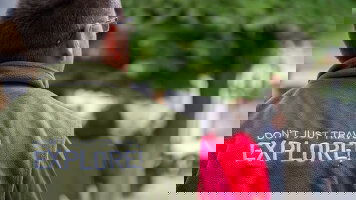
Explore's leaders are more than just your typical guide. They're your local expert are are passionate about sharing their expertise with you. Read more
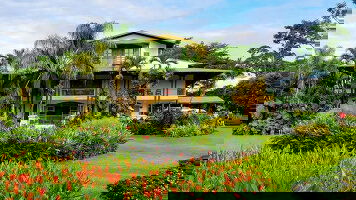
The places Explore stay are every bit as important as the sights they visit and the things you do. Read more

Download Brochure

Explore Small Group Adventures (2026-27)
Dates & Pricing
A definite departure means minimum numbers have been reached for this departure to operate. Your Global Journeys Travel Advisor will check the availability of your departure date when you Enquire. Additional savings may apply. T&C’s apply.
Tour & cruises prices are per person. Prices shown have savings applied, are subject to availability and may be withdrawn at any time without notice. Pricing and trip details are correct at this point in time, however are subject to confirmation at the time of booking and are subject to change by Explore. For cruise itineraries, cabin images are sourced from the cruise-line and should be treated as indicative only. Cabin inclusions, upholsteries and room layout may differ to the image(s) shown depending on the ship selected and your sailing dates.