Overview


Wildlife

Affordable

16-99 Years

16

Leisurely

Fully Guided

WZIA3
Itinerary
Our adventure starts in Antananarivo, the picturesque capital of Madagascar, which is often shortened to Tana. There will be a group meeting and briefing in the evening followed by an optional group dinner for those who would like to join. .
This morning, we embark on a two-hour city tour of the capital. With busy markets, friendly people and an ancient town on a hill with freestone churches and ancient royal places, it is a magnificent place to explore. We then drive 88mi/142km (five hours) to Andasibe through the green vegetation of the east. This first stop brings us to the humid part of the country with many primary forests and lakes. Along the way, we see Merina villages in the rocky mountains.
In the afternoon, we have a two-hour visit to Vondron'olona Miaro Mitia Ala Reserve, a community-run reserve where we can see several species of lemurs and birds. The reserve is an untouched paradise for endemic animals and plants. Diademed sifakas jump in the treetops and groups of playful indris can be spotted with their unmistakable sound. For reptiles and amphibian lovers, the reserve is home to countless frogs along the crystal-clear river and several amazing chameleons live in the forest. In the early evening, we take a twilight/nocturnal walk along the road, close to the Andasibe Nature Reserve, looking for the nocturnal species of lemur as the torchlights pass their eyes. .
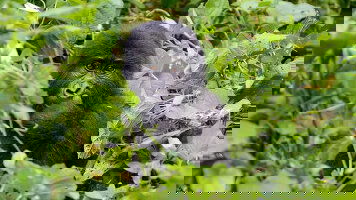
Discover Andasibe National Park (also known as Perinet) and its wildlife on a three-hour walk. Expert trackers work with our leader to provide the best opportunities for wildlife viewing. The park is home to the teddy bear-like indri, the largest of the lemur species in Madagascar, as well as other flora and fauna and a wide array of birdlife.
Listening to the piercing yet melancholy cry of the indri in the morning is an evocative sound and for those who are prepared to follow them through the thick rainforest, the reward is often a close-up view of these beautiful creatures. A group of five diademed sifaka has recently been reintroduced to Andasibe from Mantadia; if we are lucky, we may spot one of these unusual creatures.
This afternoon we drive 88mi/142kms back to Antananarivo, a journey of around four to five hours. .
We head south to Antsirabe, across the highland landscape of beautiful rice fields. The spectacular eroded hills called lavaka remind us of the Far East with rice fields and a green landscape or vegetables and fruit trees. Antsirabe, or the Place of Salt, is a city known as the centre of the beer industry. Founded by Norwegians in 1856, it is the only place in Madagascar that really feels and looks like a European city. It has a temperate climate and all fruits and vegetable that grow in cold climates are found here. Total drive time is 105mi/170km and should last about five hours. .
After breakfast, we drive for approximately 12 hours to Ambositra, the centre of the wood-carving industry in Madagascar. We are still in the highlands, where the houses are decorated with ornately carved wooden balconies and brightly coloured shutters. Further on we pass le col de tapia, a type of tree resistant to the bush fires of the area. The landscape is still dominated by rice fields, pine forests and eucalyptus trees, and rocky mountains. Our destination for the day is Ranomafana National Park, and the drive is 155mi/250km (nine hours. ) .
Parc National de Ranomafana, with rainforest hills and abundant wildlife, has long been considered one of the highlights in Madagascar, and is one of the most heavily visited national parks here. The entrance is about 4mi (7km) from Ranomafana village, while altitudes in the park range from 2,625ft to 3,940ft (800m to 1,200m).
In addition to densely forested hills, the terrain here is characterised by numerous small streams, which plummet down to the beautiful Namorona River. Although much of the region has been logged, the easternmost part of the park retains relatively large areas of primary forest. We walk in the park for approximately six hours looking for lemurs, chameleons and other animals. As we track the wildlife for the best viewing opportunities, the walk has the potential to be challenging if we need to walk at a quick pace through the forest.
We hope to see golden bamboo lemurs, which are unique to this park, plus other lemurs such as eastern woolly lemurs, red-bellied lemurs, grey bamboo lemurs, and red-fronted brown lemurs. This park is also home to other mammals including tenrecs, bats and carnivores such as mongooses and the Malagasy striped civets.
We have an early start as we leave Ranomafana National Park. The scenery changes dramatically as we head to the small town of Ranohira, a journey of approximately 211mi/340km (ten hours). We stop near Ambalavao to visit Anja National Park along the way, a small reserve where several families of ring-tailed lemurs can be seen among the vegetation. .
After an early start, we spend our day exploring Isalo National Park, a vast region of wind-polished and water-scoured rock towers, deep canyons, gorges and oases often described as Eden. If the conditions are right, we walk in the magnificent Canyon des Makis in search of cheeky ring-tailed lemurs and the Verreaux's sifaka.
We also visit the Piscine Naturelle (Natural Swimming Pool), a beautifully lush spot in such an arid landscape where we can swim and relax. The combination of coloured rock formations, strange plants and enveloping silence make this one of the most captivating places in Madagascar. .
After breakfast, we continue to Tulear. This brings us new scenery, among the dry forests of the west and the spiny desert of the south. On the way, admire the different Mahafaly tombs and the Antandroy tombs from the road and visit Zombitse National Park for a few hours. This drive is about 149mi/268km (seven hours). The Zombitse National Park forest is of particular interest to birdwatchers, as it is home to one of Madagascar's rarest endemics, Appert's greenbul, as well as other species such as giant coua, crested ibis and cuckoo roller. Verreaux's sifakas, red-fronted brown lemurs and sportive lemurs are also seen here. .
This morning, we take a boat transfer to Anakao arriving at around 9am. The boat transfer takes approximately 1 hour. This Vezo (meaning the people who fish) fishing village lies on the southwest coast of Madagascar and has white-sand beaches. The rest of the day is free for optional activities, including snorkelling, diving, pirogue (a small boat similar to a canoe) excursions, swimming and more. .
An early 4x4 transfer (approximately two hours) takes us to Tsimanampetsotsa for a full day in the national park. A large, shallow soda lake is the standout feature here, while a large limestone plateau has some of the most striking spiny forest vegetation in Madagascar with countless endemic species. The park sits on a large underground aquifer that runs north, evidenced by numerous sinkholes and caves.
The lake is renowned for its waterfowl, notably flamingos and other rare endemic birds including the Madagascar plover. We may even be lucky and spot the emblem of the park, the very rare Grandidier's mongoose. In the late afternoon, we return to Anakao.
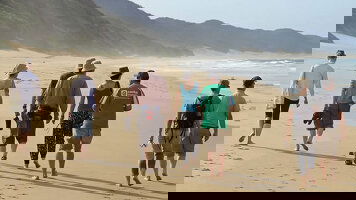
Today, we take a boat excursion to the small island of Nosy Ve to see red-tailed tropic birds (white seabirds with red bills and long, thin, red tails). If we are lucky, we may see the females roosting under small shrubs, well hidden from airborne predators such as hawks or eagles. A stroll around the shoreline, including a long white-sand beach, takes about one hour. After our three-hour exploration, we return to Anakao, usually around lunchtime. The rest of the afternoon is free for optional activities. .
Today, we transfer to Tulear airport for our flight to Antananarivo. Depending on the flight schedule, you may have free time in the afternoon to explore Tana on your own.
This morning we visit Ambohimanga, the fortified village and its royal palace for one hour. Ambohimanga, otherwise known as Blue Hills, was for a long time forbidden to Europeans. The kings and queens returned to this hilltop village for rest and relaxation. From here began the line of kings and queens who united Madagascar into one country. Ambohimanga remains spiritually significant for the Malagasy people with ceremonies and rituals still taking place. Our adventure ends after Ambohimanga, with a total of two hours driving expected. Please note: Clients must not book flights leaving before 2. 30pm.
Trip Inclusions
- Discover the best of Madagascar, one of the world's great wildlife-watching destinations
- Team up with skilled local trackers for unforgettable encounters with wild lemurs
- Marvel at the amazing rock formations, spectacular canyons and natural swimming holes of Isalo National Park
- Discover the otherworldly spiny forest of Tsimanampetsotsa National Park
- Unwind with beach time in Anakao and a gentle walk along the white sands of Nosy Ve island
- 13 Classic nights (hotels)
- Travel by private bus, boat and internal flight
- All breakfasts
- All transport and listed activities
- Tour leader throughout
- Arrival and departure transfers
- Itinerary and inclusions are subject to change
- Price is for land, cruise and internal flights as specified. Flights not specified are not included
Operator

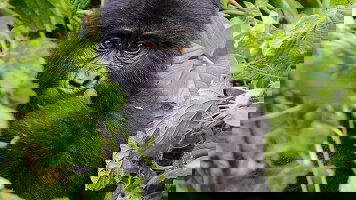
Enjoy thrilling animal encounters from the isles of the Galapagos to the plains of Africa. Read more
Exodus chooses their Leaders carefully. Professional, dedicated and are passionate about sharing their home countries. Read more
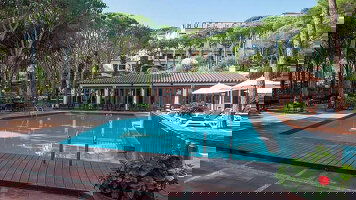
Wherever possible, Exodus chooses properties that are locally owned and that reflect the area you are visiting. Read more
Prices & Dates
There are currently no departures available on this trip. Either it's the end of the season and new departures will be released shortly, or this itinerary has been changed and is not operating this season. Feel free to contact us for information about when next seasons dates will be released or click here to view general release dates for all destinations.
Tour & cruises prices are per person. Prices shown have savings applied, are subject to availability and may be withdrawn at any time without notice. Pricing and trip details are correct at this point in time, however are subject to confirmation at the time of booking and are subject to change by Exodus. For cruise itineraries, cabin images are sourced from the cruise-line and should be treated as indicative only. Cabin inclusions, upholsteries and room layout may differ to the image(s) shown depending on the ship selected and your sailing dates.