Overview


274

239

1995

2018

SWRRRR.11
Itinerary
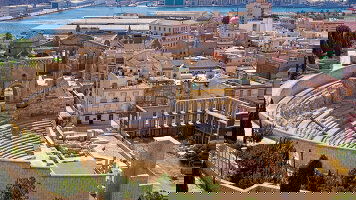
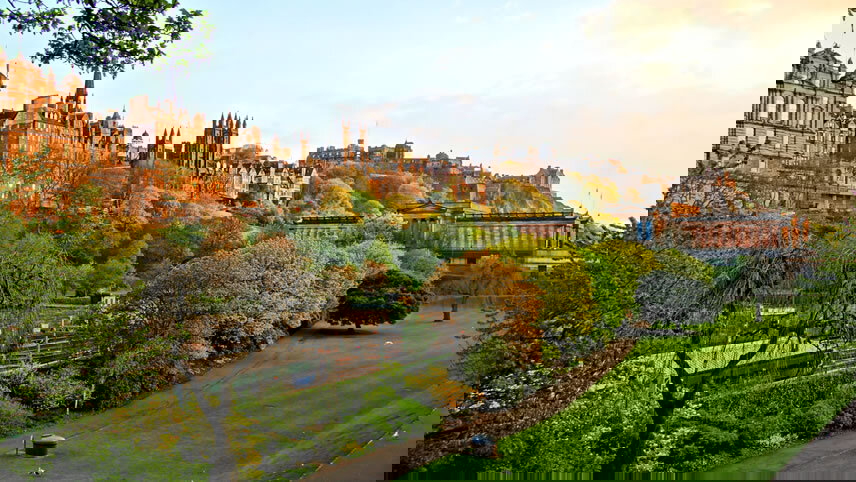
Nestled between the Highlands and the Border Hills, Edinburgh is a gracious city noted for its superb skyline, its impressive collection of architecture and its beautiful parks. Here you'll find the best of central eastern Scotland: spectacular views, rolling hills and castles. Ships will dock at the Port of Leith Cruise Liner Terminal.
Top Things to Do in Edinburgh:
- explore the Edinburgh Castle
- visit the Holyroodhouse
- wander down the Royal Mile
- play a round at the worlds oldest golf course
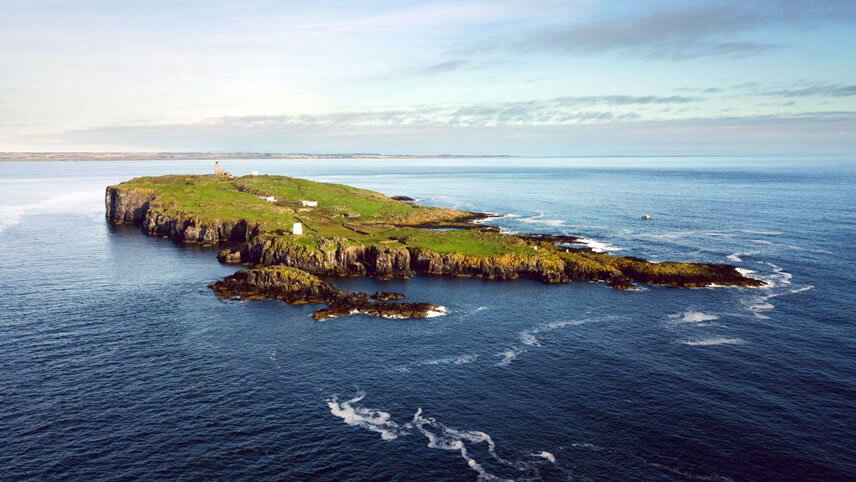
Located off the east coast of Scotland, the Isle of May is a wildlife haven renowned for its bustling seabird colonies and rich marine life. A short ferry ride from Anstruther, this small island offers visitors a unique glimpse into the lives of puffins, razorbills, and seals. The island’s rugged landscape is dotted with historic sites, including the remains of a medieval monastery and the Isle of May Lighthouse, Scotland’s oldest operational lighthouse.
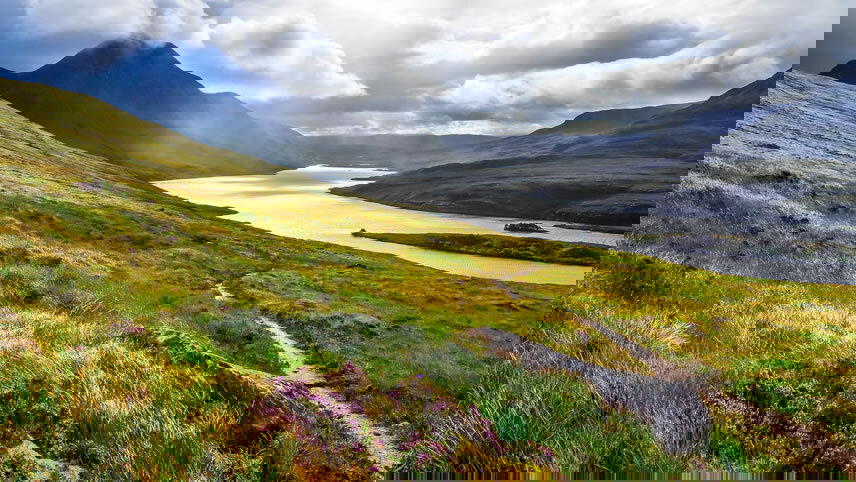
Invergordon, located in the Scottish Highlands, serves as a gateway to the region's stunning landscapes and historical sites. Ships dock at Invergordon Cruise Port, which is conveniently situated within walking distance of the town center. The port is approximately 37 kilometers (23 miles) from Inverness, the capital of the Highlands, which can be reached in about 45 minutes by car or train.
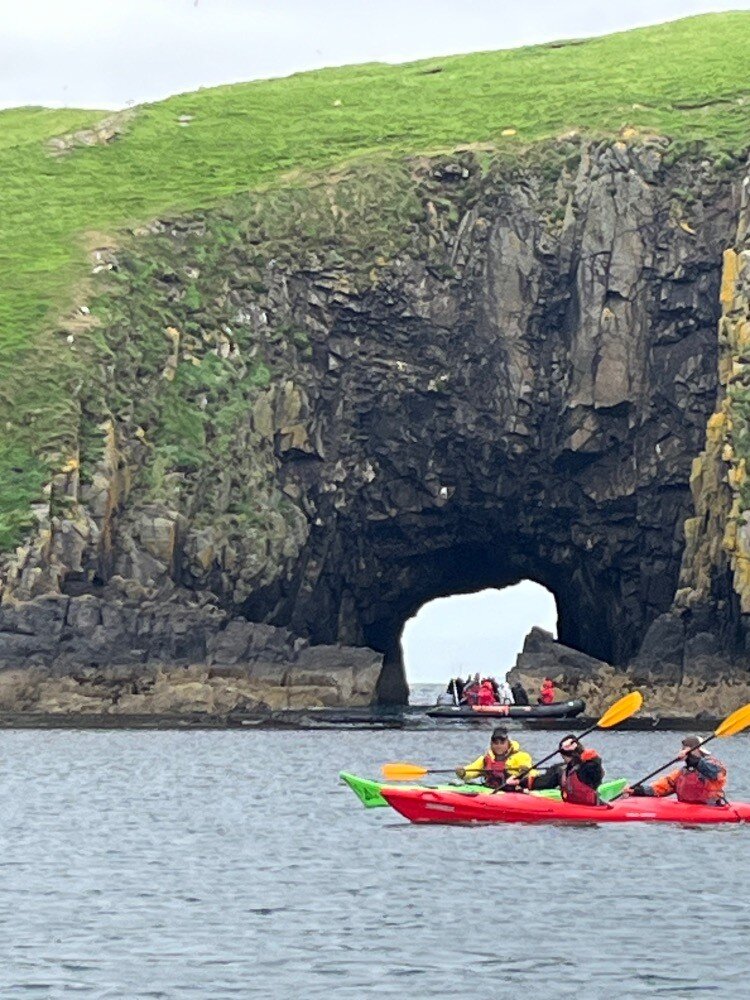
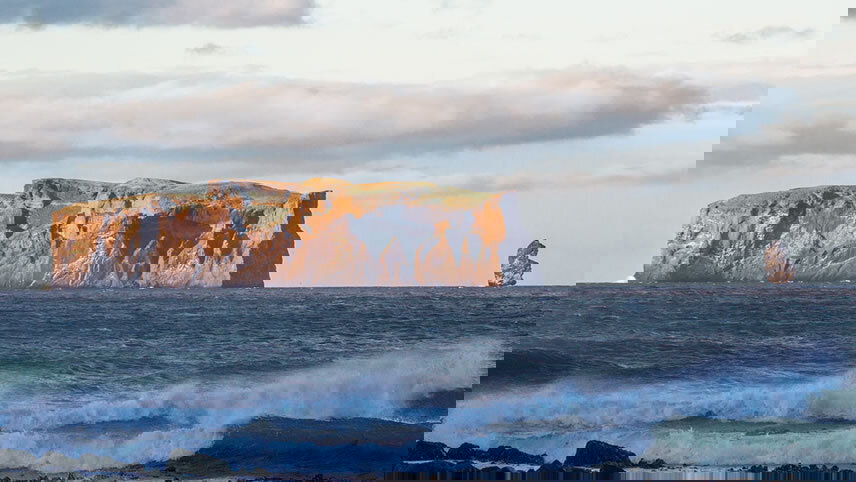
Lying midway between Shetland and the Orkney islands, Fair Isle is a tiny jewel in the sea, known for its birds, knitwear, and historic shipwrecks. With a population of around 70, the island offers a warm and friendly welcome to visitors. Turquoise waters surround the breathtaking Sheep Rock, which rises over 100 metres - almost an isle of its own.
Fair Isle's oceanic climate brings stormy yet mild winters, while summer sees rapid weather changes from sparkling sunshine to thick mist and fog. Named the island of peace by Norse settlers, it has been a landmark for shipping, but the storms and fog have contributed to over 100 shipwrecks, including the Spanish Armada flagship "El Gran Grifon."
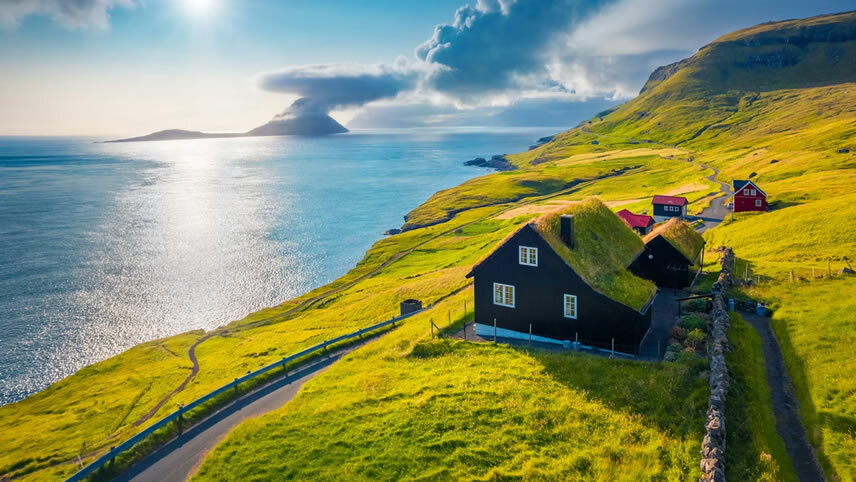
Runavik, located on the eastern coast of Eysturoy in the Faroe Islands, is a picturesque town known for its beautiful landscapes and vibrant community. The town serves as an important fishing and commercial hub, reflecting the traditional Faroese way of life.
Visitors to Runavik can explore the surrounding natural beauty, including hiking trails that offer stunning views of the fjords and mountains. The nearby Lake Toftavatn is a serene spot for birdwatching and enjoying the tranquility of nature. The town also hosts local cultural events and festivals, providing a glimpse into Faroese traditions and community spirit.
Surrounded by the mountains of Hægstafjall, Økslin, Loysingafjall, and Moskurfjall, Vestmanna sits quietly on the banks of Streymoy, on the North Atlantic Ocean. With 1,200 inhabitants, the colourful little village itself is lovely; a few shops and cafes selling locally made cakes and handicrafts, as well as the island’s native seafood soup dish. While those wishing to stretch their legs will enjoy the surrounding area for its stunning countryside, Vestmanna’s main attraction is beyond any doubt its bird cliffs. Youi don’t have to be a birder to appreciate these magnificent cliffs, although if you are the cliffs are the stuff of dreams. At almost 700-metres high (and six kilometres long), the cliffs rise steeply out of the water and are covered with tens of thousands of seabirds, zooming through the air, swooping into the water and nesting in the crevices.
The near vertical cliffs are home to numerous species including kittiwakes, Common Guillemots, Black Guillemots and the oh so charismatic Atlantic Puffin. Visually, they are stunning: waterfalls thunder into the sea, cliff tops cut jagged lines into horizon and the whole landscape seems straight out of Jurassic Park. Dressed in a cloak of mist and emerald green moss, to say that the feeling is otherworldly is an understatement. To gage the true beauty of the region, one must take to the sea. The experience of sailing under the cacophonic cliffs, juxtaposed by the silence of calm caves is simply unforgettable.
Seydisfjodur, located in eastern Iceland, is a picturesque town renowned for its stunning fjord views and vibrant arts scene. The town's charming wooden houses and rainbow-painted street create a welcoming atmosphere, perfect for a leisurely stroll.
Visitors can explore the Skaftfell Center for Visual Art, showcasing contemporary Icelandic art, or hike to the nearby Skálanes Nature Reserve, home to diverse wildlife and breathtaking landscapes. The nearby Gufufoss waterfall is another natural wonder worth visiting. Seydisfjodur's unique blend of natural beauty, cultural attractions, and artistic flair makes it a captivating destination for travellers seeking a serene yet stimulating experience.
Raufarhofn, located in the far northeast of Iceland, is a remote village known for its stark beauty and unique cultural attractions. The village is home to the Arctic Henge, a modern monument inspired by ancient Norse mythology, designed to align with the Midnight Sun. This impressive structure offers stunning views and a fascinating glimpse into Icelandic folklore.
Nature enthusiasts can explore the surrounding rugged landscapes, which are perfect for hiking and birdwatching. The nearby Melrakkaslétta Peninsula is renowned for its diverse bird species. Raufarhofn’s tranquil atmosphere and striking scenery make it an intriguing destination for those seeking a unique Icelandic experience.
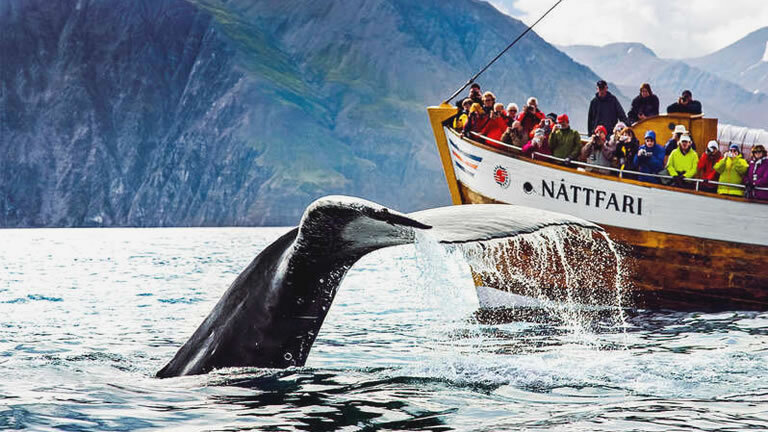
Tucked away on the northern coast of Iceland along the picturesque shores of Skjálfandi Bay is Husavik, a small fishing community that has garnered a well-deserved reputation as one of the best whale-watching destinations in the world. Ships will anchor offshore and tenders will be provided to the shore.
Top Things to Do in Husavik:
- visit the Whale Museum
- see the Húsavíkurkirkja church
- go on a whale watching boat tour
- visit Godafoss waterfall
- explore Jokulsargljúfur National Park
Hofsos, a quaint village in northern Iceland, is a hidden treasure known for its stunning natural landscapes and rich history. Overlooking the Skagafjörður fjord, the village offers breathtaking views and a peaceful atmosphere. The Hofsos Swimming Pool is a must-visit, renowned for its infinity-edge design that seemingly blends into the fjord.
History enthusiasts will appreciate the Icelandic Emigration Center, which tells the story of Icelandic emigrants to North America. Wander through the village to find traditional turf houses and scenic viewpoints. Nearby, you can explore the basalt columns at the shore or enjoy a boat trip to the Drangey Island bird sanctuary. Hofsos combines natural beauty and cultural heritage for a memorable Icelandic experience.
Drangey Island, a stark and imposing basalt sea stack in the middle of Skagafjörður in Iceland, is steeped in Viking lore and birdwatching opportunities. Legend has it that the notorious Viking, Grettir the Strong, used the island as a fortress until his demise. Today, it's a haven for numerous bird species, particularly puffins and guillemots, which thrive on the cliffs undisturbed by predators.
Accessible only by boat, the journey to Drangey is as exhilarating as the destination itself, with stunning views of the surrounding fjord. Once ashore, visitors can trek to the top of the island for breathtaking panoramic views. This rugged natural fortress offers a unique blend of history, adventure, and wildlife, making it a memorable stop for those exploring the mystic landscapes of Iceland.
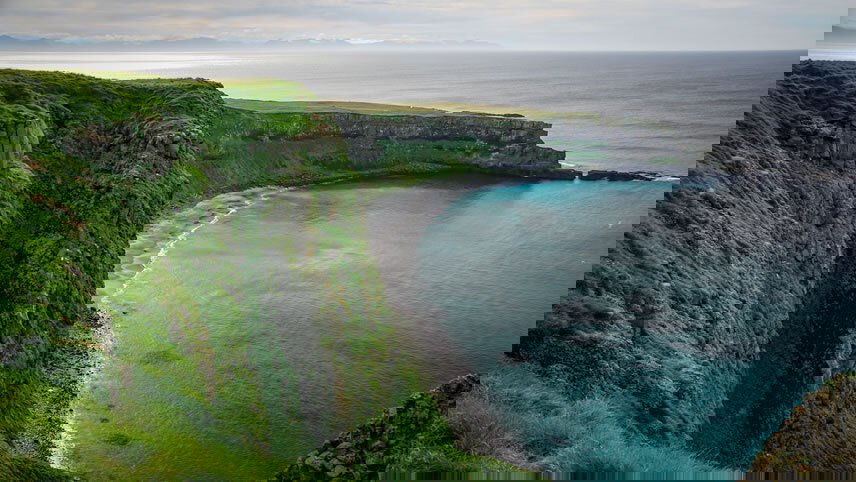
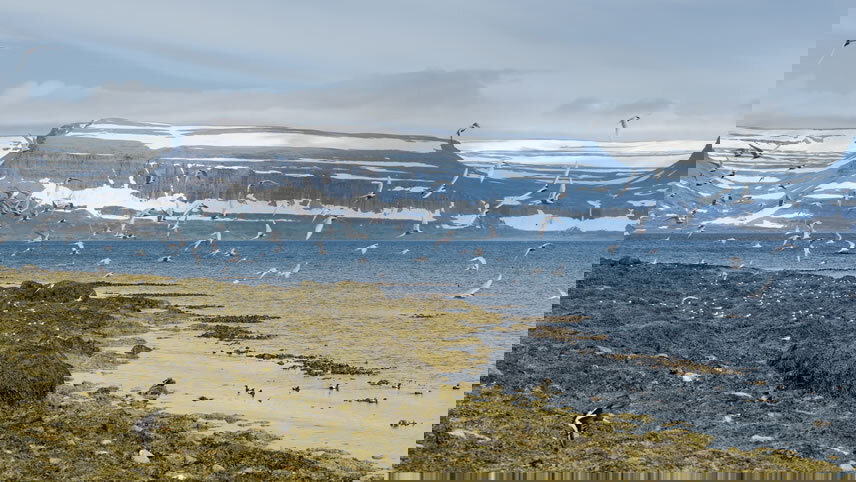
The green and grassy island of Grímsey stands alone in the Arctic ocean and is best known for its proximity to the Arctic Circle, which cuts across the island. Grímseyjarhreppur, on the west coast, is the island’s only town and has a backdrop of beautiful hillsides lushly carpeted with moss and grass.
The coastline is made up of imposing basalt cliffs that are inhabited by sea birds. The Atlantic Puffins are the most famous, but there are a wide range of other species, including Black-Legged Kittiwakes, Auks, Razorbills, Thick-Billed Murre and Northern Fulmar.
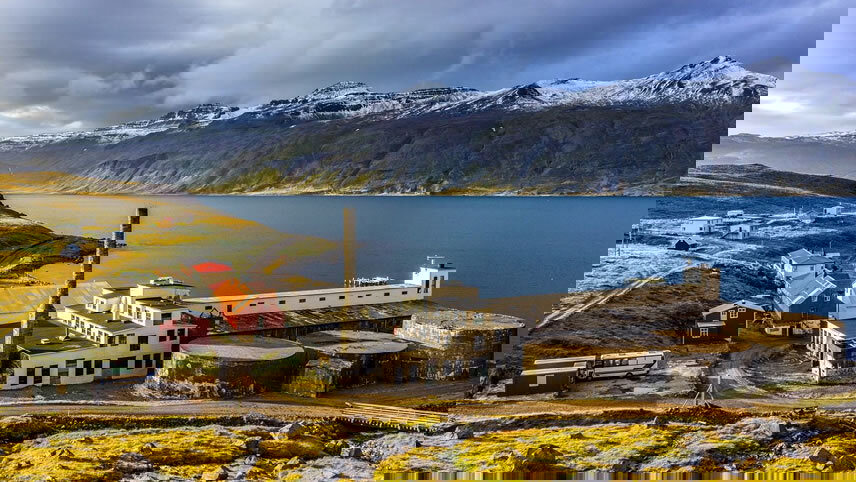
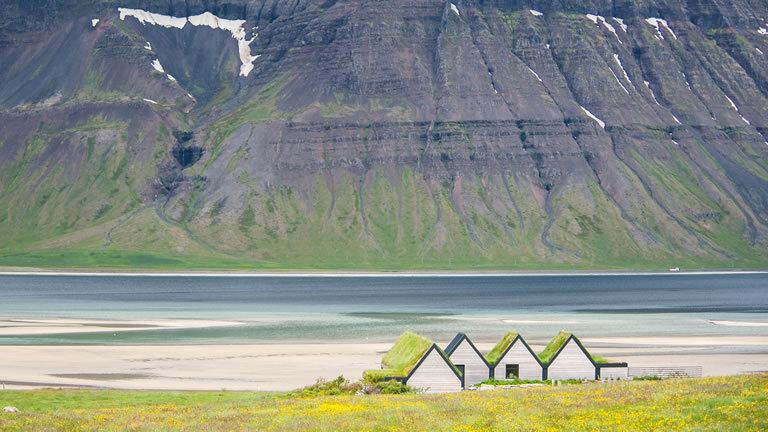
Djupavik, nestled in the remote Westfjords of Iceland, is a tiny village with a compelling blend of stark natural beauty and poignant history. Once a thriving herring fishing hub, it is now known for its striking abandoned herring factory, which stands as a silent testament to the boom and bust of the early 20th century fishing industry in Iceland. This haunting structure, against the backdrop of dramatic cliffs and the Atlantic Ocean, invites exploration and photography.
Visitors to Djupavik can also hike the rugged trails around the village, offering panoramic views of the fjord and the chance to spot diverse birdlife. The village exudes a quiet charm, with its few inhabitants providing a warm welcome to travelers seeking solitude and a touch of Icelandic history.
Bolungarvik is Iceland’s northernmost town and despite its relative isolation, Bolungarvik has been settled for hundreds of years. Located next to rich fishing grounds and the cove of the same name, Bolungarvik has always been a place for fishermen and one of the town’s attractions is a replica of an old fishing station.
Just to the northwest is Bolafjall Mountain which blocks off the wind and swell from the Atlantic Ocean. The view from the top not only covers Bolungarvik and the surrounding valleys and mountains, but several fjords and the Hornstrandir Nature Reserve.
Vigur, a small island in Iceland's Westfjords, is renowned for its serene beauty and abundant birdlife. The island is home to a variety of seabirds, including puffins, Arctic terns, and eider ducks, making it a paradise for bird watchers. Visitors can also see traditional Icelandic eiderdown harvesting methods.
The island features a charming 19th-century farmhouse, a historic windmill, and a unique collection of old tools and artifacts. The peaceful landscape, with its lush green meadows and stunning coastal views, offers a perfect escape from the hustle and bustle.
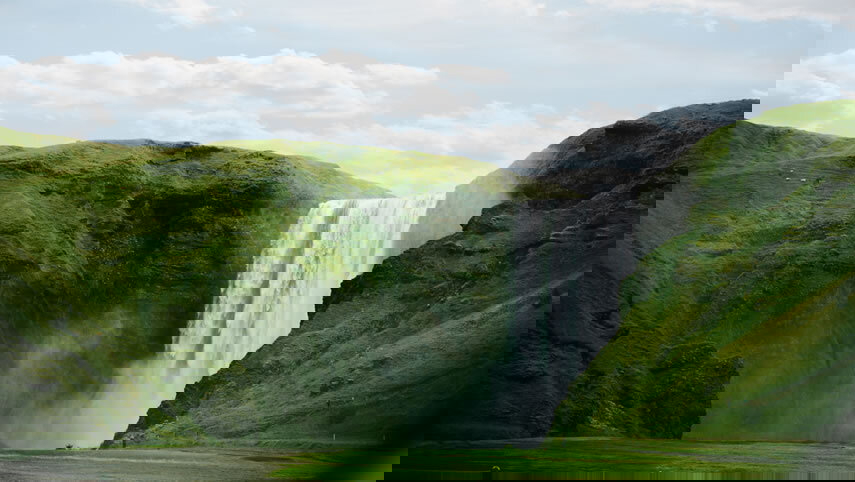
Iceland is well known for its spectacular waterfalls. The iconic Dynjandi waterfall, located in the Westfjords region, is regarded as one of Iceland’s most impressive and majestic waterfalls.
At the top, the cascading water is roughly 100 feet wide and tumbles down about 330 feet into the fjord.
Its name Dynjandi means, 'the thundering one' and its vast size, enormous sound, and sheer force is overwhelming. It has also been nicknamed, ‘The Bridal Veil’ because of the way the water sprays and spreads over the rocks.
Reykjavik, the vibrant capital of Iceland, offers a blend of natural beauty and cultural richness. Begin your day exploring the striking Hallgrímskirkja church, with its panoramic city views from the tower. Wander through the colorful streets of the Old Harbor, where you can find quirky shops, cozy cafes, and stunning views of Mount Esja.
Don't miss the Harpa Concert Hall, an architectural marvel on the waterfront, or a visit to the National Museum for a deep dive into Icelandic history. Recharge at one of Reykjavik's many geothermal pools, like the Blue Lagoon, just a short drive from the city. Wrap up your visit with a stroll along the scenic Sun Voyager sculpture, capturing the spirit of adventure and discovery.
Life On Board

Enjoy free-flowing premium wines and spirits, delicious gourmet cuisine, in-suite dining, full butler service for every suite and of course all gratuities. Whether you long to mingle in the Mediterranean, swim with the turtles of the Galapagos or embrace the glaciers of Alaska, there is something special about knowing that this cruising is all inclusive.
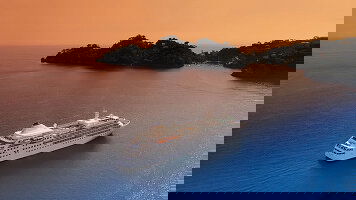
Breaking into new waters in 2020 with her ice class hull, Silver Wind offers all inclusive luxury. Read more
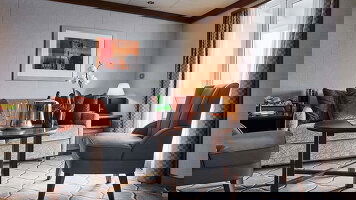
Your butler will bring all you need to your luxury suite so you can simply relax. Read more

Take in world class performers, live shows, expert talks and movies in the Show Lounge. Read more

With experts to assist you can enhance and print your own photos of your voyage. Read more

With four fine dining restaurants to choose from your culinary journey with by filled with flavour. Read more
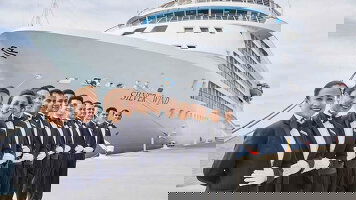
From the minute you step aboard Silversea's signature service will impress and indulge your every need. Read more
Ship Reviews (1)
Download Brochure

Silversea Expeditions (2026-27)
 USD
USD Tour & cruises prices are per person. Prices shown have savings applied, are subject to availability and may be withdrawn at any time without notice. Pricing and trip details are correct at this point in time, however are subject to confirmation at the time of booking and are subject to change by Silversea. For cruise itineraries, cabin images are sourced from the cruise-line and should be treated as indicative only. Cabin inclusions, upholsteries and room layout may differ to the image(s) shown depending on the ship selected and your sailing dates.
Similar Cruises