Overview



274

239

1995

2018

SWLHLBH
Itinerary
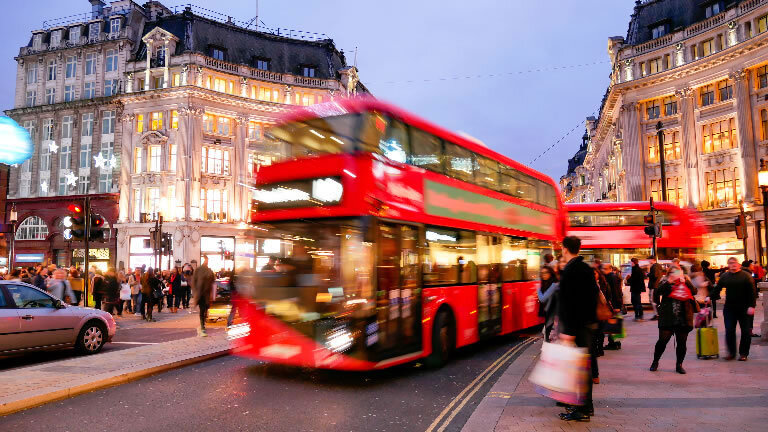
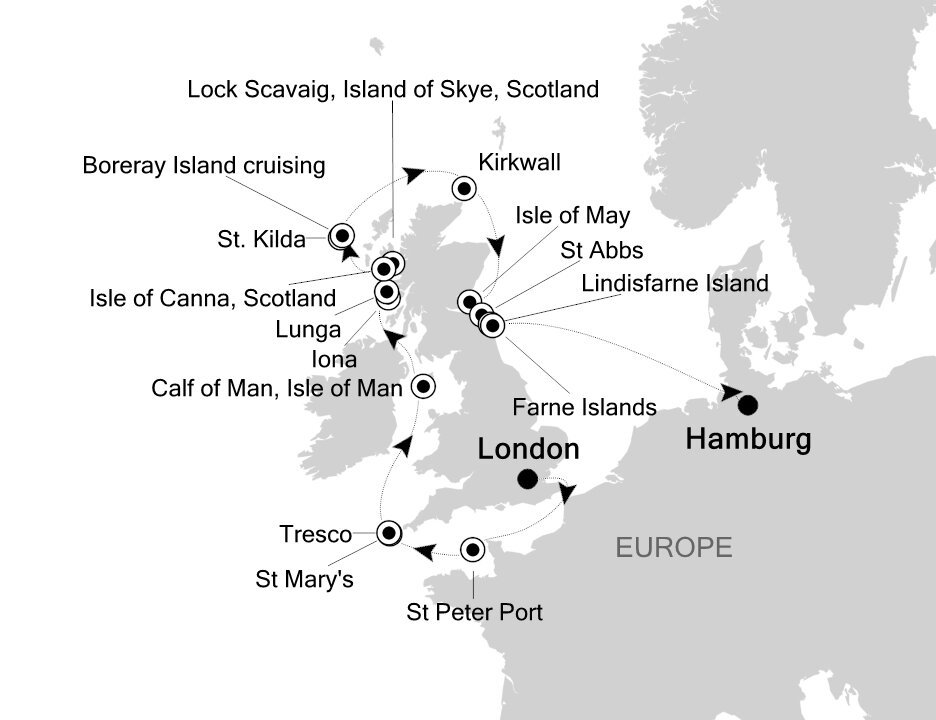
London, a vibrant metropolis brimming with history and culture, is a must-visit destination for cruise travellers. Explore the historic Tower of London, witness the grandeur of Buckingham Palace, and stroll across the majestic Tower Bridge. Art enthusiasts will relish the treasures housed in the British Museum and Tate Modern.
Explore London's culinary diversity at Borough Market, where a variety of international flavors await. Be sure to visit the lively Covent Garden, renowned for its street performers and charming boutiques. From the tranquil Royal Parks to the vibrant West End theatres, London provides a captivating blend of British heritage and modern vitality.
London, a vibrant metropolis brimming with history and culture, is a must-visit destination for cruise travellers. Explore the historic Tower of London, witness the grandeur of Buckingham Palace, and stroll across the majestic Tower Bridge. Art enthusiasts will relish the treasures housed in the British Museum and Tate Modern.
Explore London's culinary diversity at Borough Market, where a variety of international flavors await. Be sure to visit the lively Covent Garden, renowned for its street performers and charming boutiques. From the tranquil Royal Parks to the vibrant West End theatres, London provides a captivating blend of British heritage and modern vitality.
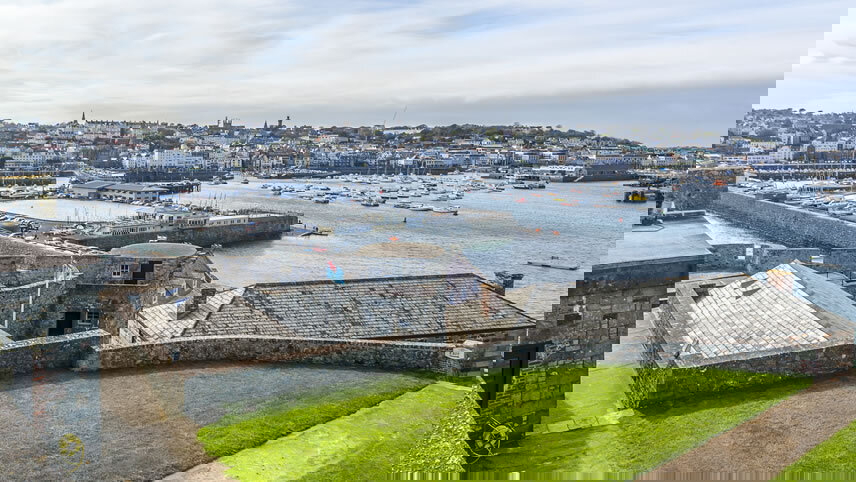
The picturesque capital of Guernsey proves that you don’t have to go to the Caribbean for white sand and crystal clear water. St Peter Port is both wonderfully pretty and atmospheric, full of blooming floral displays, tiny stone churches and brightly painted boats. What’s more, summers are mostly sunny and comfortable, making the weather something you don’t have to worry about
As the capital of Guernsey, St. Peter Port is where the “action” is found. This mainly takes the form of strolling the cobbled streets, stopping every now and then to admire, and perhaps photograph, the stunning views. Once French (original name: St. Pierre Port), the town is at least 800 years old, with the stone castle and maze like streets to prove it.
Once you have made you way up to the ancient castle, make like a local and find refreshment with a cream tea, washed down perhaps with a glass of cider! If the weather is on your side, then surely there is no more invigorating pastime than hiking up to the spectacular Guernsey cliffs, taking in stunning views of wildflowers, sandy beaches and English Channel views. For those who want to spread their wings a little further, the tiny island of Herm is just a 20-minute boat ride away, and homes no cars, one pub, a few cows, some puffins and about 50 people. Don’t be fooled by St Peter Port’s nostalgic exterior. The seaside town has made a name for itself as a foodie heaven, with everything from beach huts to Michelin starred restaurants offering sumptuous, locally sourced fare.
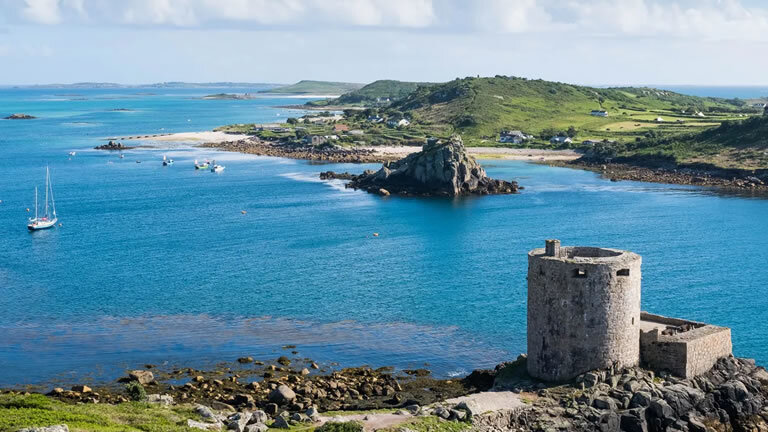
Scattered 30 miles offshore from England’s most south-westerly point, the Isles of Scilly are home to rich wildlife, and green land sloping to powdery white beaches.
St. Mary's is the biggest of the isles and is one of only five occupied islands. Isolated and serene, life here hums along at its own pace and the locals enjoy the UK’s mildest climate, and some of its most spectacular beaches.
Look our for Atlantic seals and seabirds like puffins and fulmars along the coastline. Visitors can also spot the ghostly shipwrecks strewn around the island's waters.
For many visitors Tresco is the most attractive of the Isles of Scilly. This is especially due to its Abbey Garden, which is home to thousands of exotic plant species from around 80 different countries. Plant collector Augustus Smith began the gardens in the 1830s on the site of an old Benedictine Abbey by channelling the weather up and over a network of walled enclosures built around the Priory ruins. He had three terraces carved from the rocky south slope and maximised Tresco’s mild Gulf Stream climate. Even in mid-winter there still are hundreds of plants flowering here. Another surprising attraction at the Abbey Garden is the collection of figureheads from ships that wrecked among the Isles of Scilly.
There is no calf on the Calf of Man. The name of this small island adjacent to the Isle of Man has nothing to do with cows. It is a mispronunciation of the Old Norse word kalfr, meaning a small island near a larger one. The Isle of Calf is only 250 hectares (618 acres) and is separated from its larger neighbour by a narrow stretch of water. Four lighthouses were built on the island and nearby rocks to warn seafarers. Ships hate rocks but Grey Seals love them for resting upon or swimming amongst. While there are no calves, there are a few sheep of the Manx Loaghtan variety, descendants of primitive sheep once found throughout Scotland and nearby islands.
Manx means ‘pertaining to the Isle of Man’. Once a private sheep run, the island was donated as a bird sanctuary and is now owned by the Manx National Heritage. Wardens live in the island’s old farmhouse over summer to protect the wildlife, research birds, tend the sheep and look out for introduced Brown Rats. The rats arrived after fleeing a sinking ship in 1871 and became effective killers of seabird chicks. Seabird numbers have surged following a recent rat eradication program. Manx Shearwaters breed from about March to August. They are named after their presence at the islands and seas surrounding the Isle of Man. The birds only visit their island nesting burrows at night and so are easier to spot from the deck of a ship. They glide ever so close to the surface of the sea as if they are ‘shearing’ the water. A sheer delight to watch.
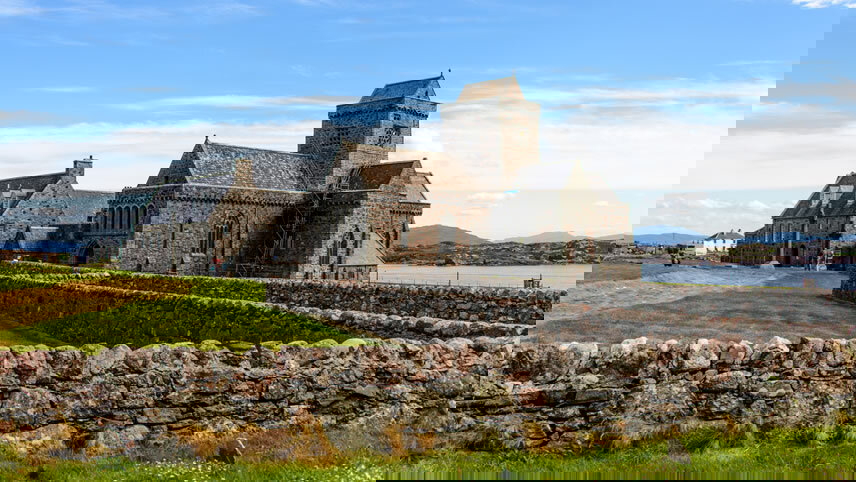
Known as the 'cradle of Christianity', Iona has an atmosphere of peace and tranquillity, enhanced by green fields and sandy beaches fringed with intense blue-green seas that look more Mediterranean than Scottish.
The island's main attraction is its medieval abbey, established by Saint Columba when he arrived from Ireland in 563. The abbey is a fine example of ecclesiastical architecture dating from the Middle Ages and it also serves as an important site of spiritual pilgrimage. Many kings of Scotland, including the legendary Macbeth, are buried in the nearby cemetery.
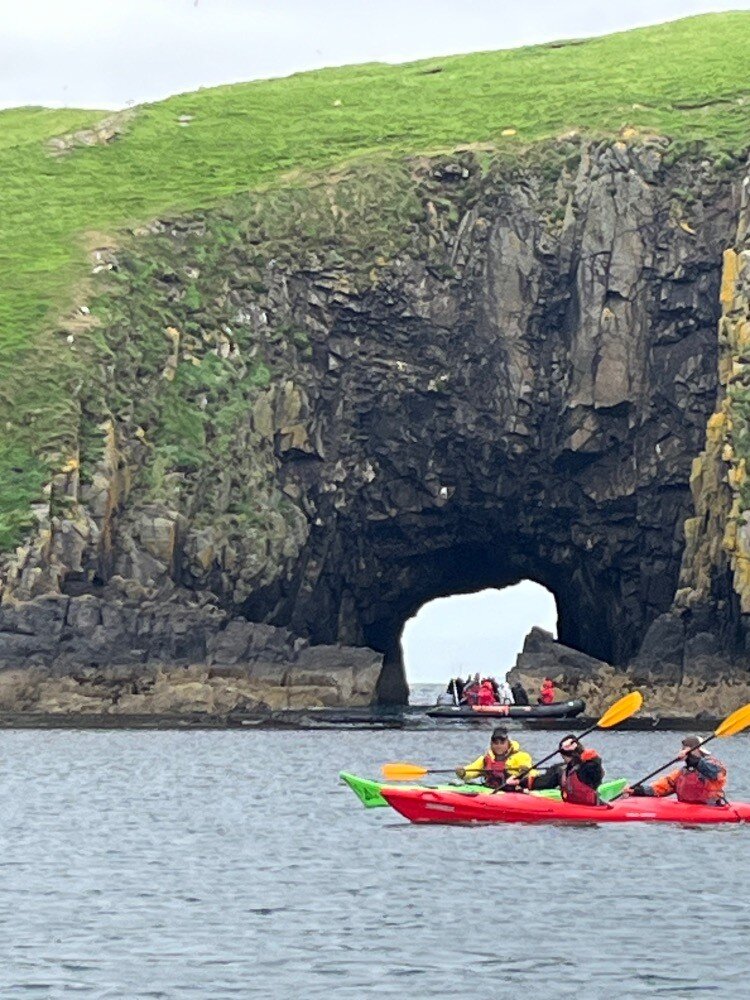
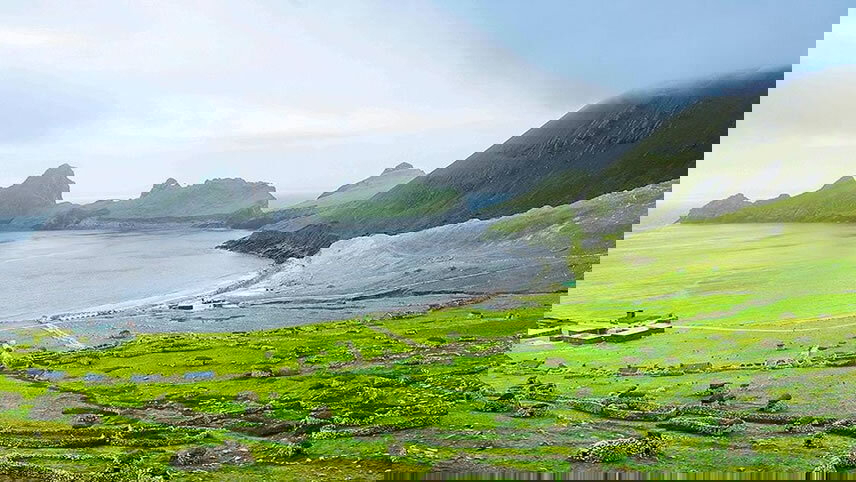
The stunning Isle of Lunga is the largest island in the Treshnish archipelago. With volcanic origin the isle was populated until the 19th Century, and remains of black houses can be seen around this magnificent coastal jewel. Abundant plant life and exotic birdlife are now the main inhabitants of the area. Fortunate visitors view the magnificent array of birds, especially the great puffins that breed on the islands plateau. One can sit within just a few feet away without disturbing the avian ambassador’s peace. The 81 hectare island is home to many rare and endangered plants such as, primroses and orchids. Views over the landscape and across the ocean can be seen from the 300 foot high cliffs.
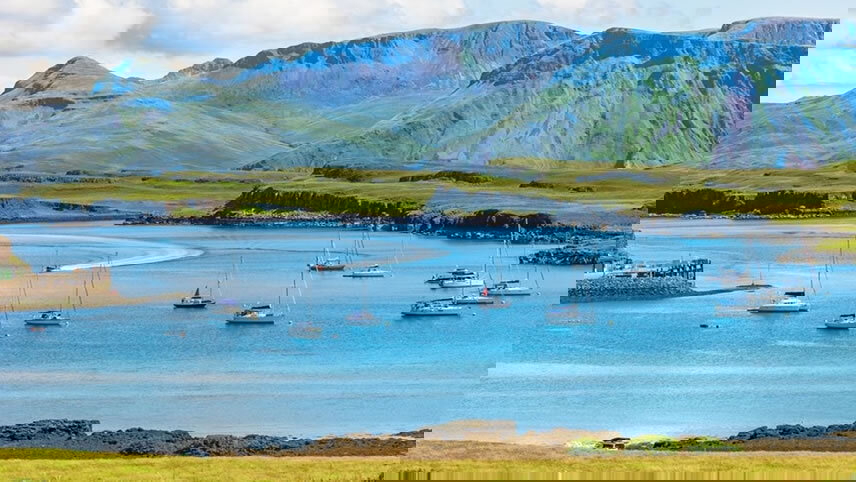
The Isle of Canna, the westernmost of the Small Isles in Scotland, is a serene and compact haven known for its rich history and natural beauty. Owned by the National Trust for Scotland, this peaceful island offers an array of archaeological sites, from ancient Celtic crosses to the remnants of Viking settlements.
Birdwatchers are particularly drawn to Canna for its significant populations of seabirds.
With just a few hours to explore, visitors can easily traverse the island’s gentle hills and enjoy panoramic views of the surrounding seas. The tranquil beaches and clear waters also invite leisurely strolls and picnics, making Canna a delightful retreat from the hustle of modern life.
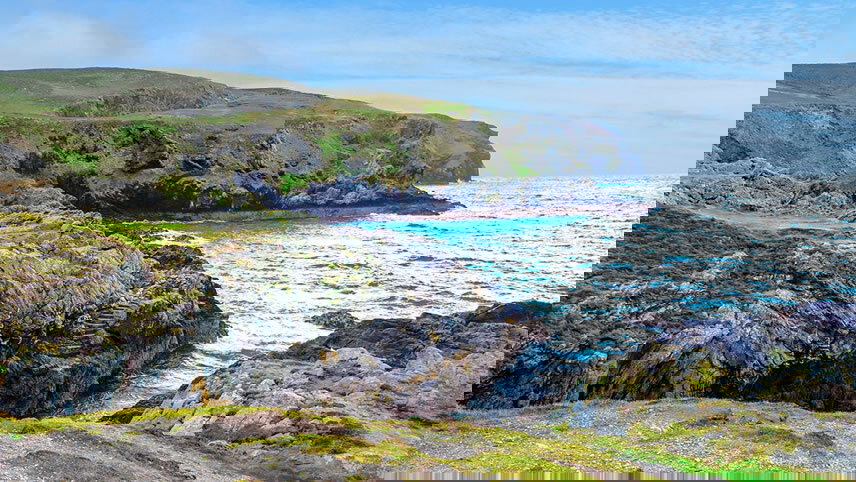
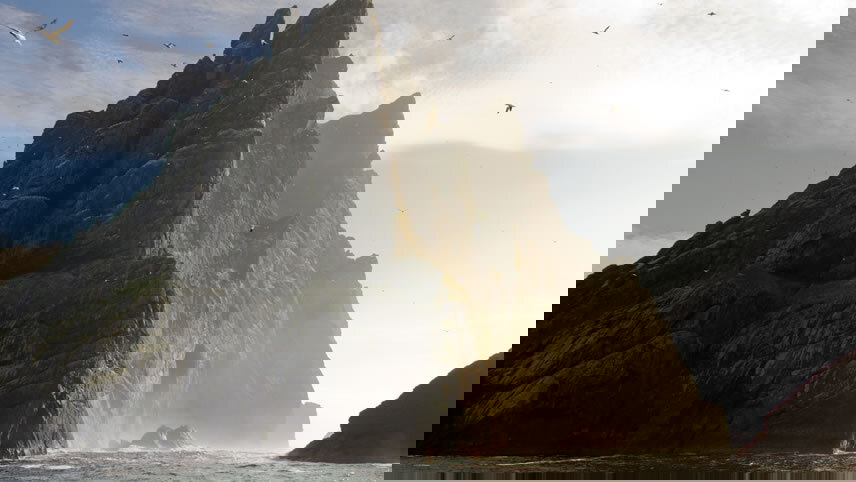
Gloriously remote, the archipelago of St. Kilda towers out of the storm tossed waters of the Atlantic Ocean. The islands are the UK's only dual UNESCO World Heritage Site. They have some of the highest cliffs in Europe, which have large colonies of rare and endangered species of birds, especially puffins and gannets.
Uninhabited since 1930, the islands bear the evidence of more than 2,000 years of human occupation in the extreme conditions prevalent to the area. Human vestiges include built structures and field systems, the cleits and the traditional Highland stone houses.
Boreray Island, part of Scotland's remote St Kilda archipelago, stands as a sentinel in the Atlantic, its sheer cliffs rising dramatically from the sea.
This uninhabited island, known for its rugged landscapes and significant bird populations, is a sanctuary for myriad seabird species, including the northern gannet and puffins, which nest on its steep cliffs.
Boreray's archaeological importance is highlighted by ancient stone structures and cleitean, small stone storage huts used by St Kilda's former inhabitants.
Journey back in time and encounter the overwhelming power of the natural elements as you cruise by one of the most isolated parts of the British Isles.
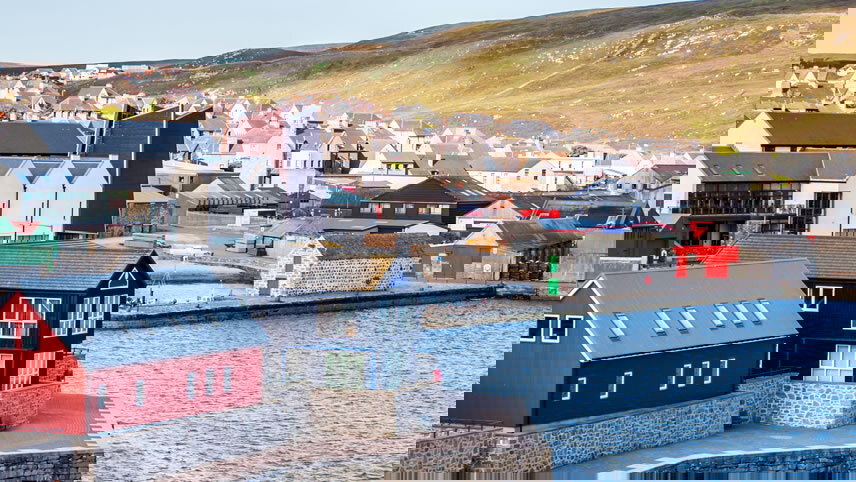
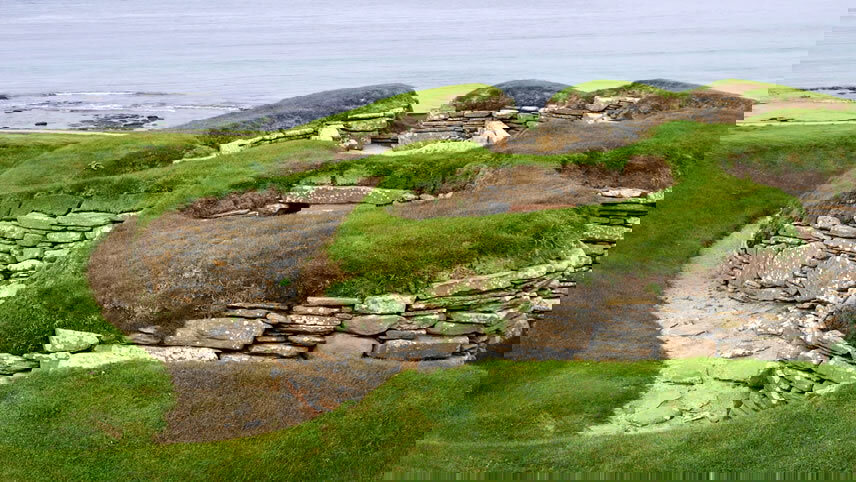
Kirkwall is the capital of the Orkney Islands, it is considered one of the most charming and well preserved small towns in Scotland. The islands offer dramatic landscapes with cliffs rearing 1,000 feet above the waves to sweeping white sand beaches. Small ships will dock at this port, while larger ships will anchor offshore.
Top Things to Do in Kirkwall:
- explore Skara Brae, a Neolithic village
- admire the St. Magnus Cathedral
- visit the Ring of Brodgar
- ponder the Standing Stones of Stenness
- stroll the Viking Capital Walking Trail
Located off the east coast of Scotland, the Isle of May is a wildlife haven renowned for its bustling seabird colonies and rich marine life. A short ferry ride from Anstruther, this small island offers visitors a unique glimpse into the lives of puffins, razorbills, and seals. The island’s rugged landscape is dotted with historic sites, including the remains of a medieval monastery and the Isle of May Lighthouse, Scotland’s oldest operational lighthouse.
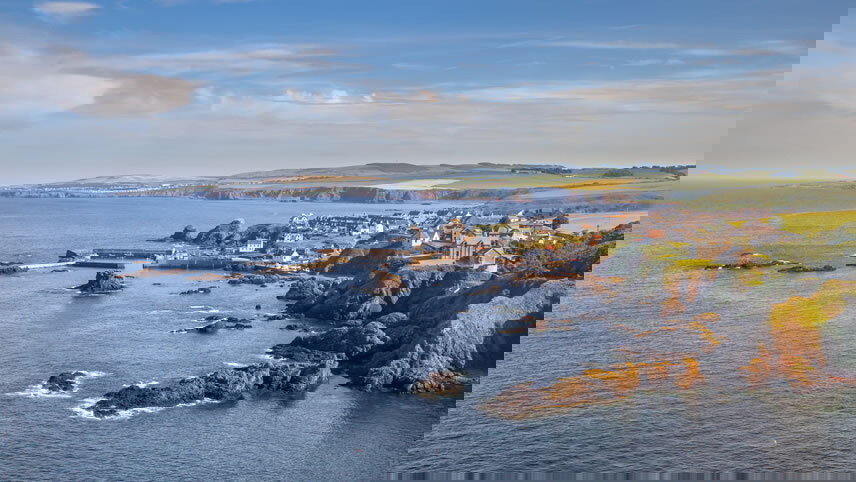
The remote fishing villlage of St Abbs is located on the southeast coast of Scotland. It has a rugged setting with jagged cliffs surrounding the town and old fishermen's cottages tumbling down the surf battered harbour. Sea angling, sub-aqua diving, bird-watching and regular sightseeing boat trips run from the harbour.
It is also home to the St Abb's Head National Nature Reserve which has 200 acres of wild and rugged coastline with sheer, seabird-nesting cliffs rising 300ft above the water. From the top of these you'll get a spectacular view of the rugged Berwickshire coast.
Situated off the Northumberland coast in the north east of England, Lindisfarne Island or Holy Island was founded by St. Aidan. With its ancient associations, castle and priory ruins, Lindisfarne remains a holy site and a place of pilgrimage for many.
Aside from its historical pedigree, Lindisfarne has an exciting array of wildlife. Its island status protects tidal mudflats, saltmarshes and dunes which together form the Lindisfarne National Nature Reserve. A great location for bird watching, rare plants and an abundance of food attract visiting birds from thousands of miles.
Scattered off the Northumberland coast, the Farne Islands are an incredibly important wildlife reserve. Sir David Attenborough declared the islands as his favourite place in the UK to see nature at is best.
During the summertime around 23 different varieties of birds can be spotted here, including razorbills, guillemots, eider ducks and colourful puffins. Look out for the island’s colony of grey or Atlantic seals hauled up on the rocks or bobbing inquisitively in the sea. The islands have the largest breeding colony in England with some 1,000 pups born each autumn.
Days at sea are the perfect opportunity to relax, unwind and catch up with what you’ve been meaning to do. So whether that is going to the gym, visiting the spa, whale watching, catching up on your reading or simply topping up your tan, these blue sea days are the perfect balance to busy days spent exploring shore side.
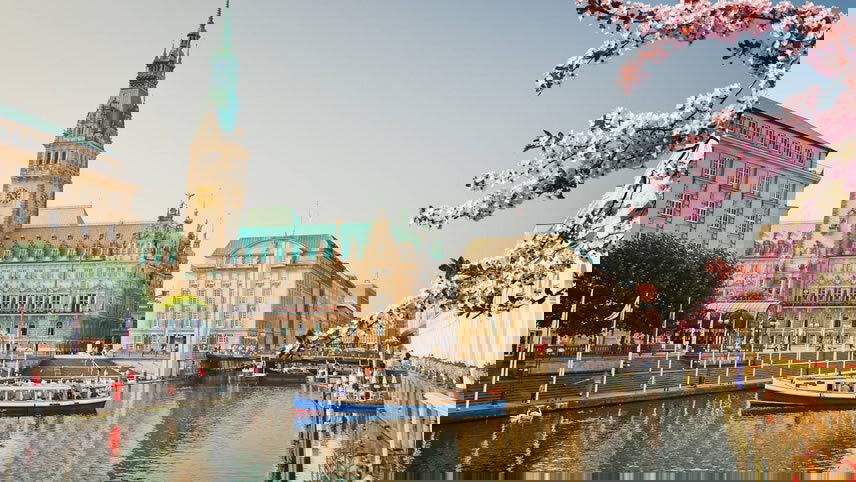
The quirky and heritage-filled Hamburg is a true city of water, nestled snugly between the Baltic and North seas and intersected by a frayed network of rivers and canals, spanned by hundreds of pretty bridges. Explore the Speicherstadt, the world’s largest warehouse district and a UNESCO site, known for its neo-gothic architecture.
The nearby Elbphilharmonie concert hall is impressive with its striking design and views over the Elbe River. For a taste of local life, visit the lively Fish Market or stroll along the waterfront at Landungsbrücken, where ferries offer scenic river cruises along the canals.
Life On Board
Enjoy free-flowing premium wines and spirits, delicious gourmet cuisine, in-suite dining, full butler service for every suite and of course all gratuities. Whether you long to mingle in the Mediterranean, swim with the turtles of the Galapagos or embrace the glaciers of Alaska, there is something special about knowing that this cruising is all inclusive.
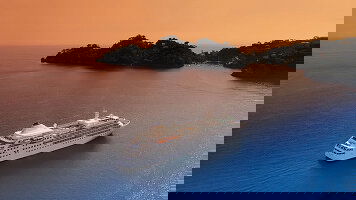
Breaking into new waters in 2020 with her ice class hull, Silver Wind offers all inclusive luxury. Read more
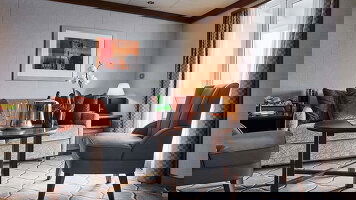
Your butler will bring all you need to your luxury suite so you can simply relax. Read more

Take in world class performers, live shows, expert talks and movies in the Show Lounge. Read more

With experts to assist you can enhance and print your own photos of your voyage. Read more
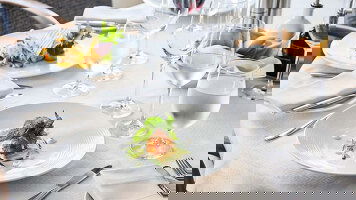
With four fine dining restaurants to choose from your culinary journey with by filled with flavour. Read more
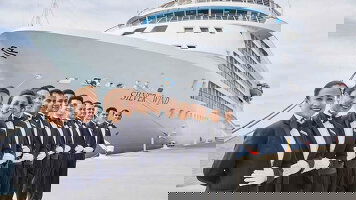
From the minute you step aboard Silversea's signature service will impress and indulge your every need. Read more
Ship Reviews (1)
Prices & Dates
There are currently no departures available on this cruise. Either it's the end of the season and new departures will be released shortly, or this itinerary has been changed and is not operating this season. Feel free to contact us for information about when next seasons dates will be released or click here to view general release dates for all destinations.
Tour & cruises prices are per person. Prices shown have savings applied, are subject to availability and may be withdrawn at any time without notice. Pricing and trip details are correct at this point in time, however are subject to confirmation at the time of booking and are subject to change by Silversea. For cruise itineraries, cabin images are sourced from the cruise-line and should be treated as indicative only. Cabin inclusions, upholsteries and room layout may differ to the image(s) shown depending on the ship selected and your sailing dates.
Similar Cruises