

Overview


200

200

2022

SETRTR.5
Itinerary
Tromsø, nestled within the Arctic Circle, is ideal if you want to see the northern lights, and offers a lovely mix of outdoor activities, cultural events, and restaurants that serve Arctic delicacies. The Arctic Cathedral, with its striking design, is a must-see. Take a cable car up Storsteinen Mountain for panoramic views of the fjords and surrounding islands.
Tromsø is also renowned for its Northern Lights, visible from September to April. The Polaria Arctic aquarium provides a unique insight into Arctic marine life, and the Polar Museum offers a fascinating look at the region's polar history. Stroll through the city center to explore charming cafes, shops, and the historic wooden houses of Skansen.
The world’s most northerly fishing village, Skarsvag, is set amongst rolling hills, prolific birdlife and arctic fjords. The village is most famous for its proximity to the North Cape, the northernmost point in Europe.
The cape's sea cliffs are perched 1,000 ft above the Arctic Ocean and provides a lookout over a limitless panorama. These cliffs are home to thousands of puffins, gannets and cormorants.
Visitors can stand beneath the massive metal globe and take in the limitless view, hike to cape Knivskjellodden or visit the North Cape Hall for exhibitions on the North Cape’s history.
Called the northernmost point of Europe, the North Cape (or Nordkapp) is situated at the very north tip of Norway and inside the Arctic Circle. Home to where the Atlantic and Arctic oceans meet and with only the Svalbald archipelago standing between it and the North Pole, this is the true land of the midnight sun.
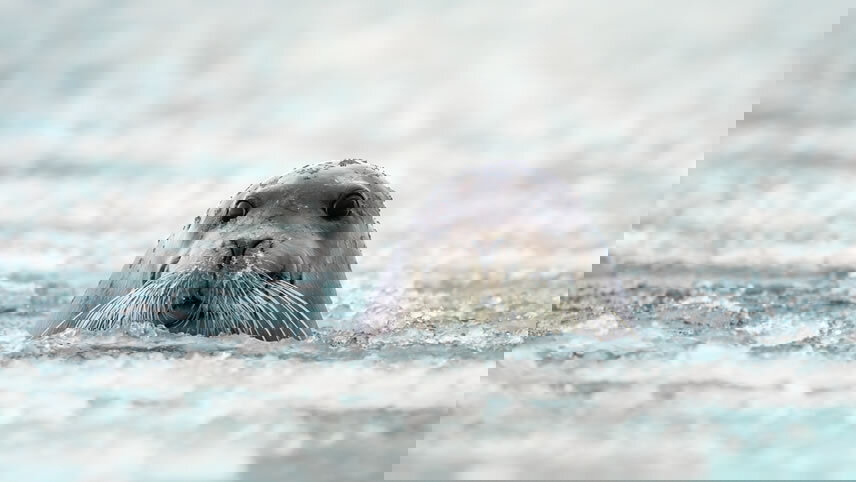
Lookout for hundreds of thousands of puffins, gannets, cormorants, seals, dolphins and whales that make this stretch of chilly water and the tall cliffs their home. Not forgetting the colourful, compact fishing villages, so at odds with the otherwise stark and barren landscape.
Bear Island is considered Svalbard’s southernmost island, roughly half way between Spitsbergen and Norway’s North Cape. Although the last polar bears were seen in 2004, the name goes back to Dutch explorer Willem Barentsz and his visit in 1596. The island has been used to hunt walrus, for whaling, and even coal mining has taken place. The strategic location on the border of the Norwegian Sea and the Barents Sea has led to a meteorological station being set up by Norway near Gravodden on Bear Island’s north coast. Some two thirds of the island is a relatively flat plain with shallow freshwater lakes and Ramsar Wetland, while the entire island and the surrounding waters are a Nature Reserve.
Bear Island has also been designated an Import Bird Area as it is a staging area for Pink-footed and Barnacle Geese and the steep cliffs south of Sørhamna are home to thousands of breeding seabirds. This is a specially protected area where Zodiacs are allowed to cruise along the cliffs around Kapp Kolthoff. In smaller amounts Atlantic Puffins, Northern Gannets, Glaucous Gulls and Great Skuas are found in between the large Black-legged Kittiwake, Little Auk, Common Guillemot and Brünnich’s Guillemot colonies. The constant battering of the sea has not only created impressive sea caves and tunnels, but unfortunately the Russian vessel Petrozavodsk shipwrecked near Revdalen at the base of the limestone cliffs and the waves are causing a continuous disintegration of the remains of the ship.
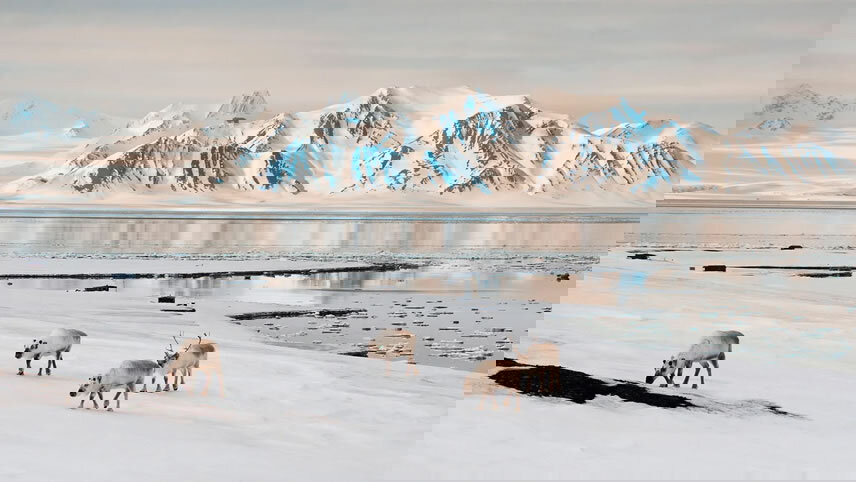
Svalbard’s Southern Region and specifically Spitsbergen’s west coast is less ice-clogged than the rest of Svalbard due to the moderating influence of the Gulf Stream. Several fjords cut into the west coast of Spitsbergen and remains of huts, mines and active scientific settlements can be found along these. Depending on the time of the season, glaciers can be visited on foot or by sea. Hornsund will reveal fascinating views of geological formations, craggy mountains, spectacular glaciers and a variety of seabirds and seals.
Svalbard’s Southern Region and specifically Spitsbergen’s west coast is less ice-clogged than the rest of Svalbard due to the moderating influence of the Gulf Stream. Several fjords cut into the west coast of Spitsbergen and remains of huts, mines and active scientific settlements can be found along these. Depending on the time of the season, glaciers can be visited on foot or by sea. Hornsund will reveal fascinating views of geological formations, craggy mountains, spectacular glaciers and a variety of seabirds and seals.
Svalbard’s Southern Region and specifically Spitsbergen’s west coast is less ice-clogged than the rest of Svalbard due to the moderating influence of the Gulf Stream. Several fjords cut into the west coast of Spitsbergen and remains of huts, mines and active scientific settlements can be found along these. Depending on the time of the season, glaciers can be visited on foot or by sea. Hornsund will reveal fascinating views of geological formations, craggy mountains, spectacular glaciers and a variety of seabirds and seals.
Days at sea are the perfect opportunity to relax, unwind and catch up with what you’ve been meaning to do. So whether that is going to the gym, visiting the spa, whale watching, catching up on your reading or simply topping up your tan, these blue sea days are the perfect balance to busy days spent exploring shore side.
Humpback and Minke whales play and feed in the waters around the impressive island of Jan Mayen with its towering ebony peaks and broad black lava beaches. The landscape is dominated to the north by Mt. Beerenberg, an active volcano covered in glacial ice that last erupted in 1985.
With permission from the Norwegian authorities, a landing is possible at this rarely visited outpost. Visitors may walk to the research and weather station, or beyond, for birds-eye views of the meteorological station and the long black sandy eastern shore of the island.
Days at sea are the perfect opportunity to relax, unwind and catch up with what you’ve been meaning to do. So whether that is going to the gym, visiting the spa, whale watching, catching up on your reading or simply topping up your tan, these blue sea days are the perfect balance to busy days spent exploring shore side.
Tucked away on the northern coast of Iceland along the picturesque shores of Skjálfandi Bay is Husavik, a small fishing community that has garnered a well-deserved reputation as one of the best whale-watching destinations in the world. Ships will anchor offshore and tenders will be provided to the shore.
Top Things to Do in Husavik:
- visit the Whale Museum
- see the Húsavíkurkirkja church
- go on a whale watching boat tour
- visit Godafoss waterfall
- explore Jokulsargljúfur National Park
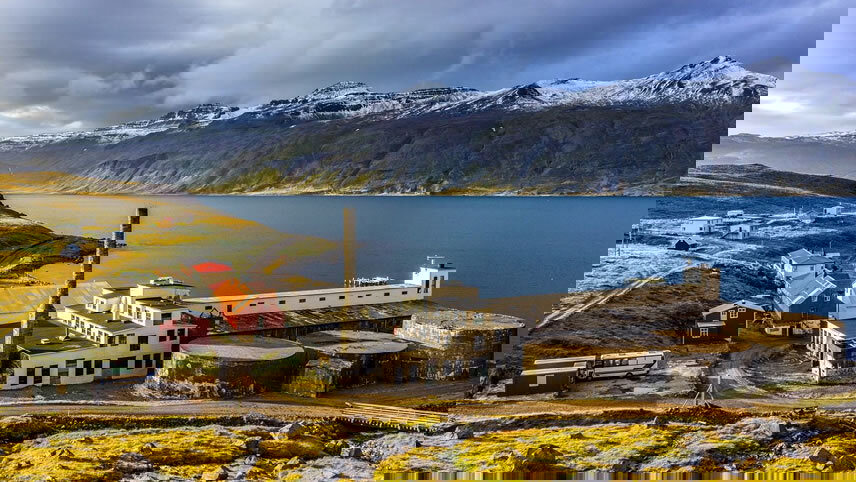
Djupavik, nestled in the remote Westfjords of Iceland, is a tiny village with a compelling blend of stark natural beauty and poignant history. Once a thriving herring fishing hub, it is now known for its striking abandoned herring factory, which stands as a silent testament to the boom and bust of the early 20th century fishing industry in Iceland. This haunting structure, against the backdrop of dramatic cliffs and the Atlantic Ocean, invites exploration and photography.
Visitors to Djupavik can also hike the rugged trails around the village, offering panoramic views of the fjord and the chance to spot diverse birdlife. The village exudes a quiet charm, with its few inhabitants providing a warm welcome to travelers seeking solitude and a touch of Icelandic history.
Discover northern Iceland's fantastic, outlying beauty as you cruise the majestic Veidileysufjörður. Nestled away in the scenic Westfjords, relatively few visitors reach this secluded area. Enjoy privileged access as we sail into the waters of the fjord, with its steep, bowl-like valley sides. Veidileysufjörður's serene isolation makes it an ideal locale for revelling in Iceland's grandiose natural glory, and you can admire views of snow-capped peaks contrasting sharply against the deep navy-blue hues of the North Atlantic.
The pristine fjord is also a place to look out for Iceland's incredible marine life; during summer, humpback whales and playful seals often frequent its inky waters. Soak in the silence and serenity, punctuated only by the calls of seabirds like Black-legged Kittiwakes and Common Guillemots, which swoop above the water's surface, their calls echoing across the still waters.
Vigur, a small island in Iceland's Westfjords, is renowned for its serene beauty and abundant birdlife. The island is home to a variety of seabirds, including puffins, Arctic terns, and eider ducks, making it a paradise for bird watchers. Visitors can also see traditional Icelandic eiderdown harvesting methods.
The island features a charming 19th-century farmhouse, a historic windmill, and a unique collection of old tools and artifacts. The peaceful landscape, with its lush green meadows and stunning coastal views, offers a perfect escape from the hustle and bustle.
Reykjavik, the vibrant capital of Iceland, offers a blend of natural beauty and cultural richness. Begin your day exploring the striking Hallgrímskirkja church, with its panoramic city views from the tower. Wander through the colorful streets of the Old Harbor, where you can find quirky shops, cozy cafes, and stunning views of Mount Esja.
Don't miss the Harpa Concert Hall, an architectural marvel on the waterfront, or a visit to the National Museum for a deep dive into Icelandic history. Recharge at one of Reykjavik's many geothermal pools, like the Blue Lagoon, just a short drive from the city. Wrap up your visit with a stroll along the scenic Sun Voyager sculpture, capturing the spirit of adventure and discovery.
Life On Board

Enjoy free-flowing premium wines and spirits, delicious gourmet cuisine, in-suite dining, full butler service for every suite and of course all gratuities. Whether you long to mingle in the Mediterranean, swim with the turtles of the Galapagos or embrace the glaciers of Alaska, there is something special about knowing that this cruising is all inclusive.
Relax in luxury as you discover the furthest corners of the world aboard Silver Endeavour. Read more
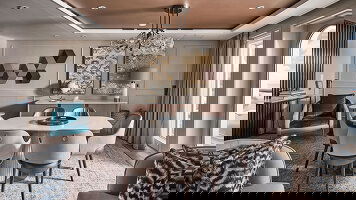
Suites aboard the Silver Endeavour are among the most spacious in the luxury cruise industry. Read more
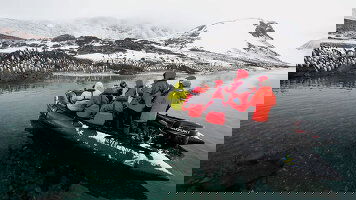
Uncover hidden gems and visit remote locations alongside experts on a zodiac excursion. Read more

Whether your suitcase needs unpacking, or you need a scented bath drawn, white gloved butler service has you covered. Read more
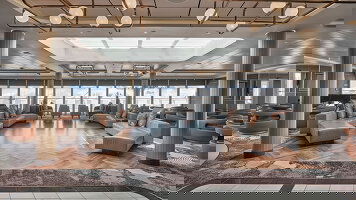
Discuss the day's exploits with a refreshment and live entertainment in this exquisite venue. Read more
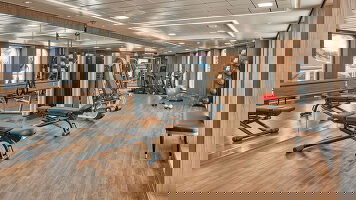
Stay active in the onboard fitness centre, or perhaps indulge in one of the Otium Spa's therapeutic treatments. Read more
Download Brochure

Silversea Expeditions (2026-27)
 USD
USD Tour & cruises prices are per person. Prices shown have savings applied, are subject to availability and may be withdrawn at any time without notice. Pricing and trip details are correct at this point in time, however are subject to confirmation at the time of booking and are subject to change by Silversea. For cruise itineraries, cabin images are sourced from the cruise-line and should be treated as indicative only. Cabin inclusions, upholsteries and room layout may differ to the image(s) shown depending on the ship selected and your sailing dates.
Similar Cruises