Puerto Williams to Puerto Williams
Overview



Itinerary
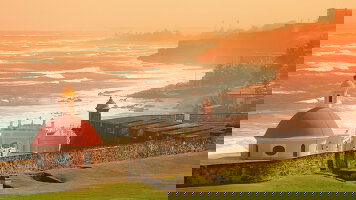
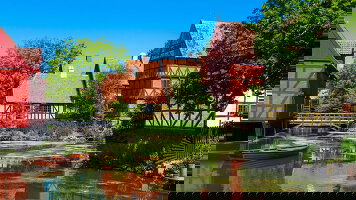
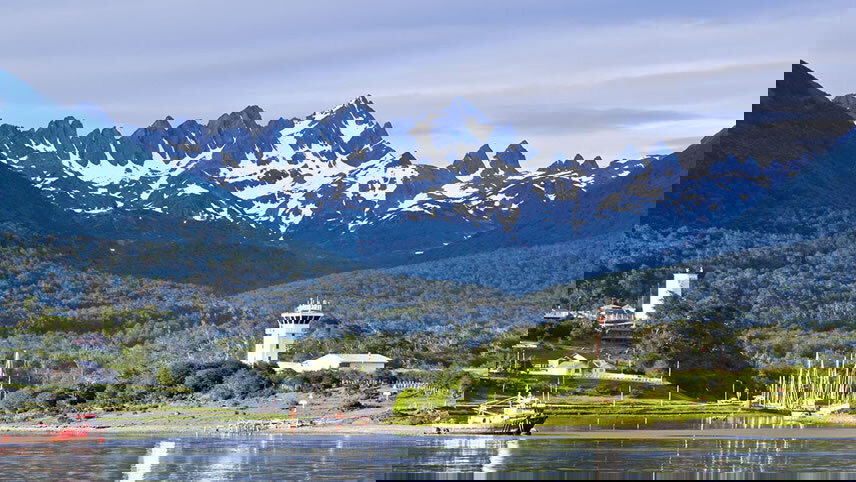
Puerto Williams is a Chilean city located on Navarino Island on the southern shores of the Beagle Channel. It claims to be the “southernmost city in the world”, however owing to its small size – 2500 residents approximately – the much larger Argentinean city of Ushuaia, which sits on the northern side of the same channel, also claims that title. The surrounding scenery is magnificent. The wild windswept mountains rise above the tree line and are regularly dusted with snow. The city itself has the dramatic backdrop called “Dientes de Navarino” (literally “teeth of Navarino”), which rival the famous Torres del Paine further to the north. The area was originally used by the Yaghan people, hunter-gatherers who despite enduring the harsh regional climate, could not weather the arrival of Europeans.
The current city was established as a naval base in 1953 and honours the British-Chilean naval commander John Williams Wilson of the 16th century. Initially it served to protect territorial possessions and fishing rights of the area, as well as offering logistical support to Antarctic bases. More recently it has become a departure point for scientific and tourism trips to the Antarctic region. In contrast to the bustle and traffic of a very commercial Ushuaia, Puerto Williams offers a quieter, more relaxed experience. It charms the visitor with a small village feel, complete with rustic buildings and the homely smell of drifting wood smoke. A haven of peace at the end of the world.
Days at sea are the perfect opportunity to relax, unwind and catch up with what you’ve been meaning to do. So whether that is going to the gym, visiting the spa, whale watching, catching up on your reading or simply topping up your tan, these blue sea days are the perfect balance to busy days spent exploring shore side.
The Falkland Islands, a remote South Atlantic archipelago, offer a unique blend of rugged landscapes and rich wildlife. Stanley, the capital, is known for its quaint British charm, with colorful houses, cozy pubs, and the historic Christ Church Cathedral. The Falkland Islands Museum provides fascinating insights into the islands’ history and culture.
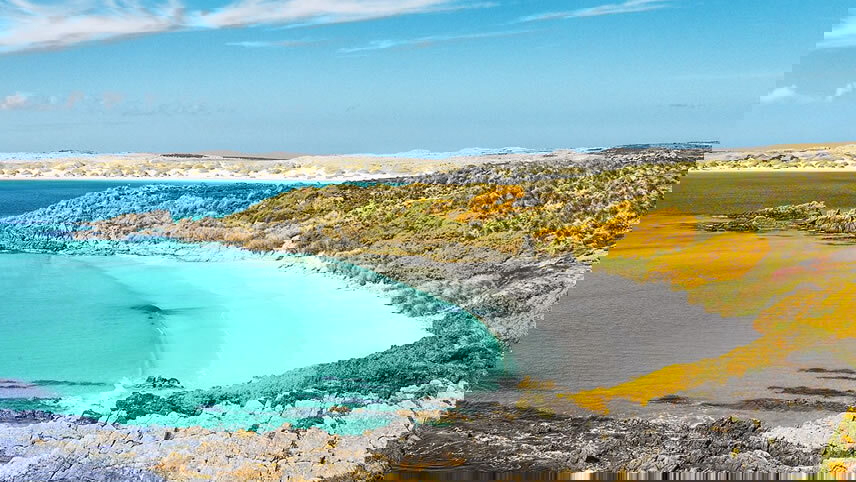
For nature enthusiasts, the islands are a paradise. Visit Volunteer Point to witness one of the world’s largest king penguin colonies. Gypsy Cove offers excellent opportunities for spotting Magellanic penguins and other bird species. The pristine beaches and dramatic coastlines make the Falklands a perfect destination for hiking and wildlife photography.
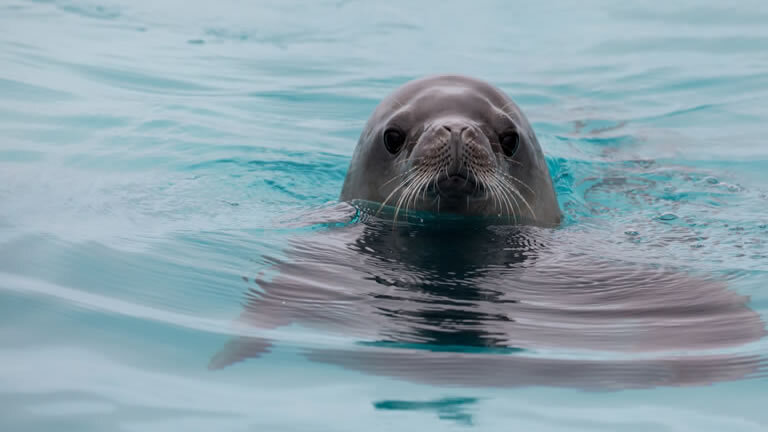
Remote and raw, New Island lies west of the Falkland Islands, teeming with extraordinary birdlife along its craggy coastline. In the wild South Atlantic, this animal sanctuary hosts rockhopper penguins, wrinkled seals, and stern-looking albatross. Penguins are a highlight, with five species, including king penguins, whose orange collars glow against their white chests. Sea lions, seals, elephant seals, orcas, and Peale’s dolphins also thrive here.
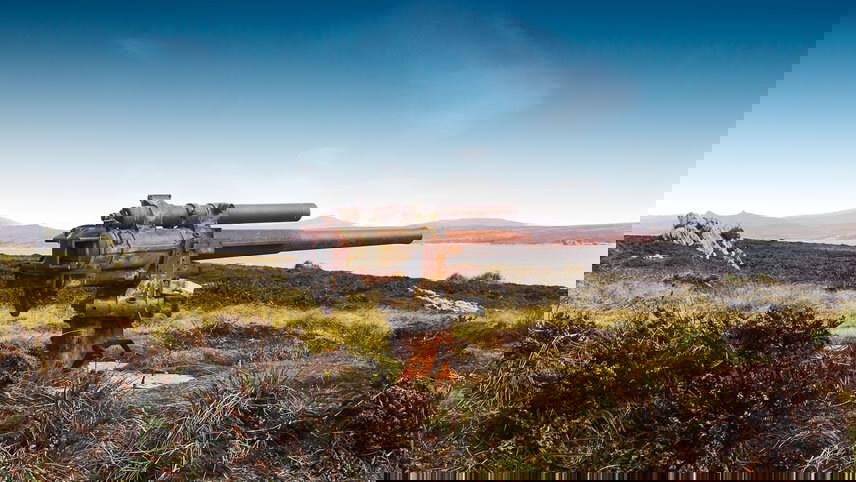
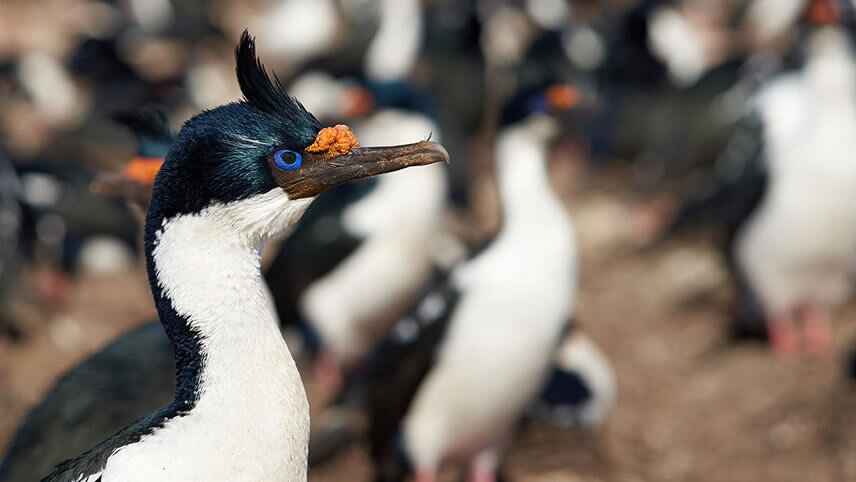
Settlement Rookery’s cliffs resound with crashing waves and the calls of black-browed albatross, king cormorants, and rockhopper penguins. The landscape features shipwrecks and colourful wildflowers. Visitors enjoy a warm welcome, complete with smoko - platters of cakes and biscuits with tea and coffee. Visit battlefields and memorials of the 1982 British-Argentinian conflict.
Included Shore Excursions:
- Zodiac Cruise with Silversea Expedition team
- Hiking with Silversea Expedition team
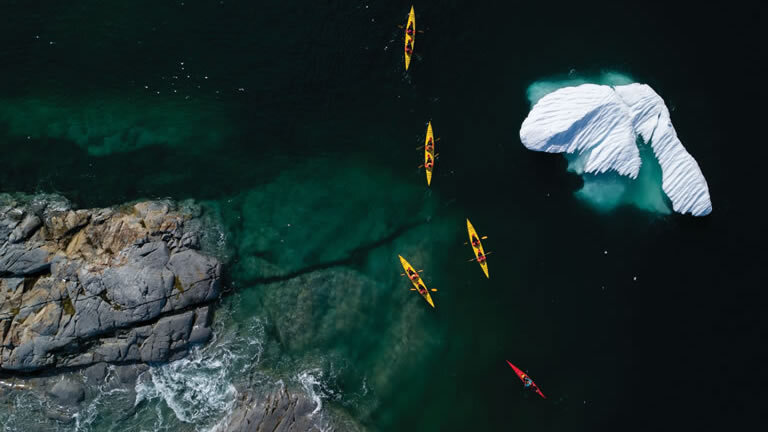
- Kayaking with Silversea Expedition team
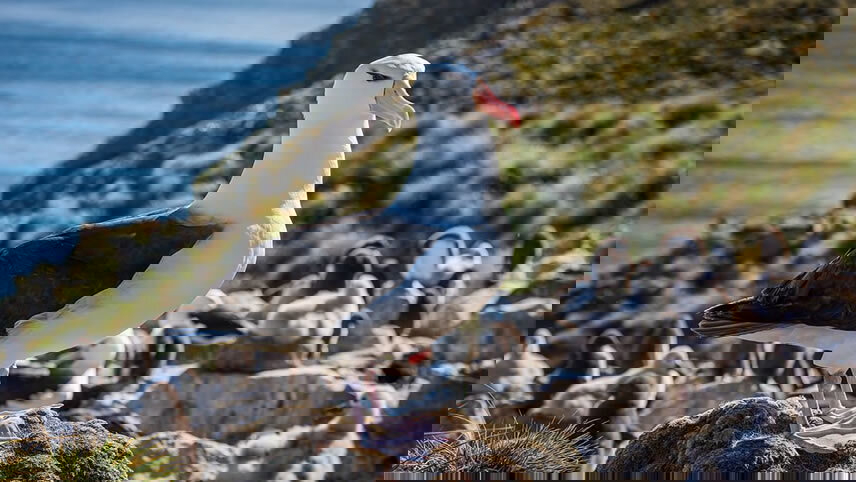
A north-westerly outpost of the scenic Falkland Islands, West Point Island is home to a huge colony of black-browed albatross. Originally known as Albatross Island, it was renamed to reflect its geographic location. While albatrosses flash white feathers on rugged cliffs, they share the island with diverse birdlife, including rockhopper and Magellanic penguins, and imperial cormorants, outnumbering the tiny human population and roaming sheep.
Hike the island’s quiet landscapes to see endemic plants like Felton's flower. Marvel at dramatic scenery, with soaring cliffs and towering precipices, including Cliff Mountain, the archipelago's highest cliff. Look out for Commerson's dolphins, whales, and fur seals around the island’s wave-washed shores.
Included Shore Excursions:
- Kayaking with Silversea Expedition team
- Hiking with Silversea Expedition team
The Falkland Islands, a remote South Atlantic archipelago, offer a unique blend of rugged landscapes and rich wildlife. Stanley, the capital, is known for its quaint British charm, with colorful houses, cozy pubs, and the historic Christ Church Cathedral. The Falkland Islands Museum provides fascinating insights into the islands’ history and culture.
For nature enthusiasts, the islands are a paradise. Visit Volunteer Point to witness one of the world’s largest king penguin colonies. Gypsy Cove offers excellent opportunities for spotting Magellanic penguins and other bird species. The pristine beaches and dramatic coastlines make the Falklands a perfect destination for hiking and wildlife photography.
Despite it being a stalwart of Britishness, Stanley more resembles Patagonia than Portsmouth. But, despite the windswept, vast and achingly beautiful landscape of the Falkland Islands, don’t be too surprised to find the odd pub serving ales and even fish’n’chips. While landmarks such as Christ Church Cathedral, with its whalebone arch are 100% local, there is a also good smattering of imported garden gnomes and Union Jacks to remind you whose territory you are really on.
The Falkland Islands’ ownership has long been a matter of controversy, ever since colonisation in the 18th century. At various points in their life they have been considered French, British, Spanish and Argentine. The Falklands War in 1982, despite only lasting for a short while, proved that the Brits clung to this remote outpost and the islands remain part of the British Commonwealth today. Margaret Thatcher, under whom the war was masterminded, remains something of a local hero as can be seen in the street signs (such as Thatcher Drive).
For those who want to dig deeper into the past, the Historic Docklands Museum provides lots of information on the chequered historical and political background of the Falklands. However, the true heroes of Stanley are of course the thousands and thousands of penguins. Five species nest here during mating season (including the rare rockhopper penguin). There are virtually no barriers between you and the wildlife; allowing for a truly interactive, authentic and totally unforgettable experience.
Included Shore Excursions:
- Exploring the Highlights of Stanley
- Battlefields – A Mountain Perspective
- Mount William HikeA
- Gypsy Cove Exploration
Days at sea are the perfect opportunity to relax, unwind and catch up with what you’ve been meaning to do. So whether that is going to the gym, visiting the spa, whale watching, catching up on your reading or simply topping up your tan, these blue sea days are the perfect balance to busy days spent exploring shore side.
Promising thrilling adventure, legendary tales and immaculate Antarctic beauty, Elephant Island is perhaps Antarctica’s best-known location. The exploits of its early explorers have immortalised this harsh, monochrome island in the tomes of human history. Believed to take its name from the elephant seals that early explorers spotted lolling on its rocks, the volcanic island was not properly explored until 1916 - when Ernest Shackleton and his men were stricken by the weather and sought salvation on its shores. Their story of survival, stranded in this barren land, is one of humanity’s most evocative and inspiring accounts.
Elephant Island is written deep into the legend of Antarctic exploration, and you’ll discover Shackleton’s tale for yourself as you arrive in the island’s icy realm. The remarkable, slowly flowing Endurance Glacier - which you’ll see on arrival here - takes its name from their ship, The Endurance. Visit the monument that stands to Shackleton, often surrounded by a migrating crowd of tiny gentoo penguins, at Point Wild - the spot where he and his 28 crew members camped for four and a half months of Antarctic winter. Eventually, Shackleton and a handful of courageous others sailed for South Georgia Island, before returning to secure the rescue of the remaining crew members.
Aside from sailing amid breathtaking winter vistas, witnessing incredible fauna and feeling the sheer rush of an adventure to the unknown - one of the true joys of any Antarctic cruise is to follow in the footsteps of the brave explorers who first sought out the alluring nectar of these dangerous, evocative landscapes. If this will be your first-time visiting Antarctica, read our blog explaining how you can prepare for the exploits ahead.
Included Shore Excursions:
- Zodiac Cruise with Silversea Expedition team
- Kayak with Silversea Expedition Team
The Antarctic Peninsula unravels upwards towards South America, reaching out a beckoning finger to the adventurous, who dare to explore this untamed realm. Stretching up from the heart of the world’s southernmost continent, the Antarctic Peninsula lies a mere 620 mile from Tierra del Fuego and, for many, offers a spectacular first taste of the snow-blanketed landscapes and colossal ice sculptures, which make up Earth’s least-explored continent. Unseen by humans until 1820 - a blink of an eye ago in relative terms - this is an adventure sure to make your hairs stand on end, as you experience the thrill of the truly unknown and extraordinary.
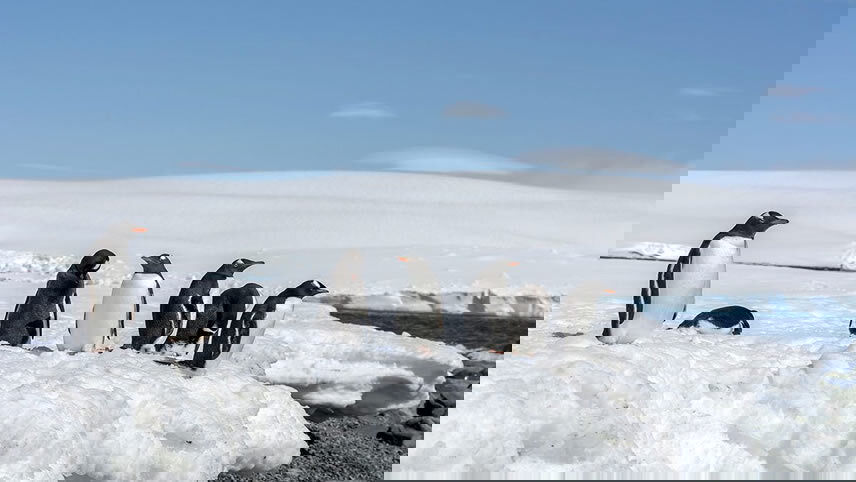
The vast peninsula is sprinkled with research bases, which are at the frontline of human scientific endeavour, pushing to study and understand this unique landscape, its exceptional wildlife, and the impact that humans are having on this pristine continent. Witness cathedral-sized icebergs up close, and blue-hued glaciers, slowly slipping from imposing locations like Hope Bay. Blanched mountain peaks cover the peninsula, and you’ll find thousands of adorable Adelie penguin pairs thriving undisturbed in this peninsula’s unique setting.
Included Shore Excursions:
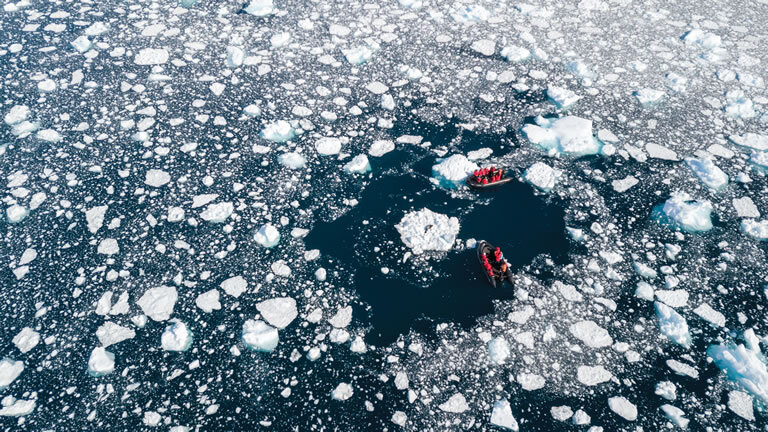
- Zodiac Cruise with Silversea Expedition team
- Hiking with Silversea Expedition teamA
- Kayaking with Silversea Expedition team
The ice-coated Antarctic Peninsula forms perhaps the most accessible region of mainland Antarctica, lying a mere 480-miles away from South America, across the fabled waters of Drakes Passage. Lying close to the northwestern tip of the Antarctic Peninsula, separated by the Bransfield Strait, the South Shetland Islands fall under the jurisdiction of the Antarctic Treaty, suspending claims on their sovereignty.
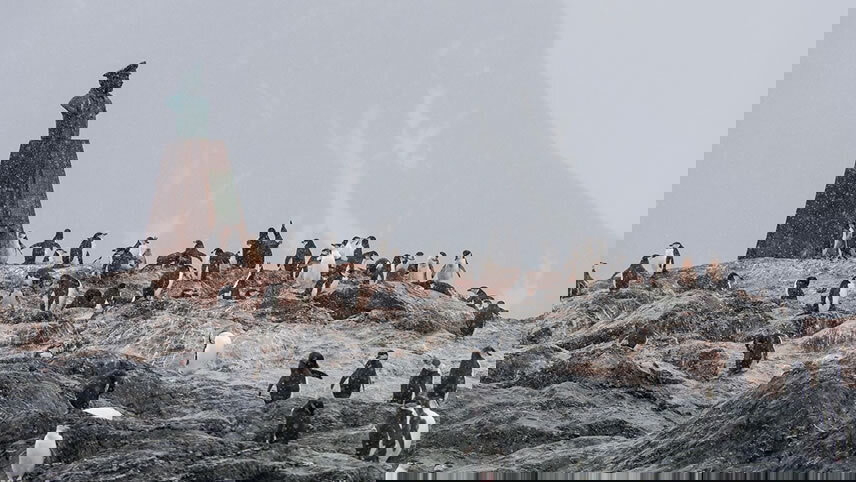
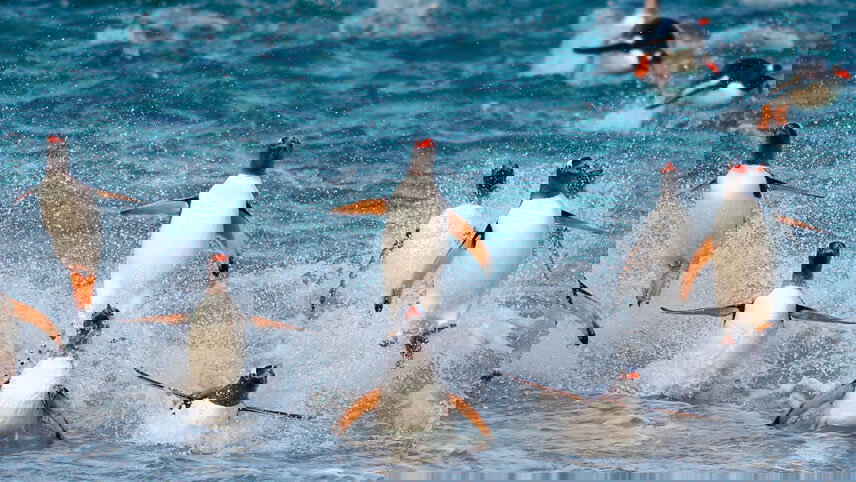
Several countries maintain research bases here, and with plump elephant seals, and crowds of Gentoo, Chinstrap and Adelie Penguins also calling the islands home, it can even feel a little crowded at times. King George Island is the largest and most hospitable island, hosting the majority of the research stations - some of which are populated all-year-round by tiny, hardy crews. Don’t be fooled though, these islands offer extraordinary adventure in one of the most remote locations on earth.
The triple peaks of Mount Foster tower above the archipelago, and you’ll feel your heart pumping a little quicker, as you sail into the core of Deception Island’s magnificent collapsed volcano caldera. Hike the luna landscapes within, and even dip into the improbably warm, geothermally-heated waters of Pendulum Cove. Elephant Island, meanwhile, is written deep into the annals of Antarctic expedition legend, as the site where Ernest Shackleton and the stricken crew of the Endurance miraculously survived a harsh Antarctic winter, in 1916.
Included Shore Excursion:
- Zodiac Cruise with Silversea Expedition team
Sailing the legendary Drake Passage is an experience that few are ever lucky enough to experience. The southern tip of the Americas already feels like a wild enough environment – but the sensation of watching the distant cliffs of the peninsular known as the ‘End of the World’ fade into the horizon, is one that’s equal parts epic, eerie and magical.
Set sail, to slowly drop off the bottom of the map from Cape Horn, and voyage on an expedition down into the icy underworld of Antarctica. Drake Passage is an extraordinary voyage of romantic ocean faring legend, as you aim for Antarctica’s icy realm. On arrival, skyscraper sized icebergs salute you, as you traverse the waters of this continent where snow and ice dwelling creatures like penguins and whales roam undisturbed.
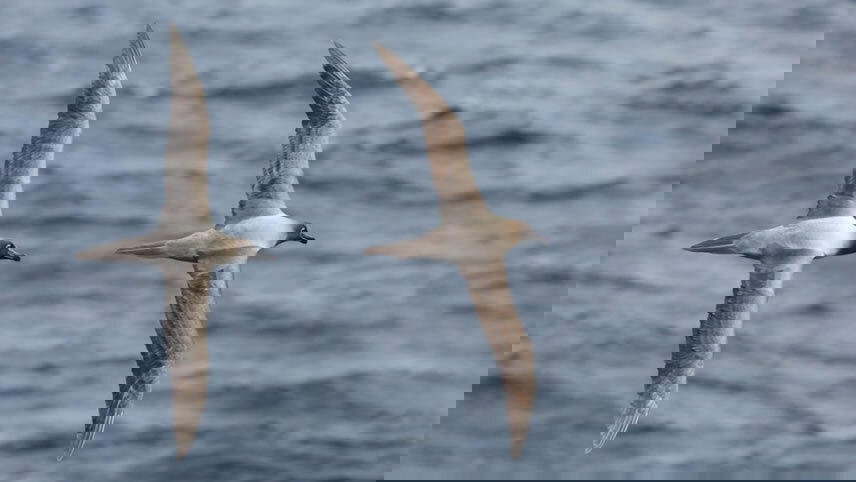
Your first sight of this most-unexplored place will most likely be the South Shetland Islands. Walk in the footsteps of some of history’s greatest and bravest explorers as you explore famed, snow-covered landmasses like Elephant and Deception Island. If the journey across Drake Passage sounds daunting, don’t worry – even in rough seas you’re never alone, and will often be accompanied on this spine-tingling adventure by soaring albatrosses and maybe even a protective pod of humpbacks and hourglass dolphins or two. Converging warm and cool ocean currents attract some spectacular animal life to the passage. If this is your first visit to this magical continent, you’ll also want to familiarise yourself with our blog for first timers to Antarctica.
Puerto Williams, Chile, located on Navarino Island at the southern tip of South America, holds the title of the world's southernmost city. This remote outpost is more than just a geographical novelty; it's a gateway to the rugged landscapes and pristine environments of the Antarctic region. The town is a base for scientific research and a starting point for intrepid explorers heading to the icy continent.
The area around Puerto Williams is renowned for its breathtaking natural beauty, including the Dientes de Navarino trek, a challenging route that offers panoramic views of the Beagle Channel and the Darwin Range. The town also provides insights into the indigenous Yaghan community, with the Martin Gusinde Anthropological Museum documenting their rich history and culture.
Puerto Williams is a Chilean city located on Navarino Island on the southern shores of the Beagle Channel. It claims to be the “southernmost city in the world”, however owing to its small size – 2500 residents approximately – the much larger Argentinean city of Ushuaia, which sits on the northern side of the same channel, also claims that title. The surrounding scenery is magnificent. The wild windswept mountains rise above the tree line and are regularly dusted with snow. The city itself has the dramatic backdrop called “Dientes de Navarino” (literally “teeth of Navarino”), which rival the famous Torres del Paine further to the north. The area was originally used by the Yaghan people, hunter-gatherers who despite enduring the harsh regional climate, could not weather the arrival of Europeans.
The current city was established as a naval base in 1953 and honours the British-Chilean naval commander John Williams Wilson of the 16th century. Initially it served to protect territorial possessions and fishing rights of the area, as well as offering logistical support to Antarctic bases. More recently it has become a departure point for scientific and tourism trips to the Antarctic region. In contrast to the bustle and traffic of a very commercial Ushuaia, Puerto Williams offers a quieter, more relaxed experience. It charms the visitor with a small village feel, complete with rustic buildings and the homely smell of drifting wood smoke. A haven of peace at the end of the world.
Life On Board
Explore remote corners of the world on an expedition cruise in ultra all suite luxury. Read more

Enjoy all suite accommodation with luxury amenities and impeccable service provided by your own butler. Read more

Even an iPhone user can join expert classes and create professional images in the photo studio. Read more

Even on expedition cruises you will enjoy best in class service from the Silversea crew. Read more

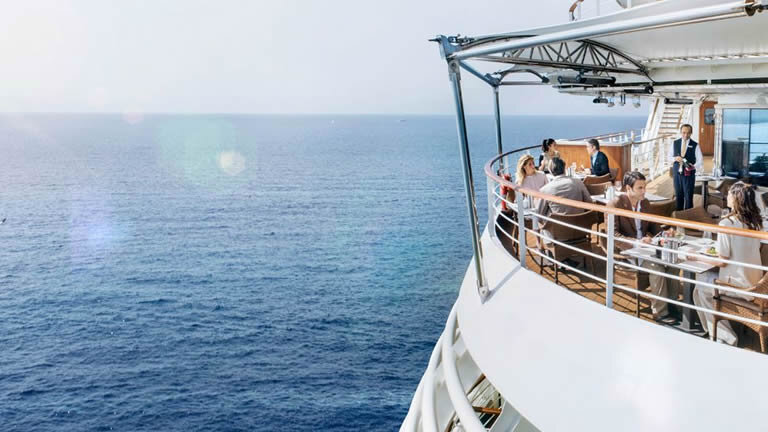
Savour Silversea's exquisite fine dining and impeccable service offered in four signature restaurants on Silver Cloud. Read more

The Fitness Centre has state-of-the-art equipment and offers a range of classes. Read more
Dates & Pricing
Cabin Layout Options:
Select Cabin Preference:
Tour & cruises prices are per person. Prices shown have savings applied, are subject to availability and may be withdrawn at any time without notice. Pricing and trip details are correct at this point in time, however are subject to confirmation at the time of booking and are subject to change by Silversea. For cruise itineraries, cabin images are sourced from the cruise-line and should be treated as indicative only. Cabin inclusions, upholsteries and room layout may differ to the image(s) shown depending on the ship selected and your sailing dates.