


Itinerary
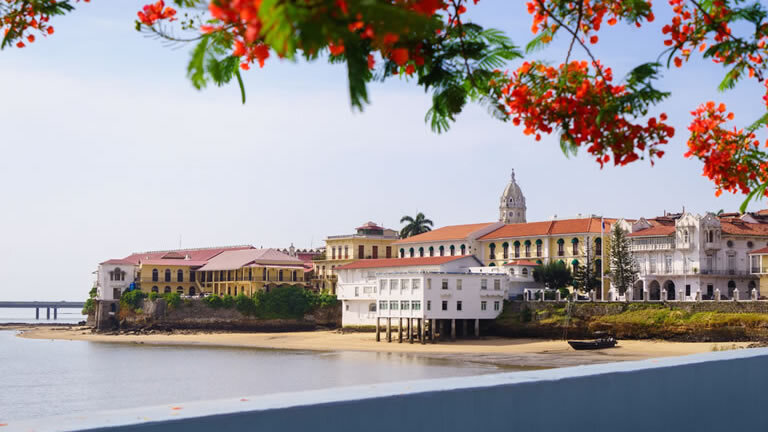
Home to the Panama Canal's Atlantic Ocean entryway, Colón was founded as a result of the California gold rush in 1850, the starting point of a railroad that carried prospectors across the Isthmus of Panama. Ships will dock at the cruise terminal.
Top Things to Do in Colon:
- explore Portobelo National Park
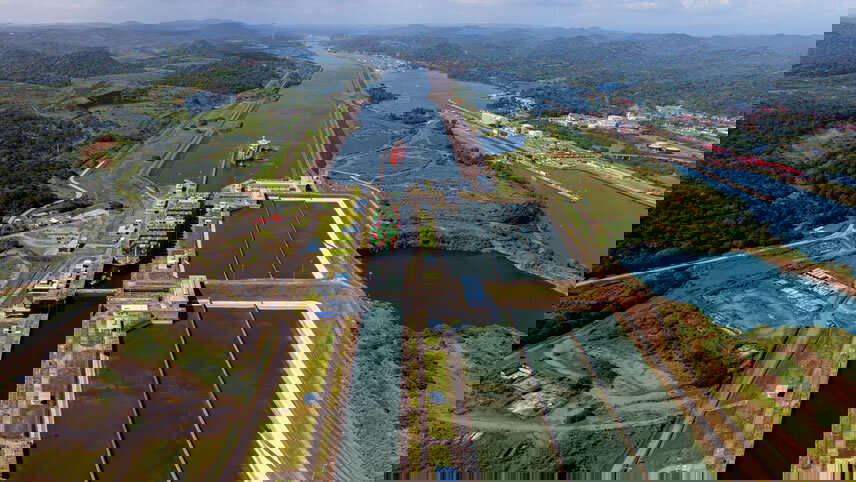
- watch ships pass through the Panama Canal
- check out the old quarter of Panama city, Casco Viejo
- shop until you drop at the Duty-Free Zone
- ride a vintage train on the Panama Railway
Home to the Panama Canal's Atlantic Ocean entryway, Colón was founded as a result of the California gold rush in 1850, the starting point of a railroad that carried prospectors across the Isthmus of Panama. Ships will dock at the cruise terminal.
Top Things to Do in Colon:
- explore Portobelo National Park
- watch ships pass through the Panama Canal
- check out the old quarter of Panama city, Casco Viejo
- shop until you drop at the Duty-Free Zone
- ride a vintage train on the Panama Railway
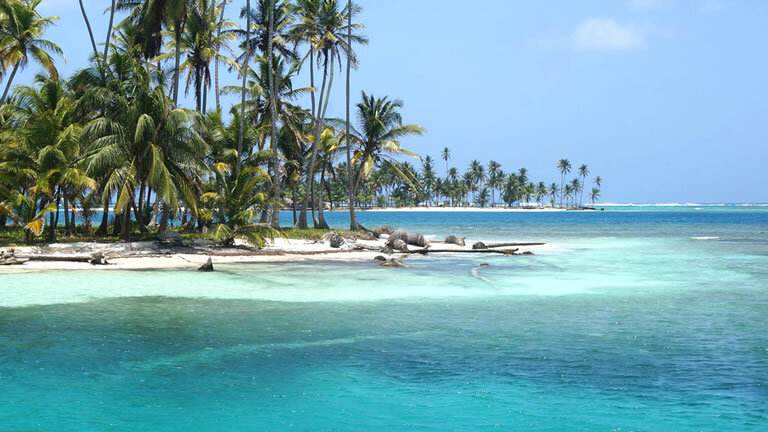
Located on the north-east coast of Panama, the San Blas archipelago is a string of coral islands that graces the heart of the Caribbean Sea. Over 300 islands and cays covering an area of 300 square kilometres offer travellers a multitude of treasures.
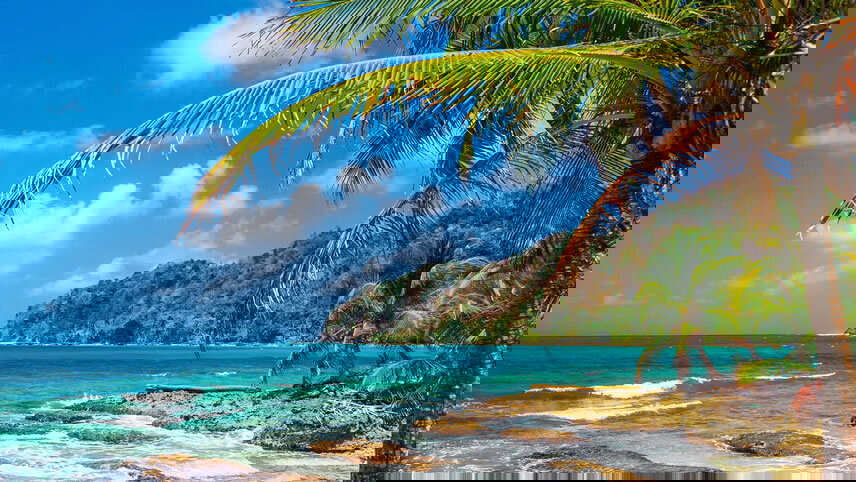
Sheltered behind a long coral reef, the San Blas Islands are full of paradisiac anchorages. The long sandy white beaches bounded by crystal clear waters will allow you to relax and to enjoy an incredible marine fauna before discovering the Kunas Indian community. Ships will anchor offshore and tenders will be provided to the port.
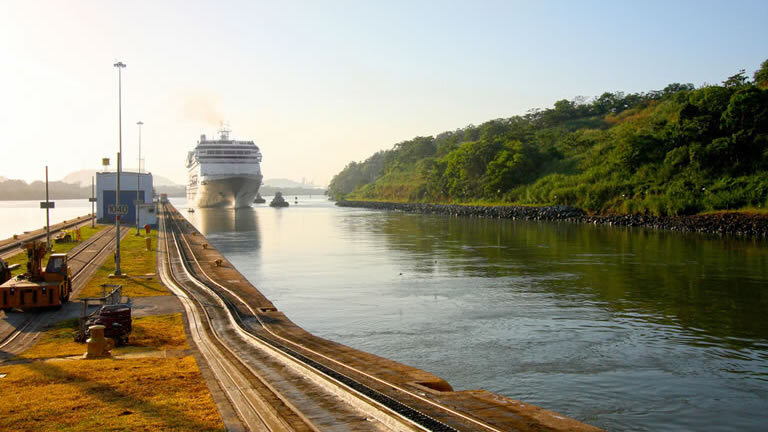
The Panama Canal, a marvel of engineering, links the Atlantic and Pacific Oceans, facilitating global maritime trade. Stretching approximately 80km/50mi, this intricate waterway features three locks - Miraflores, Pedro Miguel, and Gatun - that elevate and lower vessels to overcome the variation in sea levels.
The Miraflores Locks' visitor center offers an insightful experience, allowing observers to witness massive ships navigating the locks. The Gatun Locks, a crucial part of the canal, showcase the impressive process of raising and lowering water levels to enable the passage of ships.
Traversing the Panama Canal provides a firsthand glimpse into the intricate operations that have shaped international shipping for over a century.
The Pearl Islands archipelago, formed by over 220 islands and islets, is named in memory of the pearl oysters present in the Gulf of Panama. In colonial times, the pearls were extracted and used as ornaments or currency. “La Peregrina” was discovered in this archipelago: this pearl is famous for its perfection and for belonging to several royals and, more recently, Elizabeth Taylor. While the pearls have now disappeared from the azure waters of this paradise with its history of adventures and piracy, you can still swim from the sandy white beaches and observe shoals of multi-coloured fish performing their gracious ballet.
Isla Pacheca lies in the far north of the maze of more than two hundred islands composing the Pearl Islands. This small piece of uninhabited land is a special place for the numerous bird species that have taken up residence there. Among these is the unusual-looking blue-footed booby, which you might spot wandering along one of the island’s beaches. The shore visit in a Zodiac dinghy holds the promise of an unforgettable moment spent in lush nature between white-sand beaches and verdant rainforest.
The most remote and least developed region of Panama, the province of Darien is an unspoilt land with an extremely rich variety of flora and fauna. Listed by UNESCO as World Heritage, Darien National Park offers its extraordinary scenery of rocky coastlines, mountain ranges, mangroves, rivers and creeks. Discover Playa Muerto, a tiny coastal village home to the Emberas Amerindian community. You will visit the village, attend traditional songs and dances of the locals, and admire beautiful local craft.
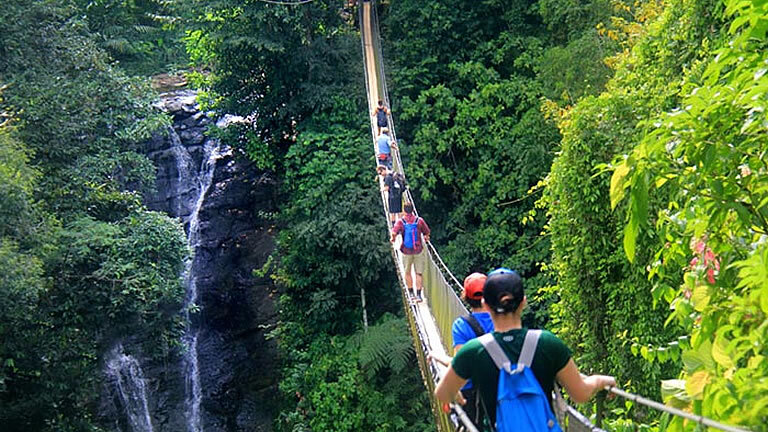
Coiba Island once housed a prison with a sinister reputation that has since been abandoned. Today the island is a National Park and a UNESCO World Heritage Site and offers many activities. Experience the emotion of the first explorers by heading deep into the virgin rainforest, untouched by human hand, and carve a path for yourself through the creepers, under the watchful gaze of the multitudes of birds. You may be lucky enough to see the Howler Monkey, only visible here. To conclude this unique adventure, take a dip in the turquoise waters of the unspoiled beaches on the island, among the sea turtles and the tropical fish swimming elegantly through the coral reefs.
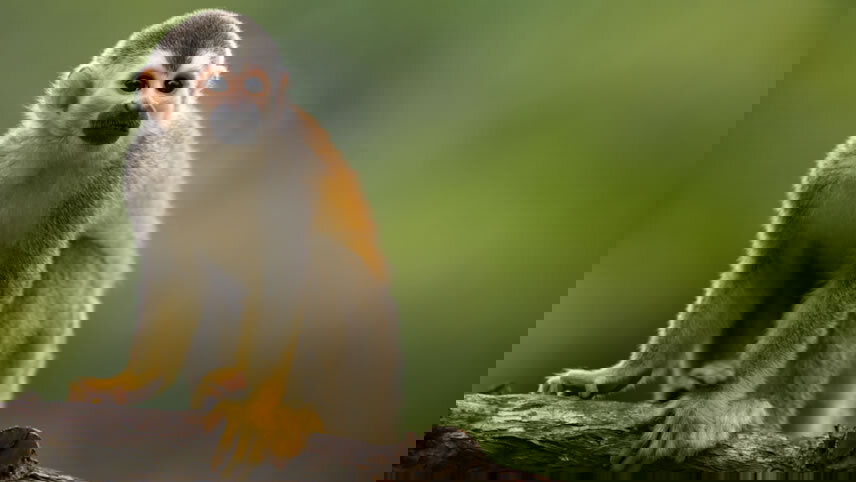
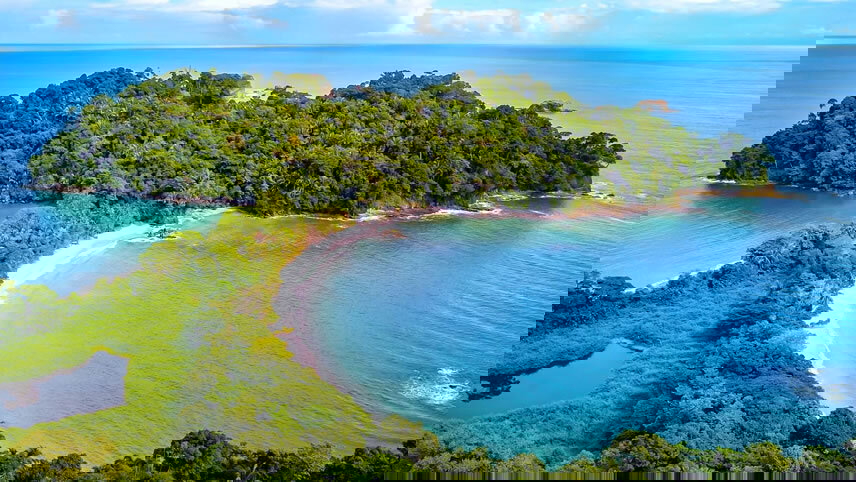
The beauty of Costa Rica and the richness of its biodiversity reveal themselves at this port of call in the heart of the mangrove. In the meanders of Rio Esquinas, a tropical corner of paradise, you will discover an incredibly dense ecosystem. Aboard your Zodiac dinghy, you will brush past the tangled arms formed by the roots of the mangrove trees. This green and lush gallery forest and its inhabitants welcome you. Watch closely: common squirrel monkeys, white ibis, Eurasian whimbrels, ospreys, toucans, snowy egrets and great blue herons can be found hiding here.
Located on Costa Rica’s remote Osa Peninsula, Corcovado National Park covers 164 square miles, making it the country’s largest national park, the largest primary forest on the American Pacific coast, and one of the few remaining large areas of lowland tropical rain forests in the world.
On the southern part of the Nicoya Peninsula, the small Curú Wildlife Refuge is the oldest protected park in Costa Rica. This refuge is an exemplary site in terms of ecotourism as well as a research centre for scientists from all over the world. It has been at the heart of an original conservation and sustainable development project since the 1930s. After a short zodiac trip, you will discover, via the paths that criss-cross the tropical forest and lead to magnificent beaches, the most emblematic species of Costa Rica: monkeys, iguanas and over 200 bird species. Since their recent reintroduction, the scarlet macaw and the spider monkey have thrived in this preserved environment.
Puntarenas beckons with its rich tapestry of lush landscapes making it a vibrant spot for adventure and relaxation. This coastal city is a treasure trove of biodiversity, offering thrilling activities like zip-lining and river rafting amidst its natural parks, and is a haven for wildlife enthusiasts eager to spot sloths, scarlet macaws, and capuchin monkeys in their natural habitats.
The city's history is as rich as its landscapes, from its indigenous roots to its emergence as a vital coffee exporting hub. Today, Puntarenas thrives with cultural landmarks such as the Casa de la Cultura and the Marine History Museum, blending educational experiences with natural exploration. Whether it's wandering through the Paseo de los Turistas, visiting the NATUWA Macaw Sanctuary, or exploring the Monteverde Cloud Forest, Puntarenas offers a unique blend of cultural and ecological wonders for every traveller.
Puerto Caldera's cruise terminal is approximately 23 kilometers (about 14 miles) from the city of Puntarenas, around 30 minutes away. For transportation, you can opt for taxis, which are readily available at the port, or consider an organized shore excursion to maximize your visit. A must-see is the Monteverde Cloud Forest Reserve, offering a glimpse into the country's diverse flora and fauna.
Life On Board
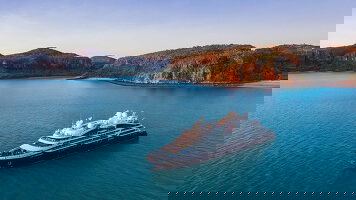
Named after the French explorer, Le Lapérouse offers luxury expeditions to the corners of the earth. Read more
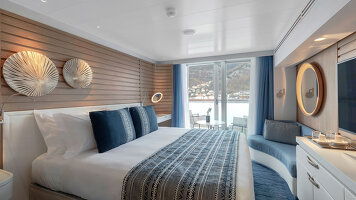
Enjoy 24 hour room service and luxury amenities in your ocean facing accommodation. Read more
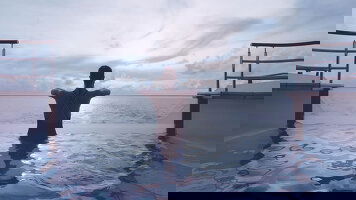
Watch the ocean pass by from the infinity pool and bask in warmth of the solarium. Read more
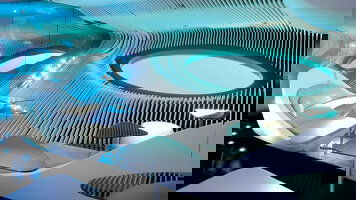
Have a multi-sensory experience as you sip a cocktail in the chic underwater lounge. Read more
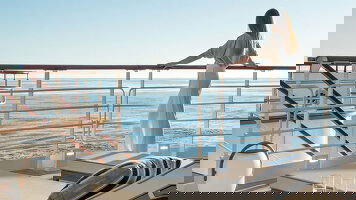
A sundeck on sea days or a water sports platform, the innovative marina adds more to life onboard. Read more
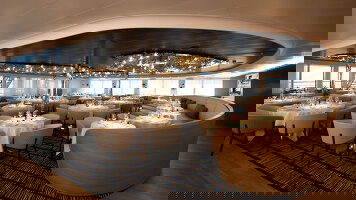
Dine inside or out in the main restaurant where French gastronomy and service will impress. Read more
Ship Reviews (2)
Food was of the highest standard an the open bar well read more stocked to meet all tastes. Don't worry too much about formal gear, a sports coat and a colourful dress are all that is required on the two gala nights. On the other nights, slacks and polo are fine.
We helicoptered to Mitchell Falls which again was expensive but well worth it. Forget about the Horizontal Falls boat ride. Those that went were very dissatisfied as the most exciting of the two Falls is now closed due to a boating accident. I've seen more challenging wave sets in Moreton Bay. Overall 11/10 from us and very highly recommended
Download Brochure

Ponant Exceptional Voyages of Discovery (2026-27)
Alongside iconic expeditions in Antarctica, the Caribbean, Asia and the Atlantic archipelagos, you’ll find pioneering voyages aboard Le Commandant Charcot as it returns to the Far North, including the icy St Lawrence. Enriched by partnerships with Relais & Châteaux and the Club des Chefs des Chefs, these sailings blend exploration with artistry, offering transformative moments both on shore and on board.
Dates & Pricing
Cabin Layout Options:
Select Cabin Preference:
Tour & cruises prices are per person. Prices shown have savings applied, are subject to availability and may be withdrawn at any time without notice. Pricing and trip details are correct at this point in time, however are subject to confirmation at the time of booking and are subject to change by Ponant. For cruise itineraries, cabin images are sourced from the cruise-line and should be treated as indicative only. Cabin inclusions, upholsteries and room layout may differ to the image(s) shown depending on the ship selected and your sailing dates.