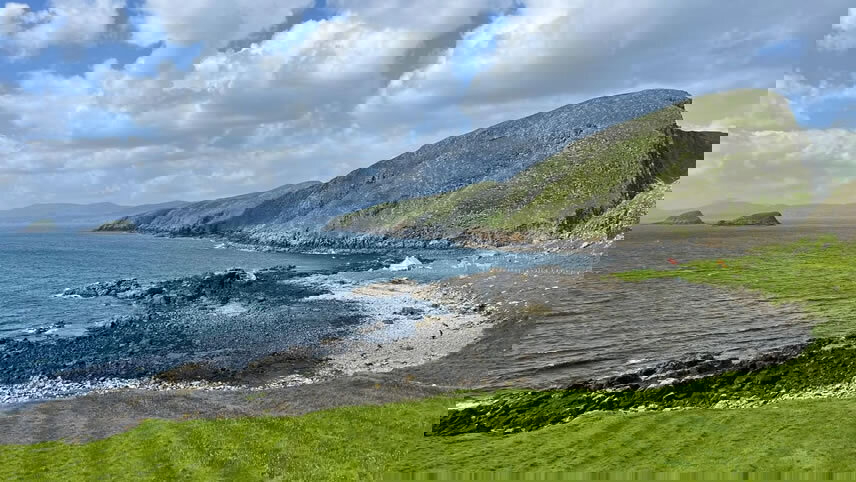


Overview
Within these exceptional landscapes, you will set off to discover an abundant heritage mixing prehistoric megalithic sites, Celtic and Viking influences, old monasteries, castles and Gaelic traditions that are still very much read more alive. At the crossroads of raw nature and thousand-year-old history, you will experience a passionate and timeless journey.
Cruise Itinerary
Start your exploration of Dublin with a visit to Trinity College, home to the ancient Book of Kells. A stroll through the cobbled streets of Temple Bar reveals an array of lively pubs, quirky shops, and the fascinating Irish Film Institute.
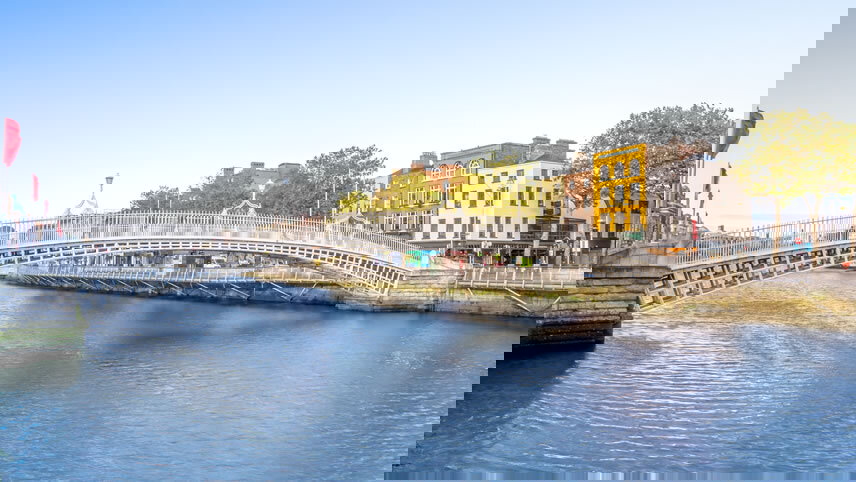
History enthusiasts will appreciate the solemn beauty of Dublin Castle and the poignant exhibits at Kilmainham Gaol. For a taste of local flavor, visit the Guinness Storehouse to learn about Ireland's famous stout. End your day with a leisurely walk along the River Liffey, enjoying views of the Ha'penny Bridge and the city's charming Georgian architecture.
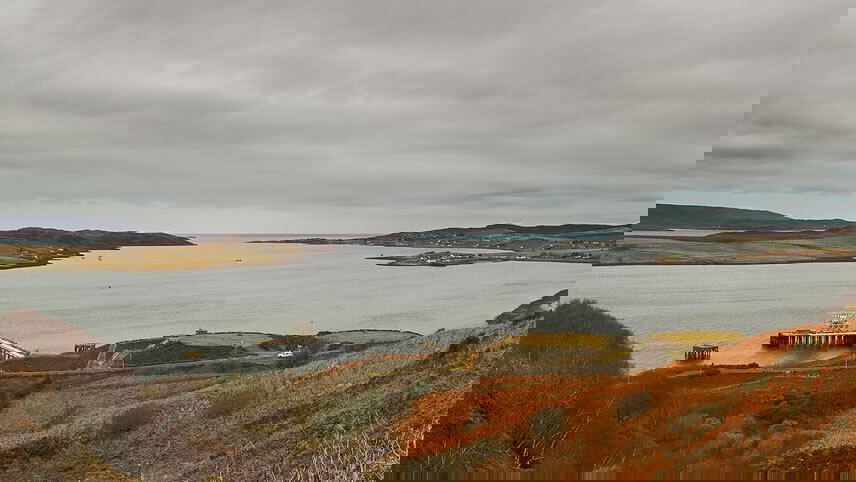
Portrush is a small seaside resort in County Antrim, Northern Ireland, which is famous for hosting The Open golf tournament in 1951 and 2019. The main part of the old town is located on a peninsula that is 1.5-km (1-mile) long, Ramore Head. With three beautiful sandy beaches, the town has a pleasant seaside atmosphere and great appeal due to its proximity to exceptional cultural sites, such as Dunluce Castle or the Giant’s Causeway, a unique natural wonder, the most fascinating formation of basalt columns in the world, and the first UNESCO World Heritage Site in Northern Ireland.
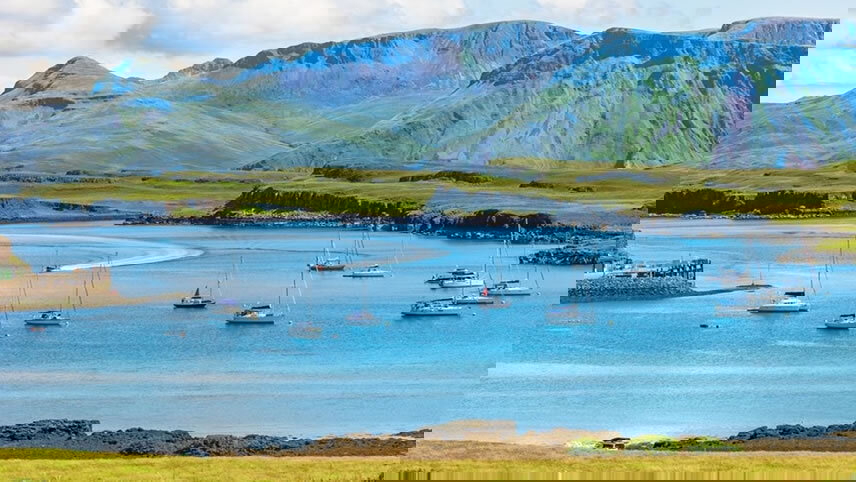
The Isle of Canna, the westernmost of the Small Isles in Scotland, is a serene and compact haven known for its rich history and natural beauty. Owned by the National Trust for Scotland, this peaceful island offers an array of archaeological sites, from ancient Celtic crosses to the remnants of Viking settlements.
Birdwatchers are particularly drawn to Canna for its significant populations of seabirds.
With just a few hours to explore, visitors can easily traverse the island’s gentle hills and enjoy panoramic views of the surrounding seas. The tranquil beaches and clear waters also invite leisurely strolls and picnics, making Canna a delightful retreat from the hustle of modern life.
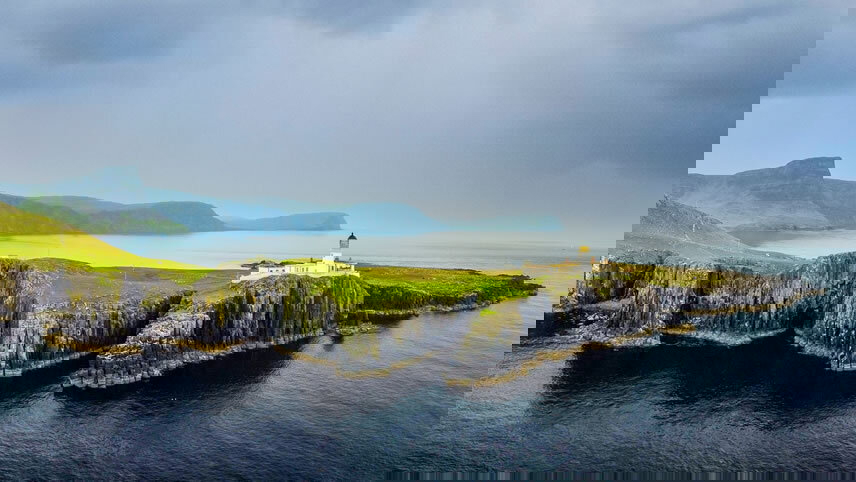
Your exploration of the Isle of Skye should start off with a visit to the Old Man of Storr, an iconic rock formation offering stunning views of the surrounding landscape. The Fairy Pools are a series of crystal-clear blue and green pools and waterfalls, the perfect location for a leisurely hike. For a taste of local culture, visit the Dunvegan Castle, the oldest continuously inhabited castle in Scotland, where you can learn about the Clan MacLeod.
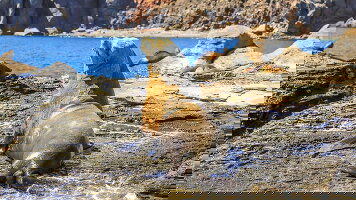
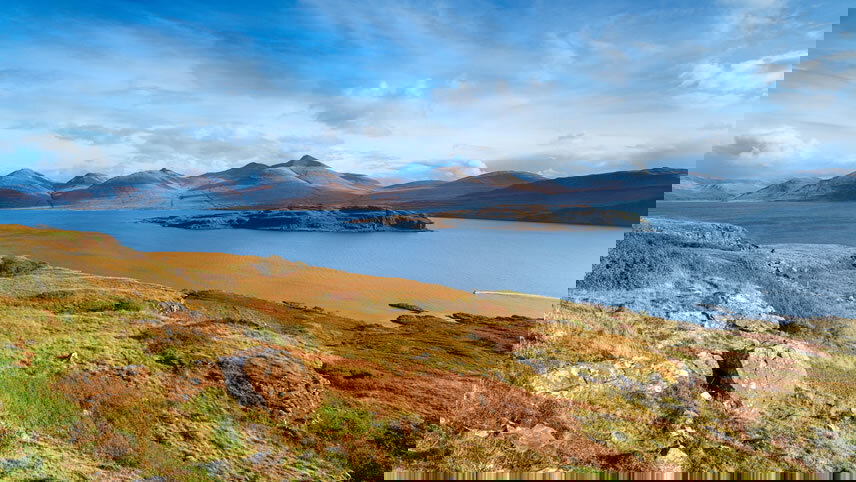
In the south of the Isle of Skye, Loch Scavaig, located on the eponymous river, the shortest in Great Britain, will reveal its stunning scenery: you will not fail to admire the reflections of the Cuillin Hills, granite hills carpeted with heather and shrouded in morning mist, on the waters of the loch. Perhaps you will be lucky enough to spot some harbour seals and grey seals lazing on the shore. Let yourself be tempted by a hike to discover Loch Coruisk and its sublime panorama at the foot of the Black Cuillin ridge, which has inspired many painters, including J. M. W. Turner.
Loch Ewe, situated on the northwest coast of Scotland, is renowned for its scenic beauty and historical significance. This sea loch, surrounded by rugged hills and charming villages, offers breathtaking views and tranquil waters. The area played a crucial role during World War II as a gathering point for Arctic convoys, adding a rich historical dimension to its natural allure.
Visitors can explore Inverewe Garden, a stunning botanical garden featuring exotic plants from around the world, thanks to the region's mild climate. The loch is also a haven for wildlife enthusiasts, with opportunities to spot seals, otters, and a variety of bird species. Loch Ewe's blend of history, nature, and serene landscapes makes it a captivating destination in the Scottish Highlands.
The Shiant Islands of Scotland, located in the Minch between the Isle of Lewis and the mainland, are a secluded cluster of rugged isles famed for their dramatic cliffs and abundant birdlife. This uninhabited archipelago is an important breeding ground for seabirds, including puffins, razorbills, and guillemots, making it a paradise for birdwatchers and nature enthusiasts.
Visitors are greeted by the raw beauty of steep rock faces and grassy slopes, with the islands' geology providing a fascinating insight into volcanic activity from millions of years ago. Accessible only by boat, the Shiant Islands offer a serene escape into the wild, untouched nature of Scotland's coastal wonders.
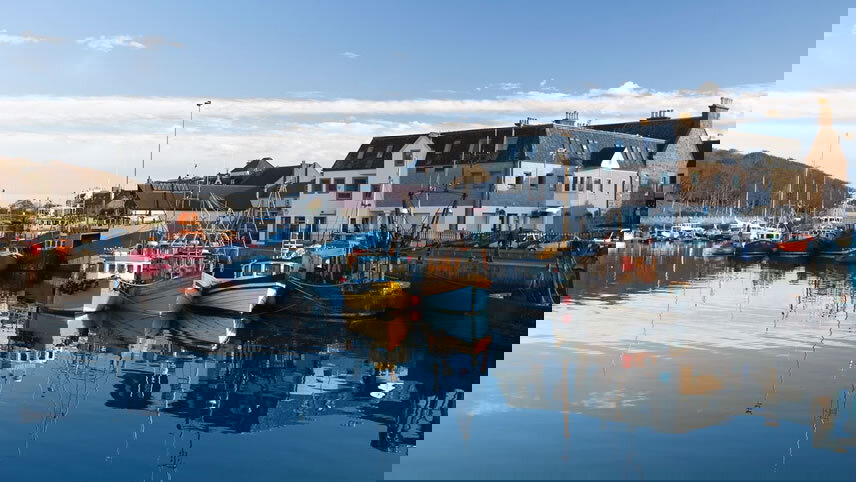
Colourful row houses and red-hulled fishing vessels line the shores of this picturesque port set on the edge of the Outer Hebrides. The gateway to Lewis and Harris Island, Stornoway is a short journey to a natural wonderland of mountains, craggy rocks, moorlands, meadows, and rugged coastlines. Ships will anchor offshore and tender guests to shore.
Top Things to Do in Stornoway:
- explore Lews Castle
- visit the Callanish Stones
- tour the Gearrannan Blackhouse Village
- cruise the Uig coastline in a RIB (boat)
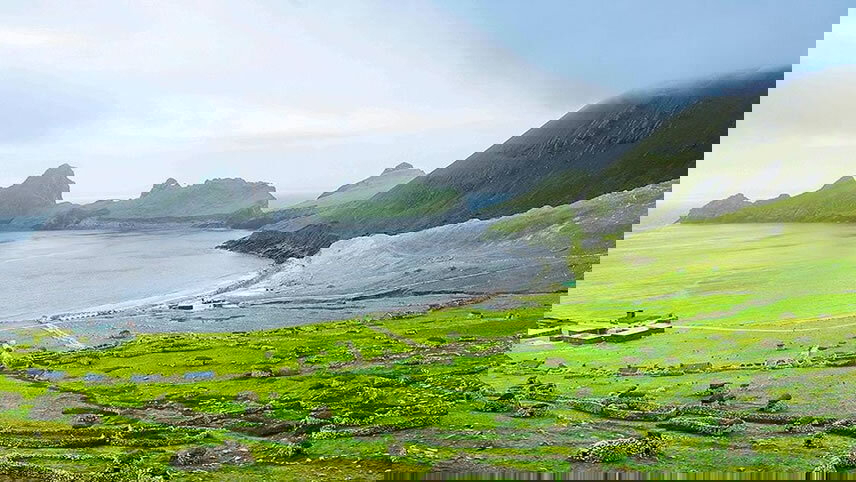
St Kilda, Scotland, is an archipelago renowned for its dramatic landscapes and as a testament to human resilience in one of the UK's most isolated locations. The islands, now uninhabited and protected as a World Heritage Site, once supported a small but hardy community, which managed to thrive despite the harsh living conditions. The remnants of this community, including stone houses and unique storage structures called cleitean, are open for exploration.
Staffa, an uninhabited island in the Inner Hebrides of Scotland, is famous for its dramatic basalt columns and remarkable sea caves. The most notable of these is Fingal's Cave, renowned for its stunning acoustics and hexagonal rock formations. Visitors often take boat tours to explore the cave and marvel at the island's unique geology.
The island is also a haven for wildlife, with puffins, guillemots, and other seabirds nesting on its cliffs. The surrounding waters are rich with marine life, including seals and dolphins. Staffa's natural wonders and serene atmosphere offer a captivating experience for nature lovers and adventure seekers.
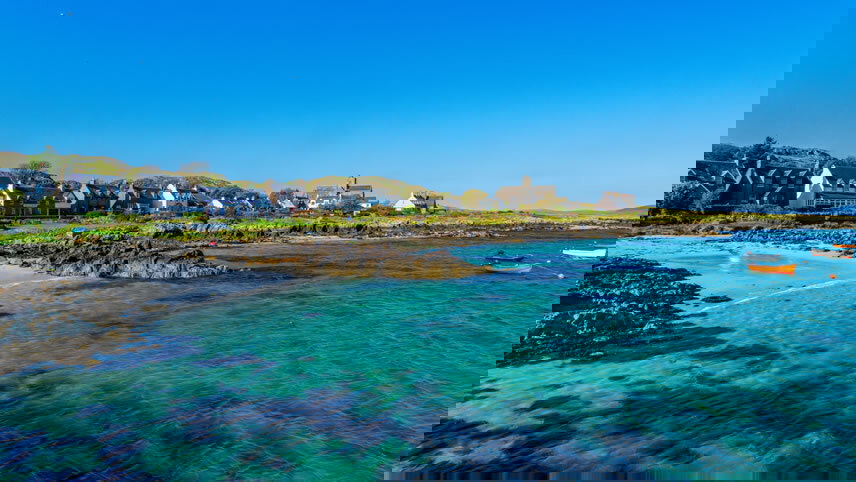
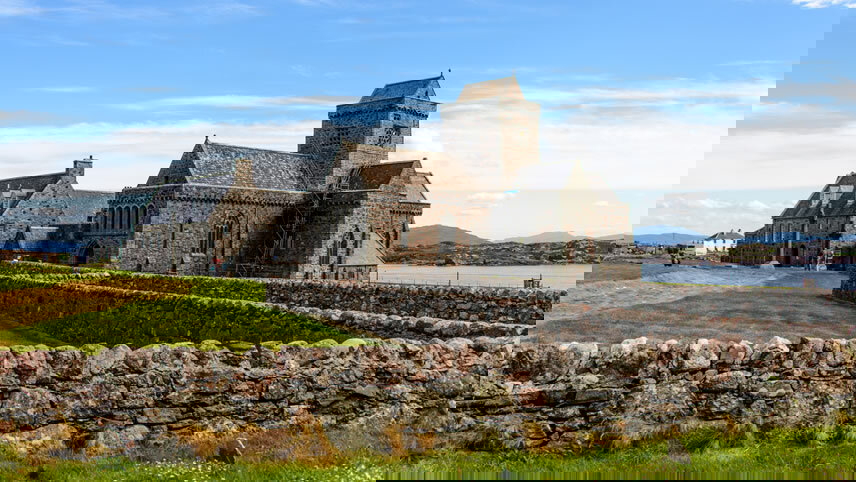
Known as the 'cradle of Christianity', Iona has an atmosphere of peace and tranquillity, enhanced by green fields and sandy beaches fringed with intense blue-green seas that look more Mediterranean than Scottish.
The island's main attraction is its medieval abbey, established by Saint Columba when he arrived from Ireland in 563. The abbey is a fine example of ecclesiastical architecture dating from the Middle Ages and it also serves as an important site of spiritual pilgrimage. Many kings of Scotland, including the legendary Macbeth, are buried in the nearby cemetery.
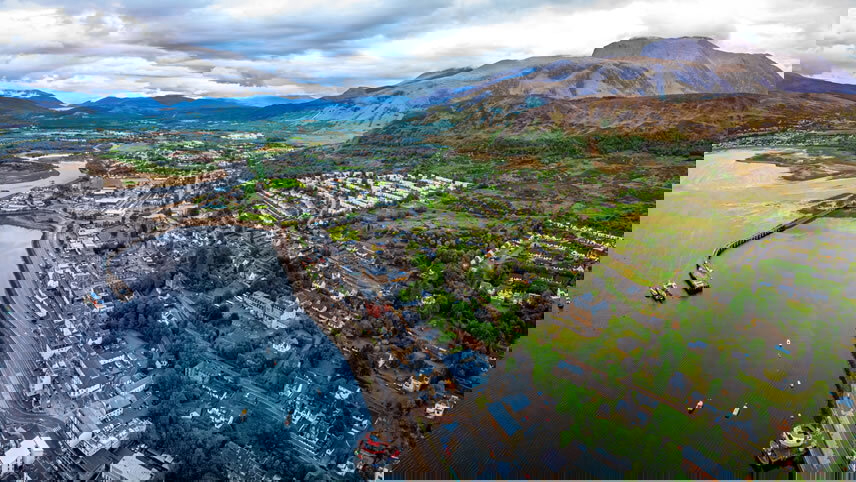
Embrace the rugged beauty of the Scottish Highlands and explore the Glencoe Valley, or take a scenic journey on the Jacobite Steam Train, known for its role in the Harry Potter films.
Fort William itself boasts historic sites like Old Inverlochy Castle, and the town centre offers an array of delightful shops and local eateries.
Cruise ships dock at the Fort William Cruise Terminal, located conveniently close to the town centre.
The Isle of Mull, situated off Scotland's west coast, is renowned for its picturesque landscapes and charming villages. Nature lovers will be captivated by the island's diverse wildlife, including eagles, otters, and whales. Explore the island’s rich history by viewing Duart Castle, the ancestral home of Clan Maclean, perched dramatically on a cliff overlooking the Sound of Mull.
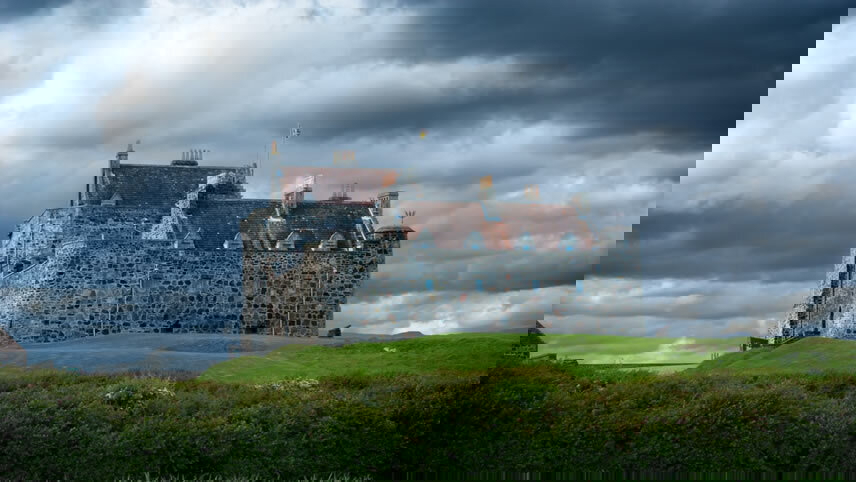
Duart Castle, proudly perched on the Isle of Mull in the Scottish Hebrides, stands as a sentinel at the intersection of three sea lochs. This imposing fortress, with its origins stretching back to the 13th century, is the ancestral home of Clan MacLean. Its strategic position offers expansive views that have surveyed the comings and goings of seafarers for centuries. Visitors are drawn to its grandeur, historical significance, and the tales of clan battles and legends that echo through its halls.
Exploring Duart Castle provides a deep dive into Scottish history and architecture. The restored interior, including the Banqueting Hall and the Duke's Room, along with exhibitions detailing clan history, offer insights into the life and times of the Scottish Highlands. The surrounding rugged coastline and the castle’s dramatic silhouette against the sky make for spectacular photo opportunities.
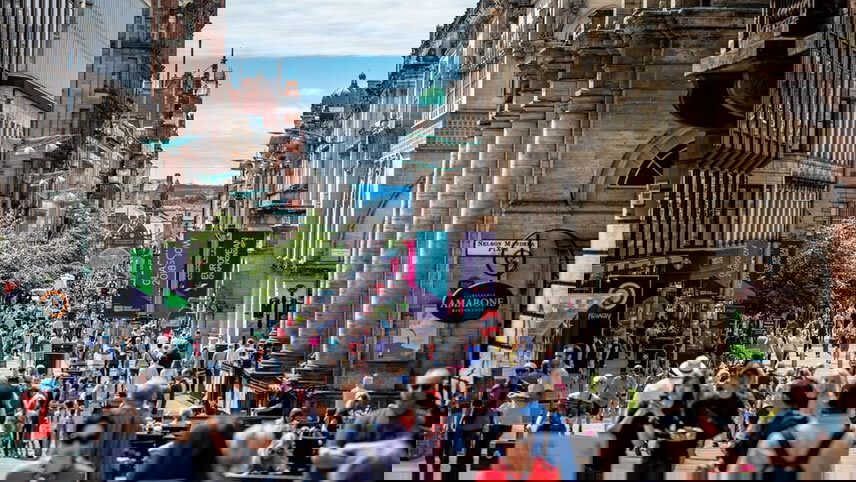
Glasgow was Scotland's great industrial centre during the 19th century and today, the city remains the commercial and cultural capital of the Lowlands. Lying on the banks of the River Clyde, Glasgow boasts some of the finest Victorian architecture in the entire United Kingdom. Ships will dock in Greenock which is a 45 minute drive from Glasgow.
Top Things to Do in Glasgow:
- admire the famed Glasgow Cathedral
- stroll through the Glasgow Botanic Garden
- cruise Loch Lomond
- visit the Kelvingrove Art Gallery and Museum
Life Onboard Le Lyrial
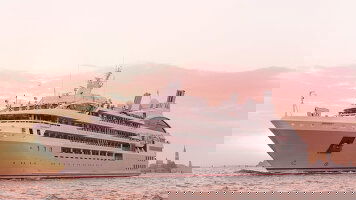
Enjoy the luxury and sophistication of mega yacht cruising when you explore the seas on Le Lyrial. Read more
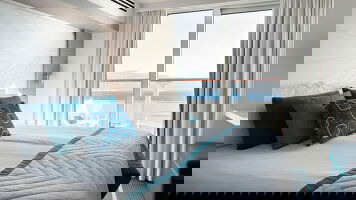
Relax in the comfort of chic decor and luxury in your ocean facing accommodation. Read more
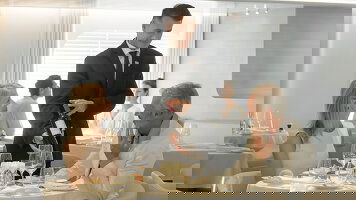
Exquisite French gastronomy is the highlight of every meal you will savour in the restaurant and grill. Read more
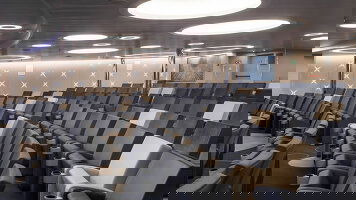
Applaud a live show in the theatre or enjoy the social life and dancing in the main lounge. Read more

It doesnt matter where you are cruising, you will be well looked after from the moment you embark. Read more
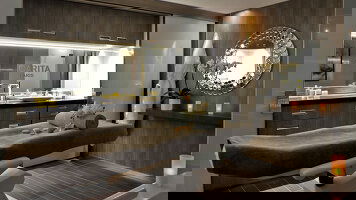
Using on the best French products, a treatment in the spa will revive and rejuvenate. Read more

 USD
USD Tour & cruises prices are per person. Prices shown have savings applied, are subject to availability and may be withdrawn at any time without notice. Pricing and trip details are correct at this point in time, however are subject to confirmation at the time of booking and are subject to change by Ponant. For cruise itineraries, cabin images are sourced from the cruise-line and should be treated as indicative only. Cabin inclusions, upholsteries and room layout may differ to the image(s) shown depending on the ship selected and your sailing dates.