Overview



44 Days

Tahiti

Santiago


254

212

1993

2017

SCPPWPPW
Itinerary
Tahiti's diverse beauty spans from the serene shores of Matavai Bay to the verdant Papenoo Valley. In Papeete, experience the lively atmosphere of the waterfront promenade and indulge in traditional dishes at the roulottes, food trucks serving Polynesian cuisine. Head inland to Faarumai Waterfalls, a trio of cascades nestled in lush greenery. The island is also a hub for pearl farms, where you can discover the intricate process of cultivating Tahitian black pearls, renowned for their unique luster.
The Papeete Cruise Port is located right in the city center so attractions such as the vibrant Papeete Market are just a short walk away. To visit more distant attractions like the stunning Fautaua Waterfall, consider a taxi or a guided excursion. Don’t miss out on trying local Tahitian cuisine or visiting the Black Pearl Museum.
The island's unique geography makes Moorea one of French Polynesia's most breathtaking islands. Eight mountain peaks carpeted in lush vegetation rise from a translucent lagoon and two tranquil bays. Ships will anchor offshore and tenders will be provided to the shore.
Top Things to Do in Moorea:
- encounter dolphins at the Intercontinental Moorea Resort marine sanctuary
- hike through Opunohu Valley
- enjoy an off-road adventure through Moorea's deep valleys and mountains
- cruise Moorea's waters on a Catamaran
The Tuamotu Archipelago is a sprawling chain of coral atolls in French Polynesia. Known for some of the world's best diving spots, these islands offer crystal-clear waters teeming with vibrant marine life, ideal for diving and snorkelling enthusiasts.
The archipelago's pearls, particularly from the atoll of Manihi, are celebrated for their quality and beauty, drawing visitors interested in the local pearling industry. Ships navigating through the Tuamotus typically stop at key islands, allowing visitors to tender ashore for easy access to explore.
Fakarava is an atoll in the west of the Tuamotu group in French Polynesia. It is oblong shaped and has an almost continuous string of reef stretching for 40 km on its eastern edge.
Pure, pristine and dreamlike, the ecosystem of this gorgeous island is home to extremely rare birds, plants and crustaceans. Quaint villages, old coral churches and welcoming people are intertwined with a spectacular lagoon creating a paradise like none other in the world.
Ships will anchor offshore and tenders will be provided to the pier in Fakarava’s main village, Rotoava.
Days at sea are the perfect opportunity to relax, unwind and catch up with what you’ve been meaning to do. So whether that is going to the gym, visiting the spa, whale watching, catching up on your reading or simply topping up your tan, these blue sea days are the perfect balance to busy days spent exploring shore side.
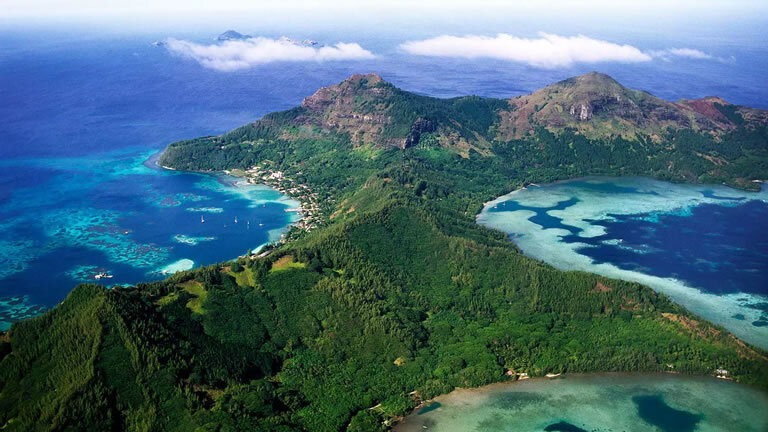
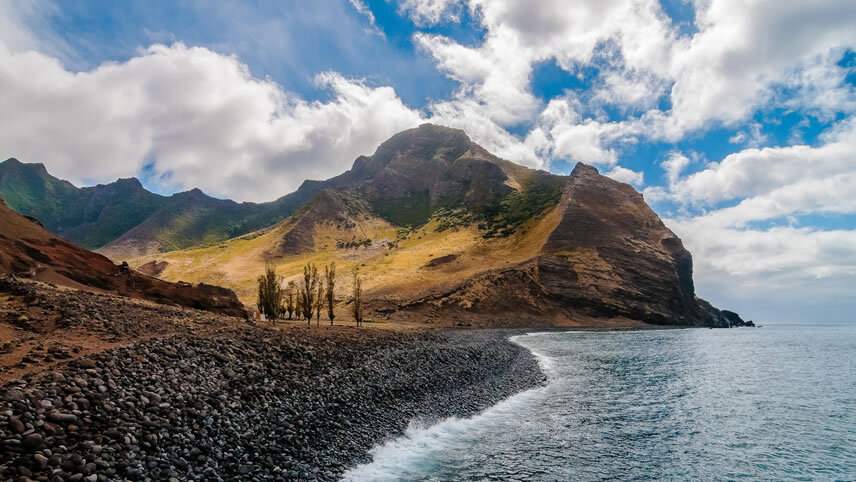
Atuona is the port of call for Hiva Oa in the Marquesas Islands. The island’s rugged landscapes blend sharp ridges, peaks and valleys scattered with archaeological sites and ruins. Hiva Oa is lined with black sand beaches and sharp cliffs diving into the Pacific Ocean.
This is also the place where two famous artists chose to live their lives: the french painter Paul Gaugin and the french singer-poet Jacques Brel. Their graves and a cultural centre devoted to the famous french painter are highlights of any visit to Hiva Oa. Ships will anchor in Taaoa Bay and tenders will be provided to the shore.
Tahuata, the smallest inhabited island in the Marquesas archipelago of French Polynesia, is renowned for its unspoiled beauty and rich cultural heritage. This tranquil island, accessible primarily by boat from nearby Hiva Oa, offers a serene escape with its pristine beaches, lush valleys, and vibrant marine life.
The village of Vaitahu, the island’s main settlement, holds historical significance as the site where European explorers first made contact with the Marquesan people. Visitors can explore the village’s church, adorned with beautiful Marquesan carvings, and learn about the island's history at local cultural sites. Tahuata is also famous for its skilled artisans, who produce intricate wood carvings and exquisite tapa cloth, reflecting the island's deep-rooted artistic traditions.
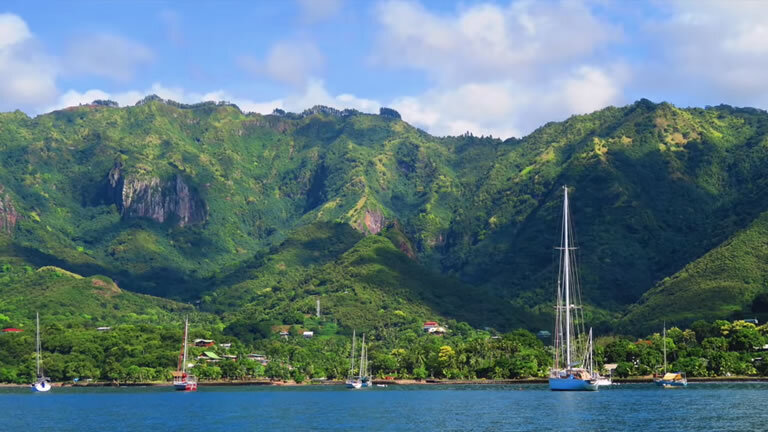
The largest of the Marquesas Islands, Nuku Hiva is a stunning volcanic island with mountains topping 3,700 feet and jagged walls that suddenly plunge into the immense ocean below. This untouched island will enchant you with its wild and beautiful landscape. Ships will anchor offshore and tenders will be provided to the shore.
Top Things to Do on Nuku Hiva:
- explore the lush and remote Taipivai Valley
- view Vaipo Falls
- take a boat or hike to Anaho Bay
- see the giant tiki at Piki Vehini
Days at sea are the perfect opportunity to relax, unwind and catch up with what you’ve been meaning to do. So whether that is going to the gym, visiting the spa, whale watching, catching up on your reading or simply topping up your tan, these blue sea days are the perfect balance to busy days spent exploring shore side.
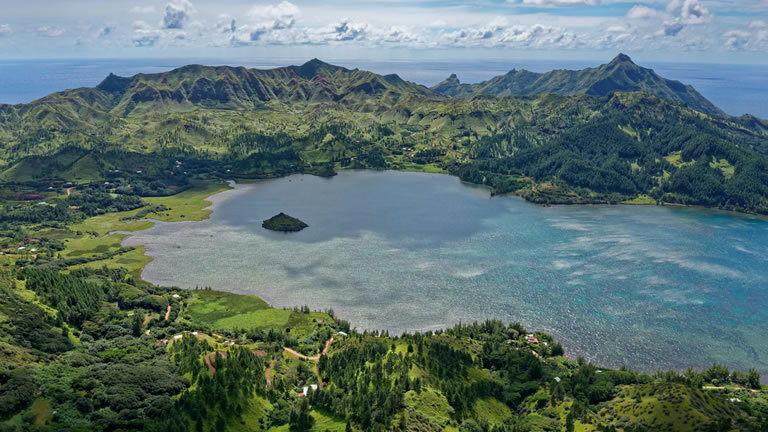
Mangareva, meaning 'floating mountain' in Polynesian, is the largest of the Gambier Islands. Surrounded by a magnificent coral reef and blessed with generous vegetation, this island, a cradle of Catholicism, has exceptional cultural heritage, with many vestiges of religious buildings dating from the 19th century.
Nestling in the heart of this historic site with idyllic landscapes, do not miss the small village of Rikitea, where one of Polynesia’s wonders, Saint Michael’s Cathedral, stands proudly, entirely built from coral and timber. Ships will anchor offshore and tenders will be provided to the shore.
Days at sea are the perfect opportunity to relax, unwind and catch up with what you’ve been meaning to do. So whether that is going to the gym, visiting the spa, whale watching, catching up on your reading or simply topping up your tan, these blue sea days are the perfect balance to busy days spent exploring shore side.
With around 50 residents on the island, Adamstown is the capital of the Pitcairn Islands and the only populated settlement, as all of the other Pitcairn Islands are uninhabited.
Here you can get a firsthand insight into the living history and culture of the people of Pitcairn Island - the direct descendants of Pitcairn's first European settlers, the HMS Bounty mutineers.
On shore visit the local museum that houses the HMS Bounty Bible, the historic Adamstown Church, view Fletcher Christian’s cave, or keep an eye out for the Pitcairn Reed Warbler.
Days at sea are the perfect opportunity to relax, unwind and catch up with what you’ve been meaning to do. So whether that is going to the gym, visiting the spa, whale watching, catching up on your reading or simply topping up your tan, these blue sea days are the perfect balance to busy days spent exploring shore side.
Although a Polynesian island in southeastern Pacific Ocean, Easter Island is an overseas territory of Chile. The island received its name from a Dutch explorer who encountered the island on Easter Sunday in 1722.
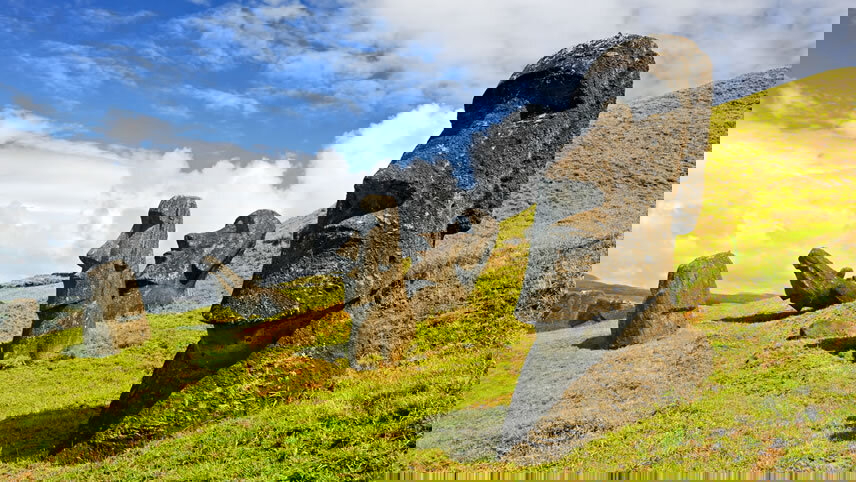
The island is famous for its mysterious, monumental statues, called moai, created by the Rapanui people. A total of 887 monolithic stone statues have been inventoried. The native islanders who carved them used only stone hand chisels, mainly basalt toki, which still lay in place throughout the island. Ships will anchor offshore and tenders will be provided to the shore.
Days at sea are the perfect opportunity to relax, unwind and catch up with what you’ve been meaning to do. So whether that is going to the gym, visiting the spa, whale watching, catching up on your reading or simply topping up your tan, these blue sea days are the perfect balance to busy days spent exploring shore side.
Robinson Crusoe Island, part of Chile’s Juan Fernández Archipelago, is a hidden gem with a fascinating history and pristine natural beauty. Named after the literary character, the island offers a unique blend of adventure and tranquillity. Start the day with a visit to the town of San Juan Bautista, where you can explore the island's history and enjoy local seafood delicacies.
Outdoor enthusiasts will love hiking up to El Mirador de Selkirk, providing stunning views of the island and the surrounding Pacific Ocean. The island's unique flora and fauna, including the endemic Juan Fernández fur seal, are a delight for nature lovers. Don’t miss the chance to dive into the clear waters and discover vibrant marine life in this remote paradise.
Days at sea are the perfect opportunity to relax, unwind and catch up with what you’ve been meaning to do. So whether that is going to the gym, visiting the spa, whale watching, catching up on your reading or simply topping up your tan, these blue sea days are the perfect balance to busy days spent exploring shore side.
Once the most important merchant port on the Pacific trading routes of South America, Valparaiso is now a UNESCO World Heritage Site. With its bright, colourful buildings, incredible European-inspired architecture, and unique urban hillside design, Valparaiso offers a vibrant artistic culture in a laid-back environment. Ships will dock at the port.
Top Things to Do in Valparaiso:
- sandboard the Dunes of Concón
- explore Cerro Concepcion
- visit the Parque Cultural de Valparaíso
- admire the street art on a walking tour
Days at sea are the perfect opportunity to relax, unwind and catch up with what you’ve been meaning to do. So whether that is going to the gym, visiting the spa, whale watching, catching up on your reading or simply topping up your tan, these blue sea days are the perfect balance to busy days spent exploring shore side.
Puerto Montt, located in the southern reaches of Chile, serves as the gateway to the Chilean fjords, Patagonia, and the Andes Mountains. This port city is vital for its role in connecting the more remote parts of southern Chile. The Angelmó market, famous for its array of fresh seafood, vibrant handicrafts, and woollen goods, encapsulates the local culture and is a hub for culinary and artisanal exploration.
The nearby Lake District offers dramatic volcanic landscapes and lush forests, making Puerto Montt a central point for accessing natural wonders such as the Vicente Pérez Rosales National Park, where the Petrohué Falls and Osorno Volcano are key attractions. The city’s blend of natural beauty and cultural richness reflects the diverse offerings of the region.
Embark on an expedition through the Chilean Fjords by Zodiac. Be immersed in a world of awe-inspiring landscapes carved by ancient glaciers, revealing nature's relentless force through steep-sided valleys and tranquil waters.
Witness the might of glacial ice calving, where chunks of ice thunderously break off from the glaciers and crash into the water.
The cold, nutrient-rich waters promise encounters with diverse marine life, from the playful South American Fur Seals and Sea Lions to the graceful Humpback Whales.
Peale's Dolphins dart through the waves, while the skies are patrolled by an array of seabirds, including the majestic Andean Condors, soaring on the up-drafts with the largest wing surface area of any bird.
Tortel is a commune located in Southern Patagonia, characterised by an archipelagic area of numerous islands and channels. Tortel is known as the “footbridge city” for the unique beauty of its wooden walkways that connect the piers and houses of this quaint place through bridges and stairs, built from cypress wood, that run for just over 7km (4.5mi) around the cove and that respect the rich vegetation that grows under them.
Even though it is the sixth largest commune in Chile, it has the lowest population of all with roughly 531 people. The history of the town dates back to 1520 when it was inhabited by nomadic Kawesqar, now extinct. Its definitive foundation was in 1955, after numerous attempts to populate the area. In 2001, it was declared by the Chilean government as a Picturesque Zone of National Heritage.
English Narrows refers to a narrow passage at the southern end of the Messier Channel in Chile’s Region XI, Aysen del General Carlos Ibanez del Campos. The region is Chile’s least populated and a few kilometres south of English Narrows is Puerto Eden, the only settlement along the entire Chilean Inside Passage. With Wellington Island to the west and surrounded by Chile’s largest national park, Bernardo O’Higgins National Park, the narrow passage is at times 180 meters wide, while the entire length is given as 18 kilometres. Low-lying islands and steep mountains are seen on both sides and the Magellanic subpolar forest with its evergreen trees of the genus Nothofagus has taken hold where possible.
Located in Bernardo O'Higgins National Park, Brüggen Glacier, also known as Pío X Glacier, is the largest glacier in South America and is the only glacier in the world that is continuing to grow. Pío X Glacier currently has a surface area of 786 square miles - as large as Santiago!
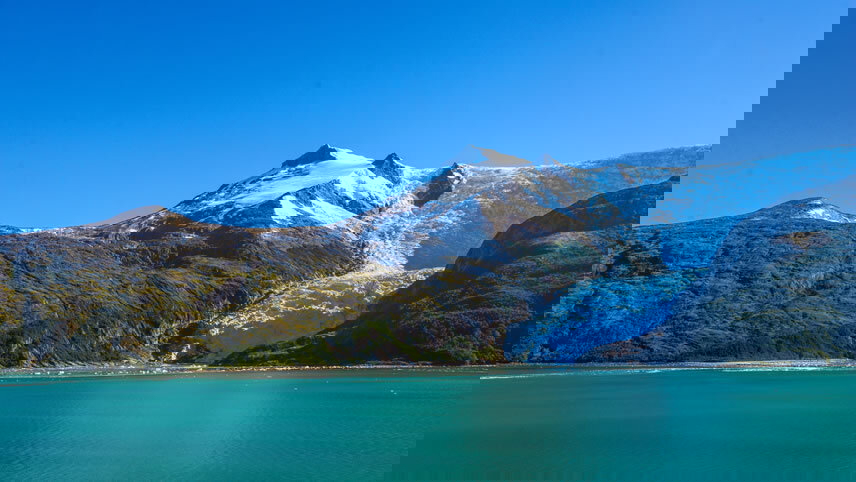
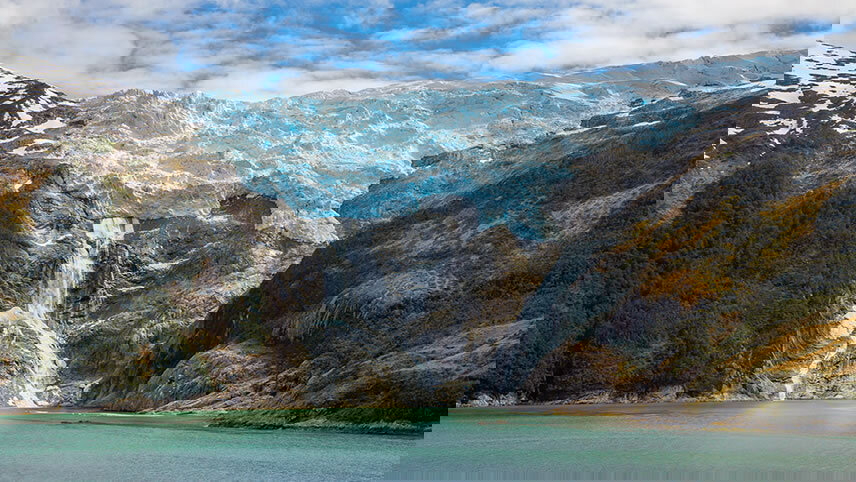
These fjords, carved by ancient glaciers, stretch along Chile's southern coast, revealing deep blue waters, towering peaks, and lush rainforests. You'll marvel at breathtaking views, including the famed Amalia Glacier, with its striking blue ice cascading into the sea. The region is rich in wildlife, making it a paradise for nature enthusiasts. Spot majestic humpback whales, playful dolphins, and colonies of sea lions.
Punta Arenas, perched on the southern tip of Chile's mainland, serves as a crucial gateway to the Antarctic, drawing explorers from around the world. This city is steeped in maritime history and is the largest population centre in Patagonia, offering a fascinating mix of cultural influences evident in its architecture and local customs. The Nao Victoria Museum, featuring replicas of historic ships, and the poignant Monumento al Ovejero, celebrating the region’s sheep farming heritage, are key highlights.
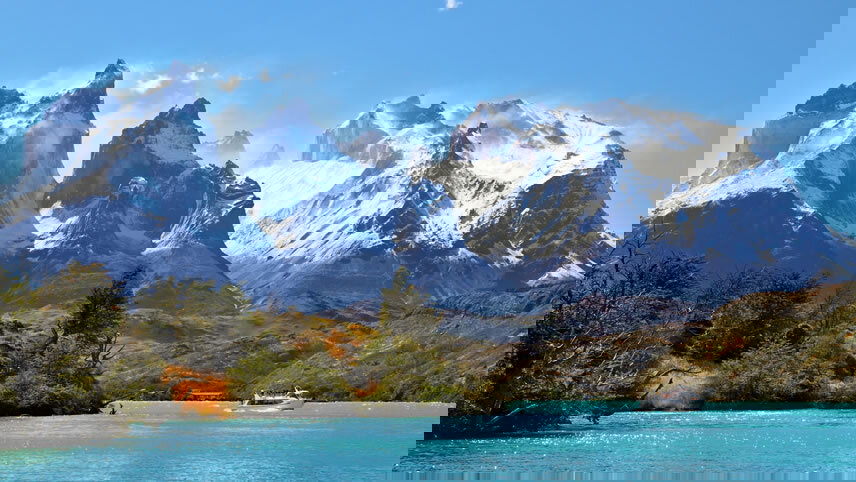
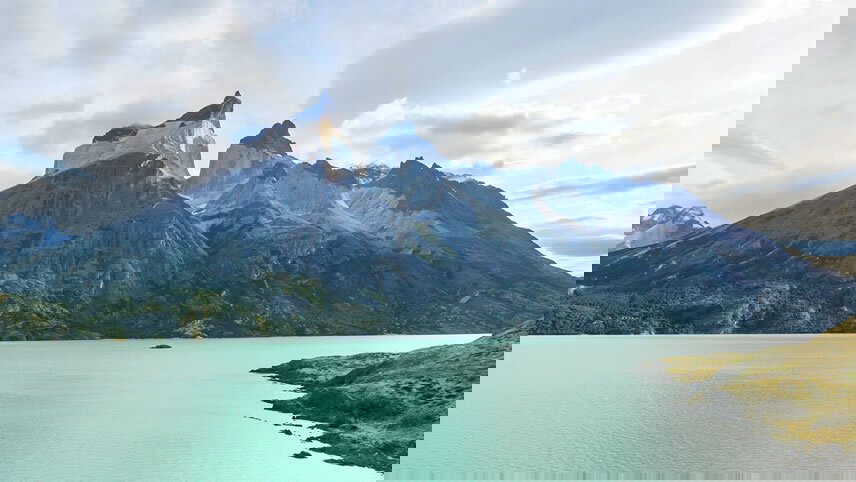
The rugged, windswept landscapes surrounding Punta Arenas invite outdoor enthusiasts to explore. Nearby Torres del Paine National Park offers spectacular trekking opportunities, while the Strait of Magellan provides panoramic sea vistas and a chance to spot diverse marine wildlife, making this region a hub for natural and historical exploration.
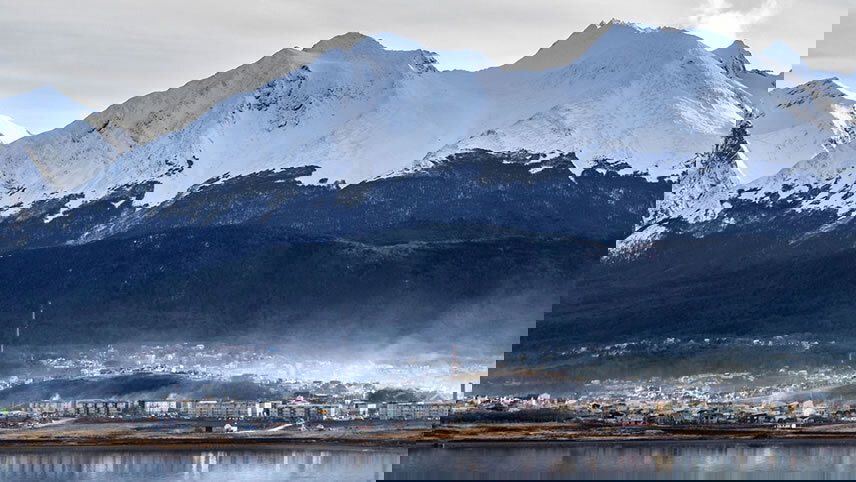
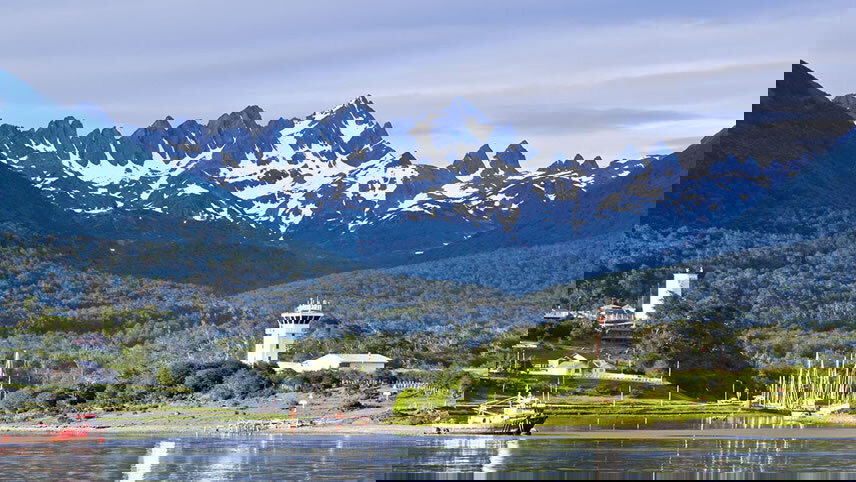
Located at the southernmost end of South America, Ushuaia is is often called a doorway to Antarctica. The town boasts incredible natural beauty through its national parks like the Tierra del Fuego National Park with cultural institutions like the Museo del Fin del Mundo, or the End of the World Museum. Ships will dock at this port.
Top Things to Do in Ushuaia:
- ride the steam-powered End Of The World Train
- Spend the day walking the Tierra Del Fuego National Park
- Martial Glacier affords spectacular vistas from its 1,050-meter summit
Sailing the legendary Drake Passage is an experience that few are ever lucky enough to experience. The southern tip of the Americas already feels like a wild enough environment – but the sensation of watching the distant cliffs of the peninsular known as the ‘End of the World’ fade into the horizon, is one that’s equal parts epic, eerie and magical.
Set sail, to slowly drop off the bottom of the map from Cape Horn, and voyage on an expedition down into the icy underworld of Antarctica. Drake Passage is an extraordinary voyage of romantic ocean faring legend, as you aim for Antarctica’s icy realm. On arrival, skyscraper sized icebergs salute you, as you traverse the waters of this continent where snow and ice dwelling creatures like penguins and whales roam undisturbed.
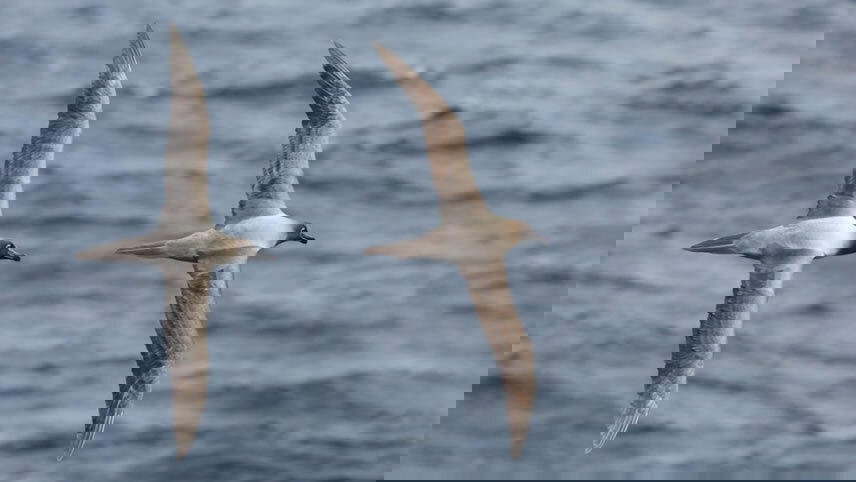
Your first sight of this most-unexplored place will most likely be the South Shetland Islands. Walk in the footsteps of some of history’s greatest and bravest explorers as you explore famed, snow-covered landmasses like Elephant and Deception Island. If the journey across Drake Passage sounds daunting, don’t worry – even in rough seas you’re never alone, and will often be accompanied on this spine-tingling adventure by soaring albatrosses and maybe even a protective pod of humpbacks and hourglass dolphins or two. Converging warm and cool ocean currents attract some spectacular animal life to the passage. If this is your first visit to this magical continent, you’ll also want to familiarise yourself with our blog for first timers to Antarctica.
Few voyages ignite the imagination like a journey down to one of the planet’s most remote, extreme and enchanting wilderness, Antarctica. An adventure in its purest form, only a handful of people will ever be lucky enough to experience the majestic beauty of these monochrome landscapes first-hand. The Antarctic Sound will be one of your first encounters of this whitewash kingdom, located at the northerly tip of the Antarctic Peninsula - which sprawls up like a tentacle towards Tierra del Fuego, South America’s most southerly point, otherwise known as the ‘End of the World’.
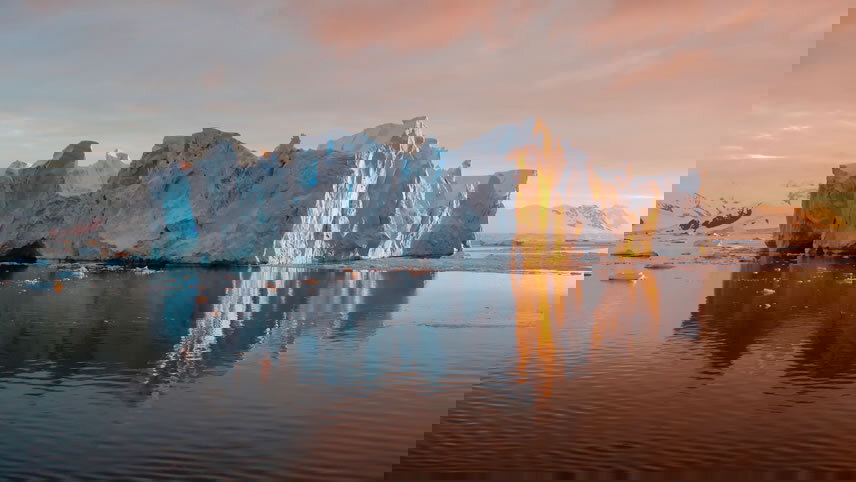
Taking its name from the first ship to brave the passageway between the peninsular and the Joinville Island groups back in 1902, the Sound is a raw, sensory assault of imposing iceberg slabs, broken away from the disintegrating Larsen Ice Shelf. Come face-to-face with stadium-sized islands of ice and meet the extraordinary birdlife that call this whitewash kingdom home. Watch on, as colonies of Gentoo penguins hop around, and cape petrels sweep overhead, as the continent’s unique wildlife thrives around you.
If you’re planning your first venture into Antarctica, you’ll want to brush up on your photography skills in advance, to capture this unforgiving continent in all of its unrestrained glory. Read our blog for tips on how to ensure that your photos do justice to the adventure of a lifetime.
Included Shore Excursions:
- Zodiac Cruise with Silversea Expedition team
- Hiking with Silversea Expedition team
- Kayaking with Silversea Expedition team
The Antarctic Peninsula unravels upwards towards South America, reaching out a beckoning finger to the adventurous, who dare to explore this untamed realm. Stretching up from the heart of the world’s southernmost continent, the Antarctic Peninsula lies a mere 620 mile from Tierra del Fuego and, for many, offers a spectacular first taste of the snow-blanketed landscapes and colossal ice sculptures, which make up Earth’s least-explored continent. Unseen by humans until 1820 - a blink of an eye ago in relative terms - this is an adventure sure to make your hairs stand on end, as you experience the thrill of the truly unknown and extraordinary.
The vast peninsula is sprinkled with research bases, which are at the frontline of human scientific endeavour, pushing to study and understand this unique landscape, its exceptional wildlife, and the impact that humans are having on this pristine continent. Witness cathedral-sized icebergs up close, and blue-hued glaciers, slowly slipping from imposing locations like Hope Bay. Blanched mountain peaks cover the peninsula, and you’ll find thousands of adorable Adelie penguin pairs thriving undisturbed in this peninsula’s unique setting.
Included Shore Excursions:
- Zodiac Cruise with Silversea Expedition team
- Hiking with Silversea Expedition teamA
- Kayaking with Silversea Expedition team
The ice-coated Antarctic Peninsula forms perhaps the most accessible region of mainland Antarctica, lying a mere 480-miles away from South America, across the fabled waters of Drakes Passage. Lying close to the northwestern tip of the Antarctic Peninsula, separated by the Bransfield Strait, the South Shetland Islands fall under the jurisdiction of the Antarctic Treaty, suspending claims on their sovereignty.
Several countries maintain research bases here, and with plump elephant seals, and crowds of Gentoo, Chinstrap and Adelie Penguins also calling the islands home, it can even feel a little crowded at times. King George Island is the largest and most hospitable island, hosting the majority of the research stations - some of which are populated all-year-round by tiny, hardy crews. Don’t be fooled though, these islands offer extraordinary adventure in one of the most remote locations on earth.
The triple peaks of Mount Foster tower above the archipelago, and you’ll feel your heart pumping a little quicker, as you sail into the core of Deception Island’s magnificent collapsed volcano caldera. Hike the luna landscapes within, and even dip into the improbably warm, geothermally-heated waters of Pendulum Cove. Elephant Island, meanwhile, is written deep into the annals of Antarctic expedition legend, as the site where Ernest Shackleton and the stricken crew of the Endurance miraculously survived a harsh Antarctic winter, in 1916.
Included Shore Excursion:
- Zodiac Cruise with Silversea Expedition team
The body of water between Cape Horn and the South Shetland Islands in Antarctica is named the Drake Passage. This is where the Atlantic, Pacific, and Southern seas converge and they’re some of the choppiest waters in the world.
It takes the average cruise ship about 48 hours to sail from one end of the Drake Passage to the other. Some days the water will be surprisingly calm, others will present your cruise with sizable swells.
If you’re prone to seasickness, it's a good idea to see your doctor before you sail, and even if you're the type who laughs at roller-coasters, there's a good chance the Drake is going to test that cast-iron stomach of yours.
Puerto Williams, Chile, located on Navarino Island at the southern tip of South America, holds the title of the world's southernmost city. This remote outpost is more than just a geographical novelty; it's a gateway to the rugged landscapes and pristine environments of the Antarctic region. The town is a base for scientific research and a starting point for intrepid explorers heading to the icy continent.
The area around Puerto Williams is renowned for its breathtaking natural beauty, including the Dientes de Navarino trek, a challenging route that offers panoramic views of the Beagle Channel and the Darwin Range. The town also provides insights into the indigenous Yaghan community, with the Martin Gusinde Anthropological Museum documenting their rich history and culture.
Puerto Williams is a Chilean city located on Navarino Island on the southern shores of the Beagle Channel. It claims to be the “southernmost city in the world”, however owing to its small size – 2500 residents approximately – the much larger Argentinean city of Ushuaia, which sits on the northern side of the same channel, also claims that title. The surrounding scenery is magnificent. The wild windswept mountains rise above the tree line and are regularly dusted with snow. The city itself has the dramatic backdrop called “Dientes de Navarino” (literally “teeth of Navarino”), which rival the famous Torres del Paine further to the north. The area was originally used by the Yaghan people, hunter-gatherers who despite enduring the harsh regional climate, could not weather the arrival of Europeans.
The current city was established as a naval base in 1953 and honours the British-Chilean naval commander John Williams Wilson of the 16th century. Initially it served to protect territorial possessions and fishing rights of the area, as well as offering logistical support to Antarctic bases. More recently it has become a departure point for scientific and tourism trips to the Antarctic region. In contrast to the bustle and traffic of a very commercial Ushuaia, Puerto Williams offers a quieter, more relaxed experience. It charms the visitor with a small village feel, complete with rustic buildings and the homely smell of drifting wood smoke. A haven of peace at the end of the world.
Life On Board
Enjoy free-flowing premium wines and spirits, delicious gourmet cuisine, in-suite dining, full butler service for every suite and of course all gratuities. Whether you long to mingle in the Mediterranean, swim with the turtles of the Galapagos or embrace the glaciers of Alaska, there is something special about knowing that this cruising is all inclusive.
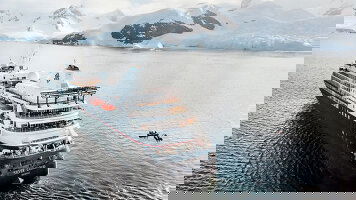
Explore remote corners of the world on an expedition cruise in ultra all suite luxury. Read more
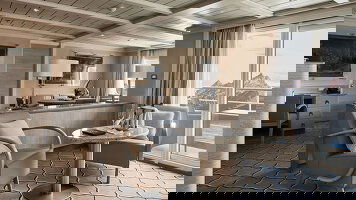
Enjoy all suite accommodation with luxury amenities and impeccable service provided by your own butler. Read more

Even an iPhone user can join expert classes and create professional images in the photo studio. Read more

Even on expedition cruises you will enjoy best in class service from the Silversea crew. Read more

Savour Silversea's exquisite fine dining and impeccable service offered in four signature restaurants on Silver Cloud. Read more

The Fitness Centre has state-of-the-art equipment and offers a range of classes. Read more
Download Brochure

Silversea Expeditions (2026-27)
 AUD
AUD Tour & cruises prices are per person. Prices shown have savings applied, are subject to availability and may be withdrawn at any time without notice. Pricing and trip details are correct at this point in time, however are subject to confirmation at the time of booking and are subject to change by Silversea. For cruise itineraries, cabin images are sourced from the cruise-line and should be treated as indicative only. Cabin inclusions, upholsteries and room layout may differ to the image(s) shown depending on the ship selected and your sailing dates.
